Elves are one of the oldest groups of folk on Iorth. They appear to be human-sized beings with builds that are a bit more slender than those of humans, with almond-shaped eyes and pointed ears. Elves tend to have naturally straight or wavy hair, though a few with traces of human heritage may have curly or kinky hair. Furthermore, elves have a broad spectrum of intense eye colors, though brown eyes are considered a sign of human lineage. Elves are predominantly left-handed, with a few of their number being right-handed or ambidextrous, in a sort of inverse version of human trends of handedness. As such, the term “elf-handed” is deemed a synonym for left-handedness in Iorth.
Appearing along with other types of fey during prehistory, the elves wandered the world until they found the ideal areas to settle in. These areas have aspects which naturally attune to magics allowing for travel between the Shimmer or the Shadow to and from the Prime Material realm. Each realm is deemed a nation in its own right, and the “boundaries” of many elven settlements extend from the main reality into one or both of those reflective realities. These realms include the lush, forested realm of Eldor, the far-flung isolated island realm of Ardor, the undersea realm of Wedor, and the subterranean realm of Undor.
Though each group of elves settled in a realm best suited to their desires and inclinations, all elves speak the same language which descended from the language of the fey. The Elvish language is a musical, beautiful, elaborate language which can richly describe complex concepts in a few precise terms. Furthermore, the spelling of Elvish is exactingly phonetic; words are spelled the exact way they are pronounced, eliminating any potential confusion for those learning the language. Also, due to their extremely long lifespans, the consistency of Elvish between various groups of elves is remarkable; the only distinction of any sort of dialect is due to simple word choices preferred by a particular group of elves, rather than any changes in pronunciation. However, one notable aspect of Elvish that came from its roots in the fey language of Sylvan is that the only differences between pronouns are singular, plural, and possessive forms for an entity or an object. So concepts for beings such as “he” or “she” are not present in Elvish as pronouns, but are replaced with something akin to “one” or a singular “they.” Instead, there are affixes used to describe gender or form which are used only for distinction or preferred identity. This is due to the mutable forms of many fey beings which cannot be easily described in such limited binary terms.
Despite where a group of elves resides, all have a love of the natural world and its wonders. The religion known as the Path of Nature was founded by an elf, and the religious practice of druidism was started by the elves. However, this love of nature is coupled with a passion for all sorts of arts, whether just creative or immensely practical. Elves are renowned for their artisanal skill, rivaled only by that of the dwarves. However, elves are extremely adept with arcane magic. Many of the practices and methods used by bards and wizards alike were established by elven practitioners of the craft.
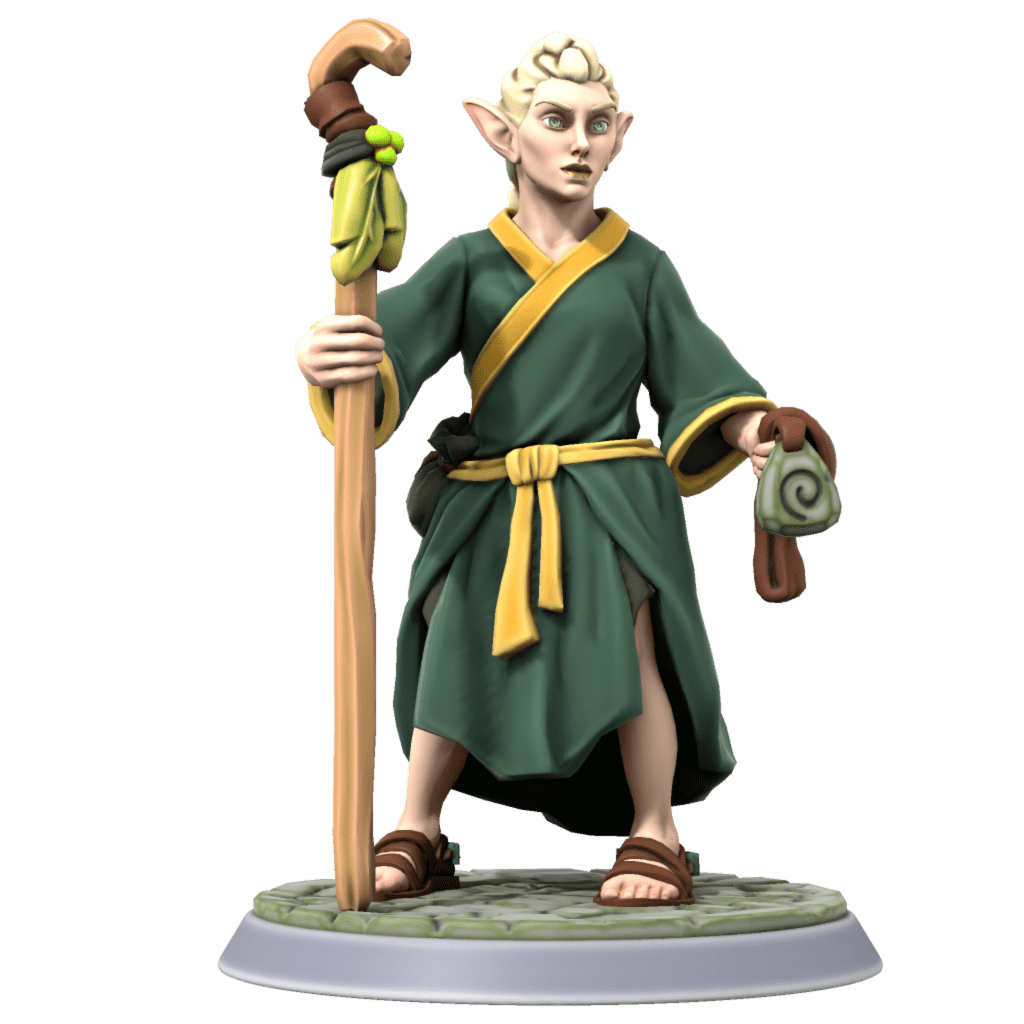
Wood elves are the most common variety of elves encountered in Iorth. Dwelling primarily in pristine forests and ancient woodlands, the wood elves live a life of harmony with the natural world. Many wood elves reside in the realm of Eldor in the Heartlands. The elves of Eldor have close, friendly relationships with the citizens of the Free City of Rigby and the island Kingdom of Wyland, as well as with their neighbors, the Bluestone dwarf clan.
The next-most common variety of elves encountered in Iorth are the high elves. The high elves reside in hidden enclaves near or at potent magical nexuses, where they develop their magic and knowledge. The largest enclave of high elves on Iorth reside in the far-flung isolated island of Ardor. While the elves of Ardor are gracious hosts, they do not lightly share the location of their home to outsiders.
Dwelling in vast, deep, natural caverns, the cave elves live peaceful lives of seclusion, tending to the underground ecosystem just as wood elves tend to the forest and wilderness. Cave elves have pale white to silvery gray or platinum blond hair, a purplish-gray complexion, and bright eyes of almost any color. Originally from the subterranean realm of Undor, the cave elves were driven out of their home by hordes of troglodytes and their nightmarish servants. Now, many cave elf diasporas dwell in cavernous settlements scattered throughout the Nether Lands, or in subterranean homes within the borders of other elven realms such as Eldor or Ardor.
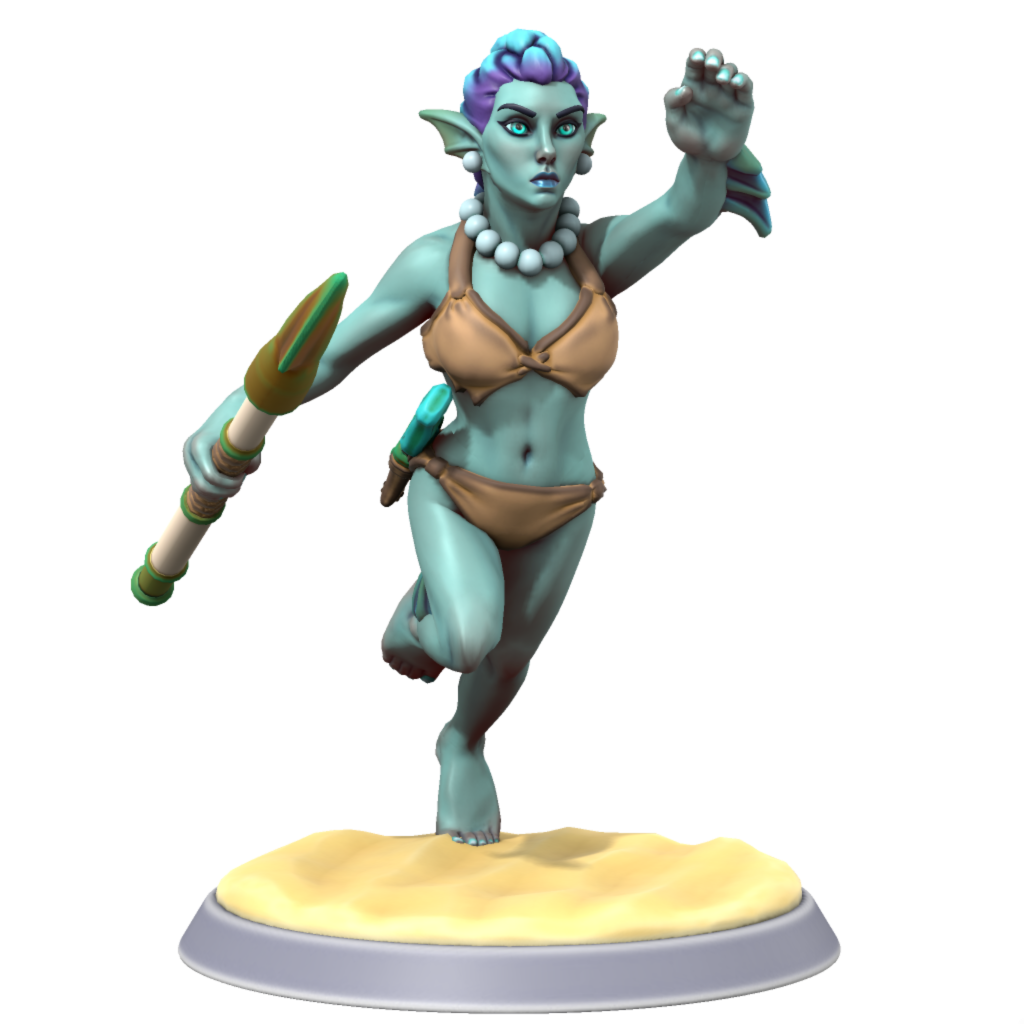
Warm coastal waters are the home of sea elves, a nomadic people who travel the ocean and tend to the sea life year after year. A few groups of sea elves have established permanent communities, though they often see influxes of groups of merfolk or other sea elves passing through their waters. Sea elves have dark teal hair, aquamarine complexions, and bright eyes of almost any color. They have webbed toes and half-webbed hands (allowing for some degree of manual dexterity), and small gill-like structures behind and below their jaws that are hard to notice. Though they travel the oceans, their underwater realm of Wedor is the only permanent settlement for the sea elves in Iorth.
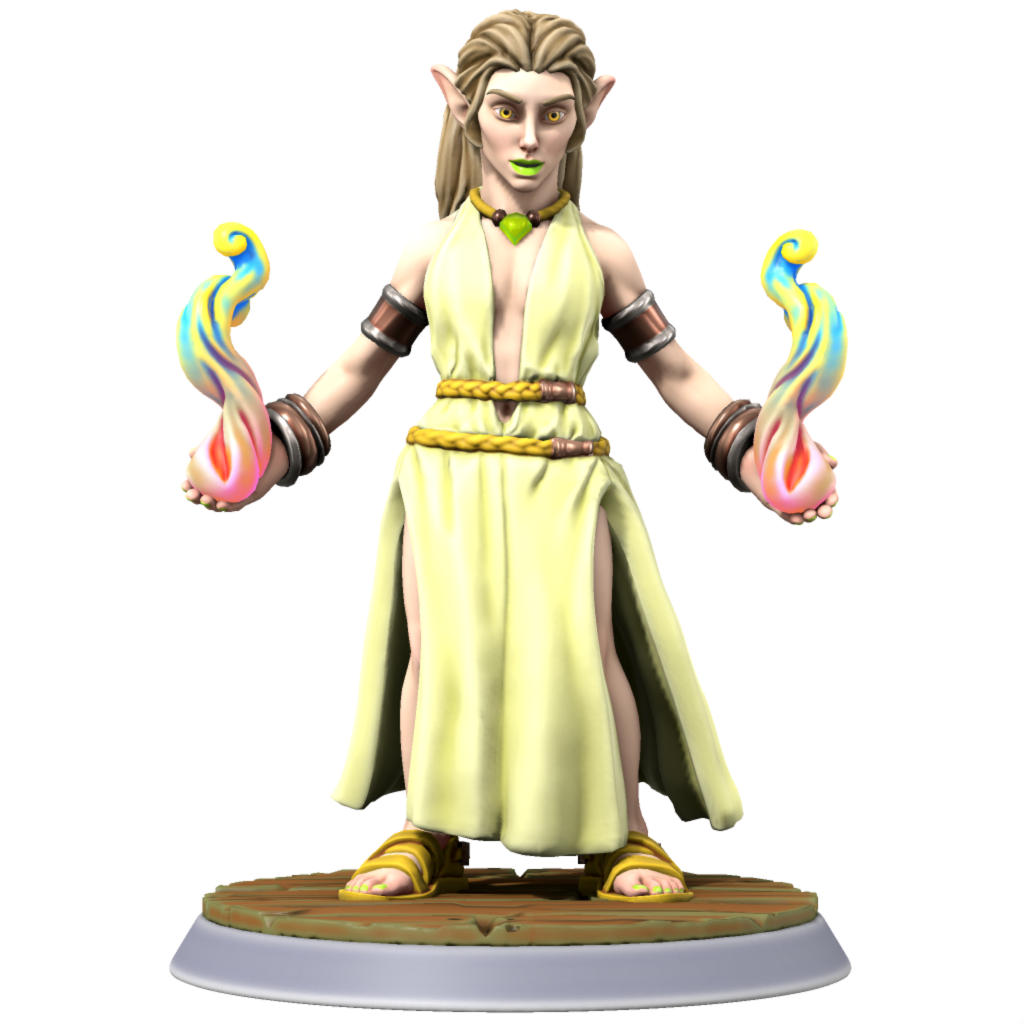
Wandering across the Astral Plane and deep in the reflective reality known as the Shimmer, the light elves are a group of free-spirited, jovial beings who seem timeless. The light elves rarely leave the Shimmer, but those who do view their excursions with a sense of discovery and wonder. They embody freedom and possibility, cherishing life to its fullest. Light elves have white hair, bright white skin, and bright colorful blue or green eyes. The light elves prefer to wear light, airy, comfortable clothes in white or bright pastel colors.
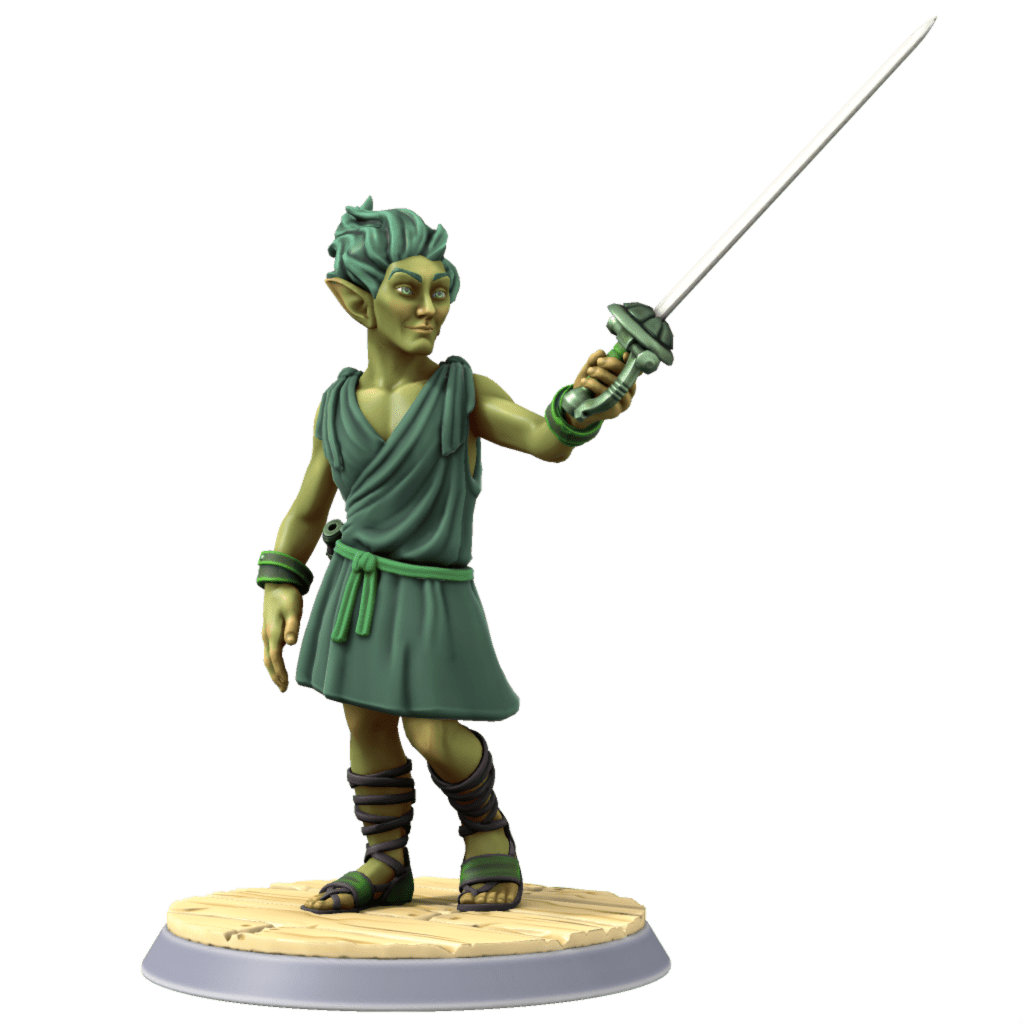
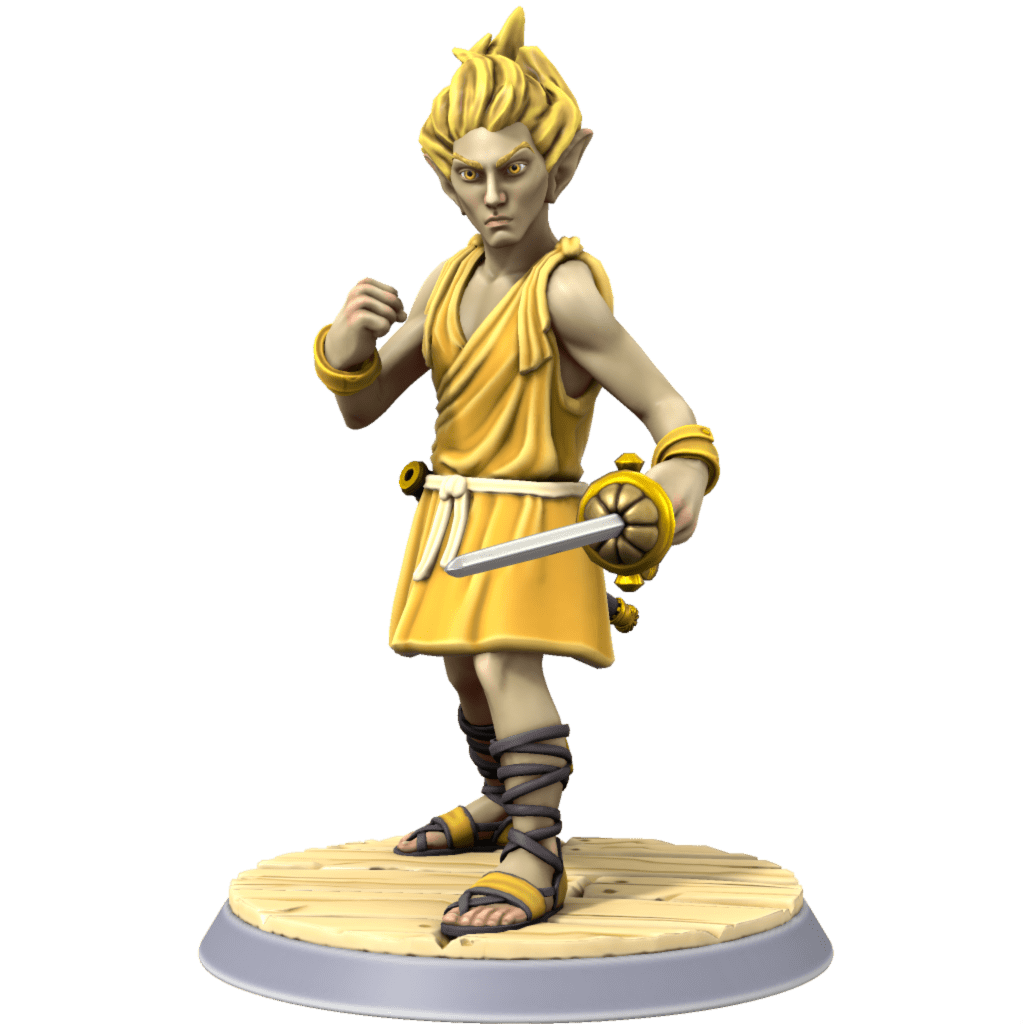
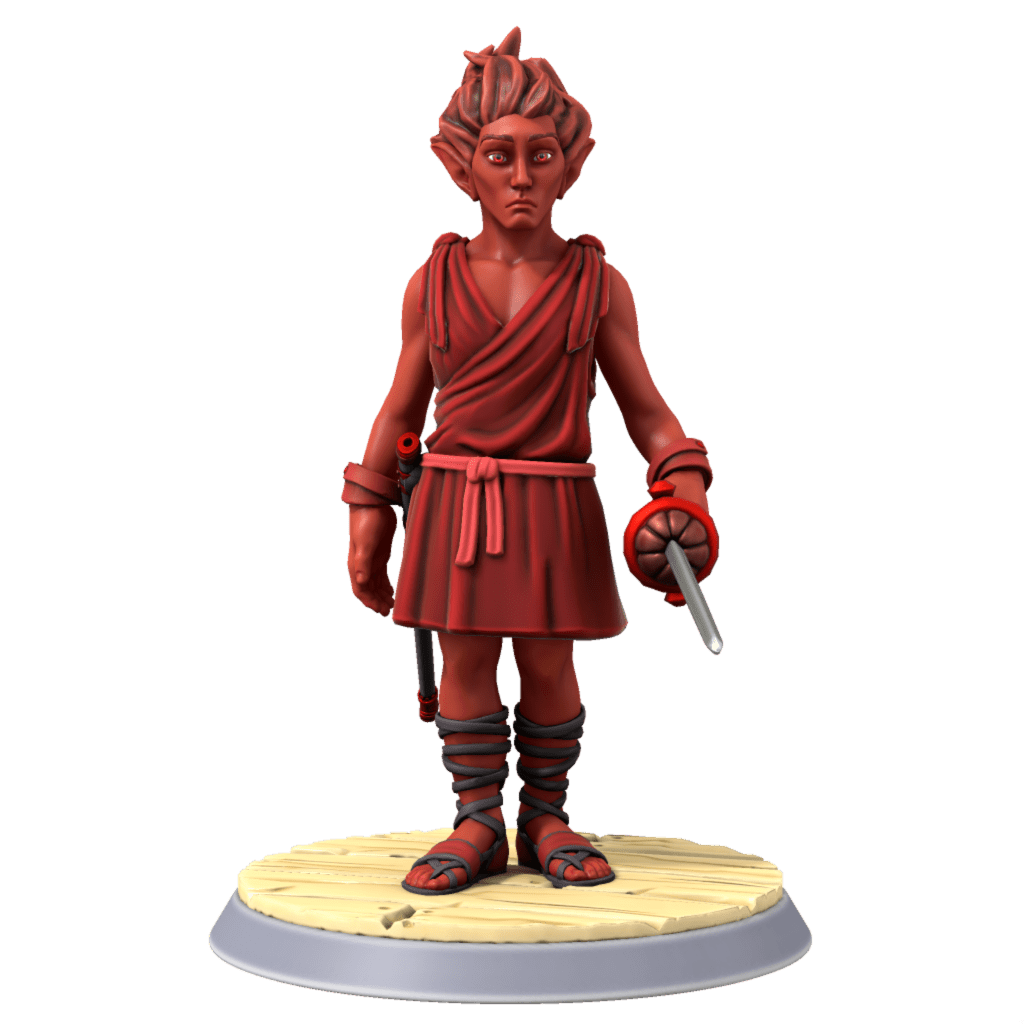
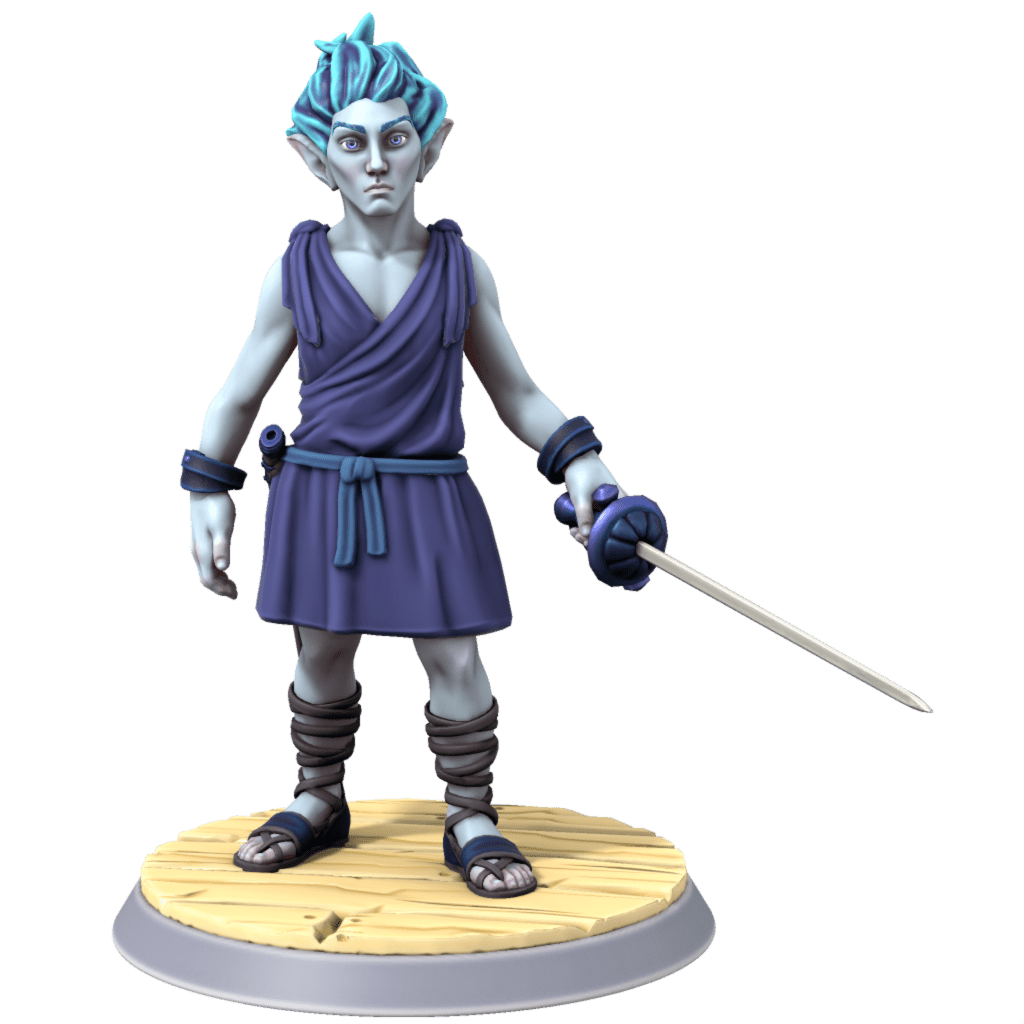
In addition, a group of some elves who have bonded closely with the Shimmer take on the vibrant and drastic aspects of the seasons in their home realm. Known as eladrin, they embody the natural cycles of nature, and take on colorful forms with innate magical traits that echo the seasons.
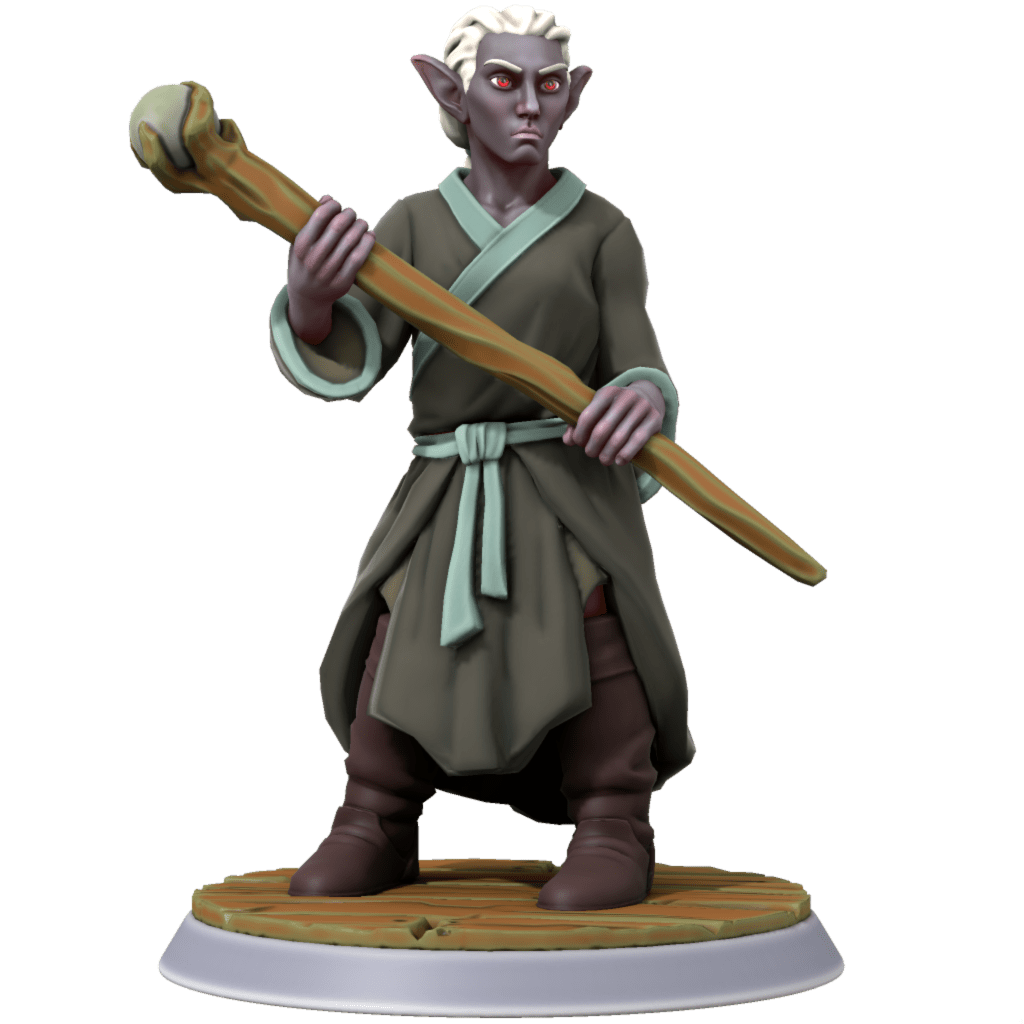
Conversely, deep in the reflective reality known as the Shadow, the dark elves are a group of grim, rigid, dour beings who feel perpetual. The dark elves rarely leave the Shadow, but those who do view their excursions with a sense of necessity and duty. They embody destiny and consequences, waiting for entropy and death inevitably to claim everything. Dark elves have black hair, deep black skin, and burning intense red or yellow eyes. The dark elves prefer to wear simple, dark, formal clothes in deep grays and blacks, with the occasional slight hint of color.
No matter where elves reside, many of their settlements tend to take one of two forms; the secluded yet comfortable home or farm of a family or individual, or the grand awe-inspiring town of a large community. For the latter, the town is located deep within the territory of the elves, within a location with strong natural defenses. The most prominent structure of the town is the palace of the leader of the community, which also serves as shelter for the whole community during times of adversity. An elven town is thoughtfully planned out, with areas clearly organized by need and purpose. However, nature is incorporated into every aspect of the town (it is the elves who are exemplars of what may be called “green living”). Materials and resources are reused and repurposed in order to prevent minimal damage to nature. What livestock elves have is usually free-range; for example, wood and high elves have a preference for raising poultry, along with a few other animals. Apiaries are very common, providing sources of honey and wax. Elves tend to maintain large herds of deer and antelope for hunting, though never for sport or excess. Nuts, berries, and fruit are often cultivated by elves, with a few areas dedicated for grain crops, and other areas cultivated for timber.
Regardless of which group an elf is a part of, elven craft and fashion is always elegant and effective. The elves wish for their creations to possess beauty, but they also need to be capable of performing their tasks and enduring over the centuries. An elven creation takes time, and it shows the investment of time within it. This attitude can be frustrating to the shorter-lived folk, but those who understand appreciate the effort put into the creations, whether it is an item, structure, or even a poem.
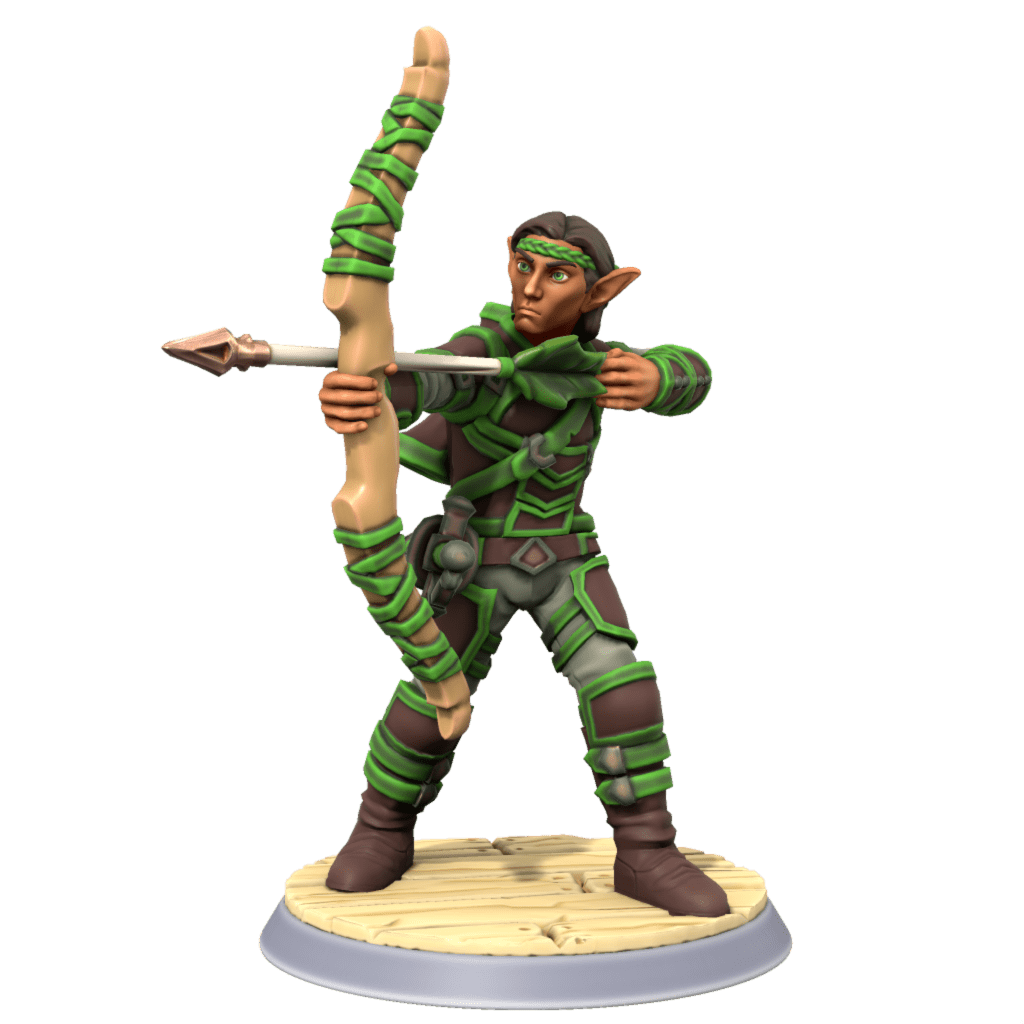
Elves are known for being excellent archers, and that is not without reason. Though long-lived, elves can die by violence just as any mortal can, so they strive to avoid the risk of death through clever fighting strategies. Many elves are taught some means of self-defense, since they are aware of the probability of encountering conflict at some point in their long lives. Skill with a bow is valued not only as a weapon of war, but also as a means of hunting. This weapon also is valued for skirmish fighting, which elves prefer to use as a means of warfare. As such, the elves also prefer lightweight, mobile forms of armor. For this purpose, the elves developed a form of mythryl mail that is so finely crafted and lightweight that it can be worn under clothing. In some other instances, elves have created protective magical tattoos that turn aside attacks just as effectively as a full suit of armor.
Elven armaments are selected for the environment they expect themselves to be fighting in. For many skirmishers, shorter weapons like single-handed swords or daggers are ideal, or even hand axes or maces. In warfare where more massed forces must face one another, the elves prefer spears and shields coupled with finely-made protective armor, with some of their number armed with polearms or greatswords as needed. Even then, masses of archers with powerful longbows are a key part of any elven armed force.
However, the environment is what guides an elf’s choices with arms and armor. Spears, tridents, and nets are the preferred arms of sea elves, along with shields shaped to not impede a sea elf’s swimming speed. With the cave elves, compact armaments such as crossbows and short swords are preferred due to the cramped subterranean conditions they find themselves in.
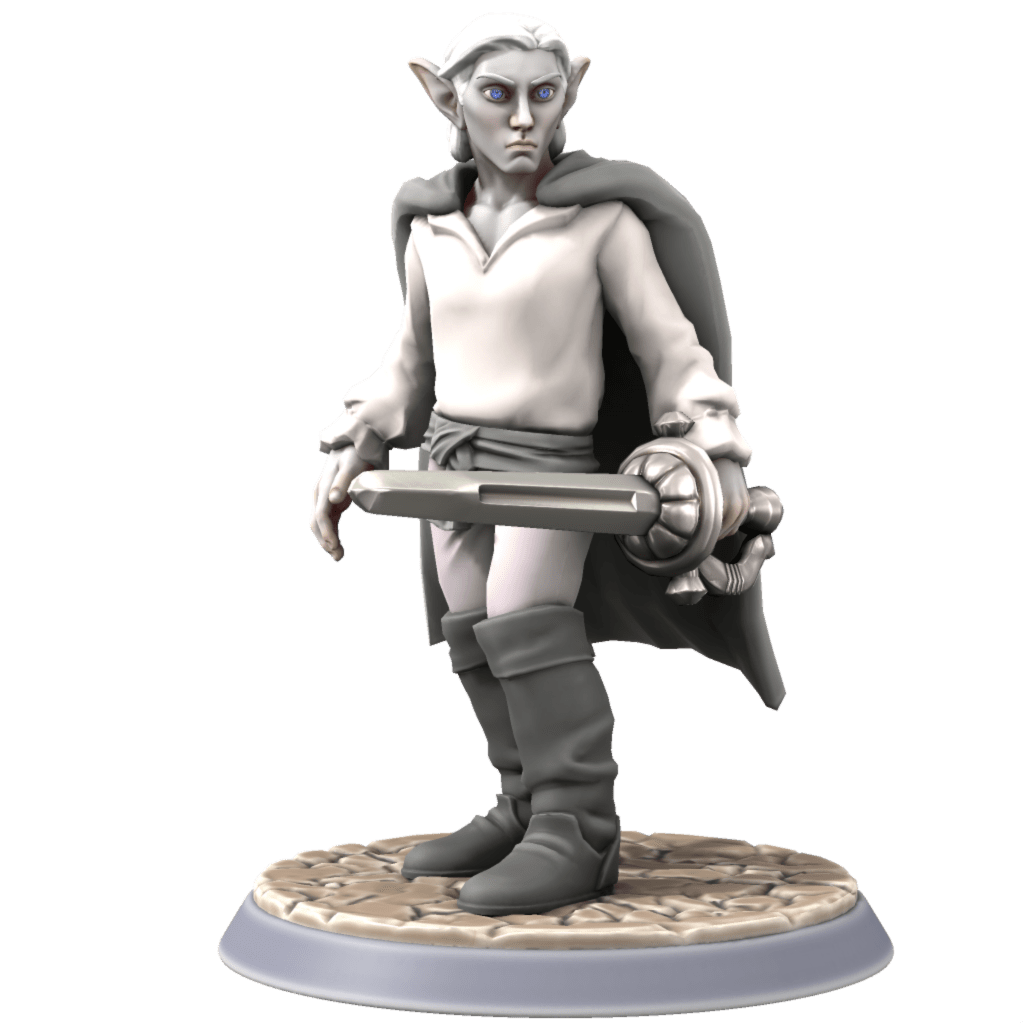
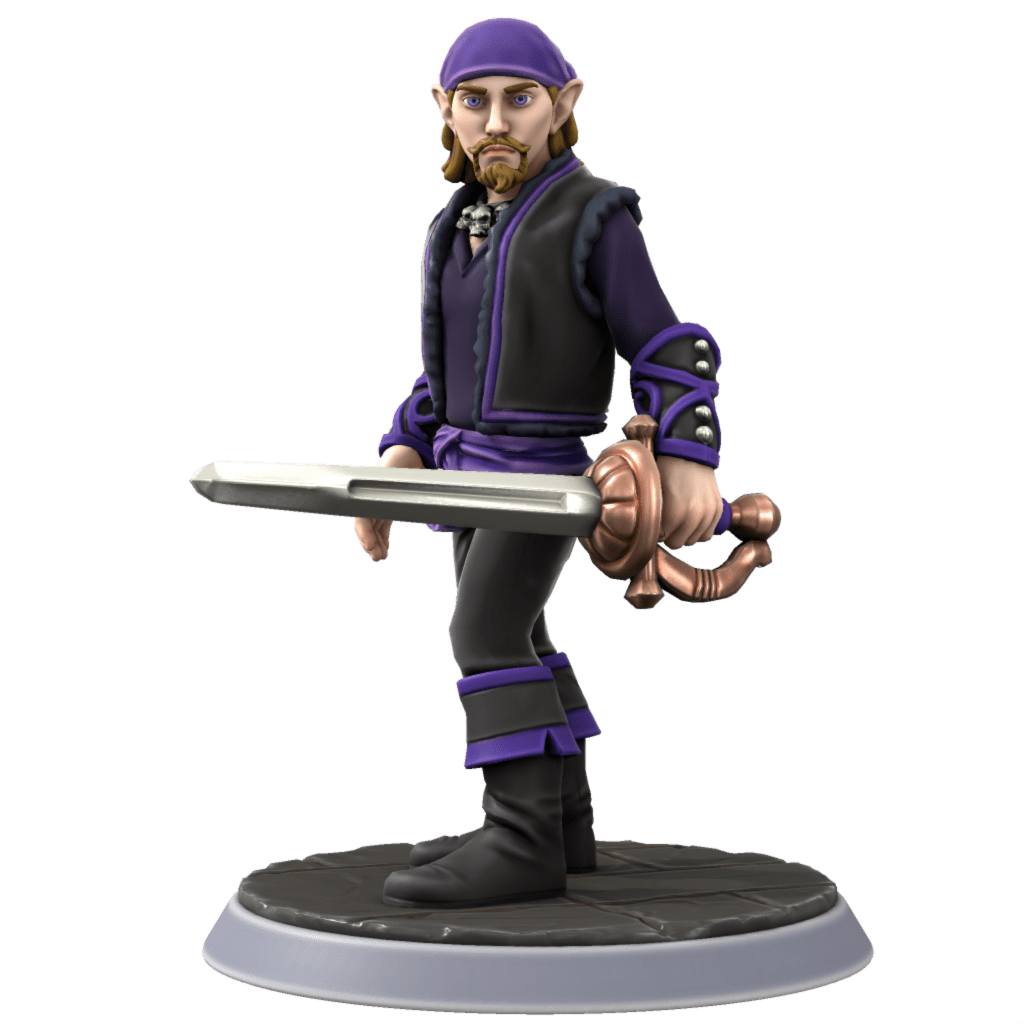
This pragmatic outlook to armaments is a key element behind the invention of a certain style of sword by the elves, which several other cultures have taken to in some form: the rapier. The rapier, and some varieties of longsword or short sword stylized as side swords, are meant for taking on lightly armored or unarmored opponents, usually in self-defense in an urban environment. The tendency for most human nobility to wear a rapier as a sidearm is in imitation of the custom by elven nobles during times of conflict; however, humans persist in wearing the weapon in not just times of conflict, but of relative peace as well. The complex hilt styles found on these weapons are widely varied, though elves tend to favor incorporating elements of their preferred natural environment into the design, whether it is vines and leaves, sea shells, or the like.
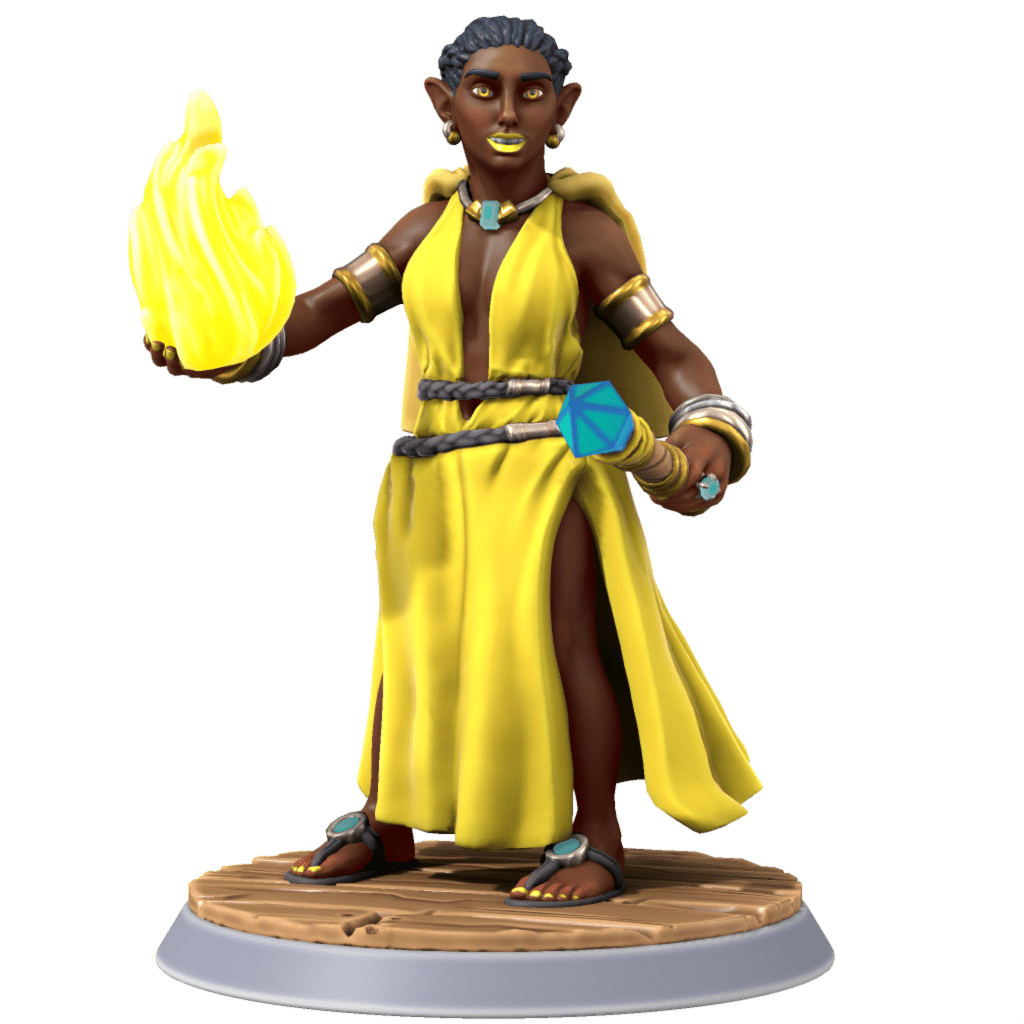
The greatest potential of elven culture is found in magic. Many of the major magical practices used in Iorth today were initially developed by elves. Magic is considered natural, and thus treated as a part of nature just as the elements. Several elves display some inherent magical talent, which they develop or pursue in some form. However, even if an elf does not have magical aptitudes or does not choose to pursue them, that elf is not valued any less by the rest of the elven community. In many cases, cleverness of craft is combined with magical dweomers to provide tools, gifts, or even defenses to aid an elf’s life or an elven community overall. A community established by elves rarely lacks a member talented as a wizard or bard, or devoted to druidism.
According to legend, the elves and fey were creations of the goddess of nature, Ki. The goddess desired to have beings reside in the world who cared for it rather than exploited it. So she created the fey, and from them, the elves. Additional legends state that Ki’s younger twin brothers, the god of light, An, and the god of darkness, Ur, influenced some of the elves with their knowledge, and thus dissent arose among the elves. To keep the peace among her creations, the goddess Ki took both light and shadow to make reflections of the world, where the elves influenced by An and Ur could reside peacefully. The elves influenced by An, who became the light elves, went to dwell in the realm of reflected light, known as the Shimmer. The elves corrupted by Ur, who became the dark elves, left to dwell in the realm of projected shadow, known as the Shadow. Ki then let her creations freely choose which realm where they wanted to reside. Many fey and some elves decided to reside in the Shimmer, while some cruel or mean fey left to dwell in the Shadow. However, the elves who chose to remain on Iorth settled down in the realms they found.
Though elves value tranquility, many do not isolate themselves from the wider world. In regions where elves and humans often interact, unions between the two peoples often result in children of mixed heritage. They are known as the elfan (a portmanteau of elf and human). The humans tend to refer to these children as “half-elves,” while elves tend to view them as human, due to their shorter life spans (though they still live longer than humans on average). Because of this, a majority of elfans are raised by their human parent or human foster parents, while very few are raised by their elven parent. Elfans typically share traits from both of their parents, though they all have slightly pointed ears, almond-shaped eyes, and physical builds more stocky than elves yet more slender than humans.
The elves of Iorth are not focused on achievement or power as many other cultures are. Instead, they desire to be at peace, in harmony with the world, and enjoying the multitude of fleeting moments of beauty during a long life. Many elves may seem withdrawn or inconsiderate of non-elves, but that detachment is derived from the wisdom that the elves themselves will outlast multiple generations of others whom they may grow attached to, and thus do their best to keep perspective on things and not allow themselves to be lost in eternal grief.
Gallery


 Iorthbound