In many places in Iorth, military power is not something that is often considered or organized. For a lot of small isolated settlements, much less nomadic or semi-nomadic groups, the physically fit are led by a community leader in an impromptu warband. However, due to the successes of the Great Empire, as well as the wisdom of more established cultures such as the dwarves and elves, many nations, especially those nations of the Heartlands, have reconsidered such informal and uncoordinated approaches. The major human nations, such as those of Aland, Iland, Uland, Œland, and Wyland, have taken lessons from the dwarves, elves, and the late Great Empire by employing professional standing militaries year-round, instead of the seasonal recruitments practiced in days long ago.
Generally, each nation will have an army and a navy. Each of these will have some of its forces as part of a stationed watch, which serves as the official peacekeeping forces posted at towns and ports. The remaining forces are patrols, which are the main fighting forces in conflicts, and the forces serving as roving patrols during peacetime.
An example can be found in the forces stationed in the town of Clifton, a port town of the nation of Iland. First, the town itself would have at least one company of soldiers assigned as the watch, while at least one ship would be assigned to the port, serving as coast guard. Furthermore, multiple companies of soldiers would be part of the nation’s army, which could be either ordered to reinforce the watch, or ordered to march to add their strength to a larger army. Likewise, multiple ships would be stationed at the port, which could be used to protect the local waters or ordered to sail and join a larger fleet. All of these forces would answer to the noble in charge of the town and its territory; in the case of Clifton, it would be the Count of Clifton.
A commander would be the one in charge of all of the companies of the army, while a commodore would command all ships in a naval fleet. A marshal would hold command over both the army and navy, directly appointed by and answering to the sovereign.
Army Forces
The basic unit of the army is a company of 150 soldiers. The company is commanded by a captain, who is assisted by a lieutenant, an ensign, and a sergeant. The captain has a personal guard of a corporal and four soldiers. The forces under a captain’s command are three platoons, each led by a lieutenant. Each platoon consists of two troops, each led by an ensign. Each troop consists of two patrols led by a sergeant. And finally, each patrol consists of two squads of four soldiers led by a corporal.
In many instances, a captain will also be a knight, and the knight’s squire will serve as the knight’s lieutenant. A knight’s page, if they are of age, will carry the company standard and serve as an ensign, while the senior most veteran soldier of the company will serve as the company sergeant. The personal guard of the captain usually consists of the best and most loyal warriors of the entire company.
It is not uncommon for a company to have a unified force (soldiers of the same combat specialty) or a mixed force (multiple units of various combat specialties formed into a single company). The major combat specialties include infantry (heavy and light), cavalry (heavy and light), archers, and engineers. In a few instances a mage may be part of a company of soldiers; in those instances, the mage will be a member of a captain’s staff instead of a rank-and-file member of one of the platoons.
Navy Forces
The basic unit of the navy is a ship. The ship is commanded by a captain, who is assisted by the first mate (who is a lieutenant in rank). The quartermaster holds the rank of ensign, while the bosun and cook both hold the rank of sergeant. Finally, the rest of the crew consists of twenty-five sailors, typically structured as four sailors under direction by a veteran sailor given the rank of corporal. This results in a peacetime crew of a ship of thirty.
During wartime, an ensign is assigned to serve as a ship’s surgeon, and eight sergeants are brought on as engineers to maintain the ship and weaponry. A complement of forty marines are also posted onboard. This force consists of a lieutenant commanding the marines, an ensign assistant, two marine sergeants, two corporal assistants, and thirty-two marines. This marine force may be divided in half to allow for armed members of a landing party while still having adequate forces to protect the ship. This supplement increases the amount of crew from thirty to seventy-nine. In some instances, a ship will be assigned a mage (usually considered a lieutenant or ensign in rank), bringing the total number of crew to eighty.
Mercenary Forces
Both army and navy forces may be part of a standing force in service to a nation or sovereign, or it could potentially be a mercenary force available for hire. In the instance of navy forces, these ships often operate as either pirates or privateers. The Free City of Covestead is a well-known safe haven for pirates, who are granted this in exchange for abiding the orders of the High Admiral Lord Mayor of the town. The Palatinate of Upton, on the other hand, strives to defend against piracy, and often has its fleet working as privateers to seek and destroy pirate vessels.
In the case of army forces, these groups are known as free companies, who sell their services to anyone willing to pay the price. Like any other army company, it may be comprised of soldiers with one or more combat specialties. One infamous mercenary group is the Lordless Legion, whose pursuit of wealth has led to some questionable deeds. Hobgoblins often choose to work as mercenaries in order to strengthen their combat skills, gain wealth and resources, and even learn the strengths and weaknesses of both their opponents and their employers. The City-State of Newton relies heavily on mercenary forces for its defense, which only serves to add yet another layer of intrigue to the town’s complex politics.
Tactics and Strategies
The various applications of these forces vary by the whims, needs, and abilities of those who oversee them. Since the Great Underground Jarldom of Dwyrheim no longer has any of its dwelves along a coast, its forces consist only of armies of dwarven soldiers, commanded by a noble appointed by either the voivod of a clan or the Jarl of Dwyrheim themselves. For the elves, their preference to avoid direct contact with an enemy has their armies consist of light cavalry and infantry, best used for quick moment, ambush, and skirmishes. The navy of the elves also uses swift ships able to close or widen the distance with enemy ships, but they also tend to have assistance from their sea elf kin or aquatic fey and creatures as well. Halfling forces are purely defensive, relying on their familiarity with their home land and waters to have advantage over any invading forces. The organized orc forces of the Kingdom of Grok, as well as the goblin forces of the Kingdom of Yob and the lizardfolk nation of Saurland, prefer to use overwhelming numbers to wear down and destroy their opponents. Hobgoblin forces tend to use their acquired information during their service as mercenaries to good use, attacking in weak spots or exploiting blind spots in an enemy’s defense.
With the forces of the Wyrmleague, many of its companies and fleets are commanded and accompanied by at least one dragon. This provides immense advantage, since many opposing forces lack that degree of power. The feuds and skirmishes between the dragon nobility of the Wyrmleague even means that their forces are used to defending against dragons as well as attacking with them.
Comparatively, the various human communities of Iorth prefer to use the methods employed by the Great Empire. Each force does their best to use the environment to their advantage. During times of war, many warships sail in groups of two or three, in order to provide better protection from attack. Many companies of soldiers are stationed at one of the well-fortified towns along the old roadways still around from the days of the Great Empire, and these forces are deployed to the site of a battle as soon as possible. In some instances, a commander will march past multiple towns toward an enemy, and collect companies garrisoned there in order to bolster the main force. Due to means beyond the level of technology at the time, simple magics allow for faster communications between a commander and the captains under command, despite the vast amount of distance that may be between them. In addition, hunger and disease can be addressed with the presence of a war priest in the ranks; the treatment of battle injuries is also dealt with easier than it would be.
The typical arms and armor for a force depends upon their role and their environment, as well as their culture. Many naval forces tend to either avoid armor altogether. However, in some instances sailors may wear light armor for some form of protection, while a ship’s contingent of marines would use light armor or medium armor along with shields. Spears and tridents may be used, but most weapons are compact and light to allow for easy use on the deck of a ship. As such, crossbows and short bows are preferred for ranged personal weapons, though a ship may have a “master archer” (equivalent to an expert sniper) who will take post at an advantageous point and use a longbow (for its greater range).
For many armies, light infantry are provided helmets, shields, light non-metal armor, and spears. These soldiers often choose their sidearms, whether they are daggers, hand axes, clubs, maces, short swords, light hammers, or the like. Heavy infantry is supplied munition-style metal armor with a helmet, a shield, a dagger, and a stout sidearm such as a longsword, war hammer, battle axe, war pick, morningstar, flail, or the like. In some instances, soldiers may have a two-handed weapon or polearm. The arms for light and heavy cavalry are comparable, though with some differences. Light cavalry will often consist of mounted archers with short bows, enabling them to serve as skirmishers, scouts, or pathfinders. Heavy cavalry will have lances, resembling knights in most instances.
Archers would appear similar to light infantry, except that they are typically equipped with a longbow or some form of crossbow. These forces would often be protected by infantry bearing polearms, in order to fend off attacks on the archers in order to limit the offensive capability of a force. Engineers also could be mistaken for light infantry, but their job is to focus on operating siege machinery, building and maintaining defensive structures, as well as sapping enemy fortifications.
Whether as part of an army or a navy, spellcasters serve their role in the defense of a community. In many cases, most spellcasters simply serve as an equalizing force against the opposition; often cancelling out or protecting against any offensive spells cast by an enemy spellcaster. Because of this, there are not many battles which are decided by the presence and power of a spellcaster. This mostly holds true for forces that have unique creatures among their number. The Archduchy of Hellport is fond of releasing beasts such as hydras, chimeras, and manticores onto the battlefield to cause chaos for enemy forces. The Wyrmleague is bolstered by its dragon nobility fighting alongside its mundane forces. Some human communities are able to hire or recruit giants to fight alongside their forces. Other communities have been able to raise and train giant eagles, wyverns, griffons, or drakes to allow riders and thus provide a sort of aerial cavalry force.
The few instances when their may be a show of overwhelming magical power during a battle is when a community or region faces an extreme threat. A massive creature like a dragon or ancient giant attacking a town would be one instance, but so would be a hoard of undead warriors, or an invading army aided by summoned demons or devils. In these cases, many local spellcasters would be recruited to aid in the cause of defense, and their service would end at the conclusion of the battle.
The Heartlands of Iorth are the most populous region of the world, though they are not the only populated region of the world. The various human-dominated realms in the northern hemisphere of the planet are numerous yet scattered throughout the region. They tend to develop somewhat independently of one another, and while one region may prosper, another could be facing dire hardships. However, in any event, these regions are left relatively undefined for others to develop and define for their own stories and campaigns.
One resource available that could be easily used for these realms is Journeys through the Radiant Citadel, for Dungeons & Dragons 5th edition. Each of the adventures contained therein provides details to new settings which could be easily integrated into Iorth, if one wished. This post will review some of these settings and provide information on how they could be used. These items will be organized by the particular region of Iorth where they are most likely to be found.
The Estlands
The region known as the Estlands consists of several small continents and large archipelagos scattered along the reaches of the vast High Sea. This region is also known as the Feudlands due to the conflicts and ever-changing allegiances that arise between the various settlements and nations which exist here. Notably, the predominant nation is the Empire of Xo, which consists of several islands under the official rule of the Emperor of Xo, but actually under the rule of several local leaders vying for power and control, as well as the respect of the emperor. In essence, these regions are part of a larger confederacy that, for the sake of appearances, presents itself as a unified empire.
The major challenges to the Empire of Xo are the orc nation of Grok and the goblinoid nation of Yob. Both vye for territory with the empire, and struggle for power and influence.
Dayawlongon
(in “Between Tangled Roots”)
At the southernmost reaches of the Estlands lies the archipelago of Dayawlongon. Said to overlook the seas of the southern hemisphere, and thus thought to be the ones who would ever first behold a dragon from the south heads towards the north. However, its location actually makes it he most likely to encounter travelers coming from the southern island nation of Koatlan; in many cases, refugees from the tyrannical theocracy migrated to the archipelago, seeking safety. Many drakelings from the Wyrmleague also migrated and settled in Dayawlongon as well.
Siabsungkoh
(in “Salted Legacy”)
The valley of Siabsungkoh lies on the eastern coast of the southernmost reaches of the lands of Great Xing. In several instances, many trade goods from across the Estlands, as well as goods from the other major regions, have all passed through Siabsungkoh at one point or another. Due to its location, it is a place of intrigue regarding the courts of the Empire of Xo and Great Xing.
Umizu
The city-state of Umizu is a fine example of a small island settlement that has sought independence from the Empire of Xo. Its matrilineal culture also clashes with the patriarchal culture of the Empire of Xo. However, Umizu is deemed an important regional stronghold, and the desire to keep Umizu under control of the imperial court is intense.
Great Xing
(in “Buried Dynasty”)
The dwarven-ruled nation of Great Xing derived from the unification of human and dwarven communities after the fall of the Great Empire. The lineage of the Jade Emperor of Great Xing comes from the marriage of a human princess to a dwarven noble, who was the last of the lost Jadeshaper (clan tartan shown at right) clan of Great Underground Empire of Dwyrheim. The current Jade Emperor has scant traces of human heritage in comparison.
Though not openly hostile to the Empire of Xo, Great Xing often has “differences of opinion” with the ruling imperial court. It is granted some degree of autonomy, but it avoids setting off a civil war by demanding independence or self-sovereignty.
The Sudlands
The region known as the Sudlands is home to many nations, though the most prominent of them are the Khanate of Qudesh, the Kingdom of Nye, with the fiercely independent city-state of Sarhaȸandar resting between them. With roving tribes of humans, giants, lizardfolk, and even gnolls, the region in one rife with conflict and opportunity.
Sensa Empire
(in “Gold for Fools and Princes”)
West of the Khanate of Qudesh lies the Sensa Empire, known for its wealth of gold. Normally peaceful, the region is in the midst of a difficult power transition, which the spies of Qudesh have certainly noticed. The Sensa Empire is considered to be a part of the larger Kingdom of Nye politically, though it officially regards itself as independent.
Shankhabhumi
(in “In the Mists of Manivarsha”)
The realm of Shankhabhumi is one of the more notable, yet peaceful, regions within the Khanate of Qudesh. Its natural defenses protect it from most incursions by hostile neighbors, but the locals are always watching the balance of power in the region.
Tayyib Empire
The Tayyib Empire, based in the region of Suristhanam, borders the Khanate of Qudesh to the west and the Kingdom of Nye to the north. Its recent upheaval regarding succession has made the nation aggressive in achieving security and prosperity. This, under the actions of some of the less scrupulous nobility and officials, has turned into covert or not-so-covert attempts to acquire land and resources from its neighbors. Furthermore, the infiltration of their community by serpentkin from Koatlan makes matters worse, for these agents seek to cause instability and disruption until they or their lackeys may obtain power over the empire.
The Veslands
The region of the Veslands is dominated by the conflict between the Theocracy of Totlan with its neighbors, the Kingdom of Aki and the Kingdom of Suyu, as well as with the various roving tribes of the region.
San Citlán
(in “The Fiend of Hollow Mine”)
San Citlán is one of the few independent settled regions within the northern Kingdom of Aki. Its value as a trading partner, and its mineral wealth, make it a sought-after destination by many within and beyond the region. It has cultural links with Tletepec, and considers itself part of the same sphere of influence as that region, though many from Tletepec feel that San Citlán is far too “polluted” with outside influences.
Tletepec
(in “Trail of Destruction”)
South and east of San Citlán is the region of Tletepec, which is part of the greater Kingdom of Aki. This region faces pressure from the Theocracy of Totlan to merge its territory with theirs. However, the people of Tletepec value their spiritual independence, which the Kingdom of Aki respects, and do not care to be under the rule of what consists of a cult of personality in their minds. The coastal regions are occasionally threatened by pirate raids or attacks from bands of ravaging merrow.
Atagua
(in “Orchids of the Invisible Mountain”)
The region of Atagua is a part of the greater Kingdom of Suyu, yet the Theocracy of Totlan is actively seeking to spread its influence throughout the region. The region is also close to natural access points to the Shimmer and the Shadow, allowing for travel between the Prime Material Plane and the two reflective planes.
Elves are one of the oldest groups of folk on Iorth. They appear to be human-sized beings with builds that are a bit more slender than those of humans, with almond-shaped eyes and pointed ears. Elves tend to have naturally straight or wavy hair, though a few with traces of human heritage may have curly or kinky hair. Furthermore, elves have a broad spectrum of intense eye colors, though brown eyes are considered a sign of human lineage. Elves are predominantly left-handed, with a few of their number being right-handed or ambidextrous, in a sort of inverse version of human trends of handedness. As such, the term “elf-handed” is deemed a synonym for left-handedness in Iorth.
Appearing along with other types of fey during prehistory, the elves wandered the world until they found the ideal areas to settle in. These areas have aspects which naturally attune to magics allowing for travel between the Shimmer or the Shadow to and from the Prime Material realm. Each realm is deemed a nation in its own right, and the “boundaries” of many elven settlements extend from the main reality into one or both of those reflective realities. These realms include the lush, forested realm of Eldor, the far-flung isolated island realm of Ardor, the undersea realm of Wedor, and the subterranean realm of Undor.
Though each group of elves settled in a realm best suited to their desires and inclinations, all elves speak the same language which descended from the language of the fey. The Elvish language is a musical, beautiful, elaborate language which can richly describe complex concepts in a few precise terms. Furthermore, the spelling of Elvish is exactingly phonetic; words are spelled the exact way they are pronounced, eliminating any potential confusion for those learning the language. Also, due to their extremely long lifespans, the consistency of Elvish between various groups of elves is remarkable; the only distinction of any sort of dialect is due to simple word choices preferred by a particular group of elves, rather than any changes in pronunciation. However, one notable aspect of Elvish that came from its roots in the fey language of Sylvan is that the only differences between pronouns are singular, plural, and possessive forms for an entity or an object. So concepts for beings such as “he” or “she” are not present in Elvish as pronouns, but are replaced with something akin to “one” or a singular “they.” Instead, there are affixes used to describe gender or form which are used only for distinction or preferred identity. This is due to the mutable forms of many fey beings which cannot be easily described in such limited binary terms.
Despite where a group of elves resides, all have a love of the natural world and its wonders. The religion known as the Path of Nature was founded by an elf, and the religious practice of druidism was started by the elves. However, this love of nature is coupled with a passion for all sorts of arts, whether just creative or immensely practical. Elves are renowned for their artisanal skill, rivaled only by that of the dwarves. However, elves are extremely adept with arcane magic. Many of the practices and methods used by bards and wizards alike were established by elven practitioners of the craft.
Wood elves are the most common variety of elves encountered in Iorth. Dwelling primarily in pristine forests and ancient woodlands, the wood elves live a life of harmony with the natural world. Many wood elves reside in the realm of Eldor in the Heartlands. The elves of Eldor have close, friendly relationships with the citizens of the Free City of Rigby and the island Kingdom of Wyland, as well as with their neighbors, the Bluestone dwarf clan.
The next-most common variety of elves encountered in Iorth are the high elves. The high elves reside in hidden enclaves near or at potent magical nexuses, where they develop their magic and knowledge. The largest enclave of high elves on Iorth reside in the far-flung isolated island of Ardor. While the elves of Ardor are gracious hosts, they do not lightly share the location of their home to outsiders.
Dwelling in vast, deep, natural caverns, the cave elves live peaceful lives of seclusion, tending to the underground ecosystem just as wood elves tend to the forest and wilderness. Cave elves have pale white to silvery gray or platinum blond hair, a purplish-gray complexion, and bright eyes of almost any color. Originally from the subterranean realm of Undor, the cave elves were driven out of their home by hordes of troglodytes and their nightmarish servants. Now, many cave elf diasporas dwell in cavernous settlements scattered throughout the Nether Lands, or in subterranean homes within the borders of other elven realms such as Eldor or Ardor.
Warm coastal waters are the home of sea elves, a nomadic people who travel the ocean and tend to the sea life year after year. A few groups of sea elves have established permanent communities, though they often see influxes of groups of merfolk or other sea elves passing through their waters. Sea elves have dark teal hair, aquamarine complexions, and bright eyes of almost any color. They have webbed toes and half-webbed hands (allowing for some degree of manual dexterity), and small gill-like structures behind and below their jaws that are hard to notice. Though they travel the oceans, their underwater realm of Wedor is the only permanent settlement for the sea elves in Iorth.
Wandering across the Astral Plane and deep in the reflective reality known as the Shimmer, the light elves are a group of free-spirited, jovial beings who seem timeless. The light elves rarely leave the Shimmer, but those who do view their excursions with a sense of discovery and wonder. They embody freedom and possibility, cherishing life to its fullest. Light elves have white hair, bright white skin, and bright colorful blue or green eyes. The light elves prefer to wear light, airy, comfortable clothes in white or bright pastel colors.
In addition, a group of some elves who have bonded closely with the Shimmer take on the vibrant and drastic aspects of the seasons in their home realm. Known as eladrin, they embody the natural cycles of nature, and take on colorful forms with innate magical traits that echo the seasons.
Conversely, deep in the reflective reality known as the Shadow, the dark elves are a group of grim, rigid, dour beings who feel perpetual. The dark elves rarely leave the Shadow, but those who do view their excursions with a sense of necessity and duty. They embody destiny and consequences, waiting for entropy and death inevitably to claim everything. Dark elves have black hair, deep black skin, and burning intense red or yellow eyes. The dark elves prefer to wear simple, dark, formal clothes in deep grays and blacks, with the occasional slight hint of color.
No matter where elves reside, many of their settlements tend to take one of two forms; the secluded yet comfortable home or farm of a family or individual, or the grand awe-inspiring town of a large community. For the latter, the town is located deep within the territory of the elves, within a location with strong natural defenses. The most prominent structure of the town is the palace of the leader of the community, which also serves as shelter for the whole community during times of adversity. An elven town is thoughtfully planned out, with areas clearly organized by need and purpose. However, nature is incorporated into every aspect of the town (it is the elves who are exemplars of what may be called “green living”). Materials and resources are reused and repurposed in order to prevent minimal damage to nature. What livestock elves have is usually free-range; for example, wood and high elves have a preference for raising poultry, along with a few other animals. Apiaries are very common, providing sources of honey and wax. Elves tend to maintain large herds of deer and antelope for hunting, though never for sport or excess. Nuts, berries, and fruit are often cultivated by elves, with a few areas dedicated for grain crops, and other areas cultivated for timber.
Regardless of which group an elf is a part of, elven craft and fashion is always elegant and effective. The elves wish for their creations to possess beauty, but they also need to be capable of performing their tasks and enduring over the centuries. An elven creation takes time, and it shows the investment of time within it. This attitude can be frustrating to the shorter-lived folk, but those who understand appreciate the effort put into the creations, whether it is an item, structure, or even a poem.
Elves are known for being excellent archers, and that is not without reason. Though long-lived, elves can die by violence just as any mortal can, so they strive to avoid the risk of death through clever fighting strategies. Many elves are taught some means of self-defense, since they are aware of the probability of encountering conflict at some point in their long lives. Skill with a bow is valued not only as a weapon of war, but also as a means of hunting. This weapon also is valued for skirmish fighting, which elves prefer to use as a means of warfare. As such, the elves also prefer lightweight, mobile forms of armor. For this purpose, the elves developed a form of mythryl mail that is so finely crafted and lightweight that it can be worn under clothing. In some other instances, elves have created protective magical tattoos that turn aside attacks just as effectively as a full suit of armor.
Elven armaments are selected for the environment they expect themselves to be fighting in. For many skirmishers, shorter weapons like single-handed swords or daggers are ideal, or even hand axes or maces. In warfare where more massed forces must face one another, the elves prefer spears and shields coupled with finely-made protective armor, with some of their number armed with polearms or greatswords as needed. Even then, masses of archers with powerful longbows are a key part of any elven armed force.
However, the environment is what guides an elf’s choices with arms and armor. Spears, tridents, and nets are the preferred arms of sea elves, along with shields shaped to not impede a sea elf’s swimming speed. With the cave elves, compact armaments such as crossbows and short swords are preferred due to the cramped subterranean conditions they find themselves in.
This pragmatic outlook to armaments is a key element behind the invention of a certain style of sword by the elves, which several other cultures have taken to in some form: the rapier. The rapier, and some varieties of longsword or short sword stylized as side swords, are meant for taking on lightly armored or unarmored opponents, usually in self-defense in an urban environment. The tendency for most human nobility to wear a rapier as a sidearm is in imitation of the custom by elven nobles during times of conflict; however, humans persist in wearing the weapon in not just times of conflict, but of relative peace as well. The complex hilt styles found on these weapons are widely varied, though elves tend to favor incorporating elements of their preferred natural environment into the design, whether it is vines and leaves, sea shells, or the like.
The greatest potential of elven culture is found in magic. Many of the major magical practices used in Iorth today were initially developed by elves. Magic is considered natural, and thus treated as a part of nature just as the elements. Several elves display some inherent magical talent, which they develop or pursue in some form. However, even if an elf does not have magical aptitudes or does not choose to pursue them, that elf is not valued any less by the rest of the elven community. In many cases, cleverness of craft is combined with magical dweomers to provide tools, gifts, or even defenses to aid an elf’s life or an elven community overall. A community established by elves rarely lacks a member talented as a wizard or bard, or devoted to druidism.
According to legend, the elves and fey were creations of the goddess of nature, Ki. The goddess desired to have beings reside in the world who cared for it rather than exploited it. So she created the fey, and from them, the elves. Additional legends state that Ki’s younger twin brothers, the god of light, An, and the god of darkness, Ur, influenced some of the elves with their knowledge, and thus dissent arose among the elves. To keep the peace among her creations, the goddess Ki took both light and shadow to make reflections of the world, where the elves influenced by An and Ur could reside peacefully. The elves influenced by An, who became the light elves, went to dwell in the realm of reflected light, known as the Shimmer. The elves corrupted by Ur, who became the dark elves, left to dwell in the realm of projected shadow, known as the Shadow. Ki then let her creations freely choose which realm where they wanted to reside. Many fey and some elves decided to reside in the Shimmer, while some cruel or mean fey left to dwell in the Shadow. However, the elves who chose to remain on Iorth settled down in the realms they found.
Though elves value tranquility, many do not isolate themselves from the wider world. In regions where elves and humans often interact, unions between the two peoples often result in children of mixed heritage. They are known as the elfan (a portmanteau of elf and human). The humans tend to refer to these children as “half-elves,” while elves tend to view them as human, due to their shorter life spans (though they still live longer than humans on average). Because of this, a majority of elfans are raised by their human parent or human foster parents, while very few are raised by their elven parent. Elfans typically share traits from both of their parents, though they all have slightly pointed ears, almond-shaped eyes, and physical builds more stocky than elves yet more slender than humans.
The elves of Iorth are not focused on achievement or power as many other cultures are. Instead, they desire to be at peace, in harmony with the world, and enjoying the multitude of fleeting moments of beauty during a long life. Many elves may seem withdrawn or inconsiderate of non-elves, but that detachment is derived from the wisdom that the elves themselves will outlast multiple generations of others whom they may grow attached to, and thus do their best to keep perspective on things and not allow themselves to be lost in eternal grief.
Orcs are one of the most formidable societies encountered in Iorth. Descendants of the ancient two-headed giant Urgk, from whom both orcs and ogres originate, the typical orc is taller and broader in build than an average human. They have strong jaws with a slight underbite, and the canine teeth are more pronounced and fang-like, with the lower canine teeth protruding from the lip in a tusk-like fashion. They have tough skin with green to olive complexions, coarse dark hair, and eyes that are amber, orange, or brown in color, but have black sclera. Traits such as light colored hair or blue, gray, or green eyes are deemed to be hints of human heritage.
Despite distance and culture, all orcs speak the Orcish language. However, this does not mean that orcs can necessarily clearly understand each other; orc dialects are vast and varied, as well as the amount of slang or informal style present in the language. The Orcish alphabet is rather basic, using a few letters paired with diacritics to indicate which sounds they represent. Generally, a letter for a consonant can represent the voiced and voiceless forms of that phoneme. In some instances, a diacritic may be used with the letter to indicate which precise sound is used, but not always (or consistently). Also, Orcish technically only has one letter that is a vowel, representing a schwa (ə) sound, which is then modified by a specific diacritic to indicate another vowel sound. However, which diacritic is used by which group of Orcish speakers can be a matter of preference, and therefore can cause a significant amount of confusion. This, combined with the propensity for new terms and concepts to be crudely adapted from various other languages in order to add the concept to the language, makes Orcish a relatively easy language to learn initially, but a challenging language to master.
Though related to orcs, ogres and ettins do not speak Orcish as a first language; their native tongue is actually a crude form of the Giant language, with a simplistic variety of the runes used in Dwarvish and Giant for some semblance of a written language.
Unfortunately, many orc societies are controlled by oppressive warmongering cults that syncretize orc identity and culture with violence, terror, and cruelty. Orc societies that do not have these cults are more stoic and reserved in general, and frequently strive to maintain their independence from the cult-corrupted orc societies. This influence occurred early in the development of orc society.
A majority of orc and ogre communities are semi-nomadic groups who dwell in environments challenging to survive in. This situation encourages competitive and aggressive behavior and outlooks on life. As such, orc communities are more prone to feud and raid one another due to scarcity of resources or perceived power and dominance over other groups. It is this aspect of orc society that gets exploited by cults and cruel faiths like Path of Darkness to compel these societies to accept and even celebrate cruelty and immorality, much less consider it an inherent aspect of their identities.
Because of this, endeavors such as industry and agriculture are not often pursued by orc communities. Many groups of orcs prefer to raid rivals or non-orc settlements to obtain necessary food, tools, resources, and supplies. Some of these groups will spare some of the victims, thinking that they will simply rebuild to a point where the orcs may raid them once again. Other groups simply slaughter everyone, thinking that doing so is a keen precautionary measure to prevent any survivors from mounting a counterattack or seeking revenge. The idea and existence of an orc nation is a new concept, and it only came about due to the unique abilities of a notable leader combined with an unique opportunity to obtain territory of their own. Orc methods of industry and agriculture derive largely from ideas used by several other cultures that have been adapted for their community’s specific needs.
Beside raiding, orcs tend to hunt or forage for food. Most food orcs eat is mixed fare that can be easily found in the region they are in at the time; for example, an orc community in a wetland will often hunt frogs, fish, or reptiles for sustenance. However, whether obtained by hunting or raiding, several orc communities have shown a fondness for swine and peccaries. These groups have roving herds that travel with them, or frequent hunting grounds known for wild boar. Orcs value items crafted with pig leather or bone as well. Orc males refer to themselves as “boars,” while females call themselves “sows.” Some orcs raise large, aggressive swine for war mounts or guard beasts, or in a few rare instances, pets. And, coincidentally, orcs are the most likely to be around and potentially become wereboars.
As noted previously, most orc communities are semi-nomadic in nature, often traveling to forage edible plant fare and hunt game, and then sheltering in a protected area with permanent shelter during disastrous weather events or harsh seasons. Typically, this would be an area with natural caves and access to water not too far away, but also somewhere that provides natural fortifications or could easily accommodate some form of purpose-built crafted defenses (such as a combination of earthworks and stockades). While roving the countryside, orcs usually have simple tents, most often a tarp made of hide or looted textile, frequently staked at one end of the sheet and held up at an angle by two poles at the other end of the sheet. Many orcs will pitch their tents in a ring or enclosed configuration so that they all face a central fire pit. This formation is meant to shelter the fire from wind, but also to effectively use scant fuel for the fire by as many as viable. There is no general pattern to the arrangement of tents for the campsite, except for one particular detail: the middle of the encampment would have the main fire pit for the group, as well as the larger tent where the leader and their retinue would shelter.
Orcs that have permanently settled in an area tend to construct stout, sturdy shelters in which an entire family may reside. Many orc buildings are single-story structures, built as a single giant room with a central fire pit. Some more elaborate residences may have smaller rooms off of the main central chamber, but the premise remains the same. In orc settlements, there is no delineation between businesses and residences; most merchants simply set up a stall or awning outside of their residence and conduct their business or perform their trade there. The only other types of buildings in an orc community serve a clear and practical purpose: storage, fortification, worship, or livestock shelter. At the center of the settlement, just as with the roving group encampments, is a large communal fire pit and the (often fortified) residences of the community leaders.
Orcs value practicality and independence, and this attitude extends toward arms and armor. In general, orcs prefer the use of axes as weapons, due to their utility as a tool and weapon of war. Furthermore, orcs prefer spears as hand and ranged weapons due to their use for hunting and for war, and since they are durable enough for multiple uses, unlike arrows or bolts that may be ruined after one use. Single-edged knives are used as personal defense weapons, but also serve as a tool and eating utensil. Blunt weapons like clubs and greatclubs are valued for both their effectiveness but also their low maintenance. Most orc armor of their own make is hide armor, though they will use armor taken in a raid if it is available. However, one key element of the armor is that it should not require help to put on or take off; armor that does require assistance to equip or remove is often reserved for leaders, who have members of their retinue assist in the process. Weapons such as swords or crossbows are impressive to orcs, but the degree of maintenance for those weapons make them items reserved for individuals of prominent status within the group. (As it is, it takes less time to sharpen the edge of a knife or axe than it would the longer blade of a sword, much less a double-edged sword blade; practicality is key.) Shields are simple in form, often made with a single central grip in the middle rather than having it strapped to the arm; orcs are fond of striking with a shield in combat.
Though often encountered independently of orcs, both ogres and ettins frequently associate with orc groups. Ogres appear to be a giant version of an orc, ranging between 9 to 10 in height, though their complexions are sometimes ochre rather than greenish. Furthermore, ogres have small horns erupting above their eyebrows. Ettins seem to be slightly larger, stronger, two-headed versions of ogres. Both ogres and ettins are normally solitary sorts, but many individuals easily incorporate themselves into orc communities, often in the role of protectors, enforcers, or even leaders for those groups who embrace a “might makes right” worldview.
Legends tell that Ur, god of the underworld, darkness, and chaos, created a two-headed giant known as Urgk in response to the creation of humans by the god An. Ur was said to want a people that were strong, dominant, and aggressive, capable of overtaking any of the other mortal beings present on Iorth. However, according to legend, Urgk (whose name meant “get of Ur”), decided to attack Ur in order to dominate the god and take his power. Ur then struck Urgk with his spear, splitting the giant down the middle and sundering his creation into two different peoples: the orcs and the ogres. This legend is used to explain the frequent association between orcs and ogres, though none truly know the reason why. (This legend also hints at the origins of ettins as well, which appear to be a larger two-headed variety of ogre.)
While other peoples and cultures started to move away from worshiping demigods to embracing a religious philosophy, a warrior-priest of mixed orc and ogre heritage named Orkus espoused a new belief system. This faith was a religious philosophy like the Path of Light or the Path of Awareness, but it rejected the values those faiths endorsed and instead embraced the opposite, even making an unholy pact with the god Ur in the process. As such, Orkus is known as the first priest of the Path of Darkness. Orkus grew in such power and prestige that almost all orc and ogre communities embraced his religion. What is known is that Orkus committed such an unholy, cruel, and blasphemous act as a final rite before his death that pleased Ur. As a reward for his achievements, Orkus was turned into a powerful demon. Most mortals, including orcs and ogres, know of Orkus as a mortal who became a demon, but not of his creation and spread of the Path of Darkness.
Orcs are remarkably fertile, and large families are seen as desirable in the community. Furthermore, a maturing orc’s desire to breed is a strong impulse, and in many cases simply physical compatibility is the only requirement sought in a partner. As such, this leads to frequent pairings between orcs and ogres, as well as between orcs and goblins, and even orcs and humans. These unions do yield offspring, though two varieties are most often encountered: orcans and ogrillons.
In regions where humans and orcs frequently interact, it is not uncommon for there to be occasional unions between the two, producing children of mixed heritage. They are called “half-orcs” by many humans and “half-humans” by many orcs, but they call themselves orcans (a portmanteau of orc and human). Orcans have builds between that of a human and an orc, and a complexion that favors the orc parent, but paler overall. The orcans have tusk-like fangs for their lower canine teeth, and a slight underbite as well, though their facial proportions are more like those of a human than an orc. Though a orcan’s eyes resemble an orc’s, they may have as broad of range of color as those of a human.
Ogres are related to orcs, and in many instances, ogres and orcs will interbreed and produce offspring. These ogrillons, as the humans call them, tend to be larger than orcs, but smaller than typical ogres. They have complexions that favor the ogre parent, and in addition to the strong jaw and the tusk-like lower canine teeth, ogrillons have a small short horn over each eyebrow, like their ogre parent. Many ogrillons tend to stay in orc communities, fulfilling roles such as enforcers or bodyguards for prominent orcs. Those few ogrillons of human-ogre pairings tend to be more violent and aggressive overall, mainly due to the need to “prove” themselves within an orc community.
Orcs treat orcans and ogrillons no differently than full-blooded orcs, though some human communities may have difficulties including orcans. It is likely that either parent will raise a orcan, instilling the values of their communities within the child. It can be noted that orcans raised by orcs tend to be more assertive and aggressive, due to the nature of many of their communities, while human-raised orcans have demeanors as varied and refined as any of those found in any human community. This disparity is often due to the dominance of oppressive warmongering cults dominating many orc societies that syncretize orc identity and culture with violence, terror, and cruelty.
While many other societies do not have a positive outlook on orcs and their kindred, this phenomena is due to the overwhelming presence and influence of the Path of Darkness in many orc societies. Those orcs who develop without the influence of the Path of Darkness are stoic, hard-working, brave, and practical folk who simply want to live quietly, rather than have to concern themselves with conflict and conquest the entirety of their lives.
Dwarves are one of the first groups of beings to occupy Iorth since prehistory. Distantly related to the giants and their titan forebears, dwarves are hirsute, stout, sturdy folk who are between 4’ and 5’ in height. Dwarves have a broad range of traits akin to humans. Many dwell in massive subterranean communities known as dwelves.
Despite having multiple communities and clans spread throughout Iorth, all dwarves speak the same language: Dwarvish. In many instances, particular dialects of Dwarvish indicate which community a dwarf may come from, but the differences are minor enough to ignore overall. Dwarvish descended from the language of the giants, and it uses the same rune-like alphabet used by giants, though lacking all of the diacritic marks used in the written script. The alphabet is a direct, phonetic alphabet, possessing no multigraphs. The language itself is very formal and precise, having no homonyms, irregular verbs, or other features that may create confusion for a speaker or reader of Dwarvish.
While the majority of dwarves are of a mixed heritage, there are a few communities that have maintained their clan structure and heritage. Clan dwarves tend to have particular traits notable for members of those families. However, the requirements and restrictions for a group of dwarves to be considered a clan are exceedingly stringent. The hallmark of a clan dwarf’s appearance, other than having one or more of the characteristic physical traits of the clan, is the unique kilt that only dwarves of that clan wear. It is seen as a severe affront to the clan and to dwarves in general if a non-member of the clan is seen wearing a clan kilt. Friends or allies of a dwarf clan may wear another item that incorporates the clan’s tartan within it, such as a cloak with a tartan lining or a sash, but the clan kilt is reserved strictly for dwarf members of the clan only.
These severe strictures for dwarf communities to be deemed part of a clan has meant that many dwarven clans have failed to still meet the requirements and restrictions expected for a clan, and thus have become a “lost” clan. Sadly, the amount of lost clans far exceeds the number of existing clans in Iorth. As such, only three clans of established and continued heritage still exist in Iorth: the ruling Forgecrown clan, and the noble Bloodaxe and Bluestone clans.
The dwarves of the Forgecrown clan typically have light complexions, with jet black hair and gray eyes. They wear a kilt with a simple black and white tartan. The clan prefers to use black-and-white onyx gemstones in their jewelry. Since this clan is the ruling clan of the Great Underground Jarldom of Dwyrheim, the colors black and white by themselves are often considered to be reserved for use by the jarl’s clan and jarldom’s officials. Their home is also the capital of Dwyrheim: Bergburg.
The dwarves of the Bloodaxe clan typically have ruddy complexions, with fiery red hair and bright green eyes. They wear a kilt with a simple red and green tartan. The clan prefers to use bloodstone gemstones in their jewelry, and many favor axes as a personal weapon. Based out of the dwelve of Bludburg, the Bloodaxe clan is renowned for being the fiercest warriors of Dwyrheim, and they are known to focus heavily on concepts of order, legality, tradition, and honor (to the degree of being a detriment, in some instances). These attitudes naturally lead the Bloodaxe clan to often clash with others, especially members of the Bluestone clan.
The dwarves of the Bluestone clan typically have tanned complexions, with vibrant blond hair and bright blue eyes. They wear a kilt with a simple blue and yellow tartan. The clan prefers the use of lapis lazuli gemstones in their jewelry, and many favor hammers as a personal weapon. Based out of the dwelve of Stanburg, the Bluestone clan are the best crafters and artisans of Dwyrheim, and are sought after for their superb goods. The Bluestone clan strongly believes in doing what’s right, honest, and good above all else, even if that may mean compromising or ignoring dwarven laws or traditions. As such, the Bluestone clan often finds itself at odds with the traditionalistic Bloodaxe clan.
Furthermore, the Bluestone clan is known for its compassion for taking in the surviving few members of the lost Coastrig clan, since the old, long-lost home of the Coastrig clan, Ridgeburg, has become the Free City of Rigby. Due to their proximity to the elven realm of Eldor, the dwarves of the Bluestone clan are known to be friends to fey and elves.
In contrast to the hereditary clans, there have been a few clans of dwarves created by decree of the Jarl as service clans. Services clans are dwarf clans whose founding members consist primarily of dwarves adopted into the clan instead of born into the clan. All of these dwarves were considered clanless until their adoption by the service clan. As such, these dwarves do not have particular lineages or traits typical of their line, and appear indistinguishable from any clanless dwarf, barring the clan kilt all tend to wear. There are two well-established service clans that are well-known throughout Iorth: the Warshield clan and the Wyrmwright clan.
The Warshield clan is a service clan sworn to the Forgecrown clan. Their simple clan tartan of light grey and dark gray is meant to represent their seclusion from the politics and strife typical between clans, and instead symbolize their devotion as guardians and enforcers for the Forgecrown clan. The Warshield clan is affiliated strongly with the army of Dwyrheim, as well as security and operations in the grand dwelve and capital of the jarldom, Bergburg. Shields are commonly used by members of the clan, especially since they regard themselves as shields against harm and the ruling Forgecrown clan.
The Wyrmwright clan is a displaced clan that resides in the Farlands in the southern hemisphere of Iorth. These dwarves were settlers of southern lands who found themselves under the threat of attack and invasion by the powerful dragon-ruled nations of the Wyrmleague. In order to prevent tragedy, these dwarves made a pact with the dragon lairds of the Wyrmleague and the Jarl of Dwyrheim.
Though technically an independent clan, this clan crafts great, powerful, and beautiful treasures for dragon hoards, whether using new precious treasures, or reworking some small portion of the treasure of a dragon’s current hoard. The dragon lairds swore to place the clan under its protection, and swore not to cause the clan to be involved in the scheming or feuding of any dragons, whether themselves, any of their subjects, or any rogue outsiders. Furthermore, the Wyrmwright clan agreed to have some of its members serve as diplomats and merchants to travel to other realms in service to the Wyrmleague. To represent their service, the clan uses a complex tartan for their kilts, bearing the white, black, green, blue, red, and yellow colors of their dragon lairds artfully woven together.
The lost clans of dwarves do have some surviving members, but not enough for the clan to be considered intact. The dwelve of the Coastrig clan eventually became the metropolis now known as the Free City of Rigby. The dwelve of the Rockwall clan is the dwarf-led fortress of Wallburg in the Kingdom of Œland. The dwelve of the Burgmoors clan is now known as the dungeon called the Dankvault. And, the oldest settlement in all of Iorth, the ancient dwelve of the Scarbrow clan, gives its name to the fortified settlement of Skara Brae in the Kingdom of Wyland.
In the distant Farlands of the southern hemisphere, the dwelve of the Icebeard clan, Iceburg, serves as a fortified trade hub for all peoples. Though considered a “lost” clan, these dwarves do their utmost to preserve their heritagr and traditions, especially when compared to the perceived “submissiveness” of the Wyrmwright clan to the dragons. The Icebeard clan prize themselves as giant slayers, and many tales regail their triumph over their ancient frost giant overlords.
One ancient dwarf clan, the Brassneck clan, sought to embrace the primal elemental power of the fire giants who once ruled over them. As a result of their endeavor, they transformed into something new, and left Iorth to dwell in another dimension. Though their story and history is forgotten by most, the dwarves of the Brassneck clan, now called either forgesaints or azer, dwell on a fiery demiplane drifting through the Astral Plane.
Beyond the few surviving clans and the service clans, there is one clan of dwarves that are deemed dishonorable and malign: the Leadfist clan. This outcast clan of dwarves is known by its solid gray kilt lacking any visible pattern, as well as by their typical appearance: an unhealthy complexion, often turning gray or turned gray from generational habitual consumption of lead; a malnourished overall appearance; bloodshot gray eyes; ghostly thinning gray hair; a neckbeard or chin curtain style beard, if they have any; and a preference for pickaxes or mattocks as weapons, often using some sort of poison.
Their numbers are extremely few and far between, and there are rumors of the ruling family of the Leadfist clan having gained strange powers through further inbreeding and mutation. However, the legacy of the Leadfist clan for most lies not in the few surviving dwarves of the clan, but in their twisted mixed-heritage light-loathing subterranean descendants: the derogar, or troglodytes. These deep-dwelling peoples devote themselves to making pacts with ancient and wicked entities, as well as dominating the subterranean amphoibious beings known as the deeplings.
Beyond this, the vast majority of dwarves are deemed to be clanless or “free” dwarves. These dwarves may reside in a dwelve with clan dwarves, or they could reside in an above-ground community of their own or of another culture. These dwarves may choose to wear a kilt out of tradition, and even have a lost clan tartan on their kilt to indicate ancestry. However, there is no obligation for them to wear kilts at all, and some ignore the tradition and wear more practical clothing items instead. However, whether or not a free dwarf has any regard for the kilt tradition, they do respect and abide by the restrictions that bar the use of a clan tartan by anyone outside of the clan. (Those dwarves who do not are often regarded with suspicion and distrust.)
Regardless, many folk often imagine dwarves as many of them appear in their traditional garb: a kilt with a a matching sporran, secured with a sturdy belt with a tough buckle; a pair of durable shoes or boots, also bearing a substantial buckle; a simple tunic well suited for crafting or labor, as well as for fighting; the presence of a small light sidearm, such as a knife, dagger, handaxe, or hammer, which may also double as a tool; and either a head covering such as a hat, headwrap, or scarf, or an open-faced helmet as headwear. Masculine dwarves rarely do not have beards, though it is usually the clan dwarves who would most likely have long and braided or stylized beards and hair. Feminine dwarves rarely have facial hair substantial enough to be beards, though most prefer to be smooth-skinned on their face (due to the influence of multiple non-dwarf cultures).
Other than basic biological differences, the dwarves do not have strict, delineated gender roles in their society. In their minds, all dwarves can work, craft, and fight, and it is a family that rears and apprentices their offspring, and not just the mothers. On the average, dwarves tend to view or consider things from a communal perspective instead of just an individual one. This behavior tends to manifest in lone dwarves considering and adopting friends, companions, and associates into one community of their own consideration, and valuing those relationships just as much as they value those with a clan, family, or community.
For dwarves, magic is regarded as a craft like any other. Some members of their community may strive to refine and master their magic craft, just as others would strive to improve the crafts of their professions or interests. And, in some instances, those dilute and ancient connections between dwarves and their distant forebears, the giants, grants a few dwarves a spark of magic within them. Many dwarves prefer to pursue their talents in magic through practices such as arcane artifice, rather than bardic performance, wizardly study, or a warlock’s pact (though dwarf sorcerers are as common as human sorcerers). For those who follow a spiritual path for their magic, many dwarves prefer the mixed focus of divine or primal power and martial skill typical for a paladin or ranger, while the extremely devout are the only ones to fully commit to a priestly life as a cleric or druid.
While elves and gnomes are known for significant achievements, quite a few of those endeavors would not have been without the discovery and refinement of ores discovered and mined by dwarf communities. Dwarves were the first to discover such precious metals such as gold, silver, and copper, as well as the rarer palladium, platinum, aluminum, and mythryl. They also discovered several varieties of gemstones, including quartzes, beryls, corundums, diamonds, and the harvest of them all: adamants. It was also the dwarves who first made bronze and crucible steel, as well as developing the arduous and labor-intensive process of infusing both bronze and steel alloys with mythryl and adamant dust to make the alloys orichalcum and adamantine.
Though many do not necessarily think of it, the dwarves have made significant contributions to food and cuisine. Due to their penchant for subterranean communities, fungi and root vegetables are their most common crops, while snails, insects, and arachnids are frequently cultivated for food or as bait for catching cavefish. Groups of surface-dwelling dwarves often farm many other crops for consumption, especially grains for bread and beer, as well as raise livestock for meat consumption. Due to their preferred environments, most dwarves rear herd animals such as yak, alpaca, pacas, sheep, and goats, and on occasion pigeons. It has been only during recent times that dwarves began raising other livestock such as quail, chickens, and cattle.
However, dwarves do not strictly raise animals just for use as livestock; they are fond of having pets as well. Some alpacas and sheep are raised only for fiber, but are treated as pets otherwise, while messenger pigeons often are treated well. Many dwarves prefer weasels, degus, and chinchillas, while others may have eagles that naturally nest in the mountains, or big cats like cougars and snow leopards that stalk the mountain ranges. A few dwarves have bats, snails, or spiders as pets.
The dwarves of Iorth are some of the first peoples of the world, said to have been made in the image of their giant forebears by the great overgod Os. Old religious beliefs of the dwarves focus on the reverence of a few demigods said to serve as protectors and champions to the dwarves, but with the rise of the philosophical religions, these practices fell by the wayside. Dwarves are not unified in their spiritual beliefs, since each individual follows what worldview and faith that they prefer. However, regardless of faith, dwarves are fiercely communal, and this sense of community is never threatened or undermined by any differences of opinion regarding faith and spirituality.
Dwarves and their communities are one of the oldest and most stable presences in the whole of Iorth. Their survival and success was due to unity and community, and their failures and downfalls often occurred due to dissent and rivalry. Though not as awe-inspiring as they once were in millennia past, the dwarven civilization is still a wonder to behold.
The humans of Iorth are as varied and complex as humans found on Earth. They have a wide variety of traits that, over the centuries, have been distributed globally due to trade, travel, and conquest. Initial communities of humans, during the time before the Great Empire, tended to have human cultures based on their immediate environments, with typical physical features for humans indigenous to that region. In general, these groups were referred to by their regional demonym: Estlander, Norlander, Sudlander, Veslander, or Heartlander.
However, with the establishment and dominance of the Great Empire for two millennia, the term “Heartlander” lost its original meaning of humans native to the Heartlands. With the intermingling of peoples and cultures across all human lands, a new diverse yet unified group of people became the norm for a typical Heartlander. The rise of this group is one reason for the widespread use of standardized systems throughout much of Iorth, and for the prevalence of their language, now simply known as the Common Tongue or Common.
As such, humans encountered on Iorth have appearances just as familiar or diverse of any of those humans encountered on Earth. The “Heartlander” demonym is rarely used, except by small isolated groups who still appear and identify as one of the other four old communities of humans. Other human languages once spoken in Iorth are now extinct languages, while the major regional languages of Estlish, Norlish, Sudlish, and Veslish are dead languages.
While the humans of Iorth may associate with various nations or polities which exist in the absence of the Great Empire, distinction of groups based on culture or appearance has fallen by the wayside. This is due to the active sense of unity promoted by the Great Empire, who in turn learned lessons from older and much more stable cultures such as those of the dwarves and elves.
To provide a general sense of progress achieved by the humans of Iorth, some comparisons will be made between them and cultures of Earth’s past. First and foremost, while society has access to inventions such as the coin mill and the printing press, and even access to crucible steel (thanks to the superb skill of dwarf metalworkers), they do not have access to firearms. Though the devices could be crafted, their utility and appeal is significantly decreased due to the presence of magic.
The vulnerability and volatility of gunpowder in a reality capable of creating intense flames or other primal elements makes the propellant unreliable and dangerous. Furthermore, initial attempts at the creation of the cannon for use as a weapon were spectacularly and horribly ruined when, after an initial success of breaching a fortress, the cannon suffered a catastrophic failure after it was engulfed in the flame of an aggressive young red dragon. The intense heat of the dragonflame melted the cannon, effectively sealing the barrel, and the heat and trapped air allowed for ignition of the gunpowder, turning the compromised weapon into a large fragmentary explosive. This experience, along with the revelation that any stores of gunpowder for such weapons could easily be compromised by any number of means of equivalent threat, promptly ended any further development of firearms. The only remaining use for gunpowder is either as spell components, or for use as fireworks or simple explosives.
However, some types of emerging technology (whether created by humans or by gnome innovators) include the telescope, compound microscopes, slide rule, mechanical calculator, and the pendulum clock. Otherwise (with the exception of gunpowder), most humans have access to technology typical of 15th to 16th century Earth.
Though magic is present in the world of Iorth, it is not heavily used or relied on by the human public at large. In many instances, this stems not from a taboo or suspicion of magic, but a matter of availability of practitioners. The study and practice of arcane magic for a wizard, artificer, or bard demands a substantial investment in time that is considerable for humans (given their lifespans). On the other hand, establishing a pact with a potent entity in exchange for power is viewed with dread and suspicion by many. Whether harnessing primal magics or divine power, intense focus and faith in one of the main religious philosophies is necessary for clerics, druids, paladins, and rangers to use those gifts. As a result, those born with an inherent gift for arcane magic (such as sorcerers) are the most commonly encountered variety of magic users.
Furthermore, there are far fewer spellcasters able to use some of the more potent magics of their means compared to initiates capable of simple or foundational spells. The public at large does not have an expectation, much less an idea sometimes, of accessing magics that return the dead to life, or enable instantaneous travel across massive distances, much less creating materials or objects out of nothing. Only grand metropolises, such as Coppergate or the Free City of Rigby, would have public works innovations such as magical streetlights present, as opposed to relying on simple lanterns or torches, or even expecting the public to provide its own light for traversing the community at night. Therefore, the concept of shops selling magical items or providing magic services is generally unknown in human societies.
Even though the Great Empire is in ruins, its legacy can still be seen and felt in countless human communities. Roads created by the Great Empire are still used for trade and travel. The coins used in all nations use the standards and weights established by the Great Empire, and are still made by the Coin Guild. The Common language is the native language of humans, and the names of many towns follow the naming methods practiced by the Great Empire. The orders of nobility, the organizations of administration, military, and many other elements of society are derived from the practices and standards of the Great Empire.
Though significant human communities reside in the Estlands, Norlands, Sudlands, Veslands, and beyond, the largest concentration of human settlements are in the Heartlands. The nations of Aland, Iland, and Uland—the original three nations that formed the Great Kingdom, which later became the Great Empire—still have the largest populations of any human communities on Iorth.
While human communities generally interact well with non-human neighbors (on average), suspicion and sectarianism generally impede peaceful cooperation between human communities and nations. The nations of Aland and Uland are not openly hostile with each other, but it would not take much to lead them into open conflict. The nation of Iland tries its best to remain neutral while also not provoking other nations to hostility against them. The nation of Œland faces threats from not only its southern neighbors, but also the schemes of the totalitarian Archduchy of Hellport to the west. The pirate haven of Covestead harasses all ships in the ocean, regardless of nationality, but also does its best to evade privateering by ships from the Palatinate of Upton. As a result, many non-human nations actively avoid associating with many of the human nations for concern of getting dragged into their rivalries and conflicts.
One practice of the Great Empire that several human communities maintain is the presence of a standing professional military. In some nations, this force is composed of citizens completing a mandatory conscription period, whereas in others it is wholly staffed by a voluntary force. Due to this, many human communities maintain stockpiles of munition arms and armor for use by its forces. Typical types of munition armor are mail shirts or breastplates, often complemented with helmets and shields, while typical types of munition arms include spears, daggers, short swords, hand axes, maces, slings, shortbows, and light crossbows. In some instances, where community members may be supplied arms and armor from a community stockpile in a time of crisis, a simple spear and shield may be issued, with potentially padded or hide armor also available for protection, and shortbows or slings supplied for ranged weapons.
There is no one consistent method of governance used by all of the human communities, though there are certain methods that tend to be used. In some instances, a community may be governed by an elected official or council. In other instances, a local noble may hold reign over an area, or a member of nobility may rule in service to a sovereign of a nation. In the case of the nations of the Heartlands, many of the human nations follow the traditions typical of the Great Empire.
Human communities tend to be the most diverse communities found in Iorth, since they are welcoming to trade and innovation. In many instances, humans meet many non-humans as traders or travelers in human settlements (conversely, it is less likely for non-humans to encounter humans in non-human settlements). Nations such as the Kingdom of Wyland and the Free City of Rigby have such diverse populations as to be considered mixed communities overall, while many other nations are dominated by humans but are accommodating to non-humans.
The prevalence of humans in Iorth can also be seen in the various lineages that may be encountered. Tribes in the more wild reaches of the lands have members who are werebeasts, as well as a fair number of members with werebeast ancestry. Humans, as well as many other folk in Iorth, are likely to have traces of celestial, fiendish, fey, giant, or elemental heritage that can reveal itself over time. While some may regard these individuals as something more than human, general consensus by many sees them simply as just another variety of human. In some instances, these traces of inhuman heritage as seen as a quintessential element of the identity of some human groups. For example, many Norlanders do not just focus on the stereotypical appearance as being essentially Norlander, but also displaying traces of water elemental ancestry as well. The same goes for Sudlanders in regards to fire elemental ancestry, Estlanders and air elemental ancestry, and Veslanders with earth elemental ancestry. Many prominent families in positions of influence and power in those regions have elemental ancestry which frequently is seen in their lineage.
One infamous human community with inhuman ancestry is the serpentkin. These individuals are descendants of an ancient serpent cult who, per their legends, received “blessings” from their patron in the form of serpentine attributes. Some extremely devout members of the cult were provided even greater serpentine attributes, resulting in the creation of creatures such as serpentfolk, nagas, and gorgons. The serpentkin dwell on the isolated island of Koatlan in the southern hemisphere of Iorth, but they actively work to infiltrate other human communities in an effort to undermine or corrupt them from within, in order to spread the influence of their cult. A few serpentkin have fled Koatlan to escape the cult, and they still revere the ancient celestial serpentine beings known as couatls that originally inspired their community, though they remain secretive due to the horrible and prevalent presence of their more aggressive and baleful kindred.
Humans are considered to be one of the younger peoples of Iorth. Whereas the giants, dwarves, and fey are seen as among the first peoples, the humans rose to notability after the glory days of the dwarves and elves were long over. Per legend, the humans were beings created by the god of the heavens, light, and order, An. Humanity on Iorth tends to refer to itself as “mankind,” and their legends claim that the very word “man” means “progeny of An,” or “the children of An.” In earlier times, many human cultures directly worshiped An and many other demigods, but with the rise of the philosophical religions such as the Path of Light, the Path of Nature, or the Path of Awareness, the focus has changed from revering an entity to revering and exemplifying ideals and outlooks. Many elements from the various older practices appear in these religions, but the faithful are aware that they focus on the ideas rather than the individuals.
Overall, the humans of Iorth are as diverse and unique as any of the humans encountered on that far-away world of Earth. They have immense potential and creativity, though they are divided on their values and viewpoints of the world around them.
Gallery
Priest of the Path of Light (with angelic ancestry)Human Priest of the Path of AwarenessNorlander human (with water elemental ancestry)Sudlander human (with fire elemental ancestry)Veslander human (with earth elemental ancestry)Estlander human (with air elemental ancestry)Human town guardHuman MercenaryHuman mageHuman knight
The realm of Iorth is familiar to many who may know of Dungeons & Dragons. However, there are some qualities of settings based using Dungeons & Dragons that do not directly match with elements in the world of Iorth. As such, here are some simple tables that makes comparisons between elements found in a D&D setting that would be different (or even non-existent) in the world of Iorth.
Cosmology
The various extradimensional spaces beyond Iorth are notably different from how they appear and are referred to in a standard D&D campaign. For Iorth, the cosmos exists as a cosmic axis within the Astral Plane, which has Heaven at the highest end and Hell at the lowest end. At the center of the axis is the Prime Material Plane, Iorth, and its corresponding transitive and reflective planes with it. Orbiting the cosmic axis are the elemental planes, and several demiplanes.
D&D Concept
Iorth Version
Category
AL
Notes
Astral
Astral
Transitive
—
As per source material. Has a diaspora of light elves, as well as colonies of githyanki and githzerai.
Elemental
Elemental
Plane
—
Four separate planes, each of which orbit the Prime Material Plane.
Ethereal
Ethereal
Transitive
—
As per source material.
Far Realm
The Horror
Demiplane
NE
A strongly bizarre, alien, and malign plane. Home of several aberrations.
Feywild
The Shimmer
Reflective
CG/CN
Home of the light elves and many fey. A plane with CG/CN tendencies. Contains multiple Domains of Delight.
Limbo
Chaotic Maelstrom
Demiplane
CN
Source of the slaad, grung, grippli, and bullywugs; has infestations of hezrou demons and hydroloths.
Lower Planes & Negative Plane
Hellish Abyss
Plane
NE/CE
Overall equivalent to Carceri/Tartarus. Home of the infernal city of Pandemonium.
Mechanus
Orderly Pattern
Demiplane
LN
A subset of this realm, known as The Gears, is the source of construct-like beings such as modrons, autognomes, and warforged.
Prime Material
Prime Material
Plane
—
The default plane of the setting, where the world of Iorth exists.
Shadowfell
The Shadow
Reflective
LN/LE
Home of the dark elves and many undead. A plane with LN/LE tendencies. Contains multiple Domains of Dread.
Sigil & The Outlands; Radiant Citadel*
Aushaus
Demiplane
N
A bizarre magitechpunk extraplanar realm where beings of all planes of existence and realities congregate. An amalgamation of Planescape, Spelljammer, Eberron, and Ravnica; also can have Radiant Citadel elements present.
Upper Planes & Positive Plane
Heavenly Paradise
Plane
NG/LG
Overall equivalent to Bytopia/Twin Paradises. Home of the celestial city of Arcadia.
Cosmological Conversions of Iorth
Folk & Creatures
The various beings of Iorth and its cosmological reaches, and how they vary from a standard D&D campaign.
The varieties of dragons that exist in Iorth is meant to purposefully echo the six varieties of dragons encountered in the Basic D&D Red Box set of the early 1980’s. Furthermore, some beings, such as deep gnomes, duergar, derro, kuo-toa, sahuagin, and the like do not exist in Iorth, though there are beings similar to them in the same environments found in Iorth. Finally, certain creatures like particular aberrations or monstrosities that could be deemed “iconic” for D&D are not creatures native to Iorth at all, but are actually extradimensional invaders from within and far beyond the demiplane known as the Horror.
D&D Concept
Iorth Version
Notes
Aasimar
Angelkin
The current descendants of ancient humanoids who interbred with deva angels and titans.
Basilisks & Cockatrices
Basilisks & Cockatrices
In Iorth, the basilisk is a large legless serpentine creature that can display a hood when threatening, much like a cobra. In addition, “cockatrice” is the term for a hatchling or juvenile basilisk, which cannot petrify victims with a gaze, but can do so through a bite.
Bugbears
Bugbears
Though generally the same statistically, they are now the same height as hobgoblins (between 4’ and 5’ tall). Most serve as bodyguards and enforcers for prominent goblins or hobgoblins.
Changelings
Changelings
The current descendants of ancient humans who interbred with fey.
Demons & Tanar’ri
Demons
The prisoners of Hell, who are watched over by the devils. They are opposed by the titans.
Derro
Derogar (Troglodytes)
The twisted, insane descendants of dwarves and gnomes interbred for use by the nightmarish creatures from the Horror, the derogar, or troglodytes as they are commonly known, are the dominant culture dwelling in the depths of the Nether Lands.
Devas, Planetars, & Solars
Angels
All three of these celestial entities are known as angels, who reside in Heaven. They stand in opposition to the devils.
Devils & Baatezu
Devils
The jailers of Hell, who watch over the other fiendish beings imprisoned there. They are opposed by the angels.
Dragonborn
Drakin
The current descendants of ancient lizardfolk who interbred with dragons millenia ago.
Dragons, Black
Black Dragons (Iron Dragons)
They are Chaotic-aligned by default. Good, benevolent black dragons are known as iron dragons, who gain the shapeshifting ability of metallic dragons.
Dragons, Blue
Blue Dragons (Sapphire Dragons)
They are Lawful-aligned by default. Good, benevolent blue dragons are known as sapphire dragons, who gain the shapeshifting ability of metallic dragons.
Dragons, Gold
Yellow Dragons (Gold Dragons)
Yellow dragons have a thunder-based breath weapon only, and lack the shapeshifting and secondary breath weapon of metallic dragons. They are Lawful-aligned by default. Good, benevolent yellow dragons are known as gold dragons, who gain the shapeshifting ability of metallic dragons.
Dragons, Green
Green Dragons (Emerald Dragons)
They are Lawful-aligned by default. Good, benevolent green dragons are known as emerald dragons, who gain the shapeshifting ability of metallic dragons.
Dragons, Metallic & Gem
—
Actual metallic and gem dragons are not indigenous to Iorth. They may be encountered in a demiplane or in Aushaus.
Dragons, Red
Red Dragons (Ruby Dragons)
They are Chaotic-aligned by default. Good, benevolent red dragons are known as ruby dragons, who gain the shapeshifting ability of metallic dragons.
Dragons, White
White Dragons (Silver Dragons)
They are Chaotic-aligned by default. Good, benevolent white dragons are known as silver dragons, who gain the shapeshifting ability of metallic dragons.
Elves, Astral
Light Elves
Native elves of the Shimmer (Feywild), though many now reside in the Astral Plane. Have white hair and skin, with intense blue or green eyes. Naturally ambidextrous.
Elves, Drow
Cave Elves
A naturally subterranean-dwelling elf heritage. Generally look the same as drow elves from D&D.
Elves, Eladrin
Fey Elves
Native elves of the Shimmer (Feywild).
Elves, Sea
Sea Elves
Sea elves are said to have traces of triton heritage in their past, which enabled them to live underwater. Many sea elves serve as benevolent guardians and tenders of the waters they reside in.
Elves, Shadar-Kai
Dark Elves
Native elves of the Shadow (Shadowfell). Have black hair and skin, with fiery red or yellow eyes. Naturally ambidextrous.
Empyreans
Titans
The titans are the progenitors and survivors of the long-lost giants of ancient times who reside in Heaven. They stand in opposition to the demons.
Genasi
Jinkin
The current descendants of ancient humanoids who interbred with genies.
Giants, Cloud
Cloud Giants
These giants are hill giants permanently transformed by wearing and attuning to a belt of cloud giant strength.
Giants, Fire
Fire Giants
These giants are hill giants permanently transformed by wearing and attuning to a belt of fire giant strength.
Giants, Frost
Frost Giants
These giants are hill giants permanently transformed by wearing and attuning to a belt of frost giant strength.
Giants, Hill
Hill Giants
The only naturally-occurring variety of true giant that exists in Iorth, ever since the Giant-Dragon War. Many still wear and are attuned to their personal belts of hill giant strength.
Giants, Stone
Stone Giants
These giants are hill giants permanently transformed by wearing and attuning to a belt of stone giant strength.
Giants, Storm
Storm Giants
These giants are hill giants permanently transformed by wearing and attuning to a belt of storm giant strength.
Goblins
Goblins and Kobolds
As generally depicted in D&D, though they tend toward various shades of green complexions. There are some smaller, weaker offshoots who have bluer complexions, who are known as kobolds. Some kobolds tend to be more in tune with learning and developing magic.
Goliaths
Giantkin
The current descendants of ancient humans who interbred with giants millenia ago. Their heritage is too diminished to fully activate and bond with the elemental magics that true giants can use.
Hobgoblins
Hobgoblins
Hobgoblins stem from a mixed heritage of goblins, orcs, and humans. Though generally the same statistically, they are now between 4’ and 5’ tall.
Jhorgun’taal
Orcan
A people derived from pairings between orcs and humans, the orcan are commonly encountered throughout Iorth.
Kenku
Tengu
The tengu are a wingless avian humanoid species that reside in remote mountainous regions. Some of them are shapeshifters, transforming into wereravens.
Khoravar
Elfan
A people derived from pairings between elves and humans, the elfan are commonly encountered throughout Iorth.
Kobolds
Saurids and Squamidlings
A smaller offshoot of ancient lizardfolk who reside underground in burrows or cave systems. Some squamidlings mature into larger versions, simply known as squamids.
Kuo-Toa
Deeplings
The deeplings are a subterranean amphibian humanoid species bred by the derogar for use as servants and laborers. They naturally secrete a slippery, rancid substance onto their skin to help them squeeze through tight underground passages.
Medusas
Gorgons
A serpentkin fanatic “blessed” by their serpentine Great Old One patron into their current form, being gifted the powers of a basilisk. They have serpentine tails instead of legs.
Merrow, Sahuagin, & Locathah
Merrow
Merrow are aggressive, predatory aquatic beings who terrorize all life in the sea and on the shore. They hate merfolk and sea elves in particular. Merrow are prone to mutation, with some being larger than normal, having additional limbs, or even merfolk-like tails instead of legs.
Naga & Yuan-Ti
Serpentfolk
Serpentkin fanatics “blessed” by their Great Old One master into a more powerful and horrible form.
Pureblood Yuan-Ti
Serpentkin
Humans who interbred with serpentine beings from the Horror centuries ago, and who now worship a serpentine Great Old One.
Salamanders
Firewurms
Though the same as their in-game counterparts, these evil elemental beings are servants of the serpentine patron of the serpentkin.
Shifters
Werekin
The current descendants of ancient humans who interbred with werebeasts.
Tieflings
Devilkin
The current descendants of ancient humanoids who interbred with incubi, succubi, and cambions.
Troglodytes
Squamids
These creatures are larger and more mature versions of the squamidlings.
Trolls & Hags
Troll & Hags
Trolls and hags are actually members of the same species in Iorth that go through extreme sexual dimorphism when they mature. The offspring of trolls and hags are genderless creatures known as gremlins, which undergo significant transformation when they reach puberty. At the age of puberty, a gremlin randomly develops into a male or female. In males, the giant heritage dominates and the gremlins mature into trolls. In females, the fey (or fiend) heritage dominates and transforms them into hags. Males tend to be the more prevalent among gremlins, but females often develop in groups of three, which many posit as a natural development and establishment of a future coven of hags.
Xvarts
Zwꜷrfts
A magical mutation of mixed gnome and goblin heritage “created” by the ancient mage Melgar. Zwꜷrfts are very aggressive and xenophobic, and often clash with anyone near their territory.
Yugoloths, Daemons, Succubi, Incubi, & Demodands
Fiends or Demodevils
Immigrants from the Horror and the original occupants of Hell, demodevils are servants of the deity of evil.
The world of Iorth has several traditions, legends, histories, and lore known to the folk in varying degrees. To assist players in knowing just what their characters would simply know, the following list of basic facts about the setting have been provided. Some of this information has been categorized according to Intelligence-based skills that are relevant to some forms of this common knowledge. This information is readily knowable on a passive Intelligence (relevant skill) check of 10.
Arcana
The commonly known Planes of Existence are:
The Astral Plane, which contains the whole of existence.
The Ethereal Plane, which surrounds and contains:
The Prime Material Plane, where the realm of Iorth exists, sits in the absolute center of the Astral Plane.
The Shimmer; home to fey. Links to the Shimmer tend to be stronger when the planet Crann is in conjunction with Iorth.
The Shadow; home to cruel fey and undead. Links to the Shadow tend to be stronger when the planet Crann is in opposition with Iorth.
Heavenly Paradise, which is fixed at the highest point of existence.
Home to celestial beings.
Links to the Heavenly Paradise tend to be stronger when the planet Jumal is in conjunction with Iorth.
Hellish Abyss, which is fixed at the lowest point of existence.
Home to fiendish beings.
Links to the Hellish Abyss tend to be stronger when the planet Mynt is in opposition with Iorth.
The Elemental Planes of Air, Earth, Fire, and Water, which orbit the Primal Ethereal Bubble.
Home to elemental beings.
Links to the Elemental Plane of Air tend to be stronger when the planet Avel is in conjunction with Iorth.
Links to the Elemental Plane of Earth tend to be stronger when the planet Skala is in conjunction with Iorth.
Links to the Elemental Plane of Fire tend to be stronger when the planet Ogan is in conjunction with Iorth.
Links to the Elemental Plane of Water tend to be stronger when the planet Dwfyr is in conjunction with Iorth.
Various orbiting demiplanes, such as the Orderly Pattern and the Chaotic Maelstrom.
The Runes of Iorth, commonly used on official signage from the era of the Great Empire, are actually potent magical glyphs that are used in arcane magical writings and inscriptions. While they are used in place of traditional alphabets for many spellbooks and scrolls, these runes are exclusively used for writing in the Draconic, Giant, and Primordial languages.
The pentacle is the most common, and one of the most potent, of arcane magical talisman symbols, as is the heptacle.
History
Events during antiquity are said to have been recorded in the ancient tome known as The Similarious.
The elves are responsible for the discovery of a lot of common knowledge present in the world today, such as:
The number of planets in Iorth’s solar system, as well as the heliocentric model, and the discoveries of the asteroid belt and the planet Jumal’s ring system;
The arcane magic practices that bards and wizards follow;
The druidic tradition;
The definitive existence of other planes of existence, notably the Ethereal, Shimmer, Shadow, and Elemental planes;
The dwarves were the first to discover and use aluminum, palladium, platinum, mythryl, and adamant crystals. They were also the first to develop several alloys such as electrum, bronze, and steel.
The gnomes invented the crossbow, the printing press, the milled coin mint, and the first bank and bank guild. They also established the arcane magic practices that artificers follow.
The halflings were the first to establish culinary traditions and cooking styles, as well as the spice trade and the corresponding spice guild. They were also the first to create guilds for cooks and bakers.
The orcs were the first to establish mercenary companies. They were also the first to discover the existence of the Nether Lands.
The Great Empire, which lasted for 2,000 years (1–2,000 Great Age), ruled the entire world of Iorth, until the War of the Triple Crown brought about its downfall.
The Common language is known throughout the entire world of Iorth due to its use as the official language of the Great Empire.
The system of currency used by every nation is based on the system used by the Great Empire: the copper penny (1¢), the silver shilling (10¢), and the gold crown ($1).
The scale bar, or double dagger, ( ‡ ) is the universal currency symbol for expressing monetary value. Decimal points are used to denote values less than a crown.
Due to the widespread dominance of the Great Empire, all nations in Iorth have adopted the military command structure used by the Great Empire. The main military forces established are armies and navies. The ranks are:
The rank structure of armies is as follows:
The lowest enlisted rank is Soldier.
The median enlisted rank is Corporal (who may lead a patrol of 4 soldiers).
The highest enlisted rank is Sergeant (who may lead a squad of 2 patrols [10 soldiers]).
In-between enlisted and officers is the sole warrant officer rank of Ensign (who may lead a troop of 2 patrols [22 soldiers]).
The lowest officer rank is Lieutenant (who may lead a platoon of 2 troops [46 soldiers]).
The median officer rank is Captain (who may lead a company of 3 platoons [141 soldiers], along with the captain’s staff [8 soldiers]).
The highest officer rank is Commander (who may lead an army of multiple companies).
The rank structure of navies is as follows:
The lowest enlisted rank is Sailor.
The median enlisted rank is Corporal (who may be a junior petty officer on a ship).
The highest enlisted rank is Sergeant (who may be a senior petty officer on a ship).
In-between enlisted and officers is the sole warrant officer rank of Ensign (who may be a junior wardroom officer on a ship).
The lowest officer rank is Lieutenant (who may be a senior wardroom officer on a ship).
The median officer rank is Captain (who commands a ship of sailors).
The highest officer rank is Commodore (who may lead a navy of multiple ships).
The rank of Marshal holds command over all army and navy forces, and typically is a veteran combatant and member of the nobility.
During the last year of the Great Age, the War of the Triple Crown had its final, decisive battle at Castle Greyhound; the castle was reduced to ruins.
During the Common Age, some the new nations that established themselves after the fall of the Great Empire were Wyland, Aland, Iland, Uland, Œland, Hobmark, as well as the independent city-states of Covestead, Hellport, Newton, Rigby, Upton, and Zurik.
Notable individuals from the prior years of the Common Age include:
Kopernikus, a ½-elf wizard, founder of the town of Coppergate, and creator of the Mystic Moonstones.
The Knights of Pymont, a company comprised of:
Alfdan the Tan, an elven wizard;
Blanka Baggett, a halfling bard;
and seven dwarven knights of the Berthold clan:
Sir Rabert, the leader,
Sir Gobert, the bold,
Sir Hebert, the brave,
Sir Isbert, the melodic,
Sir Olbert, the scholar,
Sir Umbert, the kind, and
Sir Wybert, the hungry.
They are renowned for defeating the night hag Hildegrim and the ancient dragon Magus the Gold-Greedy.
Marban the Malign, the archlich master of the Tomb of Doom.
Contemporary individuals from the Common Age are:
The Knights Magi, the most renowned group of adventurers, whose ranks include:
Morgensternum the Gray, a human warrior-turned-archmage, leader of the Knights Magi, and master of Oddness Keep.
Lemminkainen, a human barbaric bard and renowned adventurer.
Ångstrom of Röntgen, grim outcast elven dhampir hunter, and wielder of the black saber Sturmündrang.
Bowen Elwood, an elven ranger and the great-grandson of the King Eldar Elward of Eldor.
Digby of Rigby, a dwarven fighter and longtime ally of Morgensternum.
Drusa Darkcloak, a drow elf sorceress.
Frida, an elven eldritch knight and member of the Order of the Green Flame.
Hierophant Drummond, a werekin druidic monk.
Hob Tolkin, a halfling adventurer and scholar.
Ignatz the Ingenius, a gnomish artificer and inventor.
York Frombork, an orc berserker, armed with the sentient magical greatclub Thudwak, and accompanied by his miniature giant rat Rif.
Lord Albion Valdrik, an angelkin bard and the current sovereign of Wyland.
Grand Princess Kariel Elwood, an elf sorceress, crown princess of Eldor, and regent of Aldamar.
Cobmoss, a peaceful gnome archdruid and artist.
Markalen, an elf archmage and former apprentice of Morgensternum the Gray.
Sensei Seiko Izumikawa, a human warrior nun, noblewoman, and legendary hero of Iorth.
Captain Filbert Hazelwood, a halfling privateer and legendary hero of Iorth.
Prester Oskar Ironhelm, a dwarf cleric and legendary hero of Iorth.
Lady Rowan Leafsong, an elf wizard and legendary hero of Iorth.
Captain Sir Tiram Voland, a human fighting-man and legendary hero of Iorth.
Vangel the Virtuous, an angelkin paladin.
The Guild of the Gauntlet, an adventuring group comprised of:
Axel Redaxe, fire jinkin warrior.
Kyri Blueshield, air jinkin priest.
Izar Goldwand, earth jinkin mage.
Bowi Greenbow, water jinkin scoundrel.
Archduke Mavros Larkspur, a devilkin warlord and current sovereign of Hellport.
Mongle the Ignominious, a human magic-user and terror of Iorth, slain by Tiram Voland.
Myex the Illecebrous, a serpentkin warlock and terror of Iorth, slain by Tiram Voland.
Otis the Injurious, the archfiend patron of Myex and terror of Iorth, slain by Tiram Voland.
Sir Kilbaron, a fearsome death knight.
Viscount Kazimir, a potent vampire lord.
Archbishop Mumtaz, an ancient mummy lord.
Manyak the Skewed, insane archmage obsessed with hands.
Gobin the Grim, a goblin master assassin.
Bishop Daimon, a dhampir priestly warlock.
Gundrik, a fearsome warlord and terror of Iorth.
Devlin the Diabolical, a devilkin warlock.
Grieg Badtooth, a leaden dwarf warlord.
Nature
The year of Iorth consists of 364 days evenly divided into 13 months of 28 days each, further divided into 7-day weeks.
Each season (spring, summer, autumn, winter) lasts for 13 weeks.
The moon completes a cycle every 28 days. Because of this:
A waning moon appears on the 1st of each month.
A new moon appears on the 8th of each month.
A waxing moon appears on the 15th of each month.
A full moon appears on the 22nd of each month.
In the northern realms, the seasons progress from spring, then to summer, then to autumn, and finally to winter.
In the southern realms, the seasons progress from to autumn, then to winter, then to spring, and finally to summer.
Each month also has a prominent constellation present in the sky, for which the month is named. The constellations are, in order from the first of the year to the last, are:
Hawk, said to be the messenger of the Griffon of the Sun.
Nymph, said to be the Beauty of the World, Kaunis, whom the gods themselves all cherished and longed for.
Frog, said to be the spy for the Monster of All Fears, watching the Beauty of the World from deep in the mire.
Wolf, companion of the Cat, who both stalk the day and night in search of happiness.
Griffon, said to be the Griffon of the Sun, Haul, who chases and is chased by the Dragon of the Moon.
Ram, said to be the reincarnated form of the savage king Baran, who used power and anger to enforce his rule.
Owl, said to be the messenger of the Dragon of the Moon.
Troll, said to be the Monster of All Fears, Turpis, whom the gods despise and reject.
Elk, said to be the reincarnated form of the noble king Alnis, who used grace and wisdom to enforce his rule.
Cat, companion of the Wolf, who both stalk the day and night in search of happiness.
Dragon, said to be the Dragon of the Moon, Muin, who chases and is chased by the Griffon of the Sun.
Bear, said to be the guardian for the Beauty of the Wood, hunting for the Monster of All Fears amidst the wild.
Sword, said to be the sword of the god Os, Finis, used to divide the day from the night and the living from the dead.
The major geographic regions of Iorth are:
The Heartlands (northeastern hemisphere, continental region where the campaign takes place), a temperate zone of mixed terrain. Includes Wy Isle, the Infernal Isles, and Shard Isle (once part of the continent, but separated by rising seas).
The Norlands (northeastern hemisphere, north of the Heartlands), the northern temperate to arctic zone dominated by mountains, hills, extensive rivers and lakes, and badlands.
The Sudlands (northeastern hemisphere, south of the Heartlands), the northern temperate to tropic zone dominated by desert and arid steppes to the west and mountains and rain forests to the east.
The Veslands (northeastern hemisphere, west of the Heartlands), consisting of a small continent, several microcontinents, and multiple islands of various climates.
The Estlands (northeastern hemisphere, east of the Heartlands), a long submerged continent forming islands of mixed terrain that reach from edge of the northern arctic to the edge of the southern arctic zones.
The Farlands (southwestern hemisphere), a series of small continents and island chains dominated by dragons and their reptilian subjects.
The Nether Lands, a massive underground complex of interconnected caves, tunnels, caverns, and delves that lies beneath the surface of the continental shelves.
There are seven planets observable with the naked eye in Iorth’s night sky. Each planet is linked to a specific day of the week:
Godsday:Jumal
Fireday:Ogan
Waterday:Dwfyr
Treeday:Crann
Airday:Avel
Earthday:Skala
Coinday:Mynt
Through arcane scrying and observation, scholars have discovered that an extensive asteroid belt exists between Crann and Dwfyr, as well as that the planet Jumal has a ring system.
The solar system of Iorth.
Religion
The major religions of Iorth do not focus on worship of deities, but devoted adherence to a philosophy of faith and behavior. Each is ultimately led by the prominent clergy member, known as a Hierophant. They are:
The Path of Light, which believes that the ultimate goal is to bring benevolence through the Principles of Truth, Love, and Courage.
Anyone, as long as they are not Evil, may follow the Path of Light.
The ankh is the holy symbol of the Path of Light.
The Path of Nature, which reveres the natural world and respects the natural cycle of birth, death, and rebirth.
Anyone may follow the Path of Nature.
A crescent moon is the holy symbol of the Path of Nature.
The Path of Awareness, which strives to gain knowledge and enlightenment through the Tenets of Control, Passion, and Diligence.
Only those who are inclined to be or are unbiased and Neutral are focused enough to follow the Path of Awareness.
The triquetra is the holy symbol of the Path of Knowledge.
The Path of Darkness, which believes that personal power and gain is tantamount, and obtained through use of the Impulses of Cowardice, Hatred, and Falsehood.
Only those who are Evil follow the Path of Darkness.
The chaos arrow cross is the unholy symbol of the Path of Darkness.
All of the major religions have the same four-tier hierarchy in their faith:
Brothers/Sisters are the younger members of the clergy, and are not fixed to a specific temple or location. They answer to the priest/priestess whose territory they travel in or through.
Fathers/Mothers are the elder veteran members of the clergy, and are not fixed to a specific temple or location either. They answer to the high priest/high priestess whose territory they travel in or through.
Priests/Priestesses are members of the clergy assigned to a specific temple or location. They answer to the high priest/high priestess who as assigned over their temple or location.
High Priests/High Priestesses are veteran members of the clergy in charge of a group of temples, region, or nation. They answer directly to the Exemplar of their faith.
Furthermore, all of the major religions of Iorth know of and respect (but not necessarily revere) the four Gods of Iorth. The spiral triskelion is the symbol of the gods, emphasizing their interconnection. They are:
Os, the Everone, god of life, death, rebirth, fate, time, and conflict, who exists throughout existence.
A great grey dragon is the sacred animal of Os, and those who revere Os in their faith of choice prefer using a sword.
An, Sky Father, god of light, the heavens, order, and creation, who resides in the Heavenly Paradise.
A white-plumed hawk is the sacred animal of An, and those who revere An through the Path of Light prefer using a mace.
Ki, Mother Nature, goddess of nature, fertility, elements, and magic, who resides in the Ethereal Plane.
A grey-furred mother hare is the sacred animal of Ki, and those who revere Ki through the Path of Nature prefer using a staff.
Ur, Fell Fiend, god of darkness, the underworld, chaos, and destruction, who resides in the Hellish Abyss.
A black-scaled viper is the sacred animal of Ur, and those who revere Ur through the Path of Darkness prefer using a spear.
Various demigods and quasi-deities are known of, though most (if not all) have various names based on the cultures within the regions. The most well-known include the benevolent draconic quasi-deity Bamut and the malevolent draconic quasi-deity Timat.
Cults are the primary groups that have or allow for the existence of most warlocks in Iorth.
There are 12 major holidays each year. These holidays vary based on whether they occur in the northern or southern hemisphere. They are:
Godsday, 1 Hawkmoon: Newyear (north, spring equinox), or Newrule (south, autumn equinox).
Treeday, 18 Nymphmoon: Midspring (north, spring), or Harvest Festival (south, autumn).
Coinday, 7 Wolfmoon: Suneve (north, spring), or Eve of Shadow (south, autumn).
Godsday, 8 Wolfmoon: Sunday (north, summer solstice), or Festival of Darkness (south, winter solstice).
Treeday, 25 Griffmoon: Midsummer (north, summer), or Ice Festival (south, winter).
Coinday, 14 Owlmoon: Mideve (north, summer), or Eve of Maidens (south, winter).
Godsday, 15 Owlmoon: Midyear (north, autumn equinox), or Festival of Union (south, spring equinox).
Treeday, 4 Elkmoon: Midautumn (north, autumn), or Planting Festival (south, spring).
Coinday, 21 Catmoon: Mooneve (north, autumn), or Eve of Light (south, spring).
Godsday, 22 Catmoon: Moonday (north, winter solstice), or Festival of Light (south, summer solstice).
Treeday, 11 Bearmoon: Midwinter (north, winter), or Flame Festival (south, summer).
Coinday, 28 Swordmoon: Endyear (north, winter), or Endrule (south, summer).
The saga of Iorth’s creation and origins, as well as the exploits of the gods and demigods, is known as The Similarious.
The legendary human fighting-man turned magic-user Morgensternum the Gray is the most renowned adventurer in all of Iorth. He is the founder of the Knights Magi, master of Oddness Keep, broker of peace who enabled the establishment of the Wyrmleague, and creator of several magical spells and items of immense renown.
Born on Midsummer in the year 1000 C.A. at his family’s farm outside of Alton, young Morgensternum learned of his remarkable legacy, which in turn fed his desire to become a renowned adventurer.
His family were descendants of the original noble family in charge of the now-infamous fortress and dungeon now known as Castle Greyhound. The family lost its fortunes and many of its number during the last great battle of the Coronal Wars: the Battle of Greyhound Pass. The events of this battle saw the deaths of all legitimate claimants to the throne and Triple Crown of the Great Empire, and in turn led to the collapse of the Great Empire itself.
On his 18th year, young Morgensternum decided to take up a life of adventuring. He initially set off alone, exploring a nearby ruin from the days of the Great Empire. In the process of clearing the ruin of a pack of bandits, he discovered a long-lost catacomb that housed a demon-worshipping cult. Realizing that he could not deal with the threat alone, the young adventurer went to Alton to seek help in his endeavor. There, he met the dwarf warrior Digby of Rigby and the elf adventurer Frida. The trio went back to the ruin and drove out the cultists, freeing a number of captives fated to be sacrificed by the cult.
Realizing the potential threats he would face may not be susceptible to weapons alone, Morgensternum decided to focus on arcane studies. His aptitude for magic was greater than his natural combat prowess, and soon this warrior-turned-wizard gained a reputation for his legendary exploits. The vast wealth and honors that he earned as an adventurer enabled him to establish a new stronghold west of the pirate haven of Covestead, on the Oddness Peninsula. His mastery of magics also enabled him to stave off the effects of aging, and extended his lifespan to that far beyond what any normal human could hope to have.
With his newfound stronghold of Oddness Keep, immense renown and fame throughout all of Iorth, and the desire to make important changes for the better, Morgensternum spent fifteen years working to establish an organization that would seek to defend Iorth from unimaginable threats, whether on Iorth itself or originating in realms or realities far beyond. Thus, on Newyear of 1111 C.A., Morgensternum established the Knights Magi, a secretive order devoted to protecting Iorth and maintaining stability without halting progress.
Despite being well over 300 years old, Morgensternum appears as a stout human male in his mid-fifties, with tanned skin, grey eyes, salt-and-pepper hair and beard, and grey robes. He is rarely seen without his feather-trimmed grey bonnet or his morningstar-like rod, Battlestar, much less smoking a hand-rolled cigar of various herbs and aromatics or accompanied by his silvery pseudodragon familiar Erno. He is gregarious and gracious, though in many instances he can be led off task through socialization or reminiscing with old acquaintances or enrapt admirers. Though his experience has led him to not be overly concerned with many threats, mere mentions of the archlich Marban, the archdevil Ozmodios, or the great old one Yus tend to get his attention.
Morgensternum has met and interacts with the leaders of most of the nations on Iorth; though courteous, he has no illusions about how some of these figures may try to manipulate or exploit him. He has strong friendships with the King of Wyland, the Jarl of Dwyrheim, the King of Eldor, the Grand Princess of Aldamar, the Margrave of Hobmark, the Earl of Rigby, the Earl of Torstead, the King of Grok, the Pasha of Sarhaȸandar, the High Chief of Saurland, and all the Lairds of the Wyrmleague.
In Play (D&D 5e, 2024 revision)
Morgensternum the Gray is a powerful character who works best without a stat block—his effectiveness or performance during a game should be a narrative element rather than as an integrated statistical element in the game. However, it is understandable that some may wish for specific information to be provided for the wizard. As such, here are some guidelines for creating the character.
He is a true Neutral human fighter/wizard. He can cast 9th-level spells, and he has every wizard spell in his spellbook. His familiar Erno is a pseudodragon. He has above-average stats, with an above-maximum Intelligence score.
(FYI: he would easily meet the requirements for dual-classing in the old AD&D editions, even before his Intelligence score went over normal maximum. In those old editions, Morgensternum would at least be a name-level fighter and a high-level wizard with 9th level spells; he would qualify as a maximum-level epic character in 3rd-4th ed. D&D.)
He wields (and is attuned to) the Battlestar, a magic morningstar that functions as a staff of power.
He wears (and is attuned to) a set of grey robes of the archmagi.
His large belt pouch serves as a bag of holding. He has multiple copies of his spellbook, though he often has a copy in an enduring spellbook at the ready.
He has the following epic boons: boon of immortality; boon of perfect health; boon of skill proficiency; boon of truesight.
The Heartlands of the Former Great Empire were the original territories from which the Great Empire arose. The lands of Aland, Iland, and Uland were the initial three countries unified under the Great King in the last years before the Great Age and then started the growth of the Great Kingdom into the Great Empire. By the year 1 of the Great Age (G.A.), the globe-spanning Great Empire was born, until its catastrophic fall by the year 2,000 G.A., and its hasty dissolution during the Lost Year of the Common Age (C.A.), otherwise known as Year Zero.
Now, in the year 1375 C.A., these nations stand in place of that mighty empire. Due to the long-sweeping influence and duration of the Great Empire, the means and methods used by many of the nations existing currently derive, in some part, from the practices established by the Great Empire.
Kingdom of Wyland
Established Newyear, 1000 C.A.
Constitutional monarchic republic (ruled by a hereditary Sovereign and an elected Tynwald of Ministers); Neutral Good
Capital: Coppergate
Notable Towns: Islehaven, Minton, Skara Brae
This nation is located on Wy Isle, east of the lands of Eldor. Unlike any other nation on Iorth, Wyland is a constitutional monarchy. It is governed by hereditary nobles alongside elected officials. Nationally, Wyland is ruled by a hereditary ruler (a King or Queen) alongside a council of elected representatives (the Tynwald, made up of elected Ministers from each shire). The realm is divided into four shires, each of which is ruled by an appointed ruler (a Thane).
The citizens of each shire elect one person to serve on the Tynwald for their shire for a 10-year term. The Thane appoints a Sheriff; usually, members of the Peerage are appointed to these posts. For smaller communities within a shire, each settlement elects a Reeve, whose elections are confirmed by the Thane of the shire.
The sovereign and Tynwald are responsible for national governance, and thus are the ones to appoint army officers of commander rank and navy officers of commodore rank, as well as appointing a Marshal who commands all army and navy forces. Typically, each shire has an army and a navy, whose command officers work and coordinate with the appointed Sheriff.
There are various other officials as well. The Castellan is the individual in charge of running & maintaining the royal residence of Copperkeep. Each thane resides in a hold within the main settlement for the shire, which is administered by a steward. There are treasurers, bailiffs, portmasters, judges, chancellors of various government offices, the aforementioned sheriffs, reeves in charge for the territory of their smaller settlements, & so on.
Though the proper titles of the ruling nobility are king, queen, prince, princess, or thane, respectively, all are addressed by the title Lord, Lady, or Ser, as are all members of the Peerage, who are nobles who are not in a hereditary station of the government. This provides a sense of equity amongst many nobility, though acknowledgement of one of higher standing is often shown through use of the honorific Grace (as in “Your Grace,” or “Their Graces”).
The Hobmark
Established Midyear, 100 C.A.
Feudal monarchy (ruled by a hereditary Margrave who is aided by nobles); Neutral
Capital: Bolton
Notable Towns: Dalton
The Hobmark is the sole remaining lands ruled and populated primarily by halflings in the Heartlands; many other halfling nations joined with nearby human settlements. The Hobmark has always had a strong independent streak, which is why it was permitted to remain under the rule of the traditional dynasty even when it was part of the Great Empire. The halflings of the Hobmark are renowned as some of the best, if not the best, chefs and culinary artists in all of Iorth. The produce from halfling farms is in high demand, and countless travelers make their way to the Hobmark to try the local pastries.
The Hobmark consists of only 2 towns, but there are various homesteads scattered throughout the region. The halflings of the Hobmark are closely allied with their northern neighbors, the Great Underground Jarldom of Dwyrheim; legend has it that the family of the Margrave is distantly related to the Forgecrown clan of dwarves. While the Margrave rules over the nation, each settlement is governed by an elected Burgrave.
Great Underground Jarldom of Dwyrheim
Established during the Ancient Age
Feudal monarchy (ruled by a hereditary Jarl who is aided by nobles); Lawful Good
Capital: Bergberg
Notable Delves: Bludberg, Stanburg
Established during the Ancient Age after the fall of the kingdoms of the giants, the Great Underground Jarldom of Dwyrheim is one of the oldest nations in Iorth. It is also one of the last remnants of the ancient system of clans that used to dominate dwarven society and politics, but through time and tragedies, many of those great clans were lost.
The dwarven nation known as the Great Underground Jarldom is ruled by the hereditary sovereign in Bergheim known as the Jarl, who is always from the Forgecrown clan. Each major delve of the dwarves, such as Bludheim and Stanheim, is ruled by the hereditary leader of the ruling clan, known as a Voivod; the Voivod of the Warshield clan serves as the municipal administrator of Bergheim, allowing the Jarl to focus on the needs of the jarldom. The dwarves of the Great Underground Jarldom are renowned for their metalwork and stonework throughout the realm, as well as for their skill at crafting fine distilled spirits.
Each delve is renowned for the character of its dominant clan: the Bergburg delve has a diverse array of dwarvenkind, serving as the hereditary home of the Forgecrown clan (and the Jarl) and the proclaimed home of the young Warshield clan. To the east, the Bloodaxe clan dominates Bludburg, and is renowned for its skilled axe-wielding warriors, though they are the most rigid and set in their ways. To the south, the Bluestone clan dominates Stanburg, and their skill as crafters and for being some of the most open-minded and friendly of all of dwarvenkind. In a few instances, some travelers may encounter the ruthless and scheming dwarves of the Leadfist clan in the ruins of Leadburg.
Realm of Eldor
Established during the Ancient Age
Feudal monarchy (ruled by a hereditary Sovereign who is aided by nobles); Chaotic Good
Capital: Aldamar
The elven and fey nation of Eldor is ruled by an elaborate hereditary monarchy, headed by the sovereign, known as a Grand Prince or Grand Princess. Eldor has scattered settlements and unmarked thorps hidden in the depths of the Eldor Forest, but the elven nation has a massive town which serves as the key location for trade, diplomacy, and culture: Aldamar. Elves, half-elves, and gnomes dominate the forest kingdom, but other fey folk, such as centaurs, may be encountered in the lands.
Lands of the old Great Kingdom
The Great Empire was the evolution of a powerful political entity known as the Great Kingdom: the combination of three neighboring kingdoms through conquest and diplomacy. This new kingdom then strove to attain more lands, whether through diplomacy or conquest, until it dominated the whole of human and halfling lands in the humanoid-dominated northern hemisphere of Iorth.
After the fall of the Great Empire, local leaders eventually reinstated the three original kingdoms from the days before the Great Kingdom, all under questionable and spurious claims to legitimacy. A fourth kingdom south of this region, notably the first lands annexed by the empire, has reinstated itself as well, though with but a mere fraction of the territory it once held.
For these kingdoms, the nation is ruled by a sovereign, called a King or Queen. The sovereign’s spouse, who serves as a limited co-ruler, is referred to as either a Queen Consort or Prince Consort. The child of the sovereign who is the next in line of succession is referred to as the Crown Prince or Crown Princess, while other children of the sovereign are simply called Prince or Princess. Siblings of the monarch are called Duke or Duchess. The elder relatives of the monarch (such as uncles and aunts), as well as the surviving parents of the current monarch who are no longer on the throne, are referred to as Grand Duke or Grand Duchess.
Nobles not of the royal family are equal in rank, and called Baron or Baroness. A baron or baroness appointed by the sovereign to rule over a settlement and its surrounding lands, or county, is called a Count or Countess, and has command over all lesser nobles within the county.
Kingdom of Aland
Established Midspring, 750 C.A.
Feudal monarchy (ruled by a hereditary King/Queen who is aided by nobles); Lawful Neutral
The realm of Aland is a traditional monarchy in the vein of the old Great Kingdom. The noble ranks and organization follows exactly in the structure used by the former empire. Arguably, it is the largest of the three original kingdoms, and it is the most ordered and organized as well.
Ever since its reinstatement, the Kingdom of Aland has had tense relations with its distant neighbor, the Kingdom of Uland. Though a few violent battles have broken out between the two due to pride and misunderstandings, the two nations are not officially at war with one another, but highly suspicious nonetheless.
Kingdom of Iland
Established Midwinter, 500 C.A.
Feudal monarchy (ruled by a hereditary King/Queen who is aided by nobles); Neutral
The realm of Iland is a traditional monarchy in the vein of the old Great Kingdom. The noble ranks and organization follows exactly in the structure used by the former empire. It is the descendant of the original kingdom which conquered Aland and Uland to form the Great Kingdom. Now, it is a prosperous though troubled nation seeking to keep to itself and stay out of conflict.
Unfortunately, though it seeks to be a neutral nation in regards to regional politics, it is often viewed suspiciously or promisingly by its neighboring nations. Both Aland and Uland worry that Iland may be forming an alliance with its rival, or hope to win over Iland so that they can form an alliance with their rival.
Kingdom of Uland
Established Midautumn, 750 C.A.
Feudal monarchy (ruled by a hereditary King/Queen who is aided by nobles); Chaotic Neutral
The realm of Uland is a traditional monarchy in the vein of the old Great Kingdom. The noble ranks and organization follows exactly in the structure used by the former empire. It is the smallest and least organized of the three original kingdoms, and has not progressed as far as its neighbors due to internal power struggles and a failure to unify in order to effectively deal with internal threats.
The Kingdom of Uland has always been highly suspicious of its neighbors, but it has a special enmity for the Kingdom of Aland. Though a few violent battles have broken out between the two due to pride and misunderstandings, the two nations are not officially at war with one another, but highly suspicious nonetheless.
Kingdom of Œland
Established Midsummer, 600 C.A.
Feudal monarchy (ruled by a hereditary King/Queen who is aided by nobles); Neutral
Capital: Sandford
Notable Towns: Walton
Notable Holds: Fordfort, Wallburg
The realm of Œland was the first nation to join the fledgling Great Empire. Over the past few centuries, orcs fleeing oppression and exploitation by the Khanate of Qudesh have settled in Œland, and most have peacefully integrated with the human and other citizens of the kingdom. Today, it seeks to grow and prosper while fending off attacks from raiders in the south and pirates and spies from the Archduchy of Hellport to the west.
The hold of Wallburg is a long-lost dwarven delve, once part of the Great Underground Jarldom of Dwyrheim. However, several clanless dwarves have reclaimed and settled the old delve with the permission of the King of Œland, as long as they remain loyal subjects to the crown. As such, Wallburg is an unofficial delve, closely allied with Dwyrheim but not a part of it, and as such it is ruled by an elected Burgrave instead of a clan-based hereditary Voivod.
City-States and Free Cities of the Heartlands
Earldom of Rigby
Established Newyear, 10 C.A.
Feudal monarchy (ruled by a hereditary Earl who is aided by nobles); Neutral
The earldom of Rigby is an independent city-state closely aligned with the neighboring dwarves of Stanburg, as well as the elves of Eldor. Though it has been asked multiple times to merge with the neighboring kingdom of Iland, the residents and sovereign prefer to keep autonomy and avoid the intrigues that infiltrate Iland. It is built on the remains of the dwarven delve once known as Ridgeburg, home to the now-lost Coastrig clan. Rigby was the first community to establish itself after the fall of the Great Empire, and as such, it is the largest settlement in the entirety of Iorth.
The nation is ruled by an Earl, who with the council of various Barons administers the city-state and its surrounds. Due to influence from its neighbors, as well as noting the progress of its distant neighbor, the Kingdom of Wyland, the Earl of Rigby is considering adopting a new form of government, which involves elected officials as well as hereditary nobility. This is a source of tension for the Earl, since some of the barons wish to maintain their monopoly on power while others seek to bring about reforms. One group that supports the Earl in the desire to institute reforms is the House of Verdigris, which often undertakes explorative and altruistic ventures.
Grand Principality of Newton
Established Midsummer, 1200 C.A.
Feudal monarchy (ruled by a hereditary Grand Prince/Grand Princess who is aided by nobles); Neutral
The youngest community in the Heartlands, the Grand Principality of Newton arose from the ruins of the lone settlement of Newport that was established during the final years of the Great Empire. The settlement was devastated during Year Zero, and abandoned for centuries until a brave band of adventurers cleared out the ruins and helped settlers establish Newton. The ruling sovereign of the city-state is the Grand Prince or Grand Princess, who boasts of a claim of legitimate ties to the crown prince of the lost-lost Great Imperial Throne. This monarch is assisted by a retinue of hereditary Barons and Baronesses and recently-endowed Yunkers to administer and rule the city-state.
This nation faces several challenges, including gentle but constant pressure to align with the Kingdom of Aland, as well as discreet, underhanded efforts by the Archduchy of Hellport to align with them. The Grand Prince often has to deal with schemes and plots by the barons and yunkers of the grand houses in addition to pressure from outside sources. One significant challenge to the Grand Prince’s authority is the House of Humperdink, which is rumored to be deeply connected to various criminal elements.
Free City of Covestead
Established Midwinter, 850 C.A.
Near-anarchic autocracy (the Right Honorable High Admiral Lord Mayor); Chaotic Neutral
The Free City of Covestead is a near-anarchy which happens to serve as a port of call for several pirates in the region. While apparently lawless, it is controlled entirely by the self-appointed and popularly-supported Right Honorable High Admiral Lord Mayor, or Admiral-Mayor. The Admiral-Mayor not only commands the town but also the small fleet that defends it, and his authority is absolute over any pirate ship that ports at Covestead.
Officials appointed by the Admiral-Mayor often have made up and somewhat inconsistent titles ascribed to them. However, the Admiral-Mayor is also in command over the mercenaries that serve as bodyguards, town guards, soldiers, and marines when needed—the Myrmidons (treat as veterans from the Monster Manual). The Admiral-Mayor rules according to his whims, and thus the rules and guidelines of the city seems to change regularly, preventing many from being able to reliably state or rely upon the decreed laws proclaimed by the Admiral-Mayor. The pirate stronghold finds itself frequently in conflict with its neighbors, but only do the ships from the city-state of Upton actively hunt down and destroy virtually any ship from Covestead.
Palatinate of Upton
Established Midsummer, 850 C.A.
Parliamentary monarchy (ruled by a Palsgrave and an elected Parliament); Lawful Neutral
The Palatinate of Upton is on the northern edge of the Heartlands, serving as a bastion against the untamed north, as well as a vigilant hunter of pirates from the north as well as from the infamous den of piracy, Covestead. Allied with Aland but fiercely independent, people of the city-state do their best to promote peaceful trade with the tribes of the north (as opposed to outright military conquest), but are not so peaceful as to permit abuses of their courtesy or ignore any attempts to seize land, people, or power from its grasp.
The Palsgrave of Upton actively tries to remain neutral in regards to the conflicts between the major kingdoms, but also expects non-interference from other nations. The elected members of the Parliament come from the upper levels of society, as only the well-to-do or outright wealthy have the means to pursue electoral campaigns (not to mention the constitutionally-stated rights to do so). All members of Parliament know that their elections are approved and accepted by the Palsgrave, who may choose to call for a re-election if the situation calls for it.
Archduchy of Hellport
Established Midyear, 666 C.A.
Autocracy (ruled by an Archduke); Neutral Evil
Founded by an exiled and outlawed treasonous Duke from the Great Empire, Hellport has a strict tyrannical autocracy, controlled by its uncompromising ruler, the Archduke or Archduchess. The ruler has a harem of consorts, none of whom hold any notable title or political power. The nobles of Hellport hold some offices in service to the ruler, but the Archduke holds absolute power.
The Archduchy is the only known nation in Iorth that has the Path of Darkness as an official state religion. Members of other faiths practice in secret, since they are primary targets for blood sacrifices made by the devout of the Path of Darkness. The Archduke has several agents throughout Iorth, working to corrupt and control other nations in order to enable the Archduke to gain more power. It is rumored that the Archduchy has strong diplomatic relations with the serpentkin nation of Koatlan.
Citadel of Zurik
Established before the Great Age
Feudal monarchy (ruled by an elected noble Burgrave, who in turn is aided by a Board of Burgomasters); Neutral Good
Bordering the Realm of Eldor is the independent fortress settlement of Zurik, a gnomish city-state ruled by an appointed Burgrave who rules with the assistance of a council selected from the nobility, known as the Board of Burgomasters. The settlement of Zurik is independent from the neighboring realm of Eldor since it is not only a major trading hub, but also the home settlement and main vault of one of the most powerful and prestigious guilds in all of Iorth: the Coin Guild.
This is immediately evident from the heraldic device of the settlement, which not only echoes the stylings of Eldor’s device, but modified it to resemble a gold coin bearing the hallmark of the guild. Many members of the nobility and other significant individuals have some link to the Coin Guild.
Independent Holds of the Heartlands
In addition to the nations and independent settlements of the Heartlands, there are a few autonomous communities in the Heartlands that are not regarded as nations, per se, but are shown deference by other nations and granted self-rule.
Oddness Keep
Though comparable to a thorpe in population, this hold west of Covestead is said to be the residence and stronghold of the famous war wizard Morgensternum the Gray, as well as a base of operations for the organization he established: the Knights Magi. The pirates of Covestead dare not trespass on the lands overseen by the keep, nor commit piracy in waters clearly in view of the keep for fear that the archmage will make his presence and disapproval known.
Very few are permitted to enter Oddness Keep, and those who do are granted the express permission of Morgensternum himself. None witness the archmage enter or leave his stronghold, though to be fair, his powerful magics enable him to leave or enter the keep as he wishes when he wishes. In addition, none of the other members of the ruling council of the Knights Magi are witnessed entering or leaving the stronghold, either. Those who do so regularly are often servants of the keep, attending to their regular duties within or without the mysterious stronghold’s walls.
The massive keep is patrolled regularly by griffon-riding soldiers wearing the livery of the Knights Magi. Their charge is to protect the occupants of the keep, and not to enforce the will or whims of its master.
Rhode Abbey
This abbey is nestled at the base of the Great Mountains, just west of the town of Hilton in Aland. The last monastery of the Great Monasteries of the Great Empire, the thousand or so ascetics who pray, meditate, and practice their arts at Rhode Abbey in relative peace and seclusion.
The monastery of Rhode Abbey is the largest monastery in the Heartlands of Iorth, as well as the only non-denominational monastery in all of Iorth. Per legend, four wandering monks, each of a different discipline of their faith, traveled the wild in search of a sign of their faiths. Then, as the four encountered each other at the base of the Great Mountains after clearing the Great Forest, all four monks experienced a vision of Luzia, the Diamond Angel blessing them and encouraging unity. After that vision, St. Johan, St. Pavel, St. Georg, and St. Rikar, collectively known as the Four Priors, all worked together to build the monastery themselves. Over time, their message of unity and peace attracted more devout ascetics, causing the abbey to grow into the massive complex that it is currently.
The ascetics of Rhode Abbey advocate unity and peace throughout the land, and they work to preserve works of art, literature, and music so that future generations may enjoy them. The monks and nuns who are trained at Rhode Abbey practice various faiths, but out of respect for the institution they express professional courtesy to each other, and will even avoid conflict with each other in respect of their shared experience.
The ascetics of Rhode Abbey are sorted into four schools, or cloisters, each names after one of the Four Priors. As such, each ascetic receives a set of prayer beads that are the color associated with each cloister: green for St. Johan; blue for St. Pavel; purple for St. Georg; and red for St. Rikar. This sorting is focused more on prayer and visions rather than on ascetic disciplines or fields of interest.
Below the Map: Nations of the Nether Lands
Though not commonly known, there are established pathways to the underground reaches known asn the Nether Lands. These underground regions are home to several folk hidden from the world at large, though the infamy of the mad troglodytes and their bold nighttime raids on the surface world are what typically come to mind for many people. Known pathways include:
Deepest of the Caverns of Skara Brae
Lowest depths of Stanburg
Lowest depths of Bludburg
Lowest depths of Bergburg
Lowest depths of Leadburg
Lowest depths of Wallburg
Lowest depths of Moorsburg (now the dungeon known as the Dankvault)
Basement of the Pyramid of Skeem
Lowest depths of the Dungeon of Doom
Dungeon Basement of Castle Greyhound
Caves by Oddness Keep
Depths of Undor
Established during the Ancient Age
Autocracy (ruled by a hereditary Despot); Neutral Evil
Capital: Undawer
Notable Havens: Leadburg
The nation of Undor lies deep within the underground depths of the Nether Lands. Ruled by the all-powerful Despot, the noble houses have to be manipulated and managed by the sovereign in order to maintain power. The leader of a sect is known as a Lord or Lady. A satrapy of Undor is the sole holdout of Leadfist dwarves in Leadburg, led by a Viscount.
Undor once was solely an elven colony in the Nether Lands until the ending years of the Dawning Age. However, the cruel machinations of the archlich Marban and his servants saw the enclave be overrun by enslaved and corrupted dwarves of the Leadfist clan and new, strange, and terrifying beings known as troglodytes. The troglodytes claimed Undor and use it as a base of power in their goal to obtain absolute control over the Nether Lands. The cruel dwarves of the Leadfist clan are allies of the troglodytes, often working on the sunlit surface which the troglodytes refuse to endure.
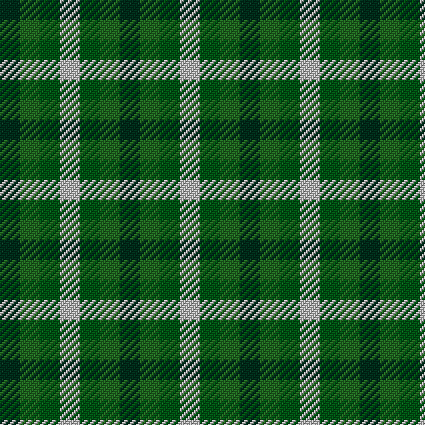
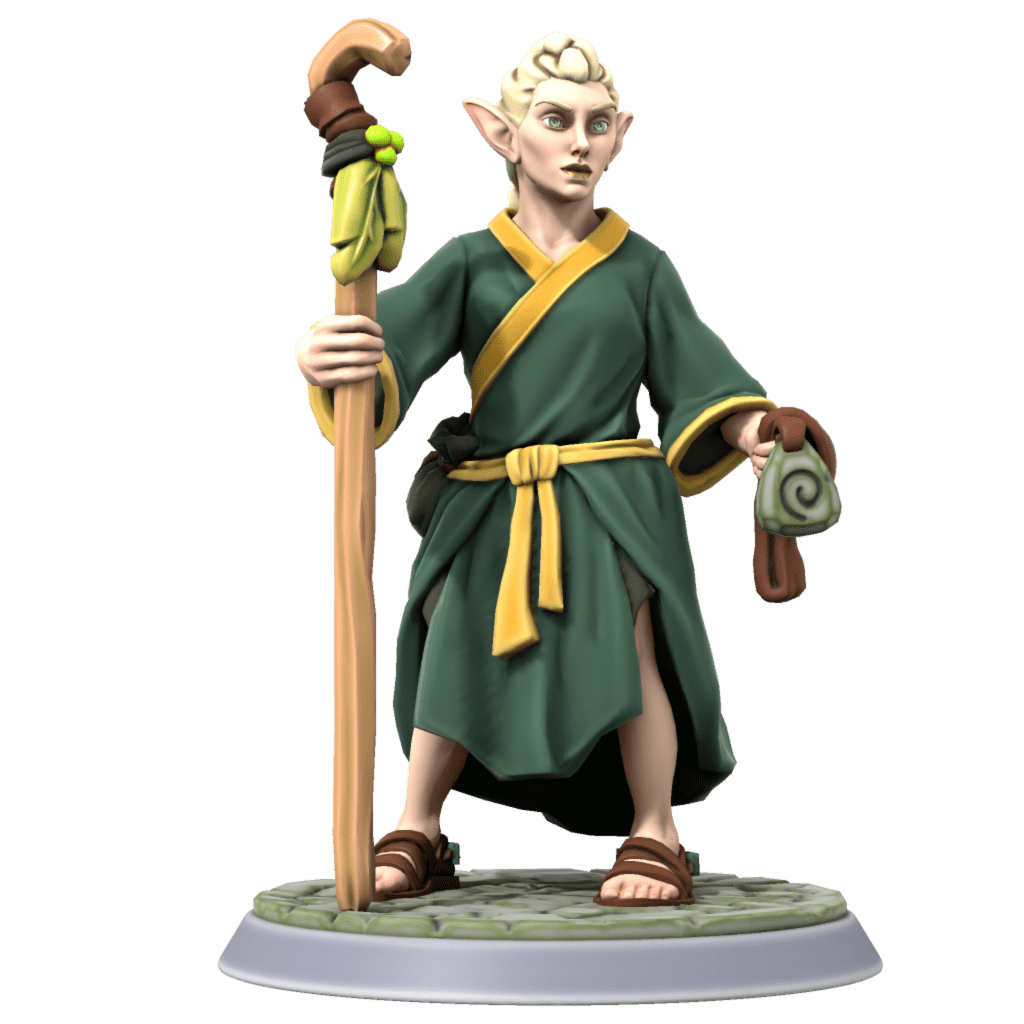

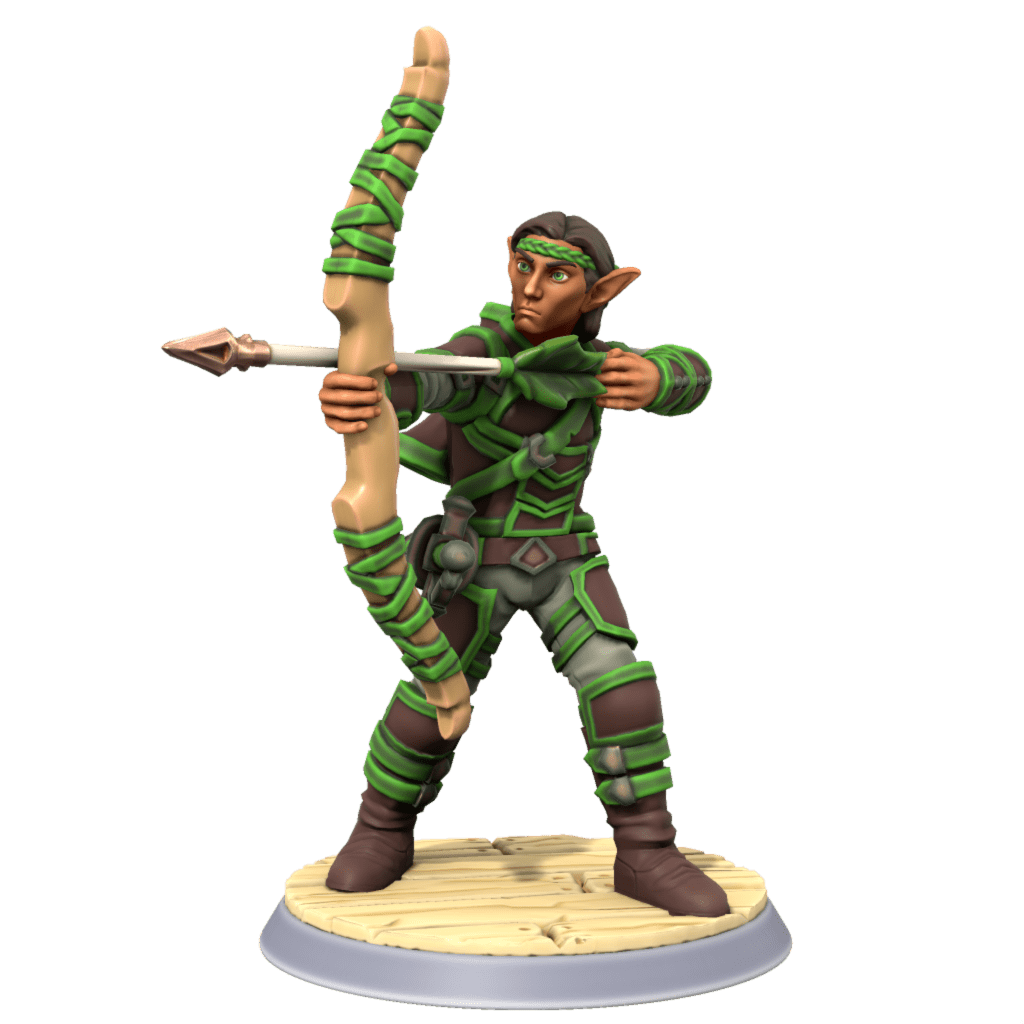
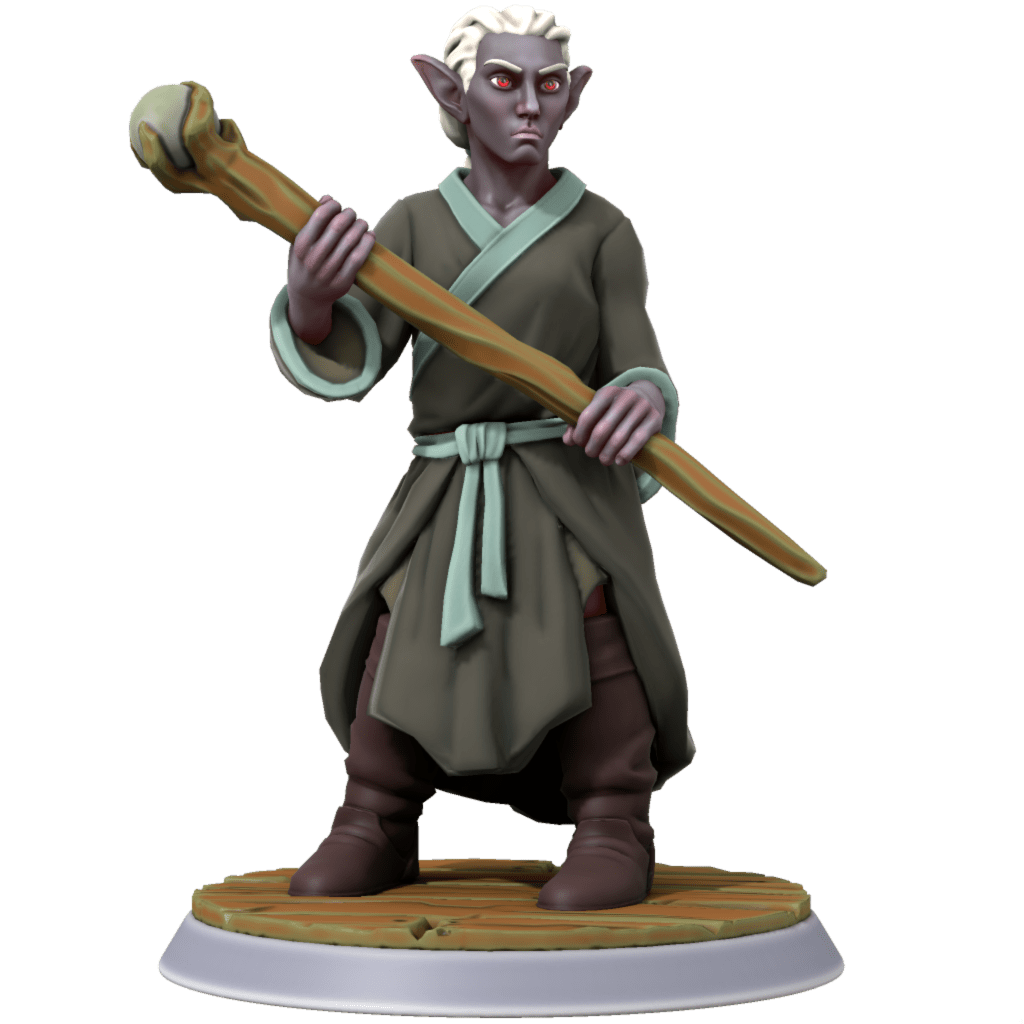
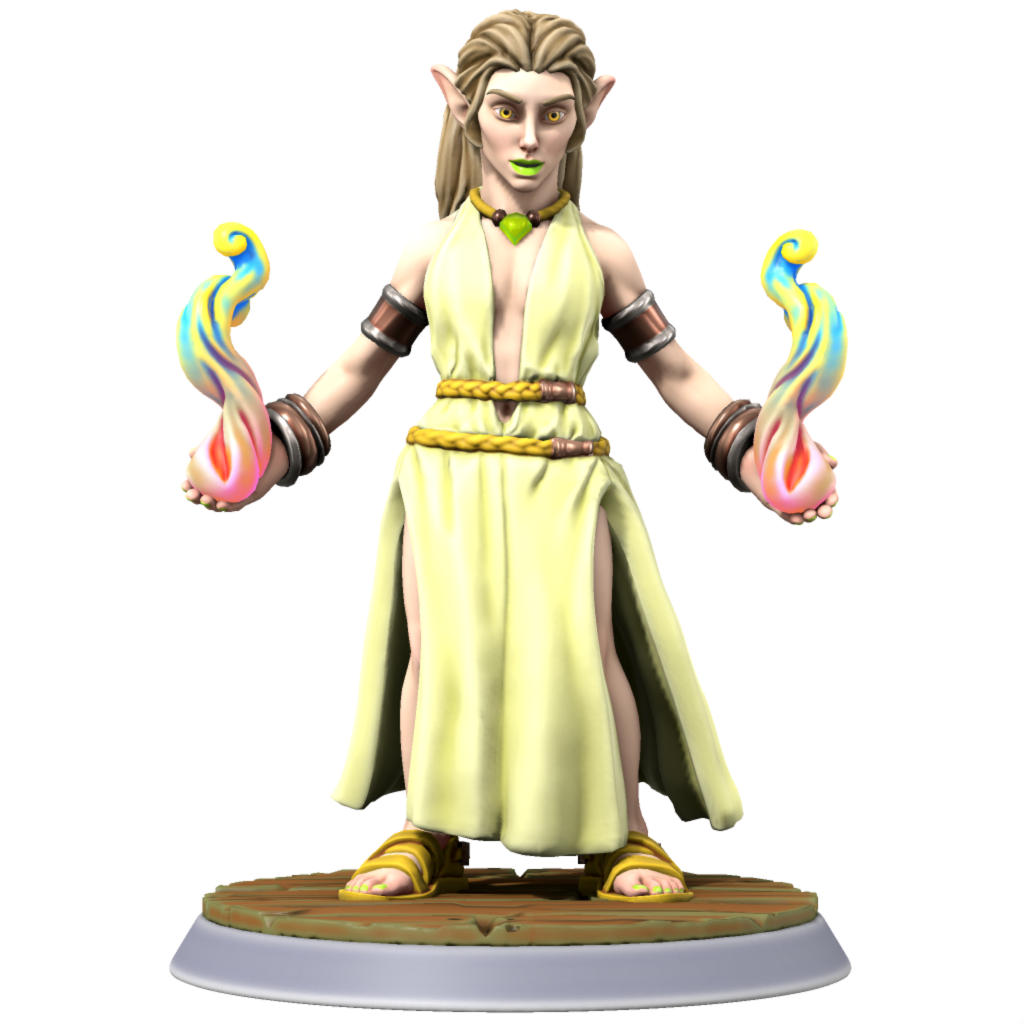
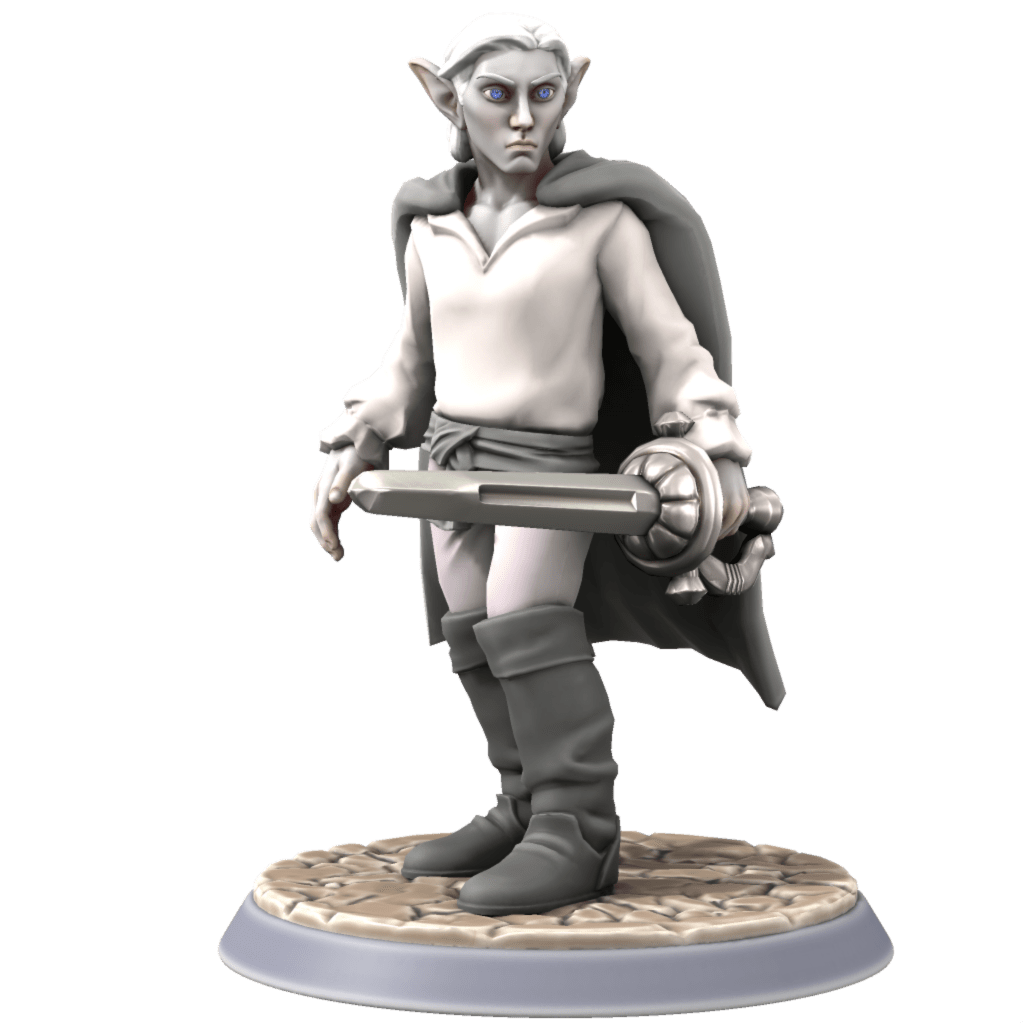

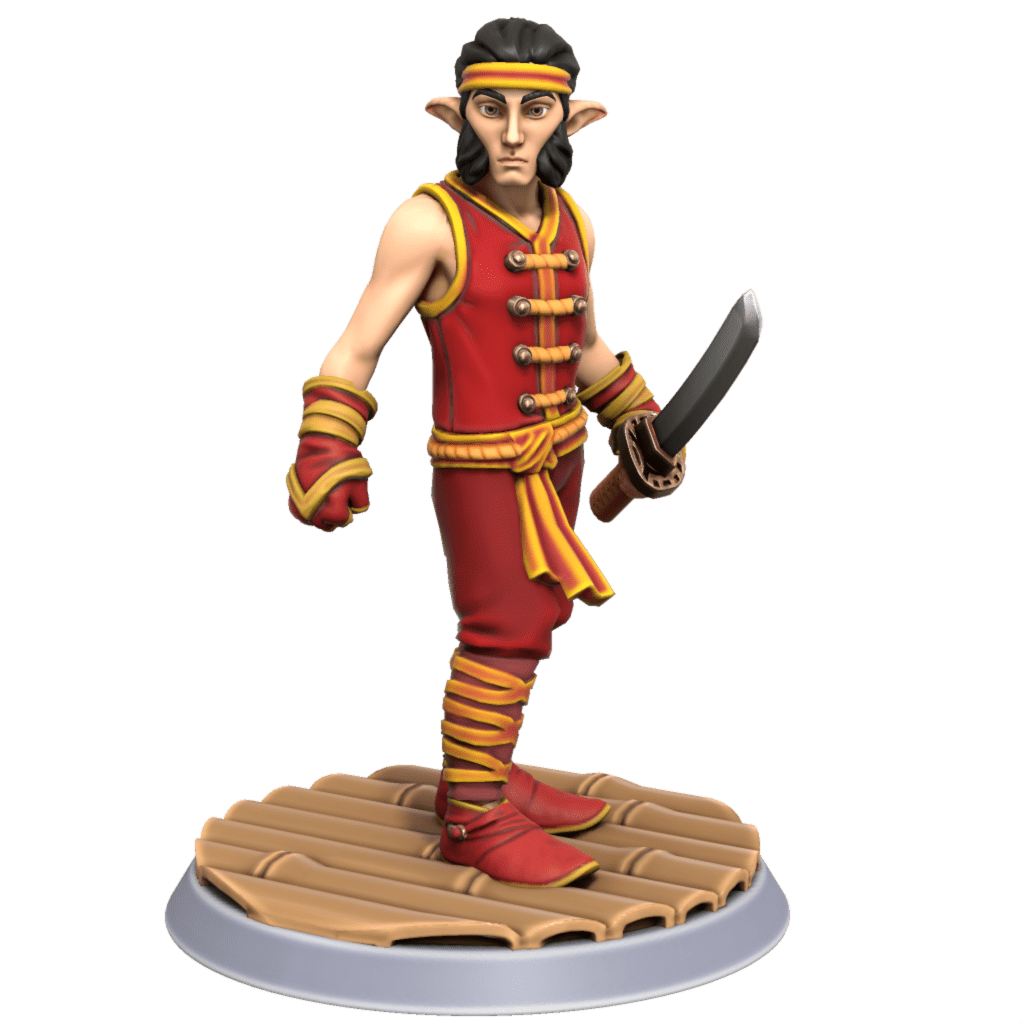
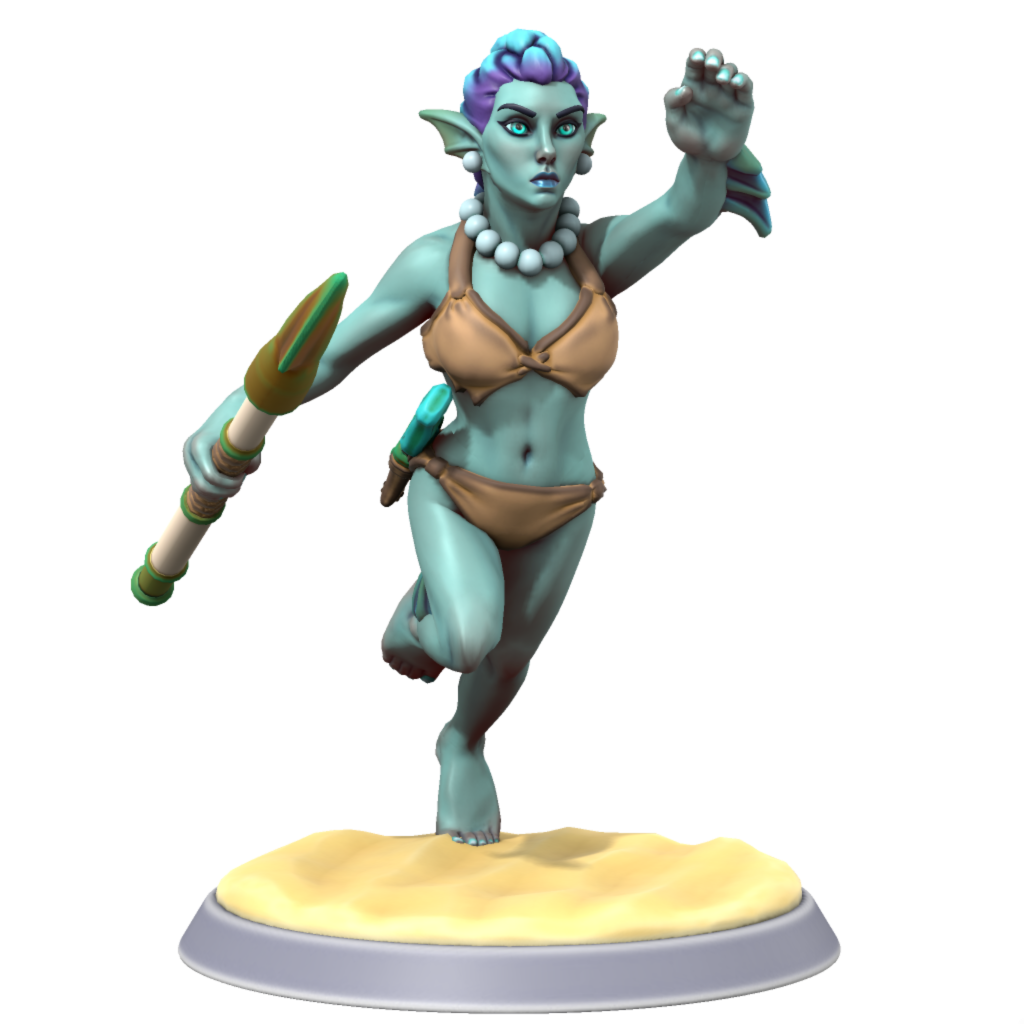
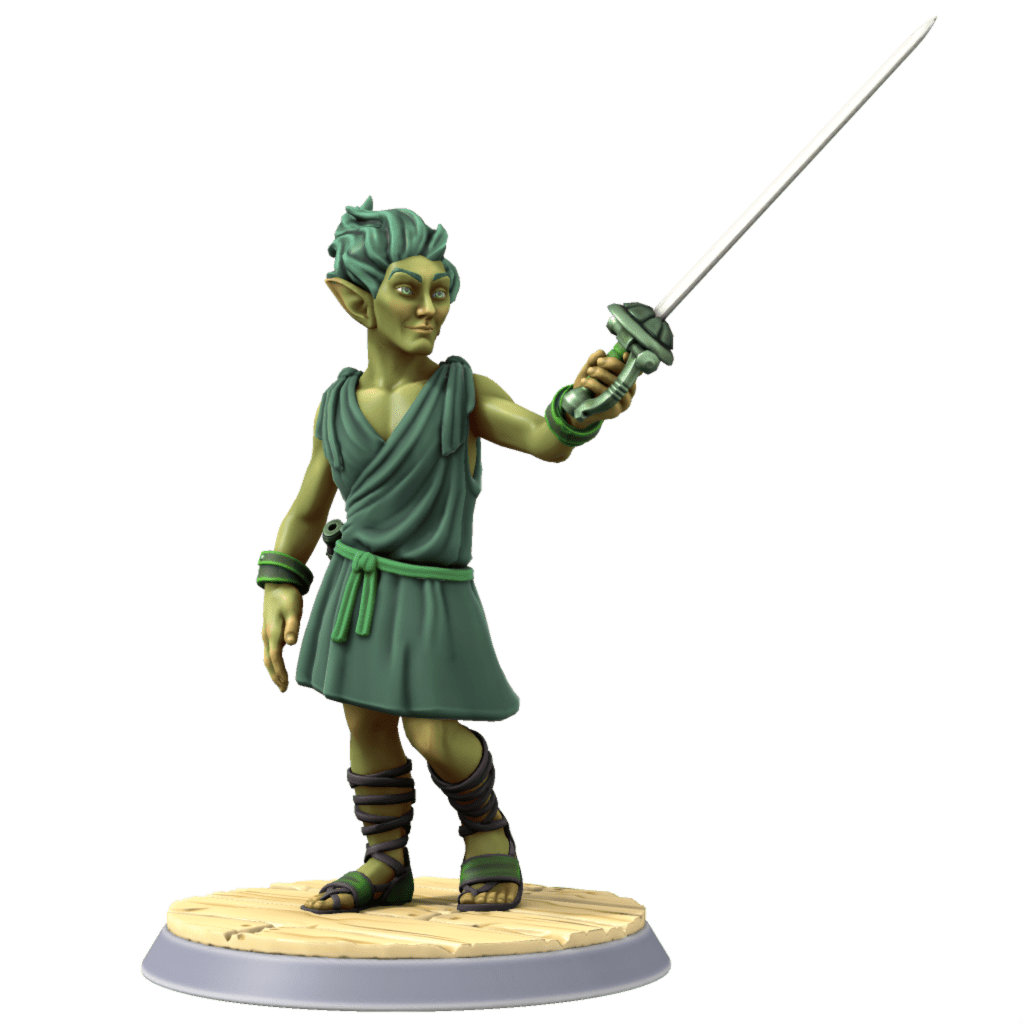
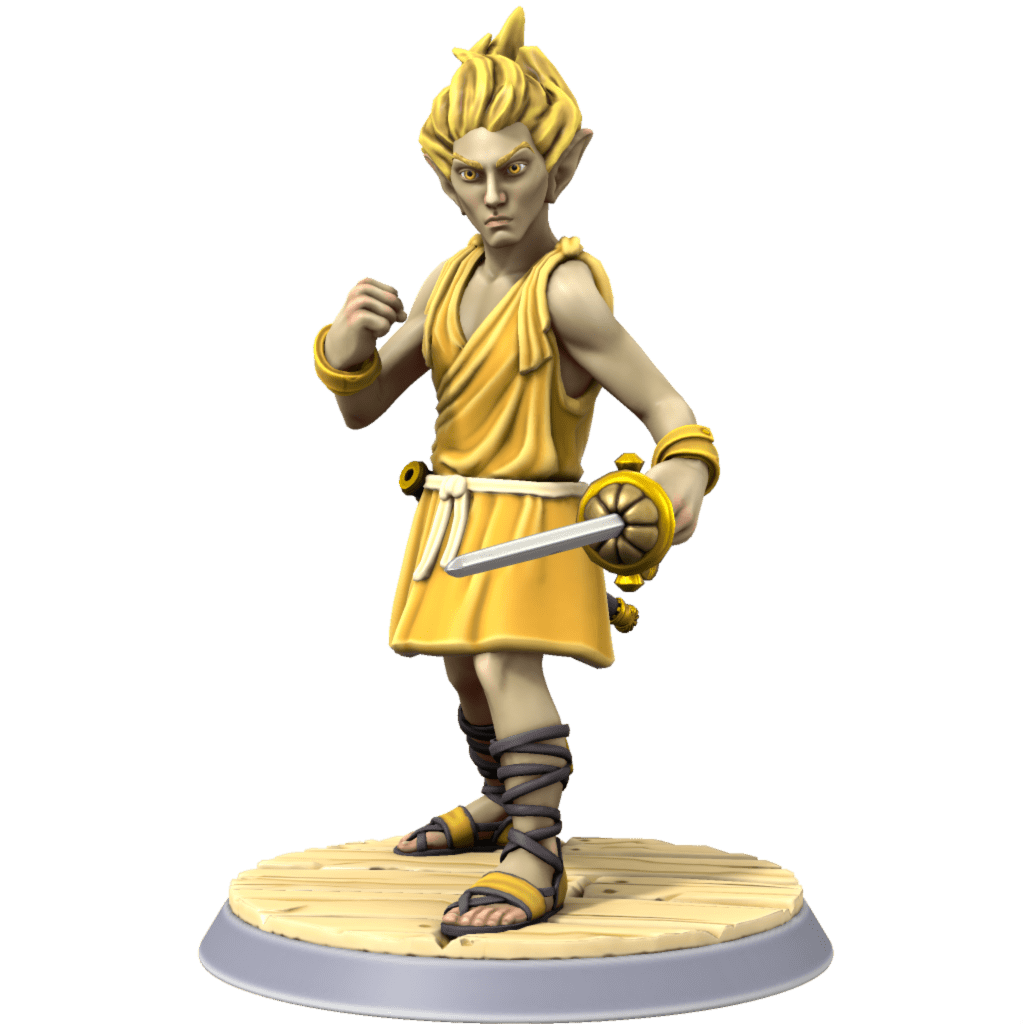
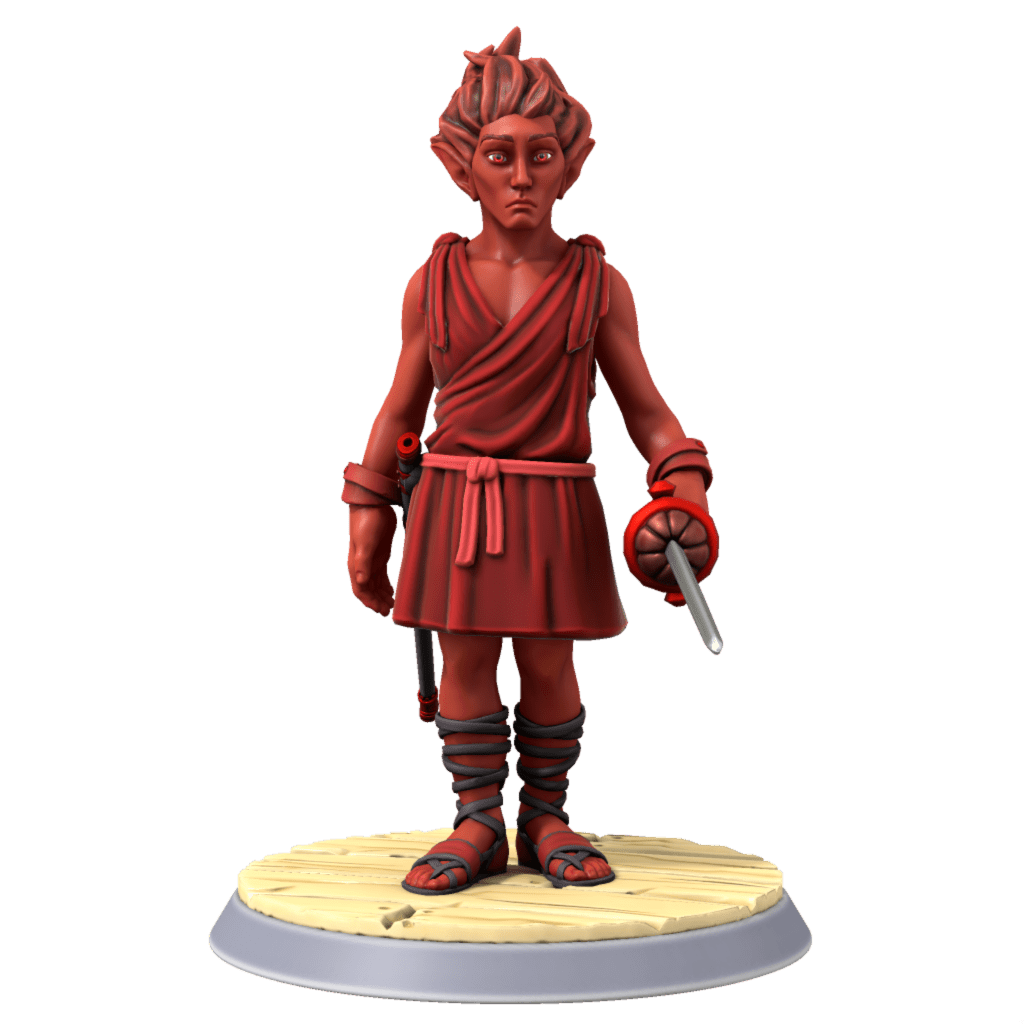
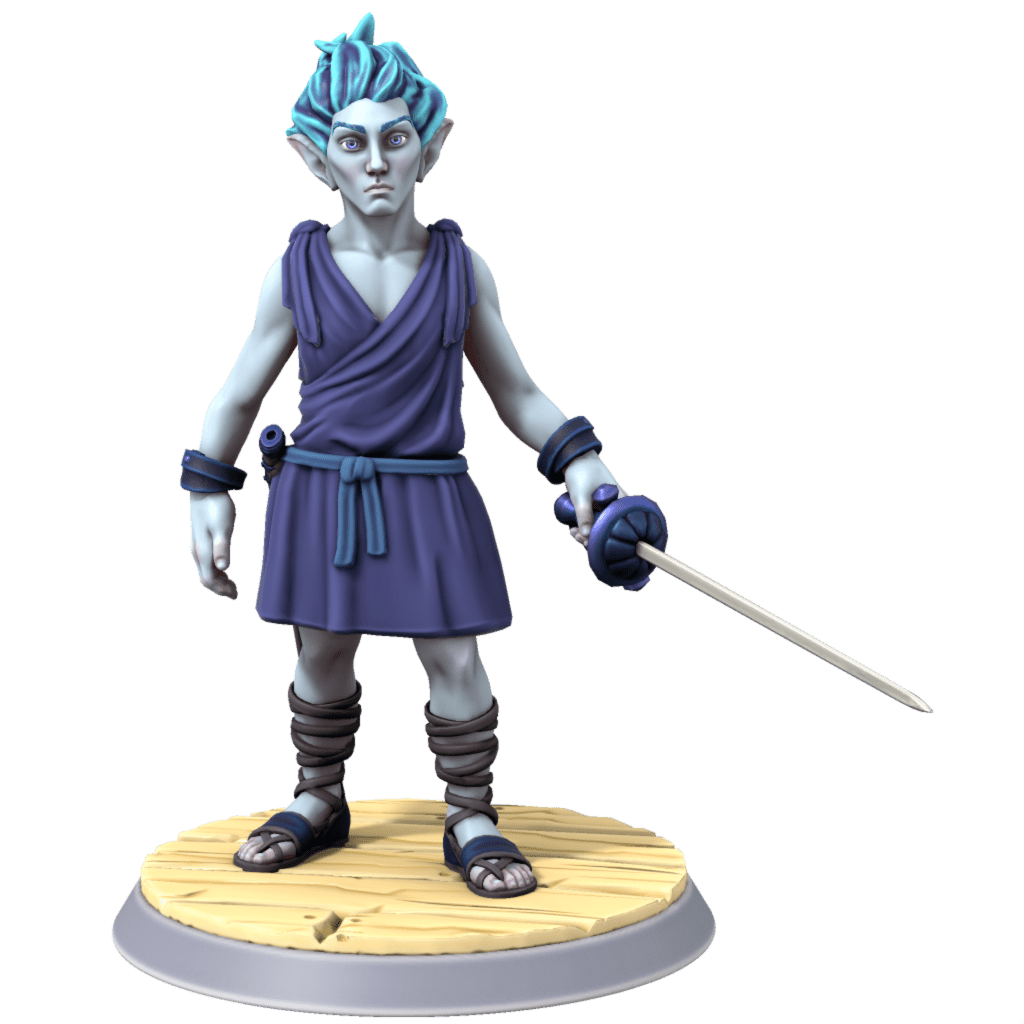
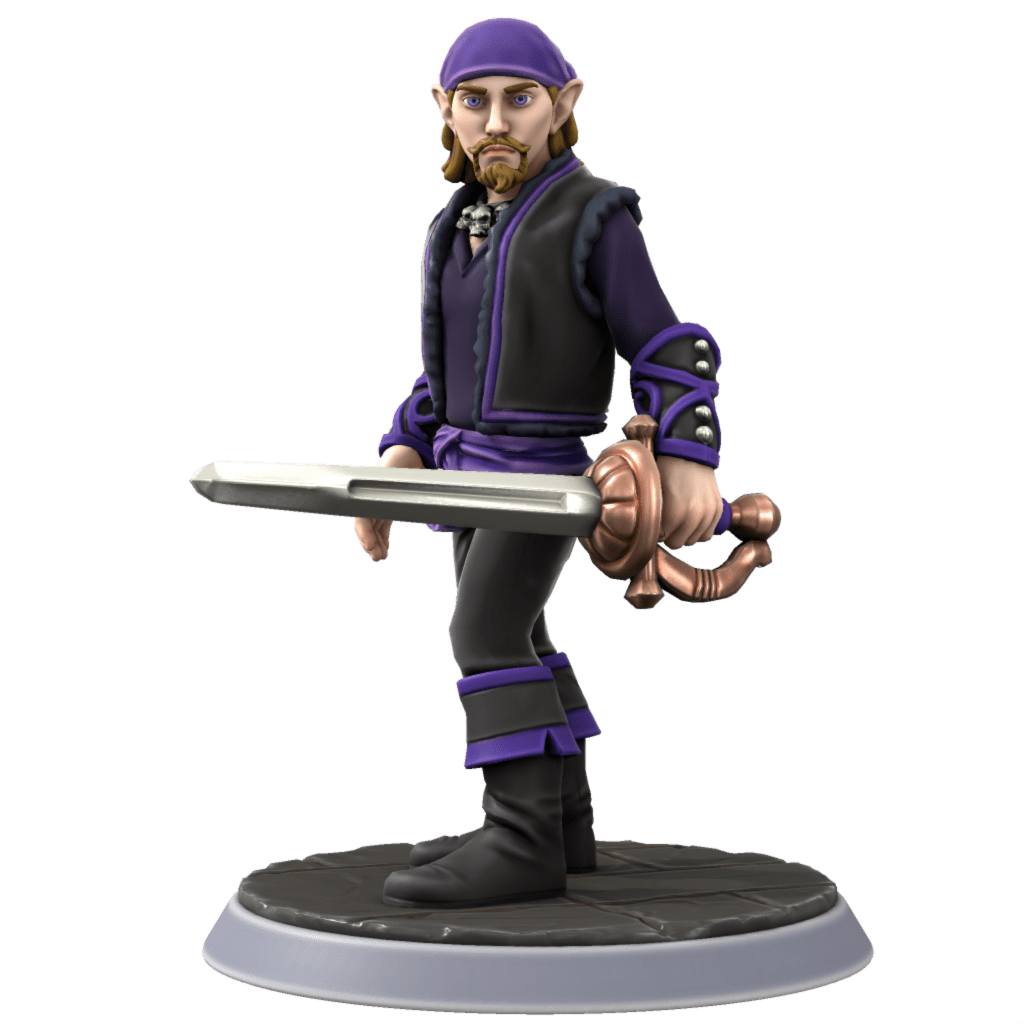
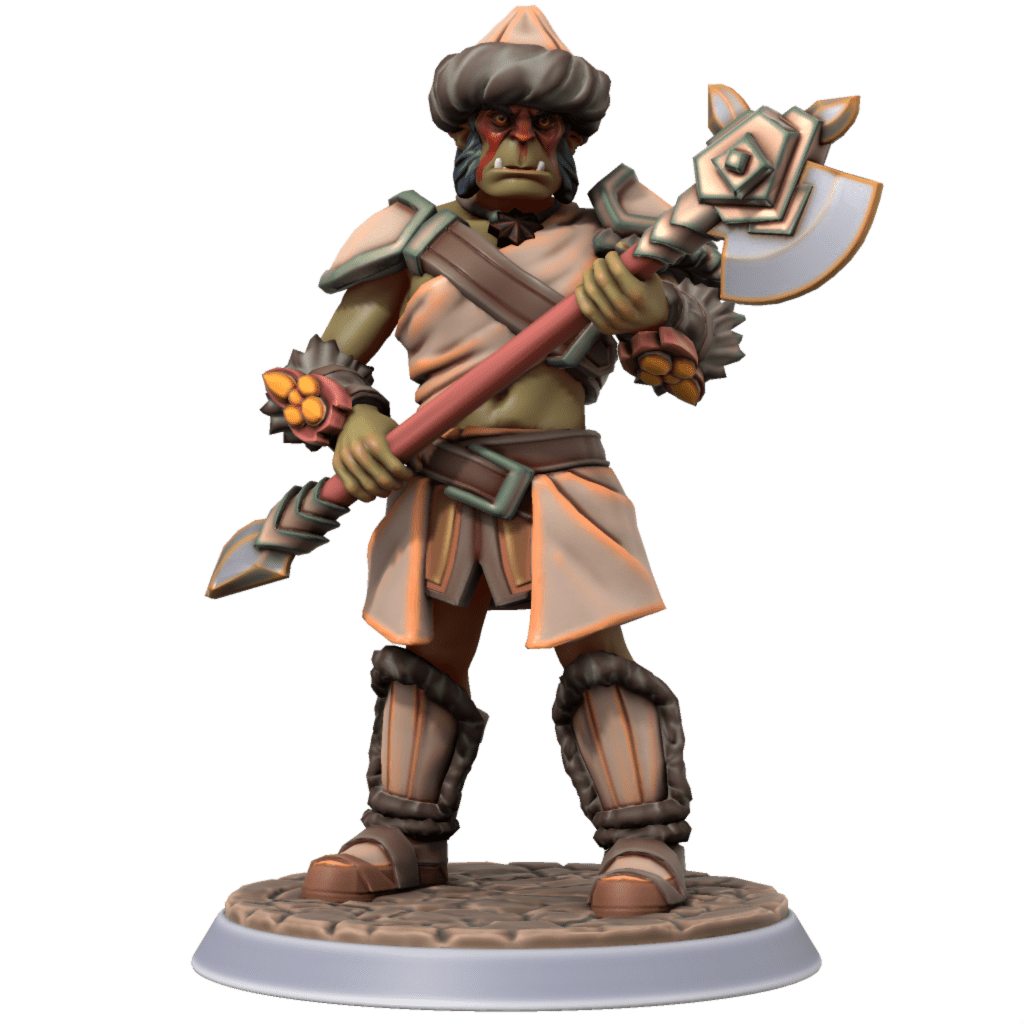
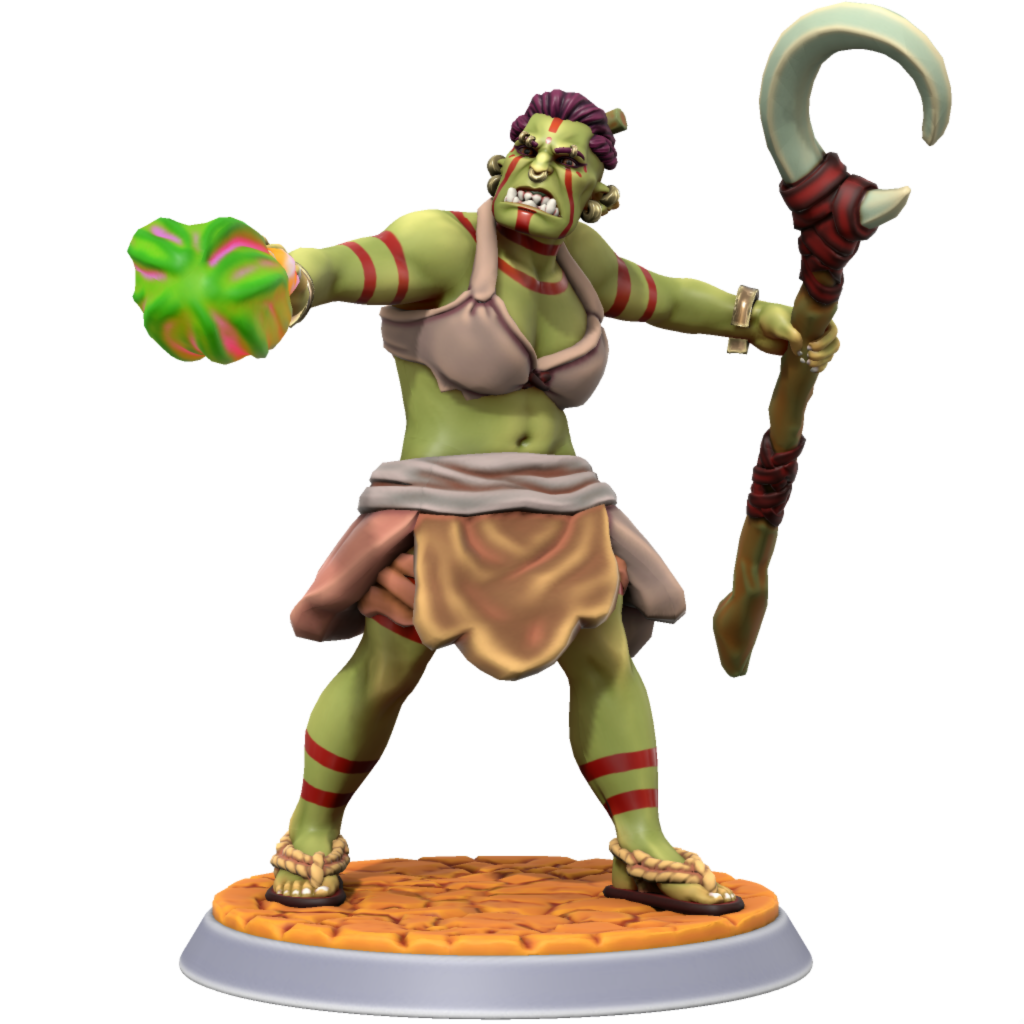
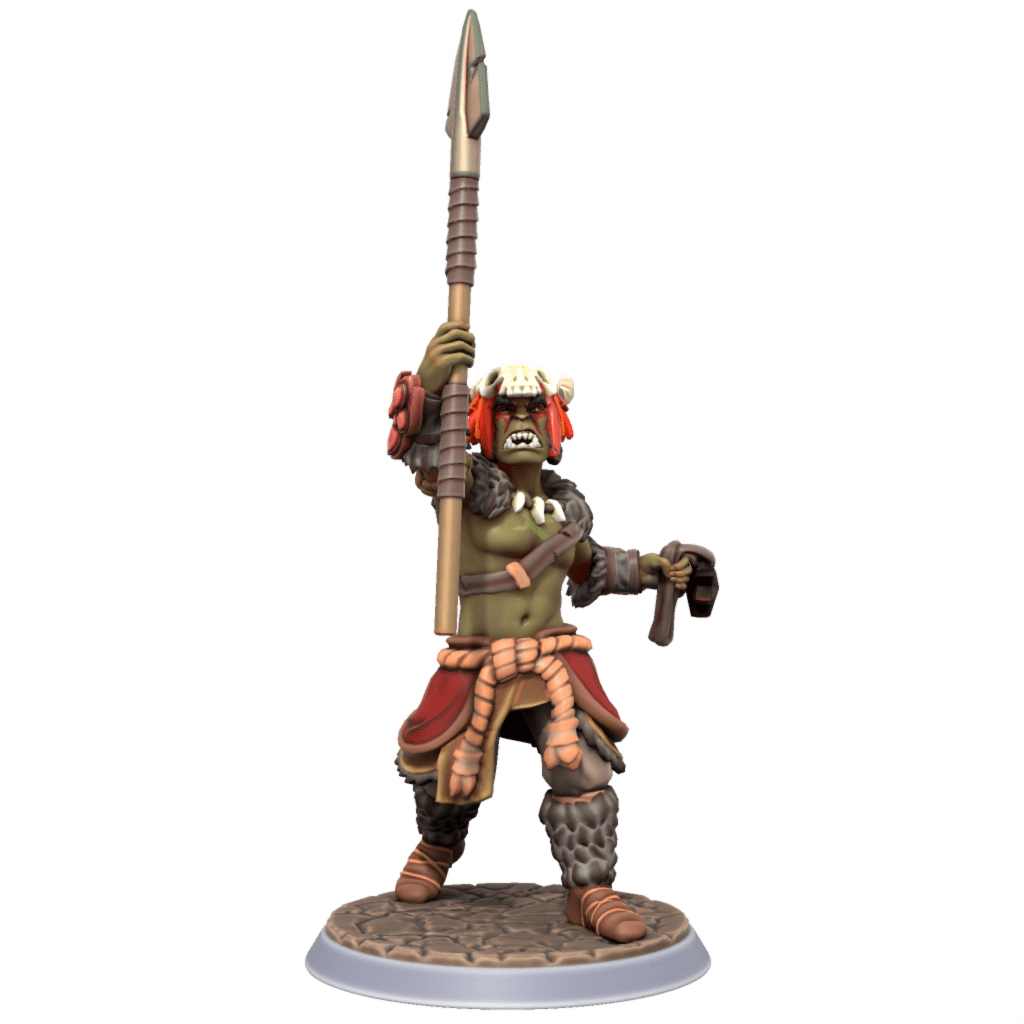
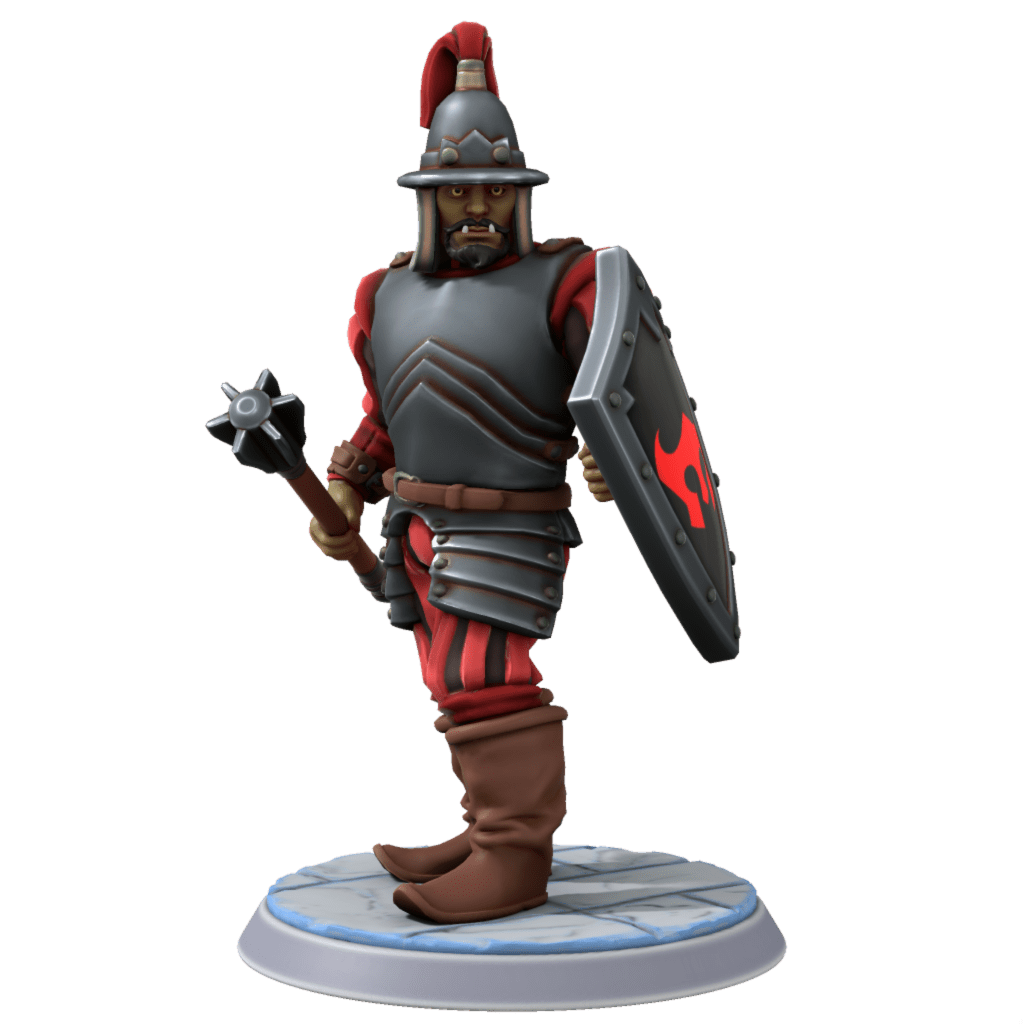
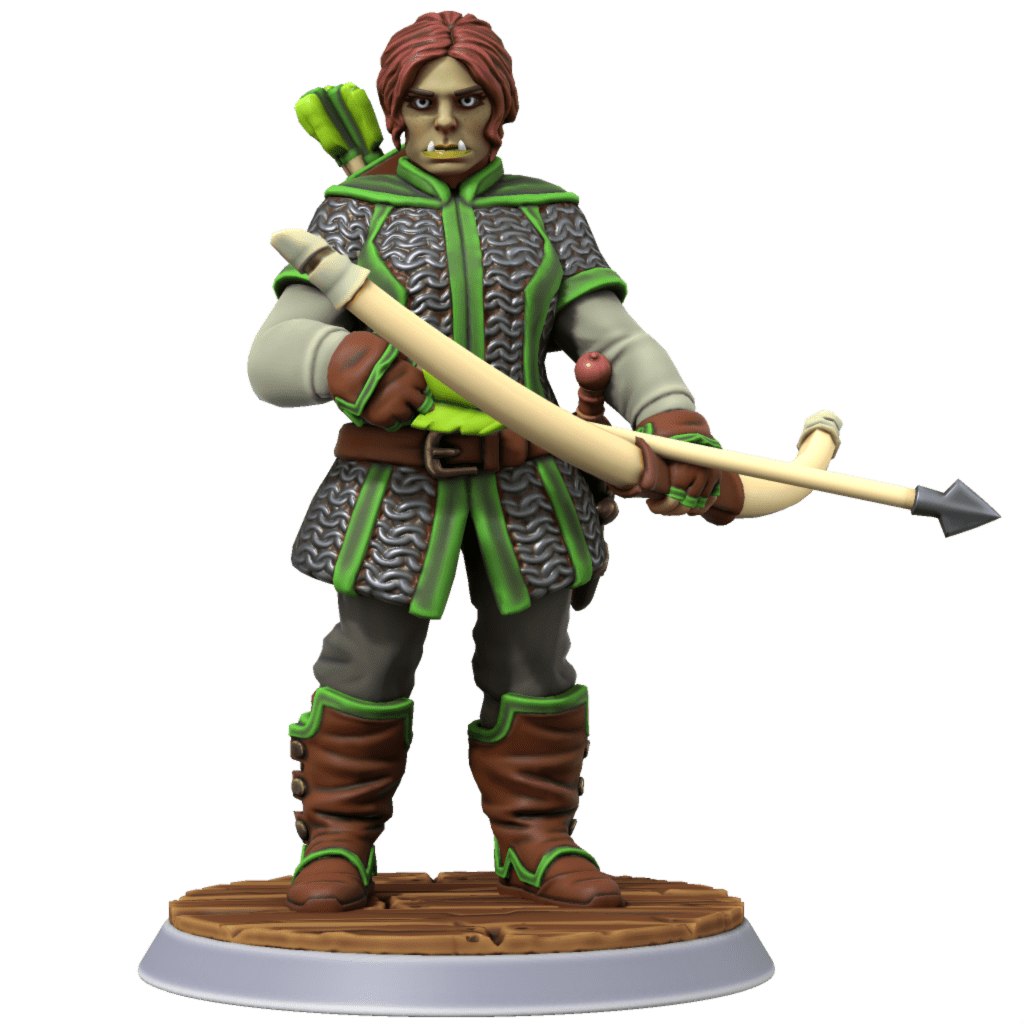
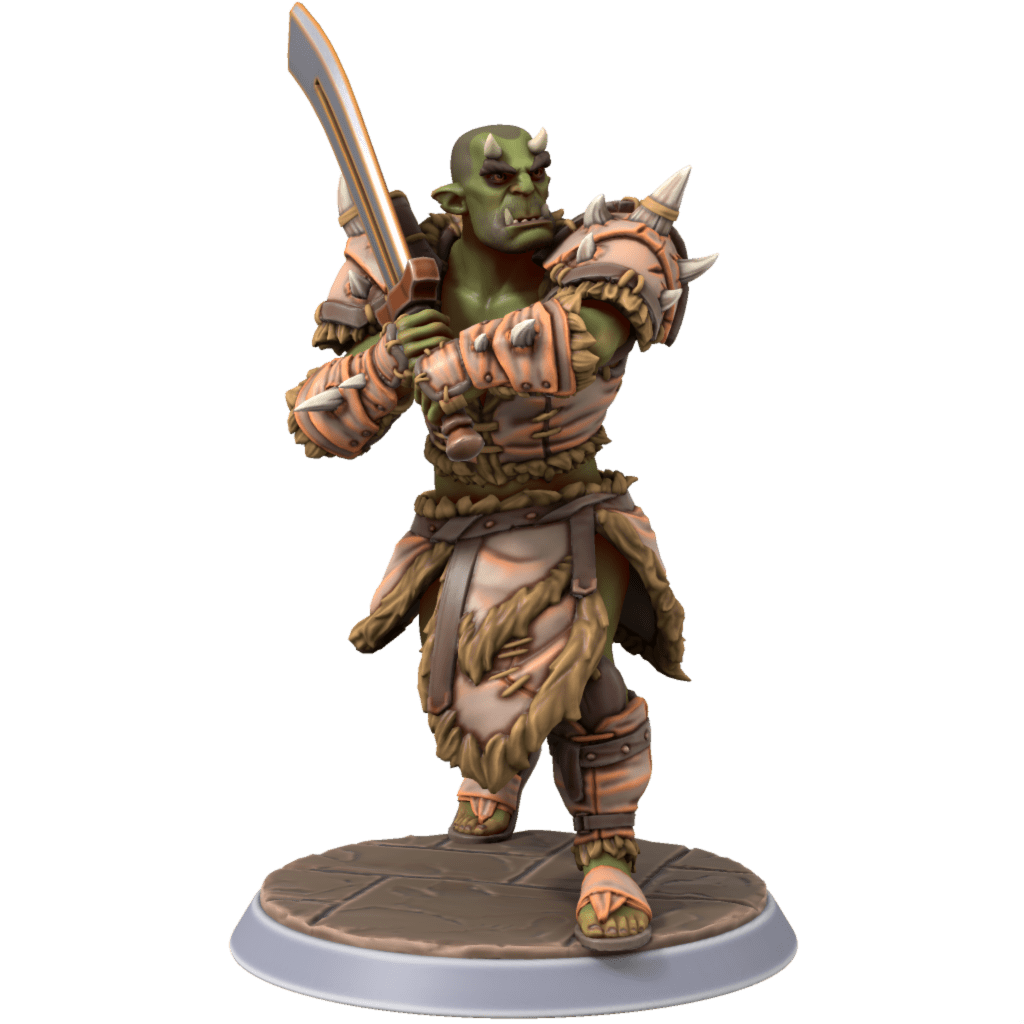
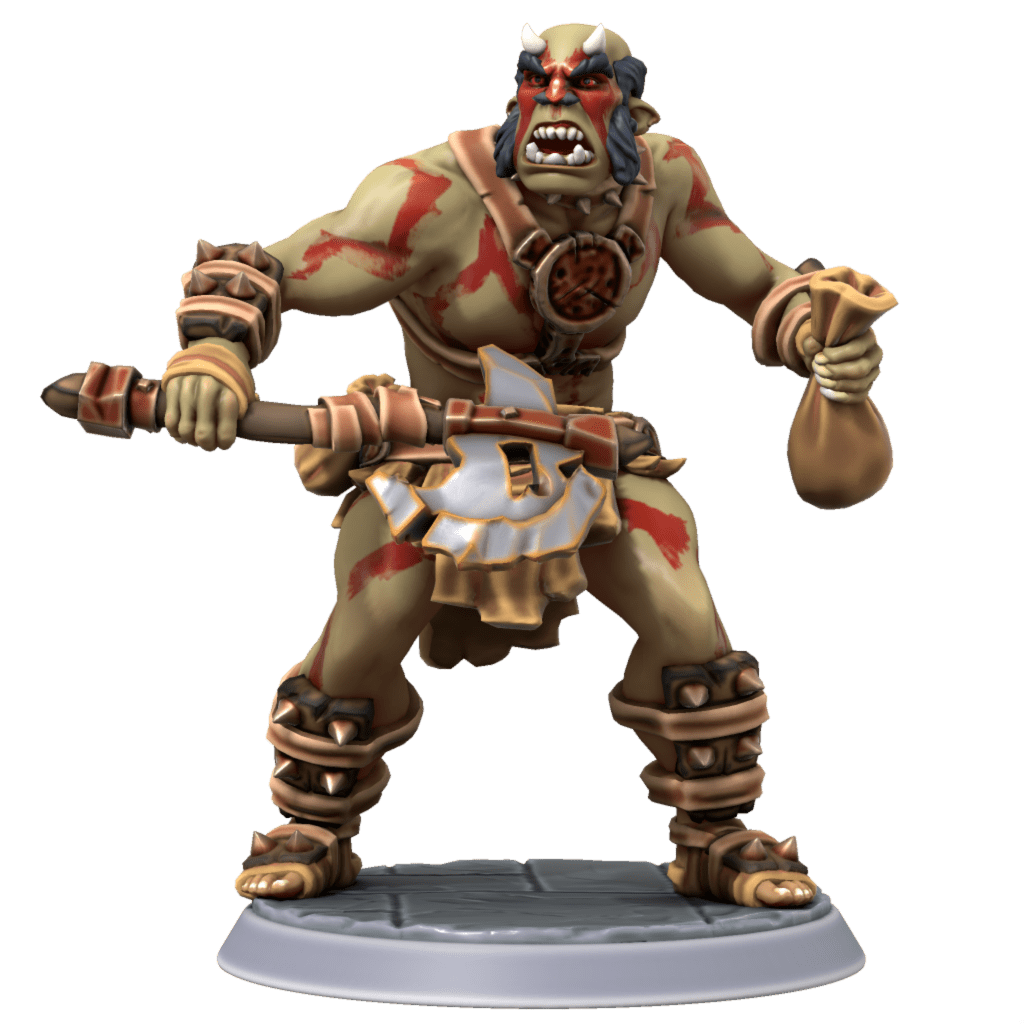
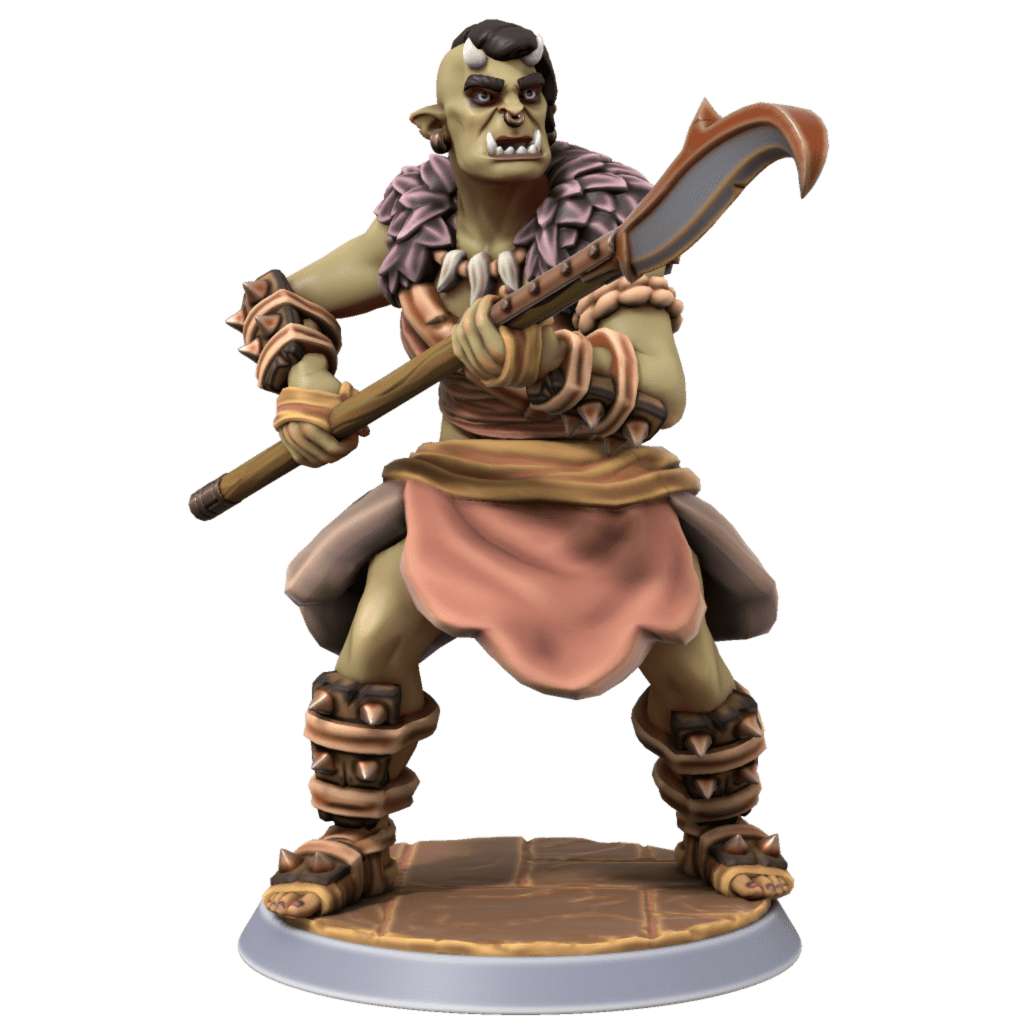
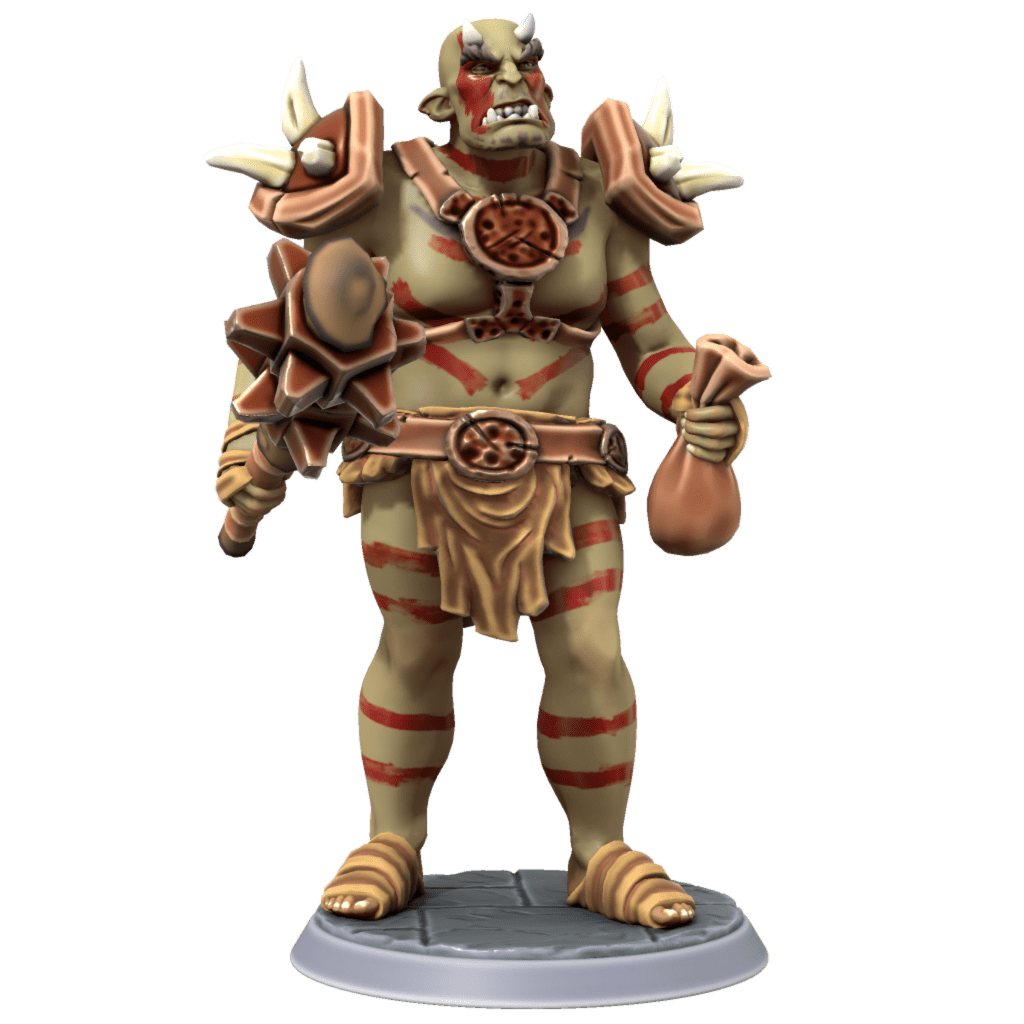
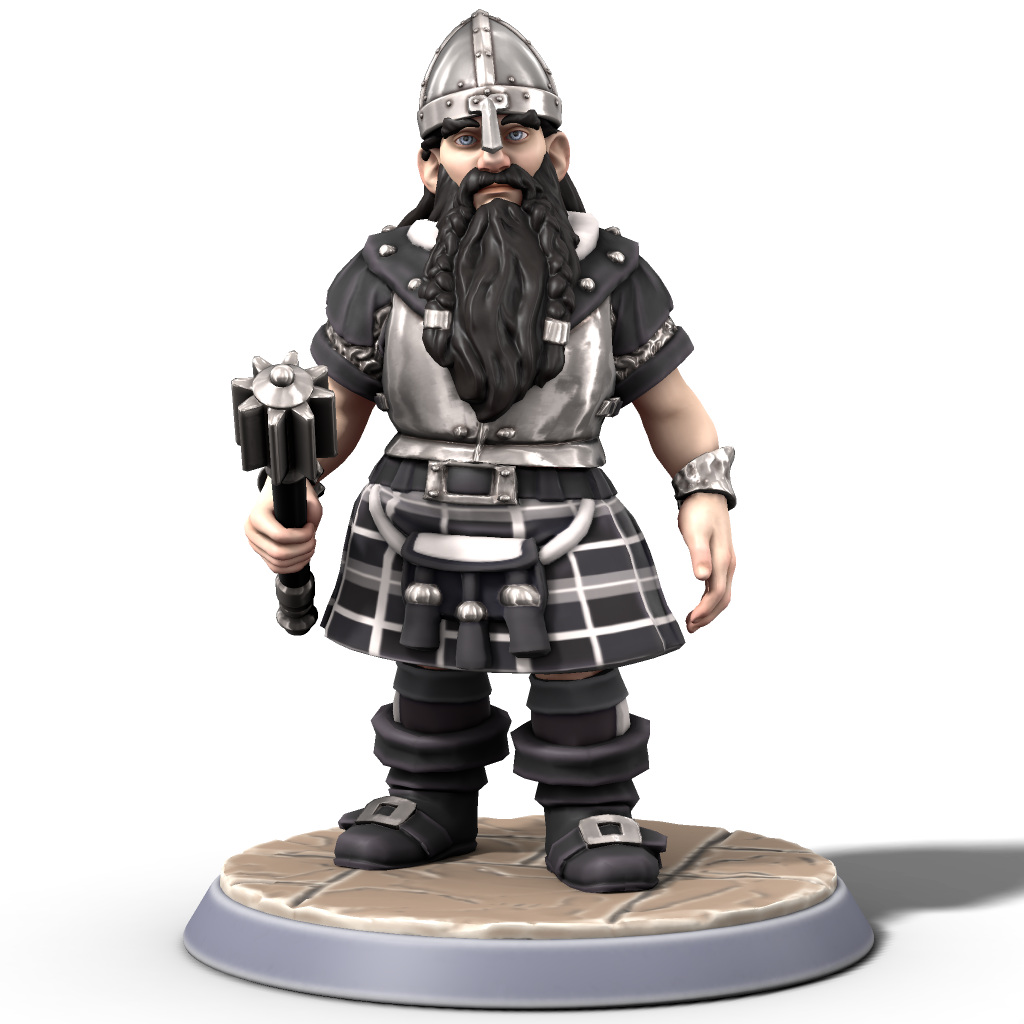
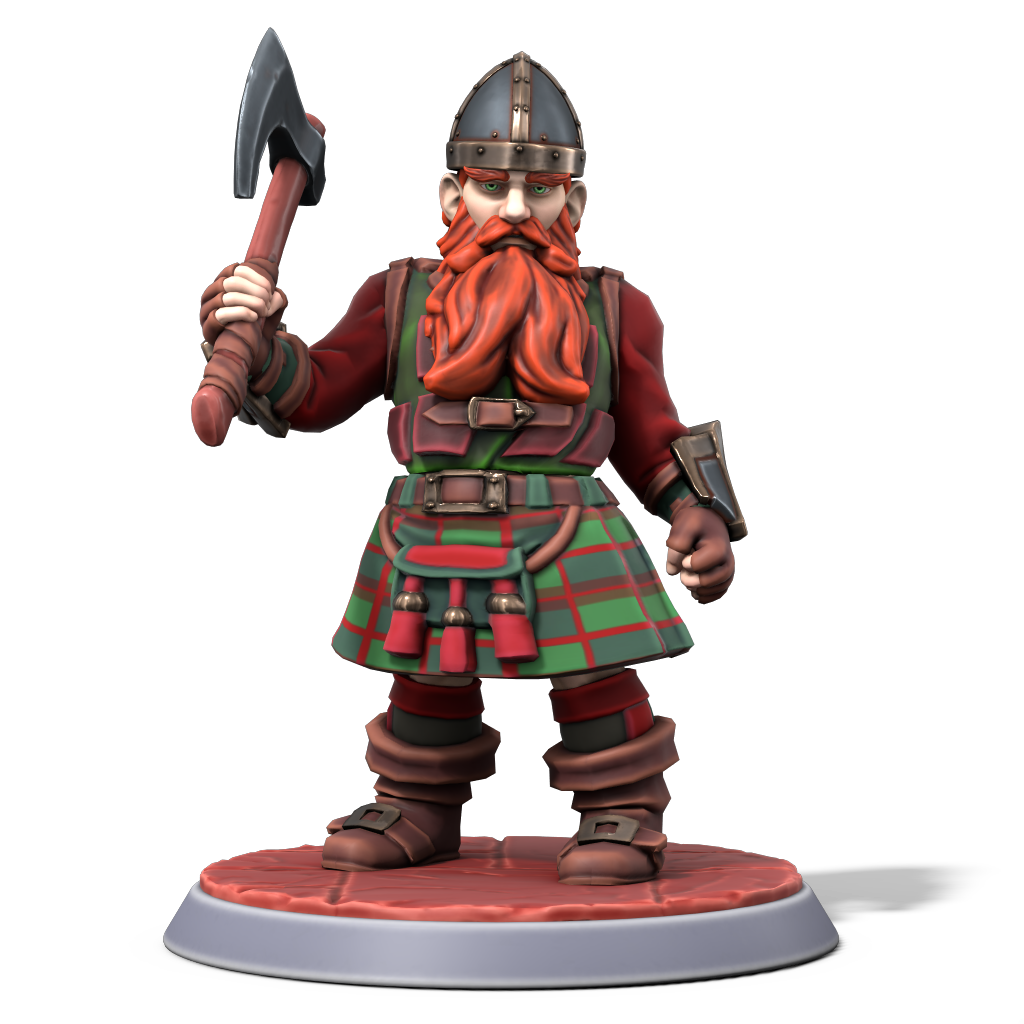
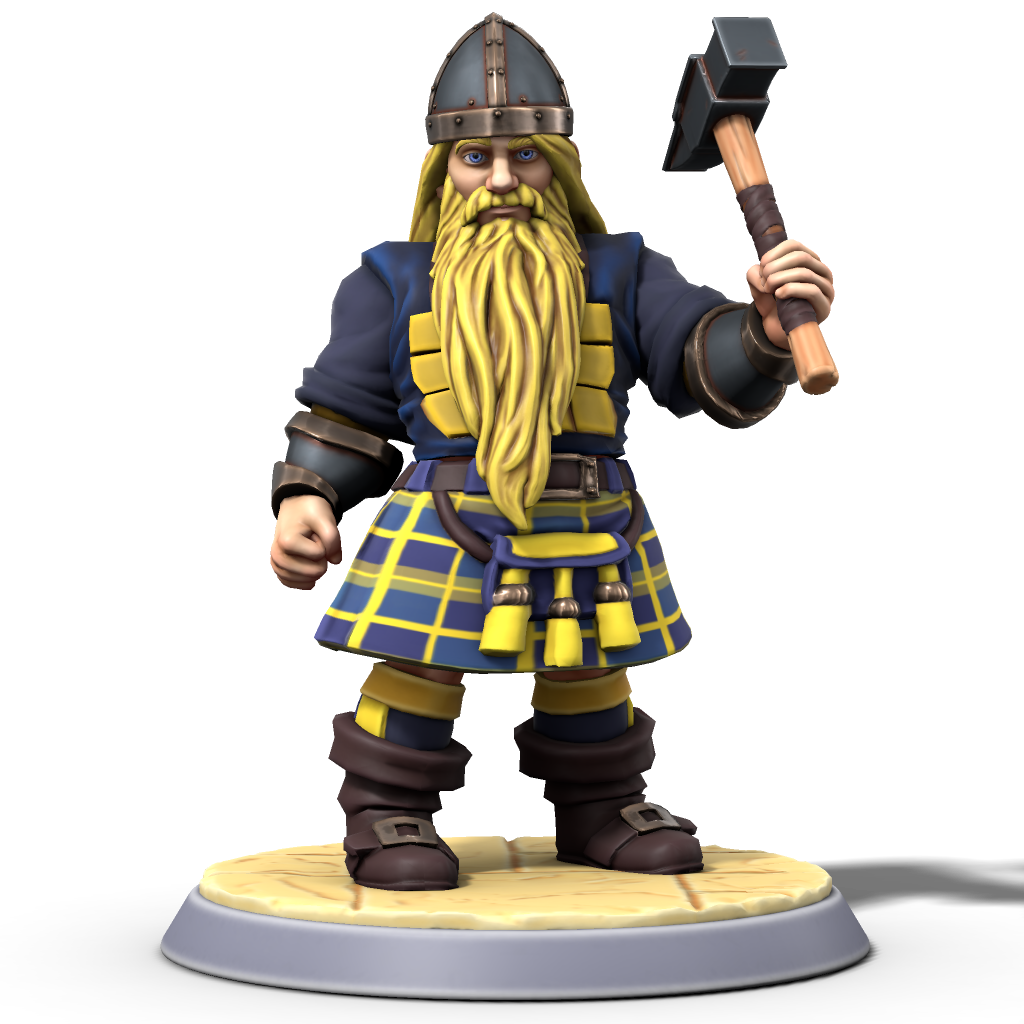
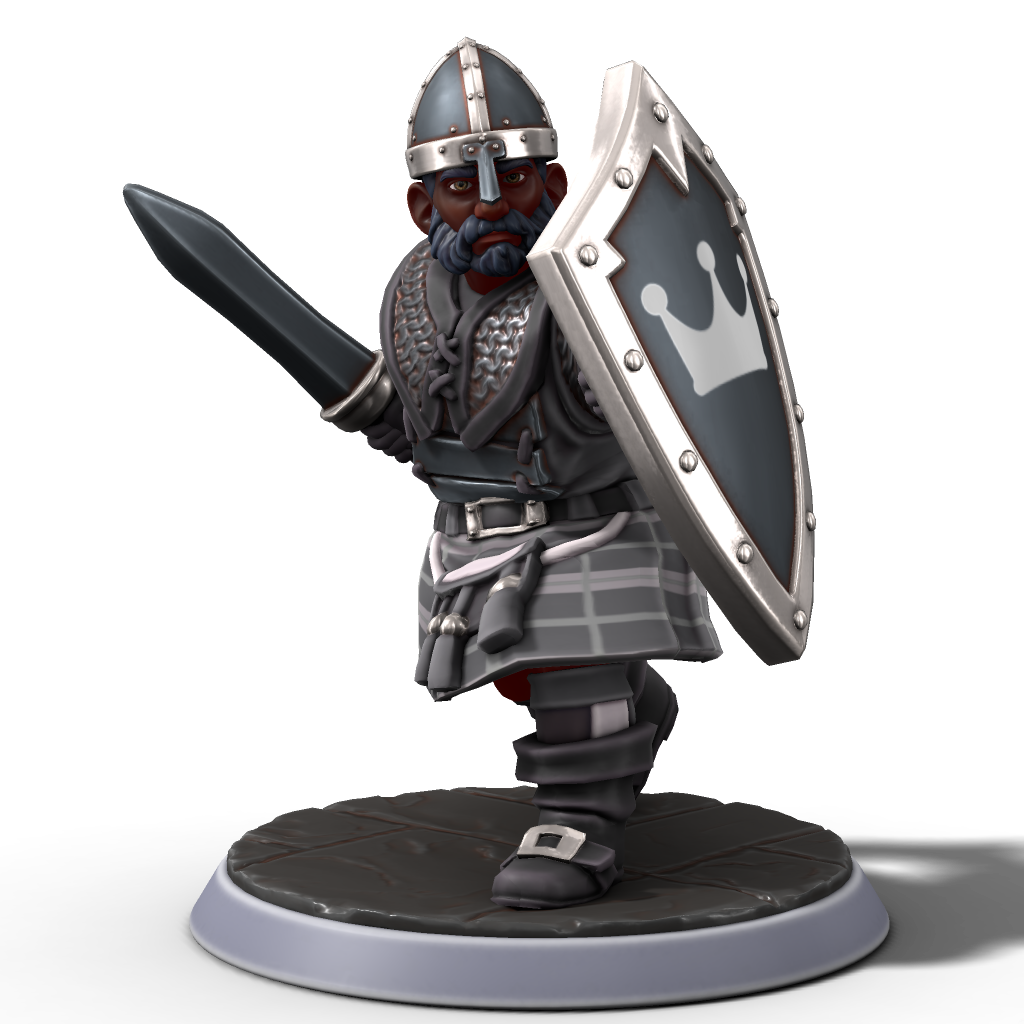

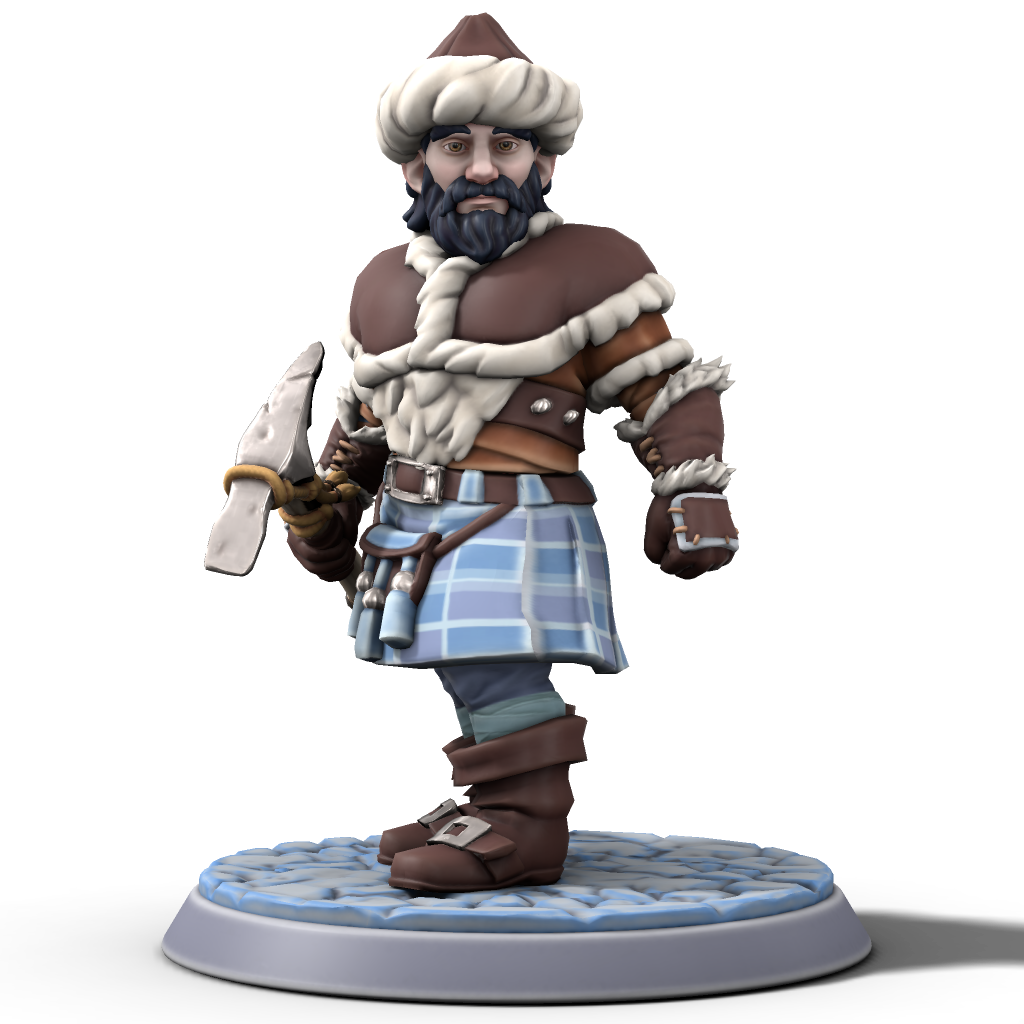
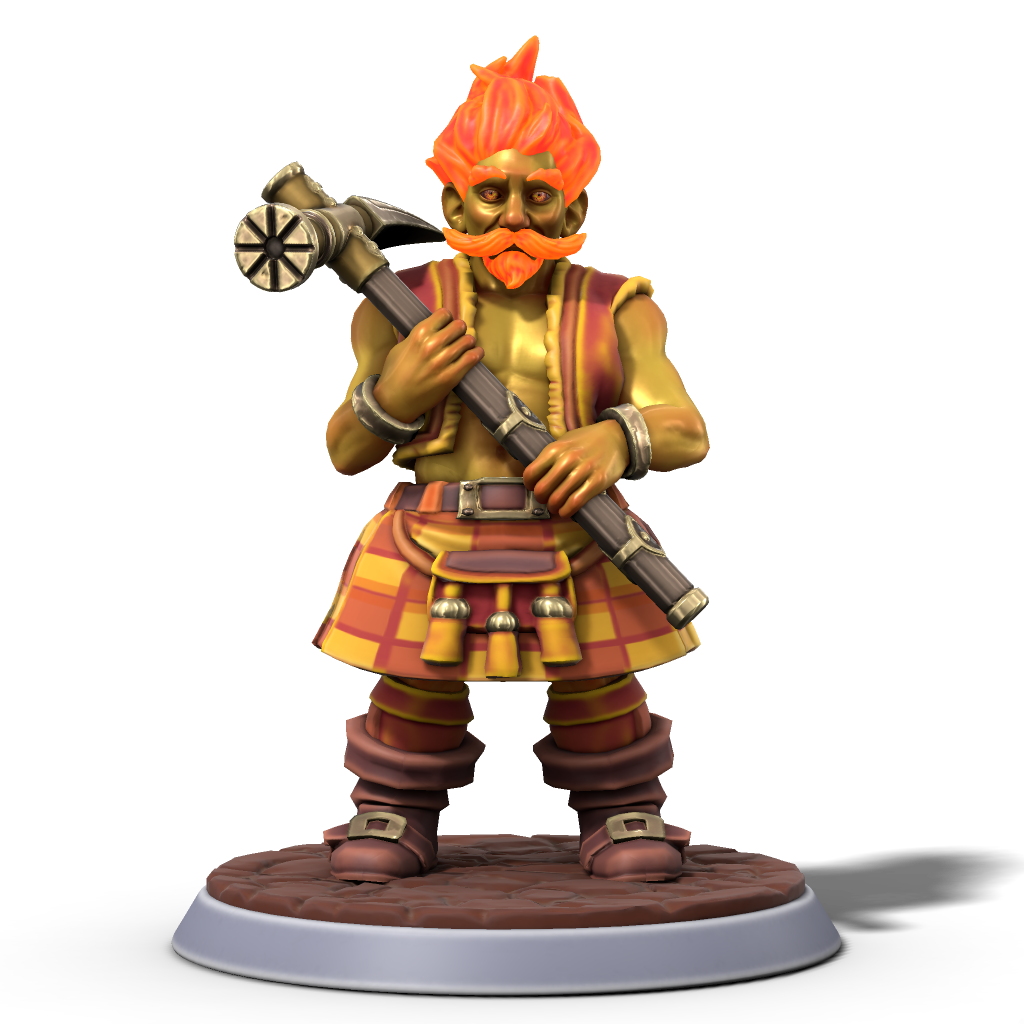


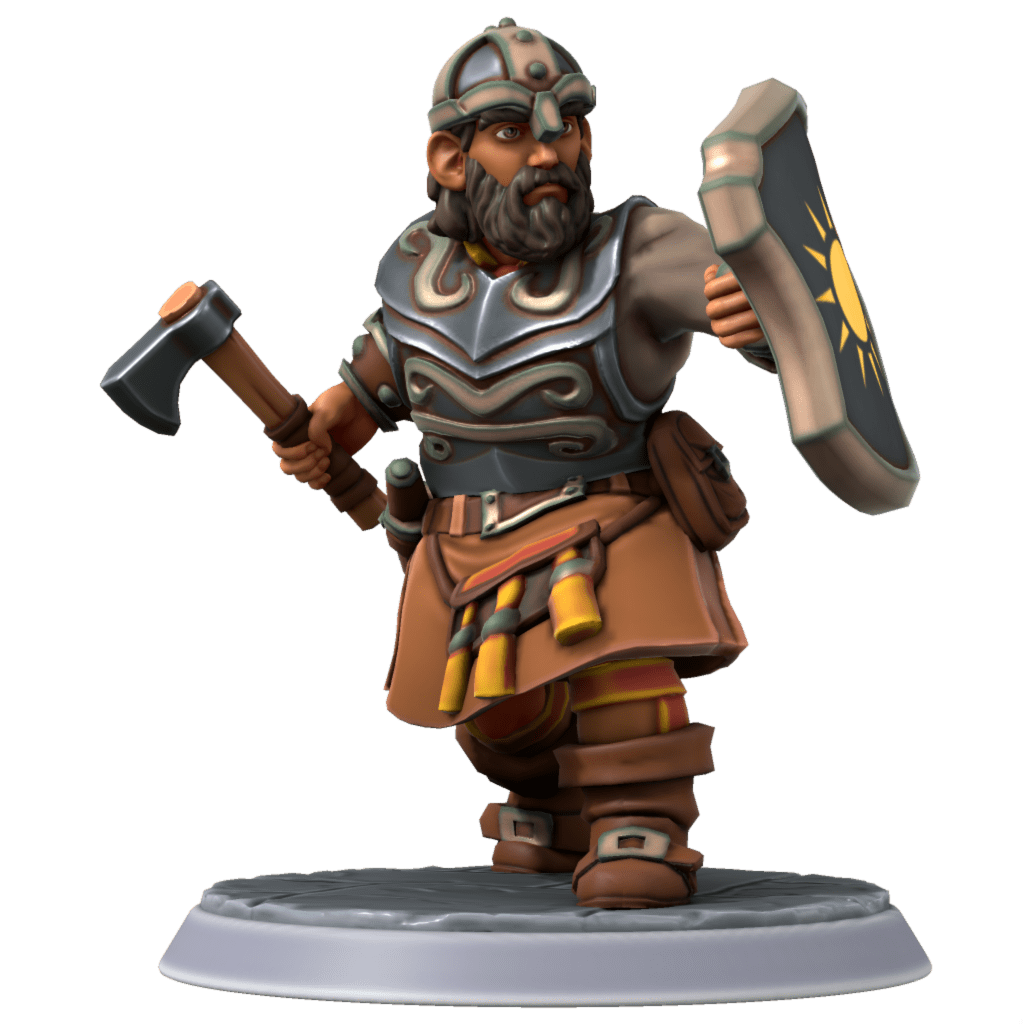

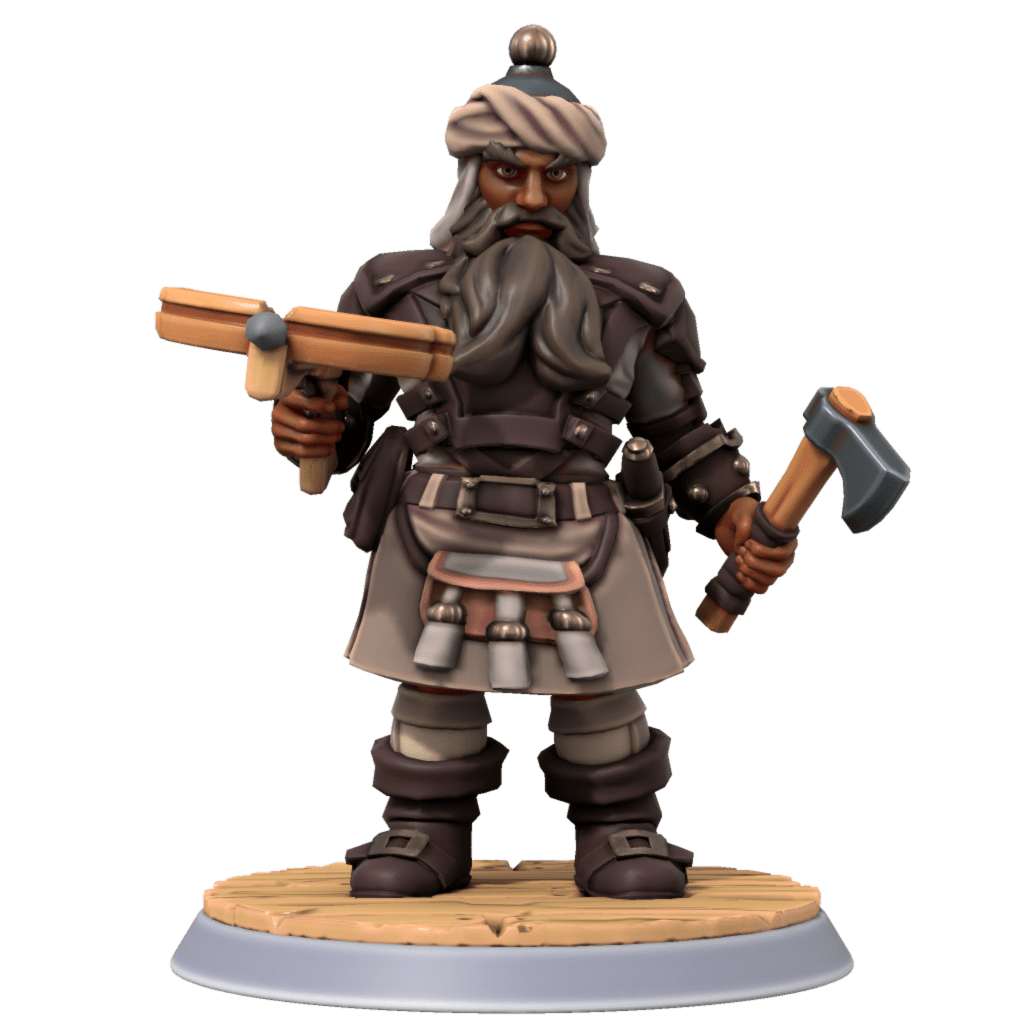
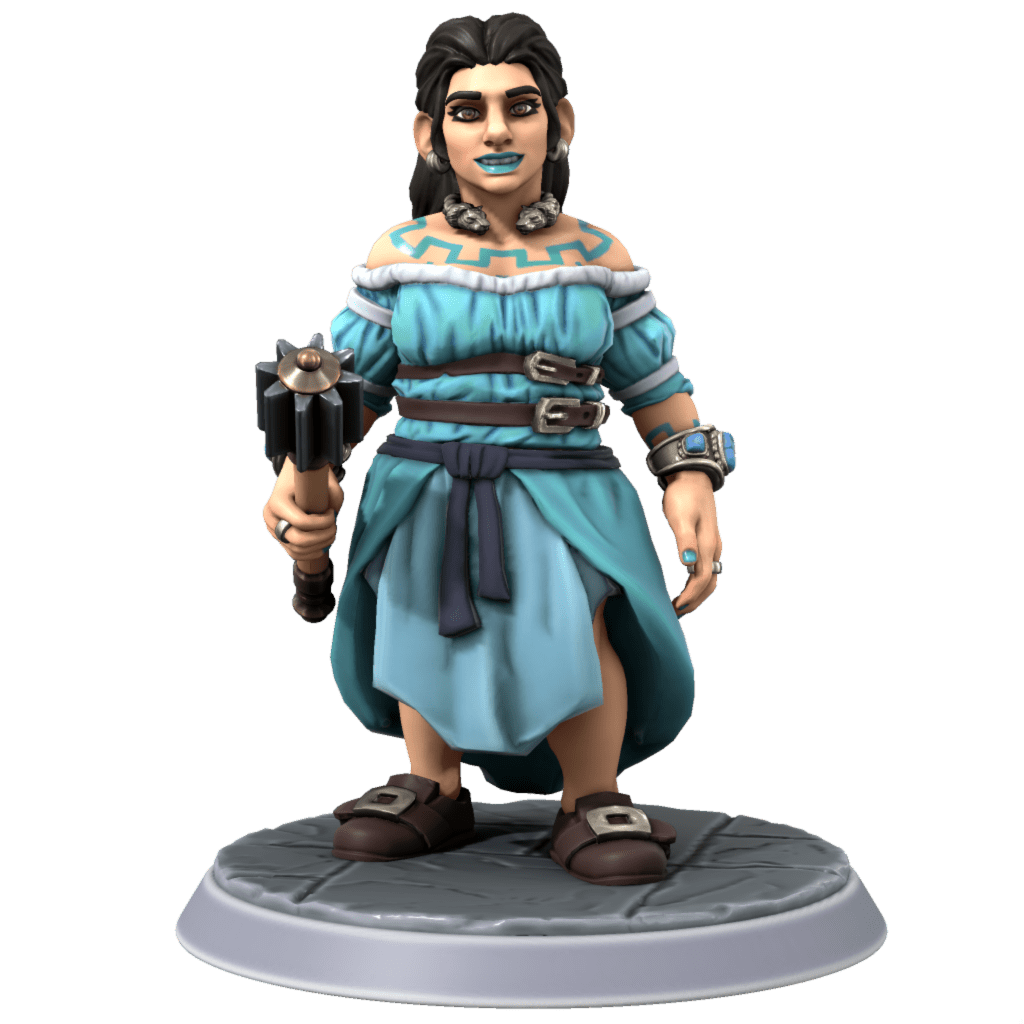
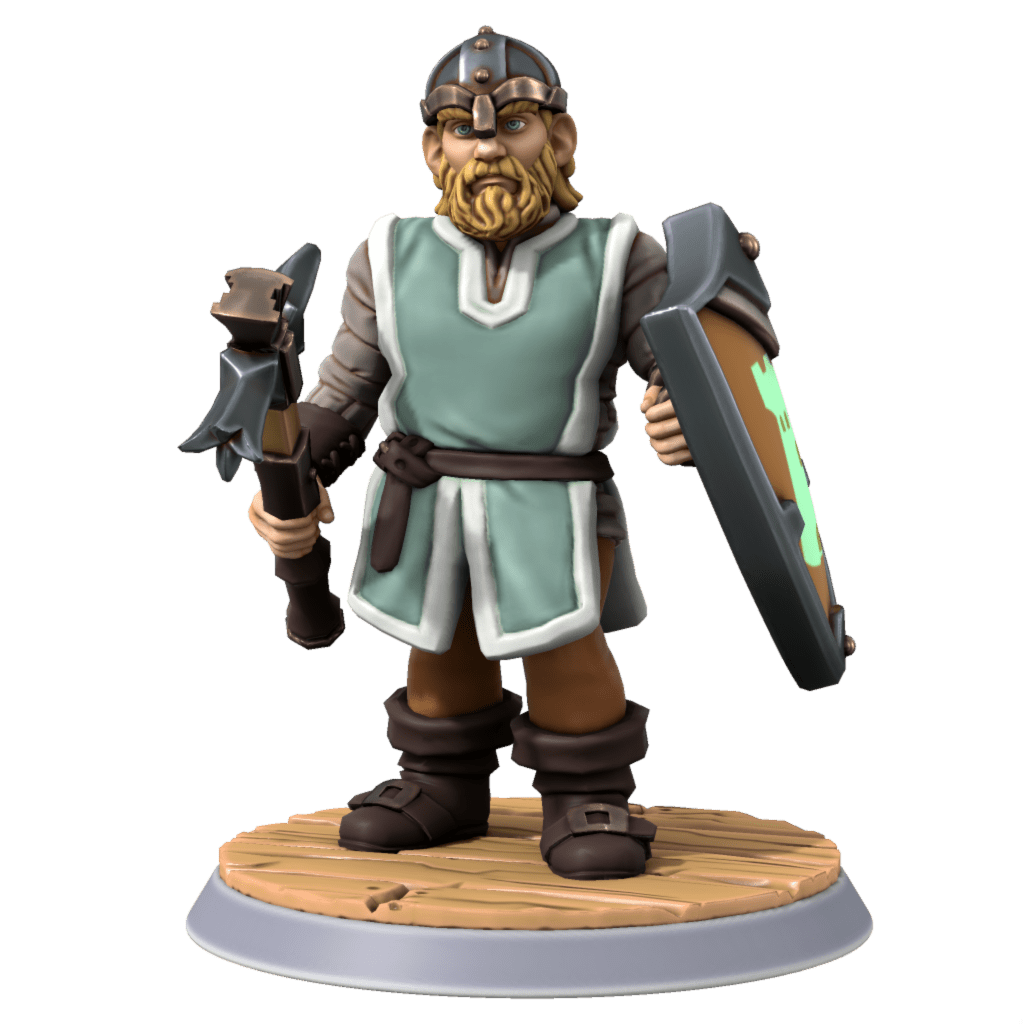
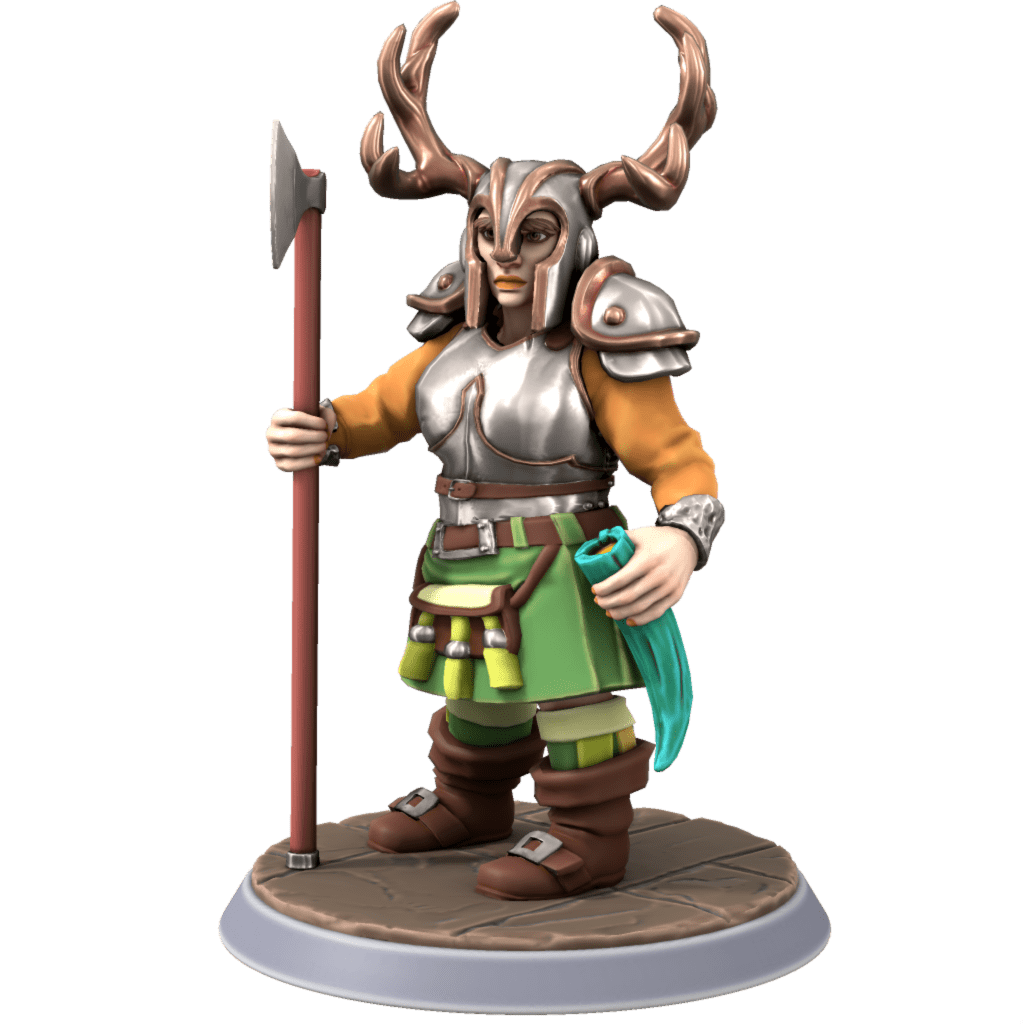
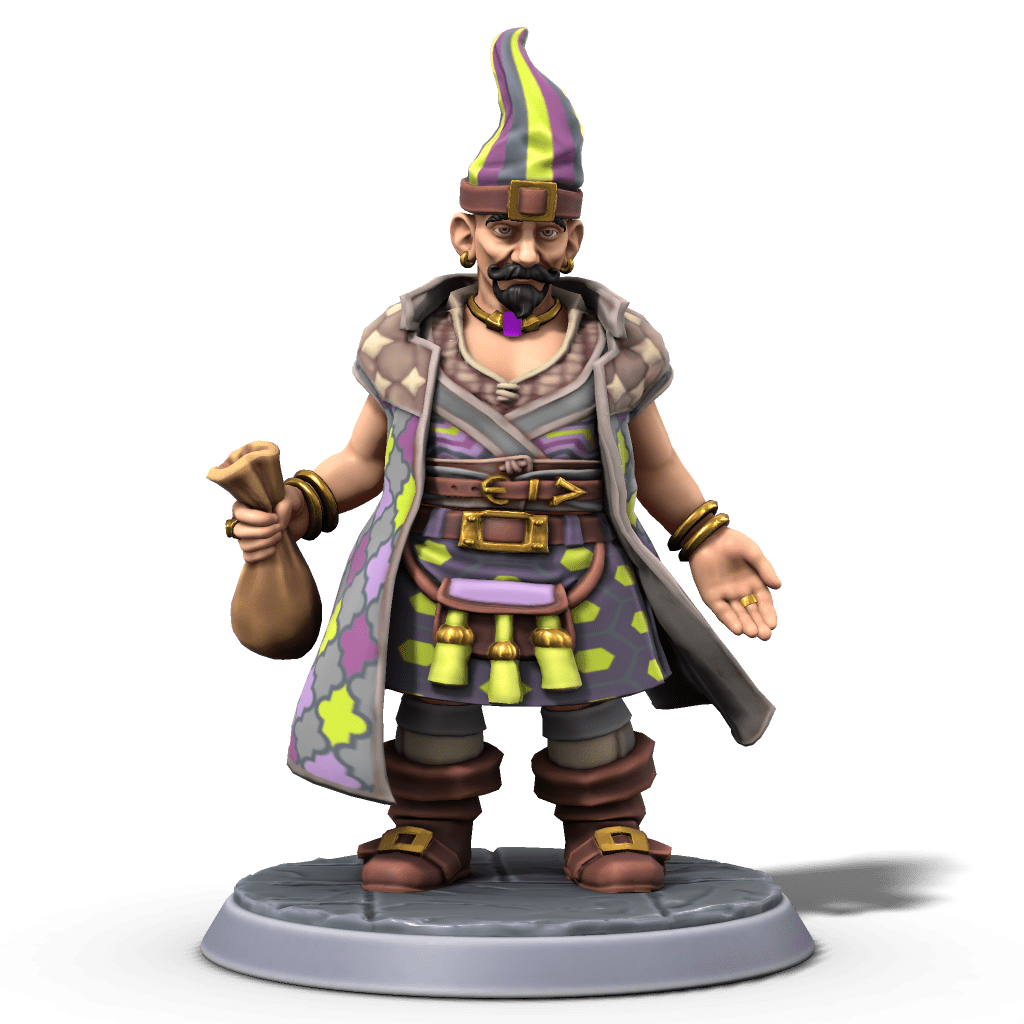

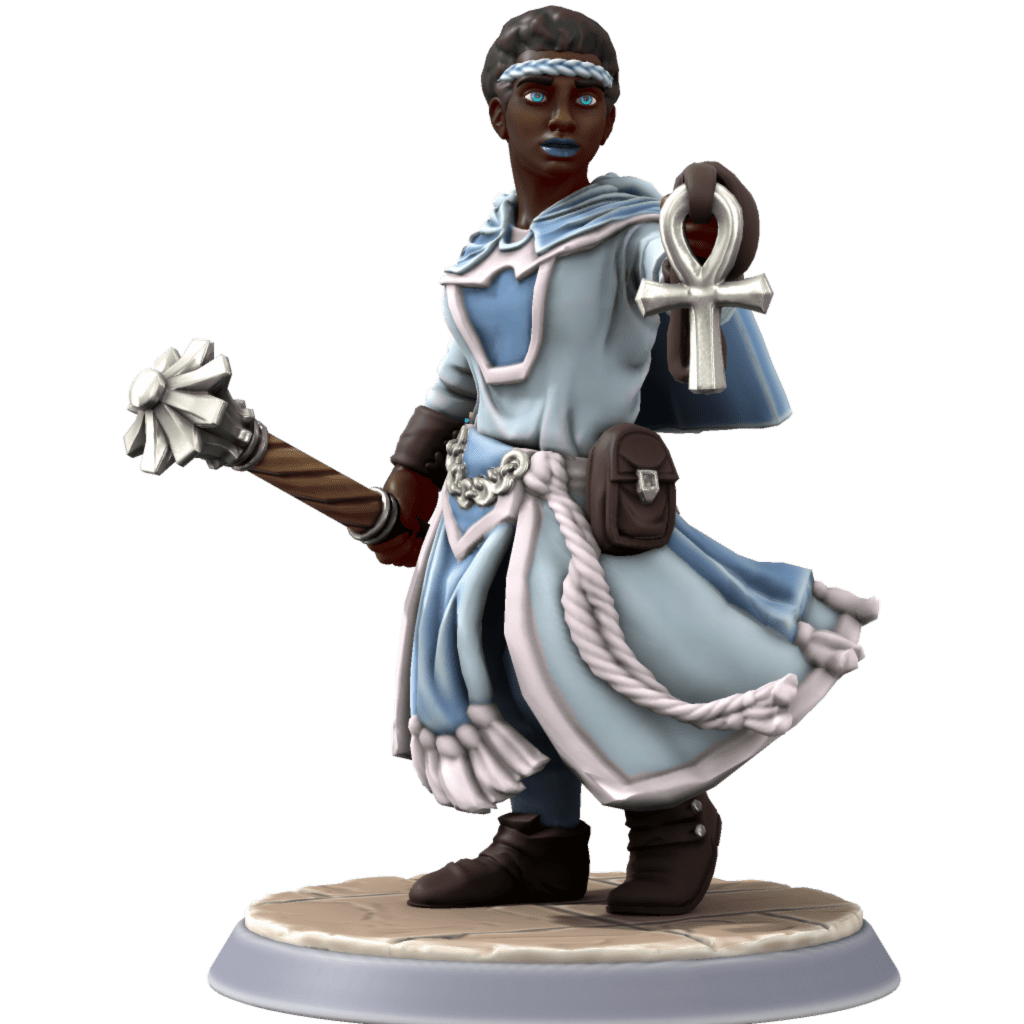
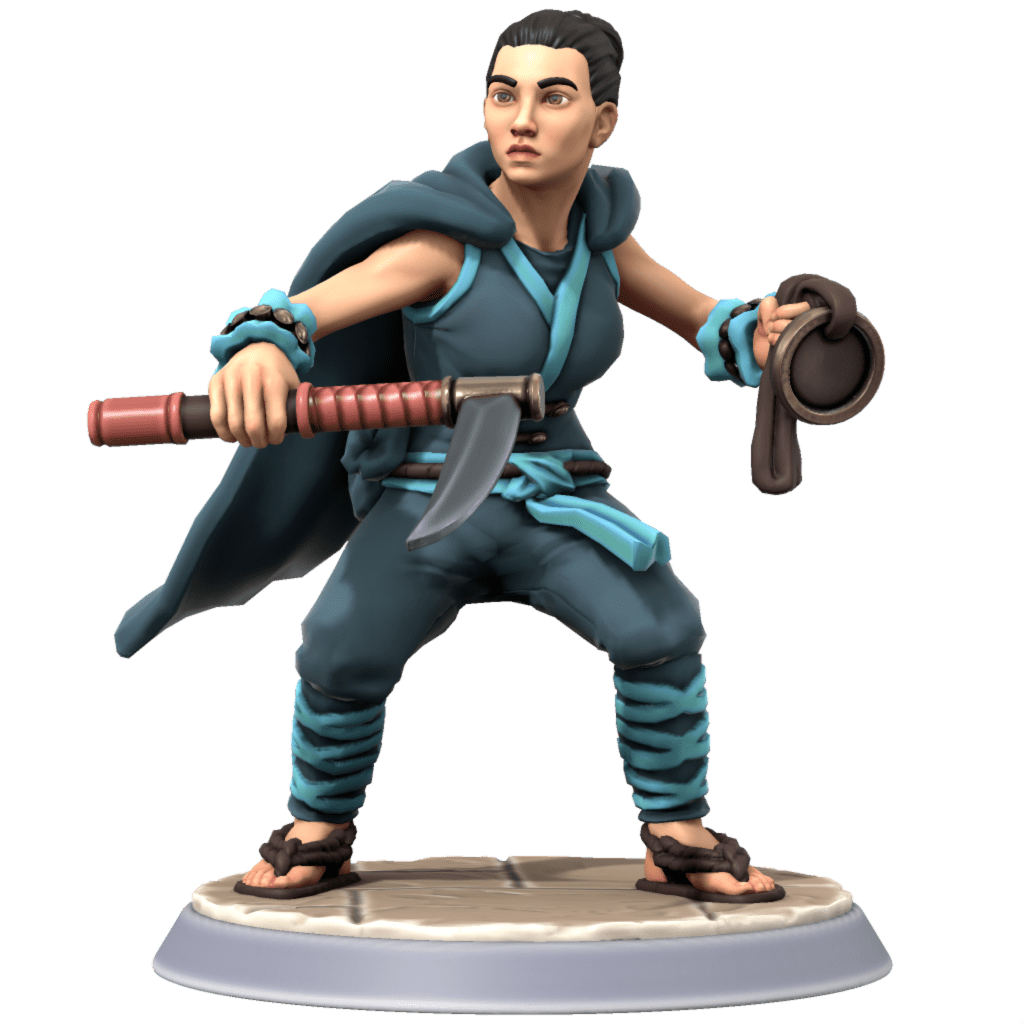
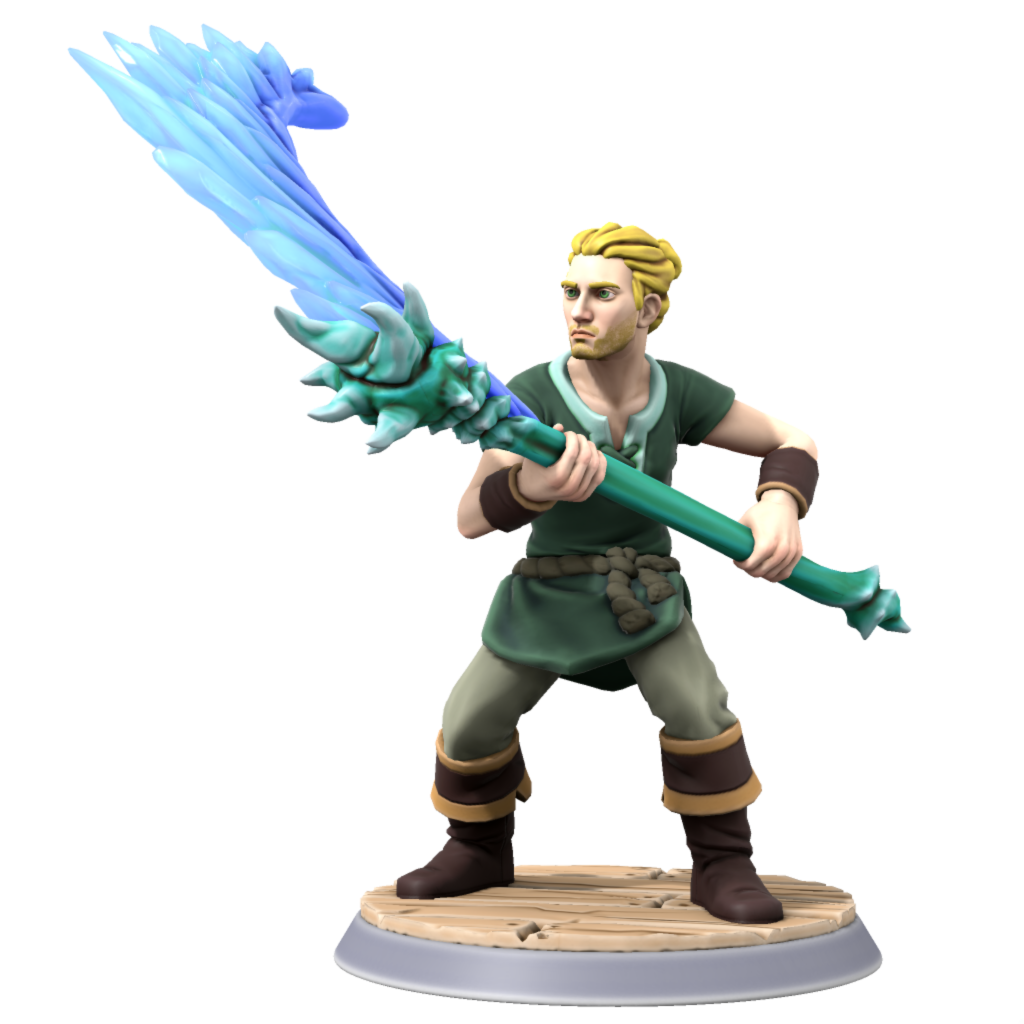
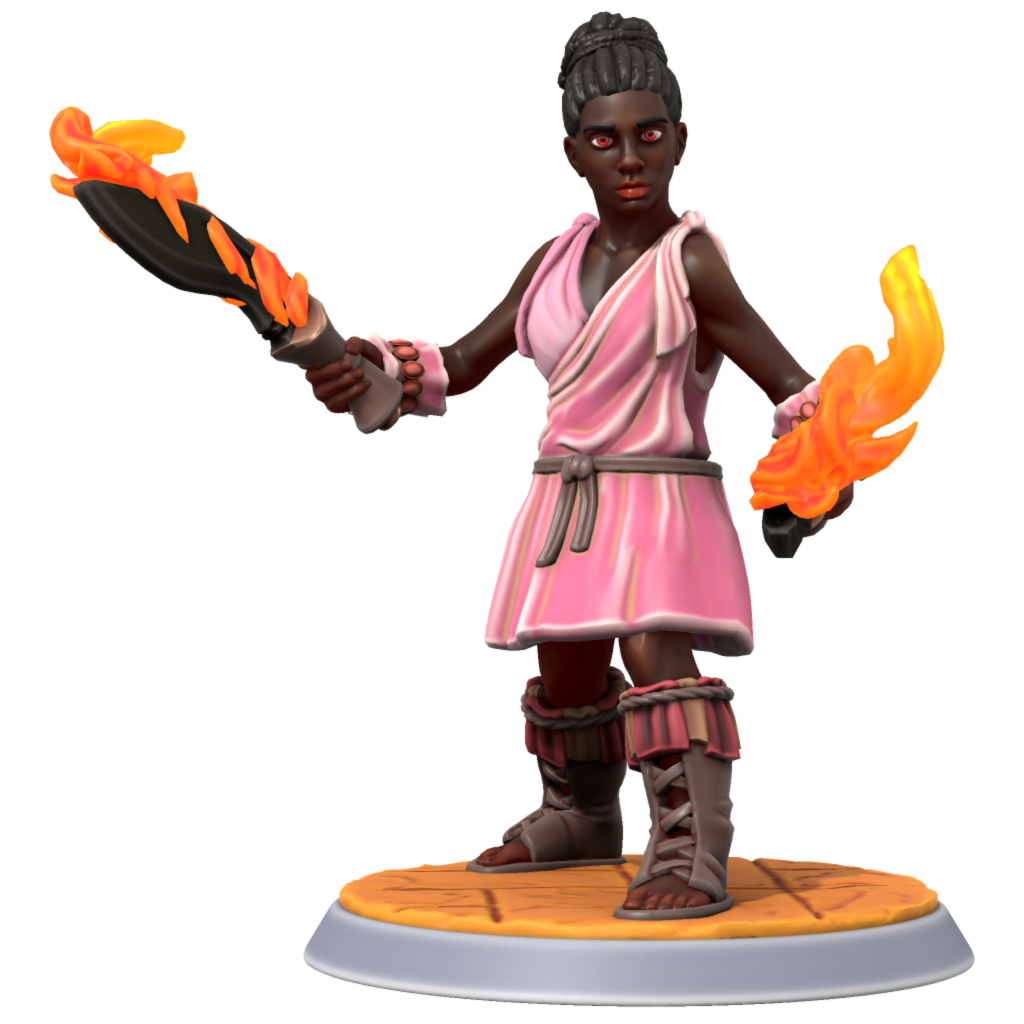
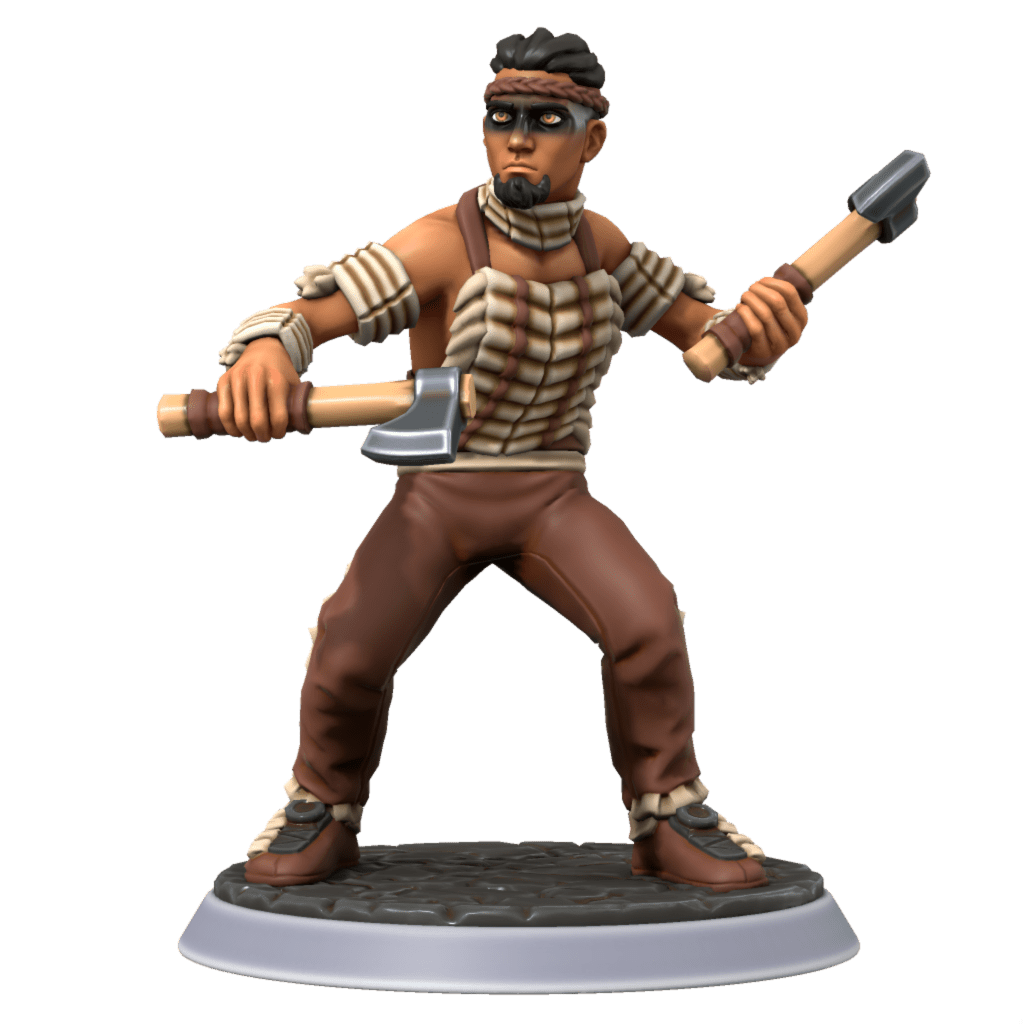
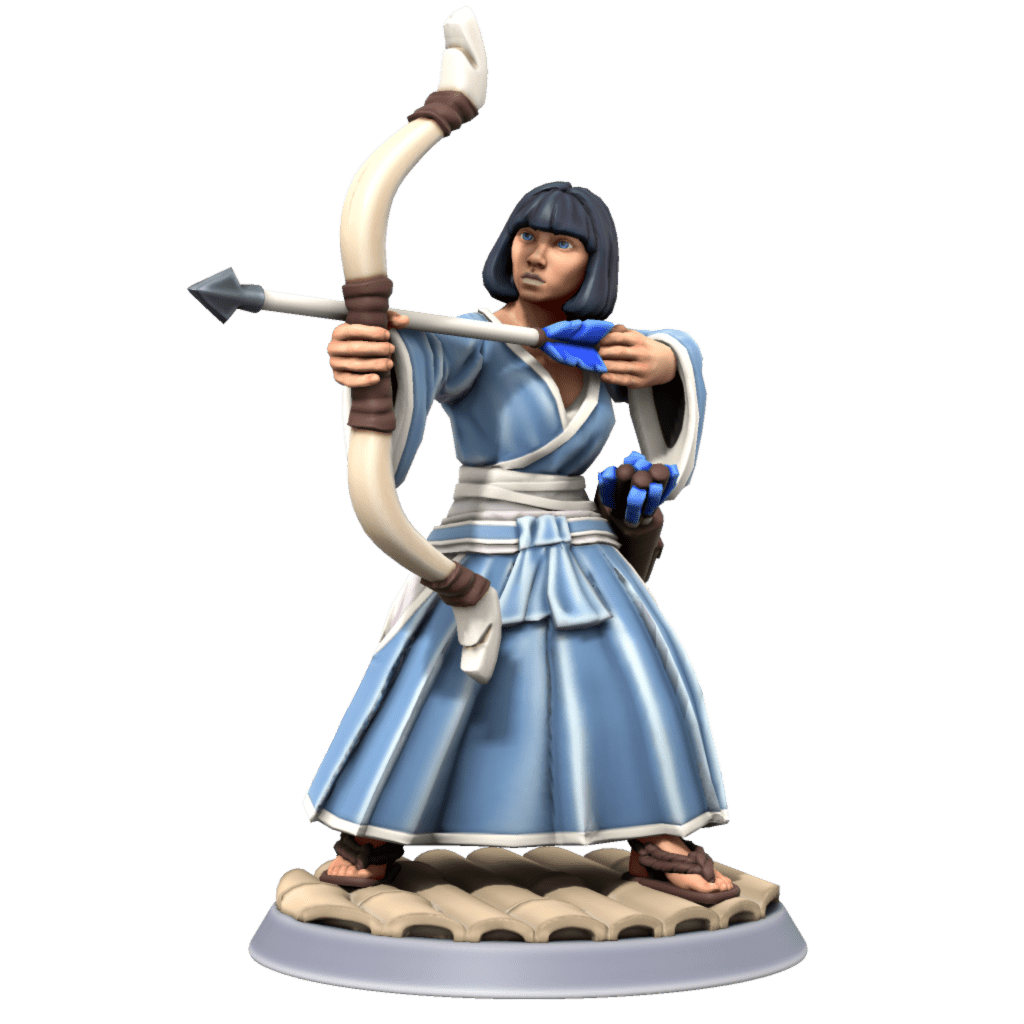
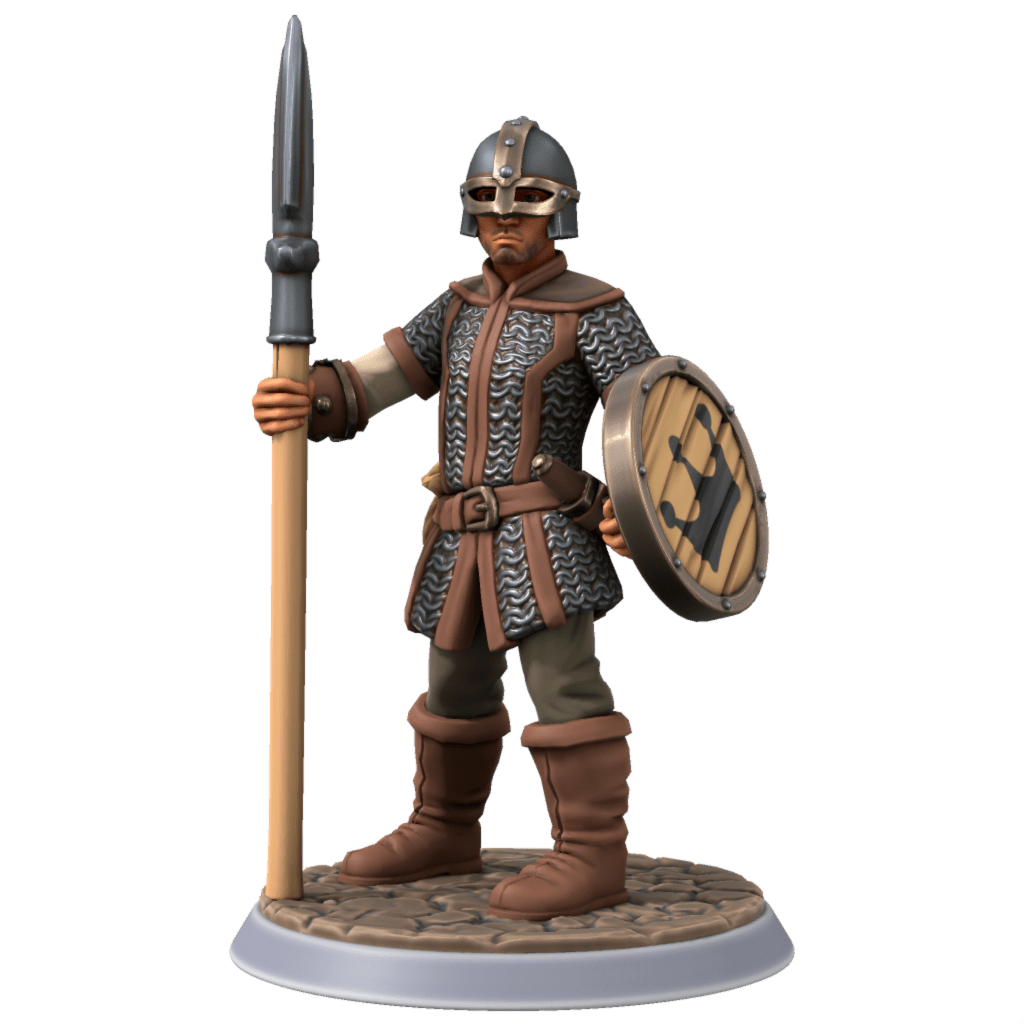
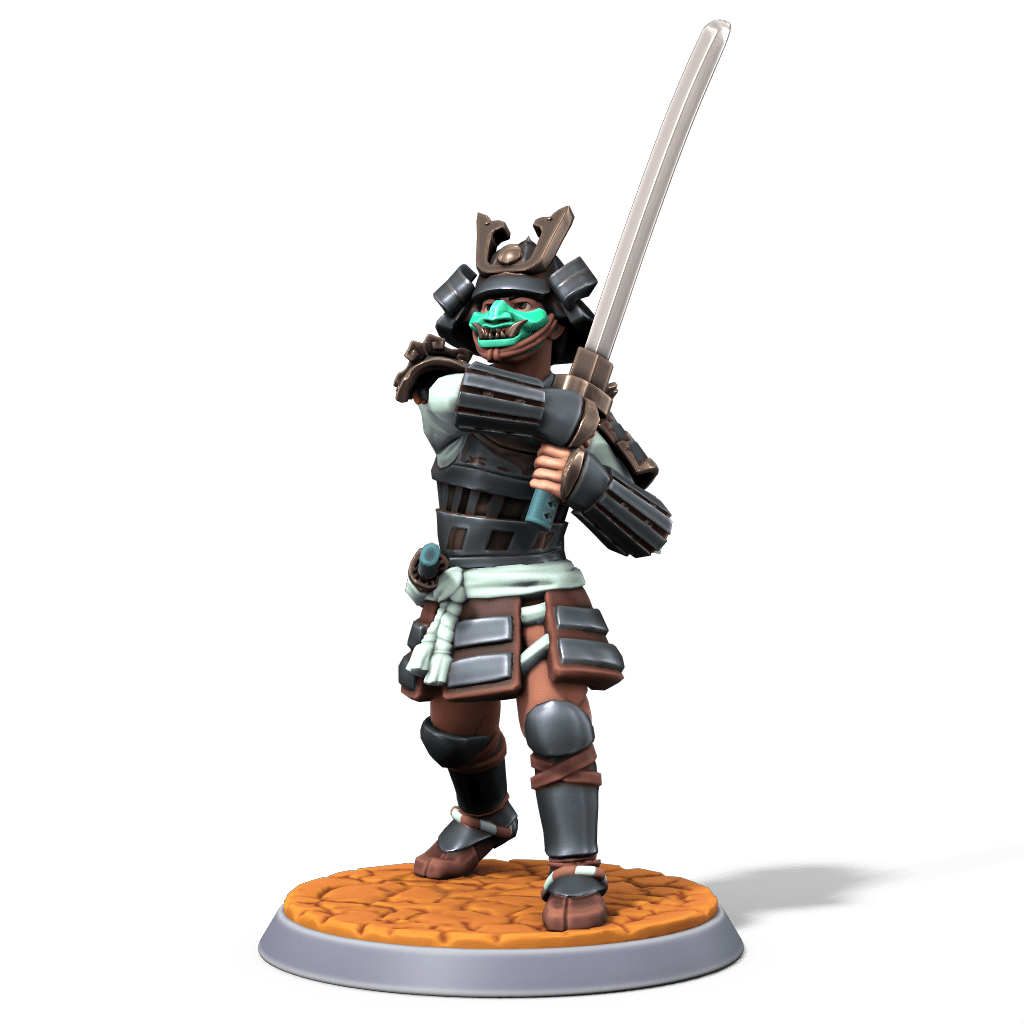
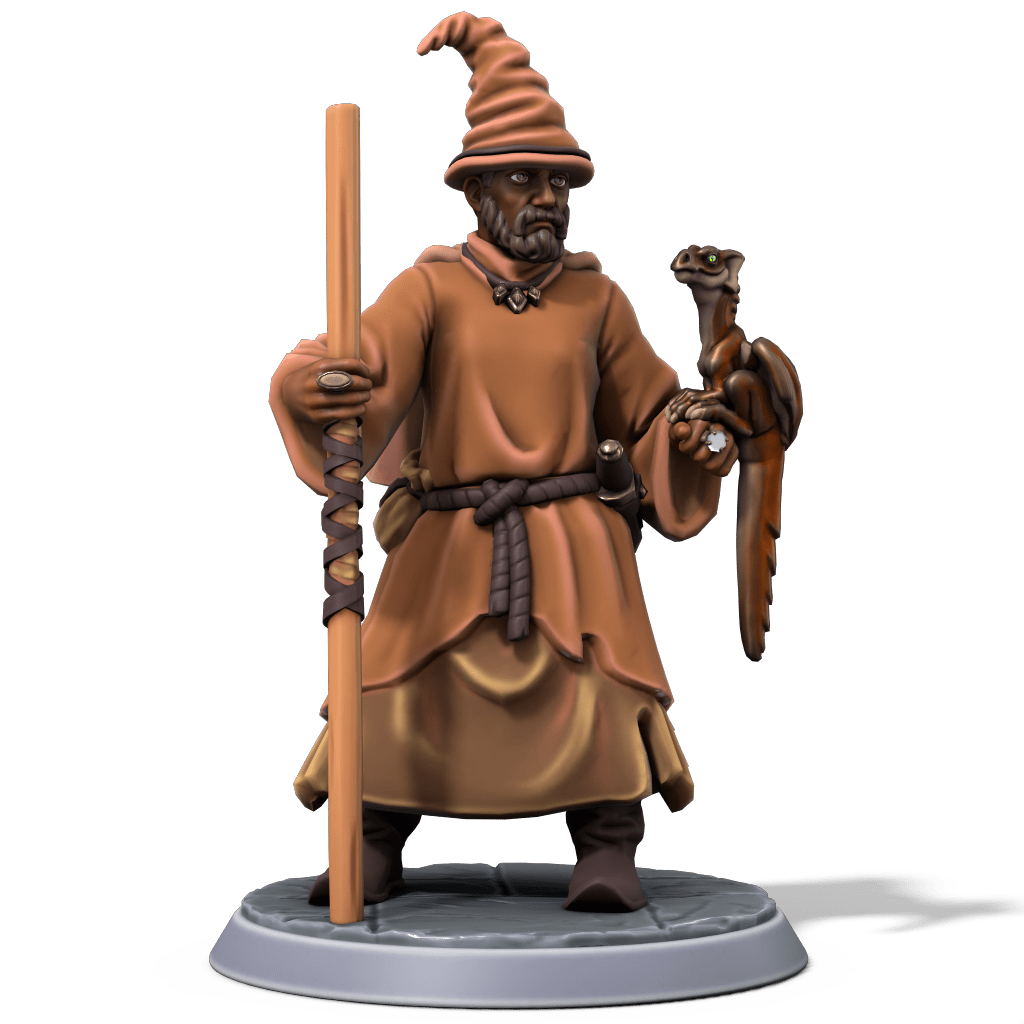
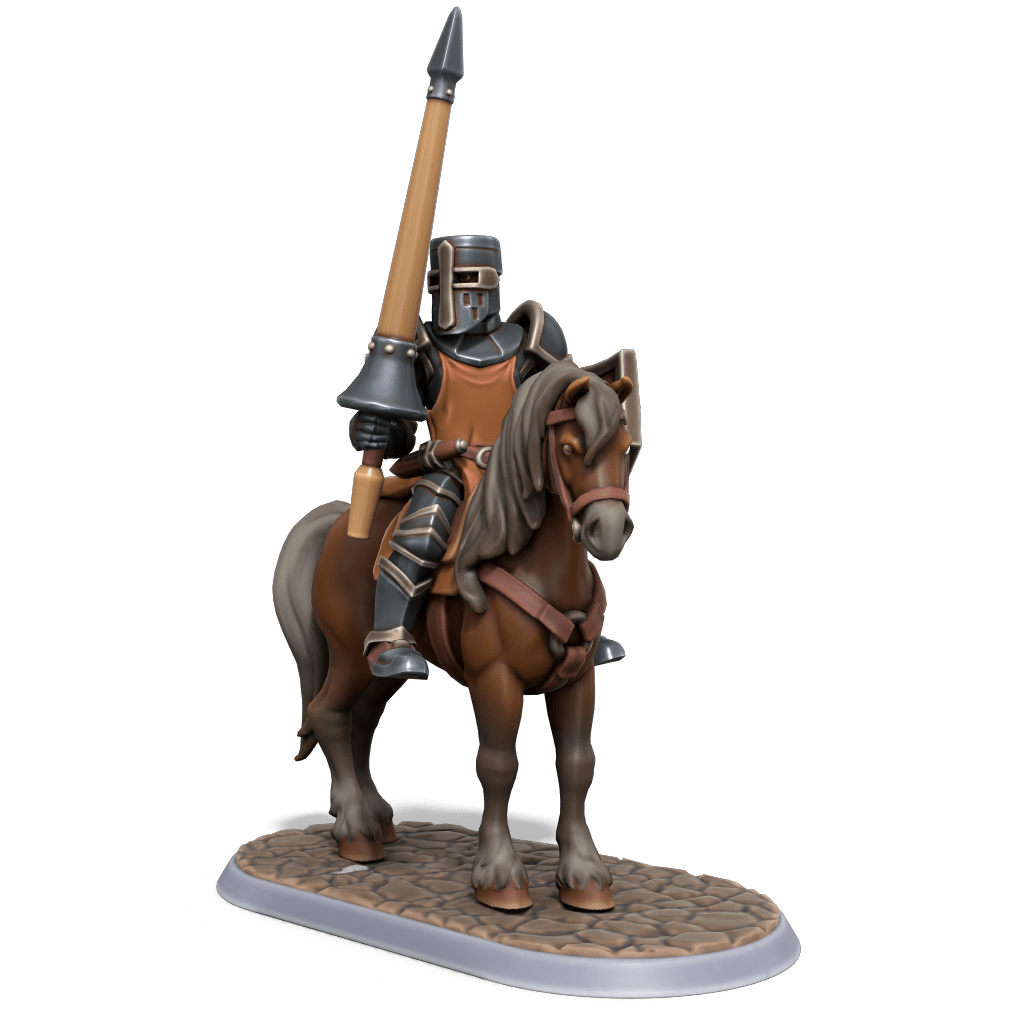



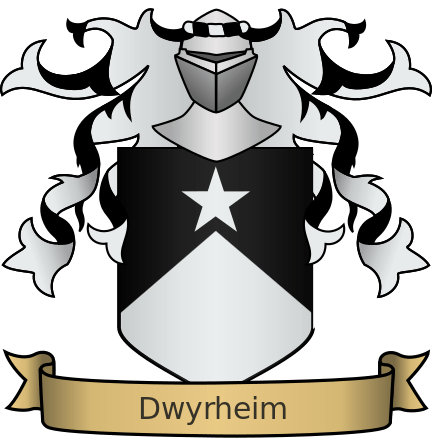
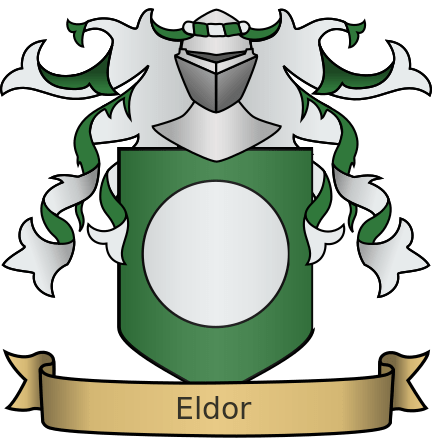

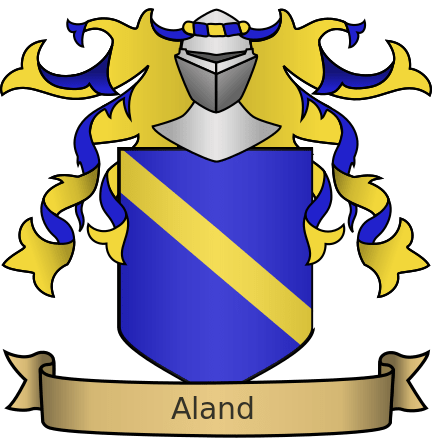

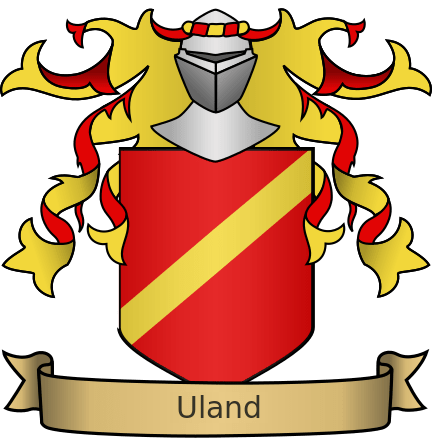
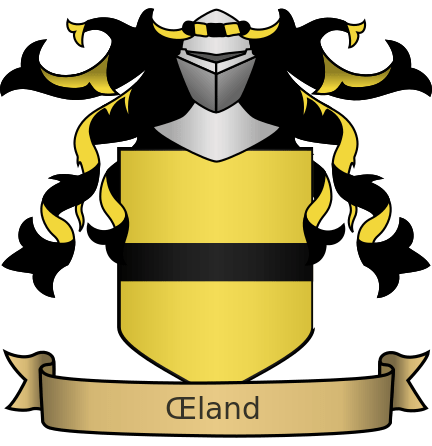
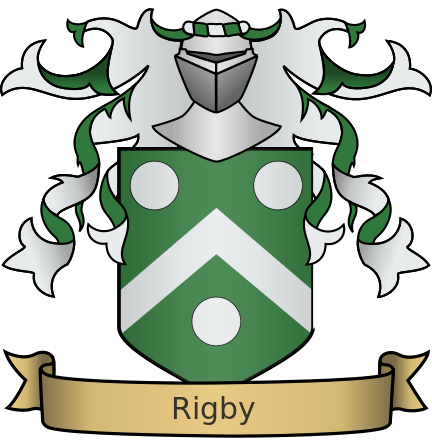

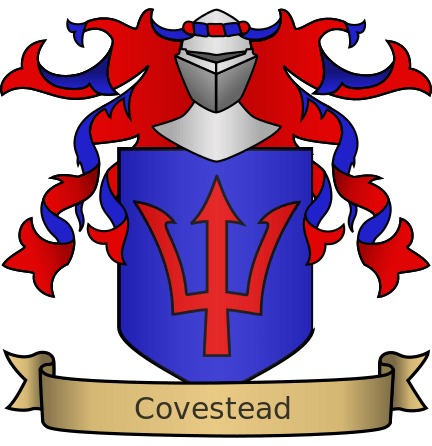
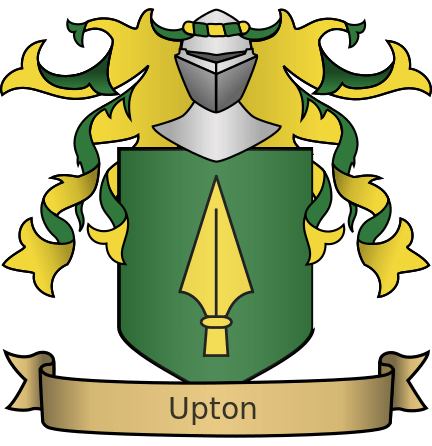
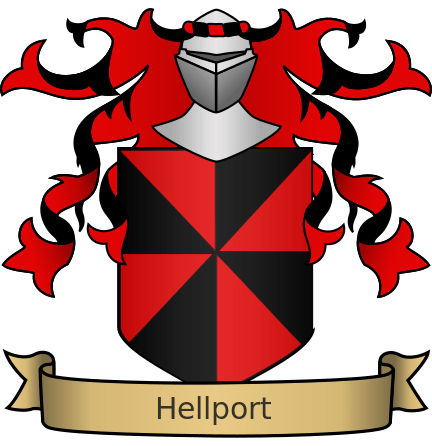


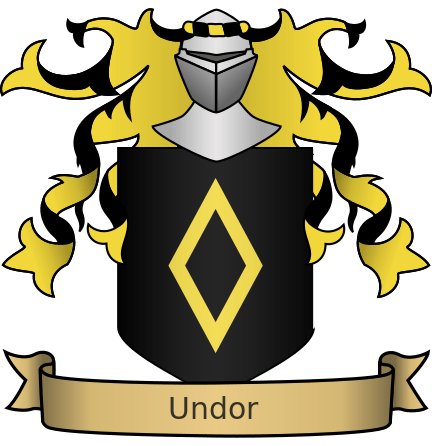
 Iorthbound