The Heartlands of Iorth are the most populous region of the world, though they are not the only populated region of the world. The various human-dominated realms in the northern hemisphere of the planet are numerous yet scattered throughout the region. They tend to develop somewhat independently of one another, and while one region may prosper, another could be facing dire hardships. However, in any event, these regions are left relatively undefined for others to develop and define for their own stories and campaigns.
One resource available that could be easily used for these realms is Journeys through the Radiant Citadel, for Dungeons & Dragons 5th edition. Each of the adventures contained therein provides details to new settings which could be easily integrated into Iorth, if one wished. This post will review some of these settings and provide information on how they could be used. These items will be organized by the particular region of Iorth where they are most likely to be found.
The Estlands
The region known as the Estlands consists of several small continents and large archipelagos scattered along the reaches of the vast High Sea. This region is also known as the Feudlands due to the conflicts and ever-changing allegiances that arise between the various settlements and nations which exist here. Notably, the predominant nation is the Empire of Xo, which consists of several islands under the official rule of the Emperor of Xo, but actually under the rule of several local leaders vying for power and control, as well as the respect of the emperor. In essence, these regions are part of a larger confederacy that, for the sake of appearances, presents itself as a unified empire.
The major challenges to the Empire of Xo are the orc nation of Grok and the goblinoid nation of Yob. Both vye for territory with the empire, and struggle for power and influence.
Dayawlongon
(in “Between Tangled Roots”)
At the southernmost reaches of the Estlands lies the archipelago of Dayawlongon. Said to overlook the seas of the southern hemisphere, and thus thought to be the ones who would ever first behold a dragon from the south heads towards the north. However, its location actually makes it he most likely to encounter travelers coming from the southern island nation of Koatlan; in many cases, refugees from the tyrannical theocracy migrated to the archipelago, seeking safety. Many drakelings from the Wyrmleague also migrated and settled in Dayawlongon as well.
Siabsungkoh
(in “Salted Legacy”)
The valley of Siabsungkoh lies on the eastern coast of the southernmost reaches of the lands of Great Xing. In several instances, many trade goods from across the Estlands, as well as goods from the other major regions, have all passed through Siabsungkoh at one point or another. Due to its location, it is a place of intrigue regarding the courts of the Empire of Xo and Great Xing.
Umizu
The city-state of Umizu is a fine example of a small island settlement that has sought independence from the Empire of Xo. Its matrilineal culture also clashes with the patriarchal culture of the Empire of Xo. However, Umizu is deemed an important regional stronghold, and the desire to keep Umizu under control of the imperial court is intense.
Great Xing
(in “Buried Dynasty”)
The dwarven-ruled nation of Great Xing derived from the unification of human and dwarven communities after the fall of the Great Empire. The lineage of the Jade Emperor of Great Xing comes from the marriage of a human princess to a dwarven noble, who was the last of the lost Jadeshaper (clan tartan shown at right) clan of Great Underground Empire of Dwyrheim. The current Jade Emperor has scant traces of human heritage in comparison.
Though not openly hostile to the Empire of Xo, Great Xing often has “differences of opinion” with the ruling imperial court. It is granted some degree of autonomy, but it avoids setting off a civil war by demanding independence or self-sovereignty.
The Sudlands
The region known as the Sudlands is home to many nations, though the most prominent of them are the Khanate of Qudesh, the Kingdom of Nye, with the fiercely independent city-state of Sarhaȸandar resting between them. With roving tribes of humans, giants, lizardfolk, and even gnolls, the region in one rife with conflict and opportunity.
Sensa Empire
(in “Gold for Fools and Princes”)
West of the Khanate of Qudesh lies the Sensa Empire, known for its wealth of gold. Normally peaceful, the region is in the midst of a difficult power transition, which the spies of Qudesh have certainly noticed. The Sensa Empire is considered to be a part of the larger Kingdom of Nye politically, though it officially regards itself as independent.
Shankhabhumi
(in “In the Mists of Manivarsha”)
The realm of Shankhabhumi is one of the more notable, yet peaceful, regions within the Khanate of Qudesh. Its natural defenses protect it from most incursions by hostile neighbors, but the locals are always watching the balance of power in the region.
Tayyib Empire
The Tayyib Empire, based in the region of Suristhanam, borders the Khanate of Qudesh to the west and the Kingdom of Nye to the north. Its recent upheaval regarding succession has made the nation aggressive in achieving security and prosperity. This, under the actions of some of the less scrupulous nobility and officials, has turned into covert or not-so-covert attempts to acquire land and resources from its neighbors. Furthermore, the infiltration of their community by serpentkin from Koatlan makes matters worse, for these agents seek to cause instability and disruption until they or their lackeys may obtain power over the empire.
The Veslands
The region of the Veslands is dominated by the conflict between the Theocracy of Totlan with its neighbors, the Kingdom of Aki and the Kingdom of Suyu, as well as with the various roving tribes of the region.
San Citlán
(in “The Fiend of Hollow Mine”)
San Citlán is one of the few independent settled regions within the northern Kingdom of Aki. Its value as a trading partner, and its mineral wealth, make it a sought-after destination by many within and beyond the region. It has cultural links with Tletepec, and considers itself part of the same sphere of influence as that region, though many from Tletepec feel that San Citlán is far too “polluted” with outside influences.
Tletepec
(in “Trail of Destruction”)
South and east of San Citlán is the region of Tletepec, which is part of the greater Kingdom of Aki. This region faces pressure from the Theocracy of Totlan to merge its territory with theirs. However, the people of Tletepec value their spiritual independence, which the Kingdom of Aki respects, and do not care to be under the rule of what consists of a cult of personality in their minds. The coastal regions are occasionally threatened by pirate raids or attacks from bands of ravaging merrow.
Atagua
(in “Orchids of the Invisible Mountain”)
The region of Atagua is a part of the greater Kingdom of Suyu, yet the Theocracy of Totlan is actively seeking to spread its influence throughout the region. The region is also close to natural access points to the Shimmer and the Shadow, allowing for travel between the Prime Material Plane and the two reflective planes.
The world of Iorth has several traditions, legends, histories, and lore known to the folk in varying degrees. To assist players in knowing just what their characters would simply know, the following list of basic facts about the setting have been provided. Some of this information has been categorized according to Intelligence-based skills that are relevant to some forms of this common knowledge. This information is readily knowable on a passive Intelligence (relevant skill) check of 10.
Arcana
The commonly known Planes of Existence are:
The Astral Plane, which contains the whole of existence.
The Ethereal Plane, which surrounds and contains:
The Prime Material Plane, where the realm of Iorth exists, sits in the absolute center of the Astral Plane.
The Shimmer; home to fey. Links to the Shimmer tend to be stronger when the planet Crann is in conjunction with Iorth.
The Shadow; home to cruel fey and undead. Links to the Shadow tend to be stronger when the planet Crann is in opposition with Iorth.
Heavenly Paradise, which is fixed at the highest point of existence.
Home to celestial beings.
Links to the Heavenly Paradise tend to be stronger when the planet Jumal is in conjunction with Iorth.
Hellish Abyss, which is fixed at the lowest point of existence.
Home to fiendish beings.
Links to the Hellish Abyss tend to be stronger when the planet Mynt is in opposition with Iorth.
The Elemental Planes of Air, Earth, Fire, and Water, which orbit the Primal Ethereal Bubble.
Home to elemental beings.
Links to the Elemental Plane of Air tend to be stronger when the planet Avel is in conjunction with Iorth.
Links to the Elemental Plane of Earth tend to be stronger when the planet Skala is in conjunction with Iorth.
Links to the Elemental Plane of Fire tend to be stronger when the planet Ogan is in conjunction with Iorth.
Links to the Elemental Plane of Water tend to be stronger when the planet Dwfyr is in conjunction with Iorth.
Various orbiting demiplanes, such as the Orderly Pattern and the Chaotic Maelstrom.
The Runes of Iorth, commonly used on official signage from the era of the Great Empire, are actually potent magical glyphs that are used in arcane magical writings and inscriptions. While they are used in place of traditional alphabets for many spellbooks and scrolls, these runes are exclusively used for writing in the Draconic, Giant, and Primordial languages.
The pentacle is the most common, and one of the most potent, of arcane magical talisman symbols, as is the heptacle.
History
Events during antiquity are said to have been recorded in the ancient tome known as The Similarious.
The elves are responsible for the discovery of a lot of common knowledge present in the world today, such as:
The number of planets in Iorth’s solar system, as well as the heliocentric model, and the discoveries of the asteroid belt and the planet Jumal’s ring system;
The arcane magic practices that bards and wizards follow;
The druidic tradition;
The definitive existence of other planes of existence, notably the Ethereal, Shimmer, Shadow, and Elemental planes;
The dwarves were the first to discover and use aluminum, palladium, platinum, mythryl, and adamant crystals. They were also the first to develop several alloys such as electrum, bronze, and steel.
The gnomes invented the crossbow, the printing press, the milled coin mint, and the first bank and bank guild. They also established the arcane magic practices that artificers follow.
The halflings were the first to establish culinary traditions and cooking styles, as well as the spice trade and the corresponding spice guild. They were also the first to create guilds for cooks and bakers.
The orcs were the first to establish mercenary companies. They were also the first to discover the existence of the Nether Lands.
The Great Empire, which lasted for 2,000 years (1–2,000 Great Age), ruled the entire world of Iorth, until the War of the Triple Crown brought about its downfall.
The Common language is known throughout the entire world of Iorth due to its use as the official language of the Great Empire.
The system of currency used by every nation is based on the system used by the Great Empire: the copper penny (1¢), the silver shilling (10¢), and the gold crown ($1).
The scale bar, or double dagger, ( ‡ ) is the universal currency symbol for expressing monetary value. Decimal points are used to denote values less than a crown.
Due to the widespread dominance of the Great Empire, all nations in Iorth have adopted the military command structure used by the Great Empire. The main military forces established are armies and navies. The ranks are:
The rank structure of armies is as follows:
The lowest enlisted rank is Soldier.
The median enlisted rank is Corporal (who may lead a patrol of 4 soldiers).
The highest enlisted rank is Sergeant (who may lead a squad of 2 patrols [10 soldiers]).
In-between enlisted and officers is the sole warrant officer rank of Ensign (who may lead a troop of 2 patrols [22 soldiers]).
The lowest officer rank is Lieutenant (who may lead a platoon of 2 troops [46 soldiers]).
The median officer rank is Captain (who may lead a company of 3 platoons [141 soldiers], along with the captain’s staff [8 soldiers]).
The highest officer rank is Commander (who may lead an army of multiple companies).
The rank structure of navies is as follows:
The lowest enlisted rank is Sailor.
The median enlisted rank is Corporal (who may be a junior petty officer on a ship).
The highest enlisted rank is Sergeant (who may be a senior petty officer on a ship).
In-between enlisted and officers is the sole warrant officer rank of Ensign (who may be a junior wardroom officer on a ship).
The lowest officer rank is Lieutenant (who may be a senior wardroom officer on a ship).
The median officer rank is Captain (who commands a ship of sailors).
The highest officer rank is Commodore (who may lead a navy of multiple ships).
The rank of Marshal holds command over all army and navy forces, and typically is a veteran combatant and member of the nobility.
During the last year of the Great Age, the War of the Triple Crown had its final, decisive battle at Castle Greyhound; the castle was reduced to ruins.
During the Common Age, some the new nations that established themselves after the fall of the Great Empire were Wyland, Aland, Iland, Uland, Œland, Hobmark, as well as the independent city-states of Covestead, Hellport, Newton, Rigby, Upton, and Zurik.
Notable individuals from the prior years of the Common Age include:
Kopernikus, a ½-elf wizard, founder of the town of Coppergate, and creator of the Mystic Moonstones.
The Knights of Pymont, a company comprised of:
Alfdan the Tan, an elven wizard;
Blanka Baggett, a halfling bard;
and seven dwarven knights of the Berthold clan:
Sir Rabert, the leader,
Sir Gobert, the bold,
Sir Hebert, the brave,
Sir Isbert, the melodic,
Sir Olbert, the scholar,
Sir Umbert, the kind, and
Sir Wybert, the hungry.
They are renowned for defeating the night hag Hildegrim and the ancient dragon Magus the Gold-Greedy.
Marban the Malign, the archlich master of the Tomb of Doom.
Contemporary individuals from the Common Age are:
The Knights Magi, the most renowned group of adventurers, whose ranks include:
Morgensternum the Gray, a human warrior-turned-archmage, leader of the Knights Magi, and master of Oddness Keep.
Lemminkainen, a human barbaric bard and renowned adventurer.
Ångstrom of Röntgen, grim outcast elven dhampir hunter, and wielder of the black saber Sturmündrang.
Bowen Elwood, an elven ranger and the great-grandson of the King Eldar Elward of Eldor.
Digby of Rigby, a dwarven fighter and longtime ally of Morgensternum.
Drusa Darkcloak, a drow elf sorceress.
Frida, an elven eldritch knight and member of the Order of the Green Flame.
Hierophant Drummond, a werekin druidic monk.
Hob Tolkin, a halfling adventurer and scholar.
Ignatz the Ingenius, a gnomish artificer and inventor.
York Frombork, an orc berserker, armed with the sentient magical greatclub Thudwak, and accompanied by his miniature giant rat Rif.
Lord Albion Valdrik, an angelkin bard and the current sovereign of Wyland.
Grand Princess Kariel Elwood, an elf sorceress, crown princess of Eldor, and regent of Aldamar.
Cobmoss, a peaceful gnome archdruid and artist.
Markalen, an elf archmage and former apprentice of Morgensternum the Gray.
Sensei Seiko Izumikawa, a human warrior nun, noblewoman, and legendary hero of Iorth.
Captain Filbert Hazelwood, a halfling privateer and legendary hero of Iorth.
Prester Oskar Ironhelm, a dwarf cleric and legendary hero of Iorth.
Lady Rowan Leafsong, an elf wizard and legendary hero of Iorth.
Captain Sir Tiram Voland, a human fighting-man and legendary hero of Iorth.
Vangel the Virtuous, an angelkin paladin.
The Guild of the Gauntlet, an adventuring group comprised of:
Axel Redaxe, fire jinkin warrior.
Kyri Blueshield, air jinkin priest.
Izar Goldwand, earth jinkin mage.
Bowi Greenbow, water jinkin scoundrel.
Archduke Mavros Larkspur, a devilkin warlord and current sovereign of Hellport.
Mongle the Ignominious, a human magic-user and terror of Iorth, slain by Tiram Voland.
Myex the Illecebrous, a serpentkin warlock and terror of Iorth, slain by Tiram Voland.
Otis the Injurious, the archfiend patron of Myex and terror of Iorth, slain by Tiram Voland.
Sir Kilbaron, a fearsome death knight.
Viscount Kazimir, a potent vampire lord.
Archbishop Mumtaz, an ancient mummy lord.
Manyak the Skewed, insane archmage obsessed with hands.
Gobin the Grim, a goblin master assassin.
Bishop Daimon, a dhampir priestly warlock.
Gundrik, a fearsome warlord and terror of Iorth.
Devlin the Diabolical, a devilkin warlock.
Grieg Badtooth, a leaden dwarf warlord.
Nature
The year of Iorth consists of 364 days evenly divided into 13 months of 28 days each, further divided into 7-day weeks.
Each season (spring, summer, autumn, winter) lasts for 13 weeks.
The moon completes a cycle every 28 days. Because of this:
A waning moon appears on the 1st of each month.
A new moon appears on the 8th of each month.
A waxing moon appears on the 15th of each month.
A full moon appears on the 22nd of each month.
In the northern realms, the seasons progress from spring, then to summer, then to autumn, and finally to winter.
In the southern realms, the seasons progress from to autumn, then to winter, then to spring, and finally to summer.
Each month also has a prominent constellation present in the sky, for which the month is named. The constellations are, in order from the first of the year to the last, are:
Hawk, said to be the messenger of the Griffon of the Sun.
Nymph, said to be the Beauty of the World, Kaunis, whom the gods themselves all cherished and longed for.
Frog, said to be the spy for the Monster of All Fears, watching the Beauty of the World from deep in the mire.
Wolf, companion of the Cat, who both stalk the day and night in search of happiness.
Griffon, said to be the Griffon of the Sun, Haul, who chases and is chased by the Dragon of the Moon.
Ram, said to be the reincarnated form of the savage king Baran, who used power and anger to enforce his rule.
Owl, said to be the messenger of the Dragon of the Moon.
Troll, said to be the Monster of All Fears, Turpis, whom the gods despise and reject.
Elk, said to be the reincarnated form of the noble king Alnis, who used grace and wisdom to enforce his rule.
Cat, companion of the Wolf, who both stalk the day and night in search of happiness.
Dragon, said to be the Dragon of the Moon, Muin, who chases and is chased by the Griffon of the Sun.
Bear, said to be the guardian for the Beauty of the Wood, hunting for the Monster of All Fears amidst the wild.
Sword, said to be the sword of the god Os, Finis, used to divide the day from the night and the living from the dead.
The major geographic regions of Iorth are:
The Heartlands (northeastern hemisphere, continental region where the campaign takes place), a temperate zone of mixed terrain. Includes Wy Isle, the Infernal Isles, and Shard Isle (once part of the continent, but separated by rising seas).
The Norlands (northeastern hemisphere, north of the Heartlands), the northern temperate to arctic zone dominated by mountains, hills, extensive rivers and lakes, and badlands.
The Sudlands (northeastern hemisphere, south of the Heartlands), the northern temperate to tropic zone dominated by desert and arid steppes to the west and mountains and rain forests to the east.
The Veslands (northeastern hemisphere, west of the Heartlands), consisting of a small continent, several microcontinents, and multiple islands of various climates.
The Estlands (northeastern hemisphere, east of the Heartlands), a long submerged continent forming islands of mixed terrain that reach from edge of the northern arctic to the edge of the southern arctic zones.
The Farlands (southwestern hemisphere), a series of small continents and island chains dominated by dragons and their reptilian subjects.
The Nether Lands, a massive underground complex of interconnected caves, tunnels, caverns, and delves that lies beneath the surface of the continental shelves.
There are seven planets observable with the naked eye in Iorth’s night sky. Each planet is linked to a specific day of the week:
Godsday:Jumal
Fireday:Ogan
Waterday:Dwfyr
Treeday:Crann
Airday:Avel
Earthday:Skala
Coinday:Mynt
Through arcane scrying and observation, scholars have discovered that an extensive asteroid belt exists between Crann and Dwfyr, as well as that the planet Jumal has a ring system.
The solar system of Iorth.
Religion
The major religions of Iorth do not focus on worship of deities, but devoted adherence to a philosophy of faith and behavior. Each is ultimately led by the prominent clergy member, known as a Hierophant. They are:
The Path of Light, which believes that the ultimate goal is to bring benevolence through the Principles of Truth, Love, and Courage.
Anyone, as long as they are not Evil, may follow the Path of Light.
The ankh is the holy symbol of the Path of Light.
The Path of Nature, which reveres the natural world and respects the natural cycle of birth, death, and rebirth.
Anyone may follow the Path of Nature.
A crescent moon is the holy symbol of the Path of Nature.
The Path of Awareness, which strives to gain knowledge and enlightenment through the Tenets of Control, Passion, and Diligence.
Only those who are inclined to be or are unbiased and Neutral are focused enough to follow the Path of Awareness.
The triquetra is the holy symbol of the Path of Knowledge.
The Path of Darkness, which believes that personal power and gain is tantamount, and obtained through use of the Impulses of Cowardice, Hatred, and Falsehood.
Only those who are Evil follow the Path of Darkness.
The chaos arrow cross is the unholy symbol of the Path of Darkness.
All of the major religions have the same four-tier hierarchy in their faith:
Brothers/Sisters are the younger members of the clergy, and are not fixed to a specific temple or location. They answer to the priest/priestess whose territory they travel in or through.
Fathers/Mothers are the elder veteran members of the clergy, and are not fixed to a specific temple or location either. They answer to the high priest/high priestess whose territory they travel in or through.
Priests/Priestesses are members of the clergy assigned to a specific temple or location. They answer to the high priest/high priestess who as assigned over their temple or location.
High Priests/High Priestesses are veteran members of the clergy in charge of a group of temples, region, or nation. They answer directly to the Exemplar of their faith.
Furthermore, all of the major religions of Iorth know of and respect (but not necessarily revere) the four Gods of Iorth. The spiral triskelion is the symbol of the gods, emphasizing their interconnection. They are:
Os, the Everone, god of life, death, rebirth, fate, time, and conflict, who exists throughout existence.
A great grey dragon is the sacred animal of Os, and those who revere Os in their faith of choice prefer using a sword.
An, Sky Father, god of light, the heavens, order, and creation, who resides in the Heavenly Paradise.
A white-plumed hawk is the sacred animal of An, and those who revere An through the Path of Light prefer using a mace.
Ki, Mother Nature, goddess of nature, fertility, elements, and magic, who resides in the Ethereal Plane.
A grey-furred mother hare is the sacred animal of Ki, and those who revere Ki through the Path of Nature prefer using a staff.
Ur, Fell Fiend, god of darkness, the underworld, chaos, and destruction, who resides in the Hellish Abyss.
A black-scaled viper is the sacred animal of Ur, and those who revere Ur through the Path of Darkness prefer using a spear.
Various demigods and quasi-deities are known of, though most (if not all) have various names based on the cultures within the regions. The most well-known include the benevolent draconic quasi-deity Bamut and the malevolent draconic quasi-deity Timat.
Cults are the primary groups that have or allow for the existence of most warlocks in Iorth.
There are 12 major holidays each year. These holidays vary based on whether they occur in the northern or southern hemisphere. They are:
Godsday, 1 Hawkmoon: Newyear (north, spring equinox), or Newrule (south, autumn equinox).
Treeday, 18 Nymphmoon: Midspring (north, spring), or Harvest Festival (south, autumn).
Coinday, 7 Wolfmoon: Suneve (north, spring), or Eve of Shadow (south, autumn).
Godsday, 8 Wolfmoon: Sunday (north, summer solstice), or Festival of Darkness (south, winter solstice).
Treeday, 25 Griffmoon: Midsummer (north, summer), or Ice Festival (south, winter).
Coinday, 14 Owlmoon: Mideve (north, summer), or Eve of Maidens (south, winter).
Godsday, 15 Owlmoon: Midyear (north, autumn equinox), or Festival of Union (south, spring equinox).
Treeday, 4 Elkmoon: Midautumn (north, autumn), or Planting Festival (south, spring).
Coinday, 21 Catmoon: Mooneve (north, autumn), or Eve of Light (south, spring).
Godsday, 22 Catmoon: Moonday (north, winter solstice), or Festival of Light (south, summer solstice).
Treeday, 11 Bearmoon: Midwinter (north, winter), or Flame Festival (south, summer).
Coinday, 28 Swordmoon: Endyear (north, winter), or Endrule (south, summer).
The saga of Iorth’s creation and origins, as well as the exploits of the gods and demigods, is known as The Similarious.
The Heartlands of the Former Great Empire were the original territories from which the Great Empire arose. The lands of Aland, Iland, and Uland were the initial three countries unified under the Great King in the last years before the Great Age and then started the growth of the Great Kingdom into the Great Empire. By the year 1 of the Great Age (G.A.), the globe-spanning Great Empire was born, until its catastrophic fall by the year 2,000 G.A., and its hasty dissolution during the Lost Year of the Common Age (C.A.), otherwise known as Year Zero.
Now, in the year 1375 C.A., these nations stand in place of that mighty empire. Due to the long-sweeping influence and duration of the Great Empire, the means and methods used by many of the nations existing currently derive, in some part, from the practices established by the Great Empire.
Kingdom of Wyland
Established Newyear, 1000 C.A.
Constitutional monarchic republic (ruled by a hereditary Sovereign and an elected Tynwald of Ministers); Neutral Good
Capital: Coppergate
Notable Towns: Islehaven, Minton, Skara Brae
This nation is located on Wy Isle, east of the lands of Eldor. Unlike any other nation on Iorth, Wyland is a constitutional monarchy. It is governed by hereditary nobles alongside elected officials. Nationally, Wyland is ruled by a hereditary ruler (a King or Queen) alongside a council of elected representatives (the Tynwald, made up of elected Ministers from each shire). The realm is divided into four shires, each of which is ruled by an appointed ruler (a Thane).
The citizens of each shire elect one person to serve on the Tynwald for their shire for a 10-year term. The Thane appoints a Sheriff; usually, members of the Peerage are appointed to these posts. For smaller communities within a shire, each settlement elects a Reeve, whose elections are confirmed by the Thane of the shire.
The sovereign and Tynwald are responsible for national governance, and thus are the ones to appoint army officers of commander rank and navy officers of commodore rank, as well as appointing a Marshal who commands all army and navy forces. Typically, each shire has an army and a navy, whose command officers work and coordinate with the appointed Sheriff.
There are various other officials as well. The Castellan is the individual in charge of running & maintaining the royal residence of Copperkeep. Each thane resides in a hold within the main settlement for the shire, which is administered by a steward. There are treasurers, bailiffs, portmasters, judges, chancellors of various government offices, the aforementioned sheriffs, reeves in charge for the territory of their smaller settlements, & so on.
Though the proper titles of the ruling nobility are king, queen, prince, princess, or thane, respectively, all are addressed by the title Lord, Lady, or Ser, as are all members of the Peerage, who are nobles who are not in a hereditary station of the government. This provides a sense of equity amongst many nobility, though acknowledgement of one of higher standing is often shown through use of the honorific Grace (as in “Your Grace,” or “Their Graces”).
The Hobmark
Established Midyear, 100 C.A.
Feudal monarchy (ruled by a hereditary Margrave who is aided by nobles); Neutral
Capital: Bolton
Notable Towns: Dalton
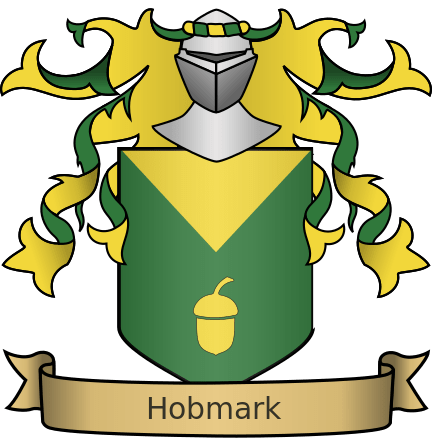
The Hobmark is the sole remaining lands ruled and populated primarily by halflings in the Heartlands; many other halfling nations joined with nearby human settlements. The Hobmark has always had a strong independent streak, which is why it was permitted to remain under the rule of the traditional dynasty even when it was part of the Great Empire. The halflings of the Hobmark are renowned as some of the best, if not the best, chefs and culinary artists in all of Iorth. The produce from halfling farms is in high demand, and countless travelers make their way to the Hobmark to try the local pastries.
The Hobmark consists of only 2 towns, but there are various homesteads scattered throughout the region. The halflings of the Hobmark are closely allied with their northern neighbors, the Great Underground Jarldom of Dwyrheim; legend has it that the family of the Margrave is distantly related to the Forgecrown clan of dwarves. While the Margrave rules over the nation, each settlement is governed by an elected Burgrave.
Great Underground Jarldom of Dwyrheim
Established during the Ancient Age
Feudal monarchy (ruled by a hereditary Jarl who is aided by nobles); Lawful Good
Capital: Bergberg
Notable Delves: Bludberg, Stanburg
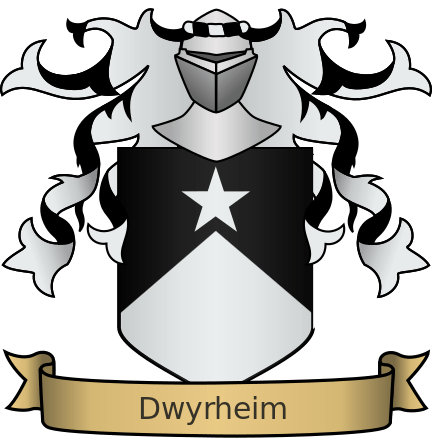
Established during the Ancient Age after the fall of the kingdoms of the giants, the Great Underground Jarldom of Dwyrheim is one of the oldest nations in Iorth. It is also one of the last remnants of the ancient system of clans that used to dominate dwarven society and politics, but through time and tragedies, many of those great clans were lost.
The dwarven nation known as the Great Underground Jarldom is ruled by the hereditary sovereign in Bergheim known as the Jarl, who is always from the Forgecrown clan. Each major delve of the dwarves, such as Bludheim and Stanheim, is ruled by the hereditary leader of the ruling clan, known as a Voivod; the Voivod of the Warshield clan serves as the municipal administrator of Bergheim, allowing the Jarl to focus on the needs of the jarldom. The dwarves of the Great Underground Jarldom are renowned for their metalwork and stonework throughout the realm, as well as for their skill at crafting fine distilled spirits.
Each delve is renowned for the character of its dominant clan: the Bergburg delve has a diverse array of dwarvenkind, serving as the hereditary home of the Forgecrown clan (and the Jarl) and the proclaimed home of the young Warshield clan. To the east, the Bloodaxe clan dominates Bludburg, and is renowned for its skilled axe-wielding warriors, though they are the most rigid and set in their ways. To the south, the Bluestone clan dominates Stanburg, and their skill as crafters and for being some of the most open-minded and friendly of all of dwarvenkind. In a few instances, some travelers may encounter the ruthless and scheming dwarves of the Leadfist clan in the ruins of Leadburg.
Realm of Eldor
Established during the Ancient Age
Feudal monarchy (ruled by a hereditary Sovereign who is aided by nobles); Chaotic Good
Capital: Aldamar
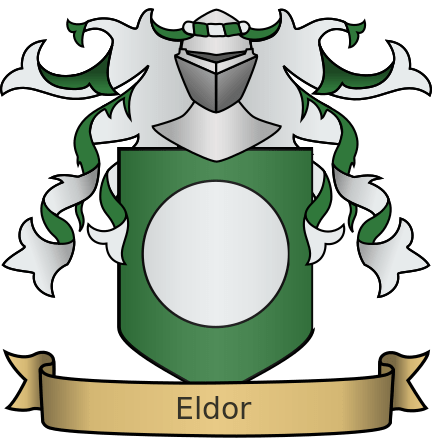
The elven and fey nation of Eldor is ruled by an elaborate hereditary monarchy, headed by the sovereign, known as a Grand Prince or Grand Princess. Eldor has scattered settlements and unmarked thorps hidden in the depths of the Eldor Forest, but the elven nation has a massive town which serves as the key location for trade, diplomacy, and culture: Aldamar. Elves, half-elves, and gnomes dominate the forest kingdom, but other fey folk, such as centaurs, may be encountered in the lands.
Lands of the old Great Kingdom
The Great Empire was the evolution of a powerful political entity known as the Great Kingdom: the combination of three neighboring kingdoms through conquest and diplomacy. This new kingdom then strove to attain more lands, whether through diplomacy or conquest, until it dominated the whole of human and halfling lands in the humanoid-dominated northern hemisphere of Iorth.
After the fall of the Great Empire, local leaders eventually reinstated the three original kingdoms from the days before the Great Kingdom, all under questionable and spurious claims to legitimacy. A fourth kingdom south of this region, notably the first lands annexed by the empire, has reinstated itself as well, though with but a mere fraction of the territory it once held.
For these kingdoms, the nation is ruled by a sovereign, called a King or Queen. The sovereign’s spouse, who serves as a limited co-ruler, is referred to as either a Queen Consort or Prince Consort. The child of the sovereign who is the next in line of succession is referred to as the Crown Prince or Crown Princess, while other children of the sovereign are simply called Prince or Princess. Siblings of the monarch are called Duke or Duchess. The elder relatives of the monarch (such as uncles and aunts), as well as the surviving parents of the current monarch who are no longer on the throne, are referred to as Grand Duke or Grand Duchess.
Nobles not of the royal family are equal in rank, and called Baron or Baroness. A baron or baroness appointed by the sovereign to rule over a settlement and its surrounding lands, or county, is called a Count or Countess, and has command over all lesser nobles within the county.
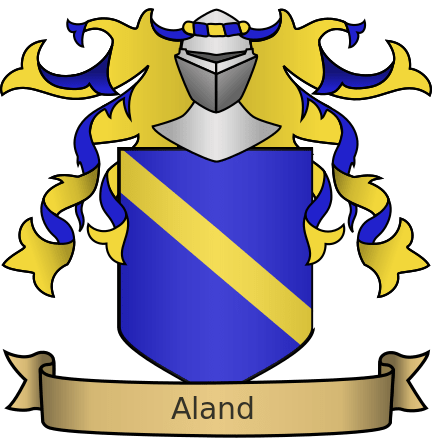
Kingdom of Aland
Established Midspring, 750 C.A.
Feudal monarchy (ruled by a hereditary King/Queen who is aided by nobles); Lawful Neutral
The realm of Aland is a traditional monarchy in the vein of the old Great Kingdom. The noble ranks and organization follows exactly in the structure used by the former empire. Arguably, it is the largest of the three original kingdoms, and it is the most ordered and organized as well.
Ever since its reinstatement, the Kingdom of Aland has had tense relations with its distant neighbor, the Kingdom of Uland. Though a few violent battles have broken out between the two due to pride and misunderstandings, the two nations are not officially at war with one another, but highly suspicious nonetheless.
Kingdom of Iland
Established Midwinter, 500 C.A.
Feudal monarchy (ruled by a hereditary King/Queen who is aided by nobles); Neutral
The realm of Iland is a traditional monarchy in the vein of the old Great Kingdom. The noble ranks and organization follows exactly in the structure used by the former empire. It is the descendant of the original kingdom which conquered Aland and Uland to form the Great Kingdom. Now, it is a prosperous though troubled nation seeking to keep to itself and stay out of conflict.
Unfortunately, though it seeks to be a neutral nation in regards to regional politics, it is often viewed suspiciously or promisingly by its neighboring nations. Both Aland and Uland worry that Iland may be forming an alliance with its rival, or hope to win over Iland so that they can form an alliance with their rival.
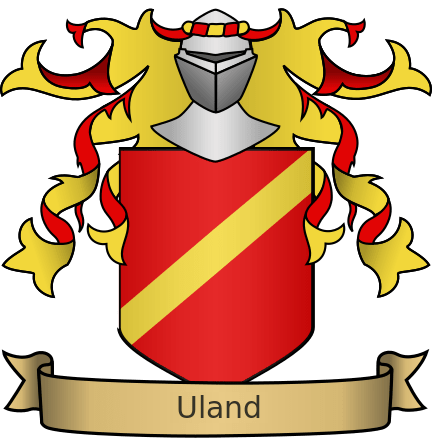
Kingdom of Uland
Established Midautumn, 750 C.A.
Feudal monarchy (ruled by a hereditary King/Queen who is aided by nobles); Chaotic Neutral
The realm of Uland is a traditional monarchy in the vein of the old Great Kingdom. The noble ranks and organization follows exactly in the structure used by the former empire. It is the smallest and least organized of the three original kingdoms, and has not progressed as far as its neighbors due to internal power struggles and a failure to unify in order to effectively deal with internal threats.
The Kingdom of Uland has always been highly suspicious of its neighbors, but it has a special enmity for the Kingdom of Aland. Though a few violent battles have broken out between the two due to pride and misunderstandings, the two nations are not officially at war with one another, but highly suspicious nonetheless.
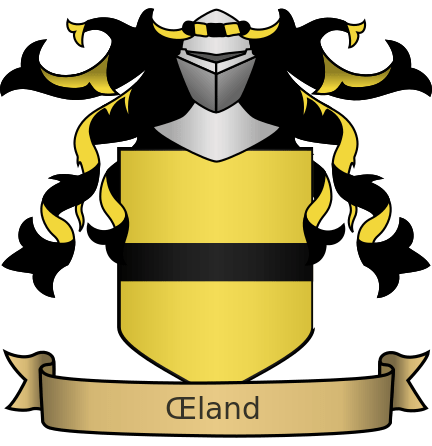
Kingdom of Œland
Established Midsummer, 600 C.A.
Feudal monarchy (ruled by a hereditary King/Queen who is aided by nobles); Neutral
Capital: Sandford
Notable Towns: Walton
Notable Holds: Fordfort, Wallburg
The realm of Œland was the first nation to join the fledgling Great Empire. Over the past few centuries, orcs fleeing oppression and exploitation by the Khanate of Qudesh have settled in Œland, and most have peacefully integrated with the human and other citizens of the kingdom. Today, it seeks to grow and prosper while fending off attacks from raiders in the south and pirates and spies from the Archduchy of Hellport to the west.
The hold of Wallburg is a long-lost dwarven delve, once part of the Great Underground Jarldom of Dwyrheim. However, several clanless dwarves have reclaimed and settled the old delve with the permission of the King of Œland, as long as they remain loyal subjects to the crown. As such, Wallburg is an unofficial delve, closely allied with Dwyrheim but not a part of it, and as such it is ruled by an elected Burgrave instead of a clan-based hereditary Voivod.
City-States and Free Cities of the Heartlands
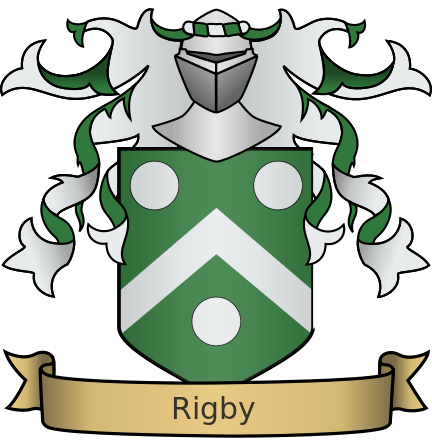
Earldom of Rigby
Established Newyear, 10 C.A.
Feudal monarchy (ruled by a hereditary Earl who is aided by nobles); Neutral
The earldom of Rigby is an independent city-state closely aligned with the neighboring dwarves of Stanburg, as well as the elves of Eldor. Though it has been asked multiple times to merge with the neighboring kingdom of Iland, the residents and sovereign prefer to keep autonomy and avoid the intrigues that infiltrate Iland. It is built on the remains of the dwarven delve once known as Ridgeburg, home to the now-lost Coastrig clan. Rigby was the first community to establish itself after the fall of the Great Empire, and as such, it is the largest settlement in the entirety of Iorth.
The nation is ruled by an Earl, who with the council of various Barons administers the city-state and its surrounds. Due to influence from its neighbors, as well as noting the progress of its distant neighbor, the Kingdom of Wyland, the Earl of Rigby is considering adopting a new form of government, which involves elected officials as well as hereditary nobility. This is a source of tension for the Earl, since some of the barons wish to maintain their monopoly on power while others seek to bring about reforms. One group that supports the Earl in the desire to institute reforms is the House of Verdigris, which often undertakes explorative and altruistic ventures.
Grand Principality of Newton
Established Midsummer, 1200 C.A.
Feudal monarchy (ruled by a hereditary Grand Prince/Grand Princess who is aided by nobles); Neutral
The youngest community in the Heartlands, the Grand Principality of Newton arose from the ruins of the lone settlement of Newport that was established during the final years of the Great Empire. The settlement was devastated during Year Zero, and abandoned for centuries until a brave band of adventurers cleared out the ruins and helped settlers establish Newton. The ruling sovereign of the city-state is the Grand Prince or Grand Princess, who boasts of a claim of legitimate ties to the crown prince of the lost-lost Great Imperial Throne. This monarch is assisted by a retinue of hereditary Barons and Baronesses and recently-endowed Yunkers to administer and rule the city-state.
This nation faces several challenges, including gentle but constant pressure to align with the Kingdom of Aland, as well as discreet, underhanded efforts by the Archduchy of Hellport to align with them. The Grand Prince often has to deal with schemes and plots by the barons and yunkers of the grand houses in addition to pressure from outside sources. One significant challenge to the Grand Prince’s authority is the House of Humperdink, which is rumored to be deeply connected to various criminal elements.
Free City of Covestead
Established Midwinter, 850 C.A.
Near-anarchic autocracy (the Right Honorable High Admiral Lord Mayor); Chaotic Neutral
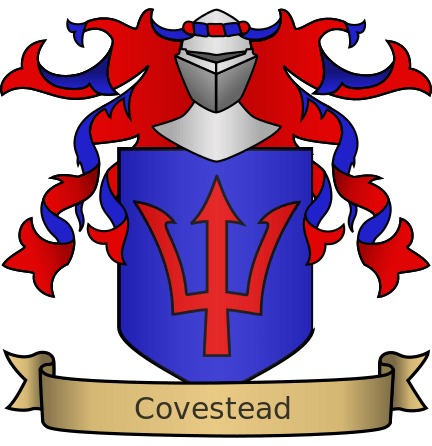
The Free City of Covestead is a near-anarchy which happens to serve as a port of call for several pirates in the region. While apparently lawless, it is controlled entirely by the self-appointed and popularly-supported Right Honorable High Admiral Lord Mayor, or Admiral-Mayor. The Admiral-Mayor not only commands the town but also the small fleet that defends it, and his authority is absolute over any pirate ship that ports at Covestead.
Officials appointed by the Admiral-Mayor often have made up and somewhat inconsistent titles ascribed to them. However, the Admiral-Mayor is also in command over the mercenaries that serve as bodyguards, town guards, soldiers, and marines when needed—the Myrmidons (treat as veterans from the Monster Manual). The Admiral-Mayor rules according to his whims, and thus the rules and guidelines of the city seems to change regularly, preventing many from being able to reliably state or rely upon the decreed laws proclaimed by the Admiral-Mayor. The pirate stronghold finds itself frequently in conflict with its neighbors, but only do the ships from the city-state of Upton actively hunt down and destroy virtually any ship from Covestead.
Palatinate of Upton
Established Midsummer, 850 C.A.
Parliamentary monarchy (ruled by a Palsgrave and an elected Parliament); Lawful Neutral
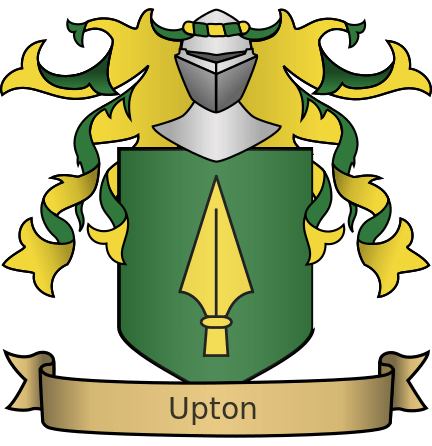
The Palatinate of Upton is on the northern edge of the Heartlands, serving as a bastion against the untamed north, as well as a vigilant hunter of pirates from the north as well as from the infamous den of piracy, Covestead. Allied with Aland but fiercely independent, people of the city-state do their best to promote peaceful trade with the tribes of the north (as opposed to outright military conquest), but are not so peaceful as to permit abuses of their courtesy or ignore any attempts to seize land, people, or power from its grasp.
The Palsgrave of Upton actively tries to remain neutral in regards to the conflicts between the major kingdoms, but also expects non-interference from other nations. The elected members of the Parliament come from the upper levels of society, as only the well-to-do or outright wealthy have the means to pursue electoral campaigns (not to mention the constitutionally-stated rights to do so). All members of Parliament know that their elections are approved and accepted by the Palsgrave, who may choose to call for a re-election if the situation calls for it.
Archduchy of Hellport
Established Midyear, 666 C.A.
Autocracy (ruled by an Archduke); Neutral Evil
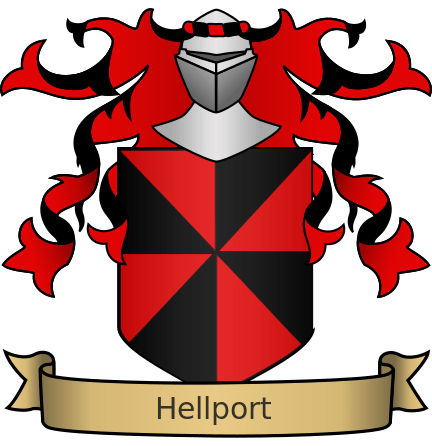
Founded by an exiled and outlawed treasonous Duke from the Great Empire, Hellport has a strict tyrannical autocracy, controlled by its uncompromising ruler, the Archduke or Archduchess. The ruler has a harem of consorts, none of whom hold any notable title or political power. The nobles of Hellport hold some offices in service to the ruler, but the Archduke holds absolute power.
The Archduchy is the only known nation in Iorth that has the Path of Darkness as an official state religion. Members of other faiths practice in secret, since they are primary targets for blood sacrifices made by the devout of the Path of Darkness. The Archduke has several agents throughout Iorth, working to corrupt and control other nations in order to enable the Archduke to gain more power. It is rumored that the Archduchy has strong diplomatic relations with the serpentkin nation of Koatlan.
Citadel of Zurik
Established before the Great Age
Feudal monarchy (ruled by an elected noble Burgrave, who in turn is aided by a Board of Burgomasters); Neutral Good
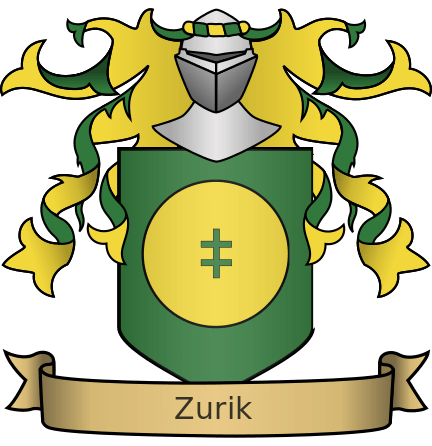
Bordering the Realm of Eldor is the independent fortress settlement of Zurik, a gnomish city-state ruled by an appointed Burgrave who rules with the assistance of a council selected from the nobility, known as the Board of Burgomasters. The settlement of Zurik is independent from the neighboring realm of Eldor since it is not only a major trading hub, but also the home settlement and main vault of one of the most powerful and prestigious guilds in all of Iorth: the Coin Guild.
This is immediately evident from the heraldic device of the settlement, which not only echoes the stylings of Eldor’s device, but modified it to resemble a gold coin bearing the hallmark of the guild. Many members of the nobility and other significant individuals have some link to the Coin Guild.
Independent Holds of the Heartlands
In addition to the nations and independent settlements of the Heartlands, there are a few autonomous communities in the Heartlands that are not regarded as nations, per se, but are shown deference by other nations and granted self-rule.
Oddness Keep
Though comparable to a thorpe in population, this hold west of Covestead is said to be the residence and stronghold of the famous war wizard Morgensternum the Gray, as well as a base of operations for the organization he established: the Knights Magi. The pirates of Covestead dare not trespass on the lands overseen by the keep, nor commit piracy in waters clearly in view of the keep for fear that the archmage will make his presence and disapproval known.
Very few are permitted to enter Oddness Keep, and those who do are granted the express permission of Morgensternum himself. None witness the archmage enter or leave his stronghold, though to be fair, his powerful magics enable him to leave or enter the keep as he wishes when he wishes. In addition, none of the other members of the ruling council of the Knights Magi are witnessed entering or leaving the stronghold, either. Those who do so regularly are often servants of the keep, attending to their regular duties within or without the mysterious stronghold’s walls.
The massive keep is patrolled regularly by griffon-riding soldiers wearing the livery of the Knights Magi. Their charge is to protect the occupants of the keep, and not to enforce the will or whims of its master.
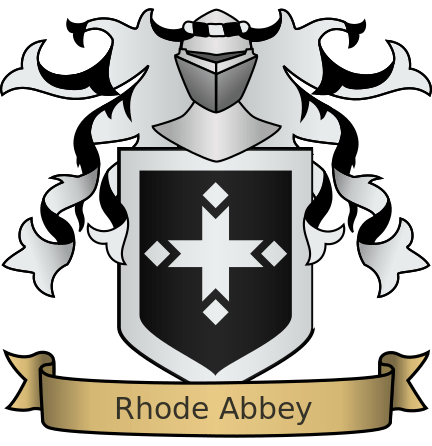
Rhode Abbey
This abbey is nestled at the base of the Great Mountains, just west of the town of Hilton in Aland. The last monastery of the Great Monasteries of the Great Empire, the thousand or so ascetics who pray, meditate, and practice their arts at Rhode Abbey in relative peace and seclusion.
The monastery of Rhode Abbey is the largest monastery in the Heartlands of Iorth, as well as the only non-denominational monastery in all of Iorth. Per legend, four wandering monks, each of a different discipline of their faith, traveled the wild in search of a sign of their faiths. Then, as the four encountered each other at the base of the Great Mountains after clearing the Great Forest, all four monks experienced a vision of Luzia, the Diamond Angel blessing them and encouraging unity. After that vision, St. Johan, St. Pavel, St. Georg, and St. Rikar, collectively known as the Four Priors, all worked together to build the monastery themselves. Over time, their message of unity and peace attracted more devout ascetics, causing the abbey to grow into the massive complex that it is currently.
The ascetics of Rhode Abbey advocate unity and peace throughout the land, and they work to preserve works of art, literature, and music so that future generations may enjoy them. The monks and nuns who are trained at Rhode Abbey practice various faiths, but out of respect for the institution they express professional courtesy to each other, and will even avoid conflict with each other in respect of their shared experience.
The ascetics of Rhode Abbey are sorted into four schools, or cloisters, each names after one of the Four Priors. As such, each ascetic receives a set of prayer beads that are the color associated with each cloister: green for St. Johan; blue for St. Pavel; purple for St. Georg; and red for St. Rikar. This sorting is focused more on prayer and visions rather than on ascetic disciplines or fields of interest.
Below the Map: Nations of the Nether Lands
Though not commonly known, there are established pathways to the underground reaches known asn the Nether Lands. These underground regions are home to several folk hidden from the world at large, though the infamy of the mad troglodytes and their bold nighttime raids on the surface world are what typically come to mind for many people. Known pathways include:
Deepest of the Caverns of Skara Brae
Lowest depths of Stanburg
Lowest depths of Bludburg
Lowest depths of Bergburg
Lowest depths of Leadburg
Lowest depths of Wallburg
Lowest depths of Moorsburg (now the dungeon known as the Dankvault)
Basement of the Pyramid of Skeem
Lowest depths of the Dungeon of Doom
Dungeon Basement of Castle Greyhound
Caves by Oddness Keep
Depths of Undor
Established during the Ancient Age
Autocracy (ruled by a hereditary Despot); Neutral Evil
Capital: Undawer
Notable Havens: Leadburg
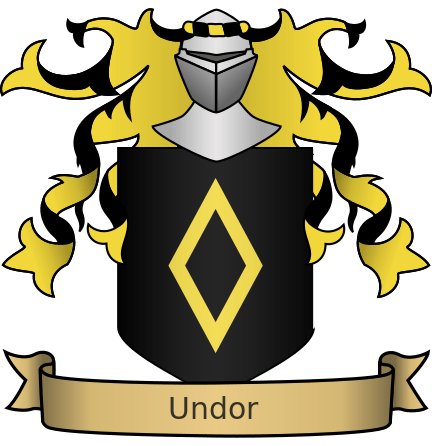
The nation of Undor lies deep within the underground depths of the Nether Lands. Ruled by the all-powerful Despot, the noble houses have to be manipulated and managed by the sovereign in order to maintain power. The leader of a sect is known as a Lord or Lady. A satrapy of Undor is the sole holdout of Leadfist dwarves in Leadburg, led by a Viscount.
Undor once was solely an elven colony in the Nether Lands until the ending years of the Dawning Age. However, the cruel machinations of the archlich Marban and his servants saw the enclave be overrun by enslaved and corrupted dwarves of the Leadfist clan and new, strange, and terrifying beings known as troglodytes. The troglodytes claimed Undor and use it as a base of power in their goal to obtain absolute control over the Nether Lands. The cruel dwarves of the Leadfist clan are allies of the troglodytes, often working on the sunlit surface which the troglodytes refuse to endure.
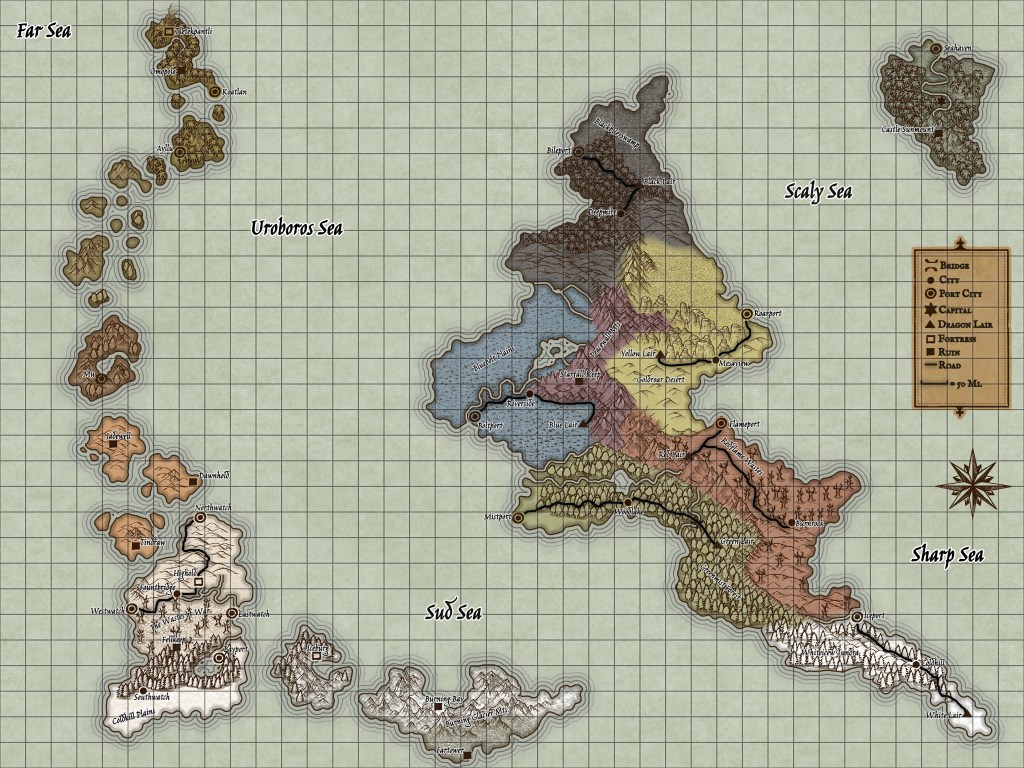
In the southern hemisphere, on the far side of Iorth from the Heartlands, resides the legendary dragon-ruled nations known as the Wyrmleague. In addition, the independent lizardfolk nation of Saurland lies to the east, while the serpentkin city-state of Koatlan is to the far northwest. To the west of the Wyrmleague is the long-forgotten minotaur Tauropolis of Mu. Southwest are the lands of the hobgoblin state of Odol, and the long-lost dwarven dwelve of Iceburg. Scattered over several islands are the hidden communities that make up the Veiled League.








 Iorthbound