Category: Peoples

Peoples of Iorth: Elves and Related Kin

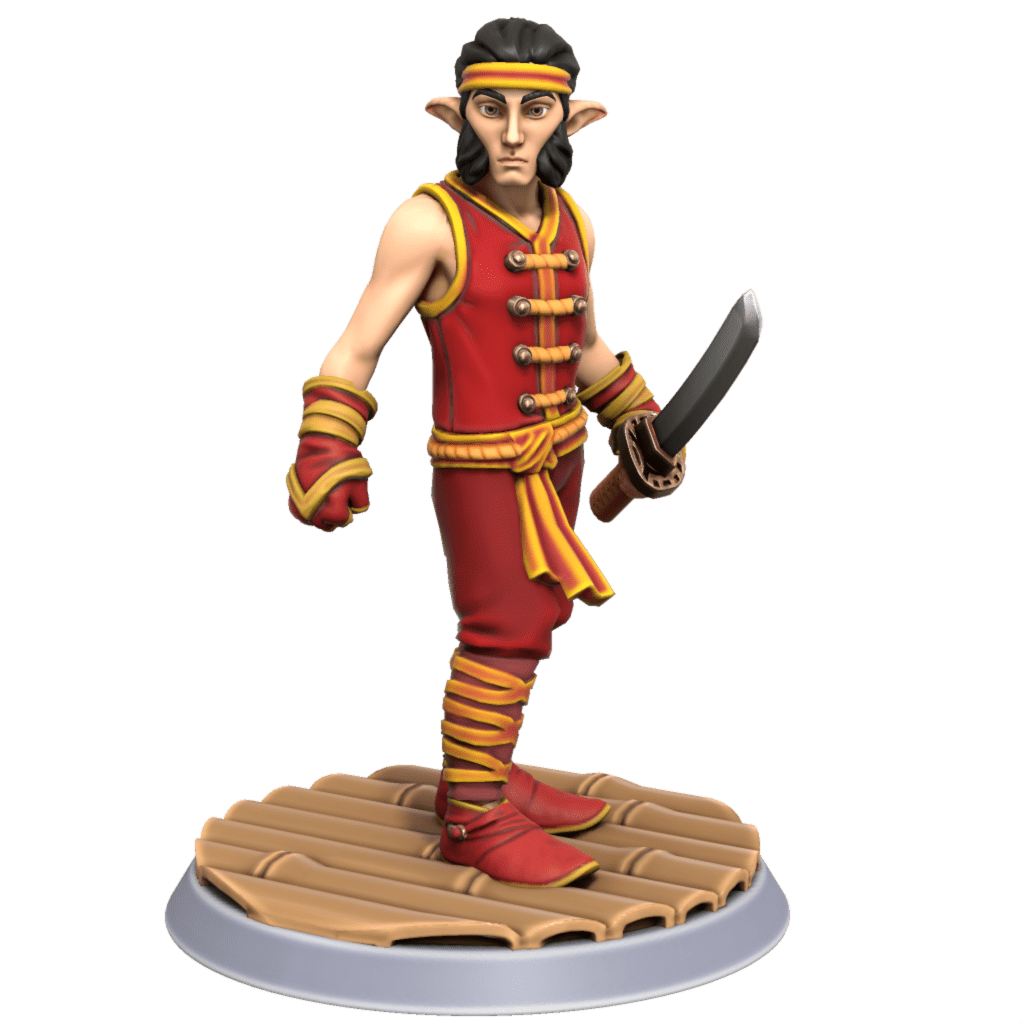
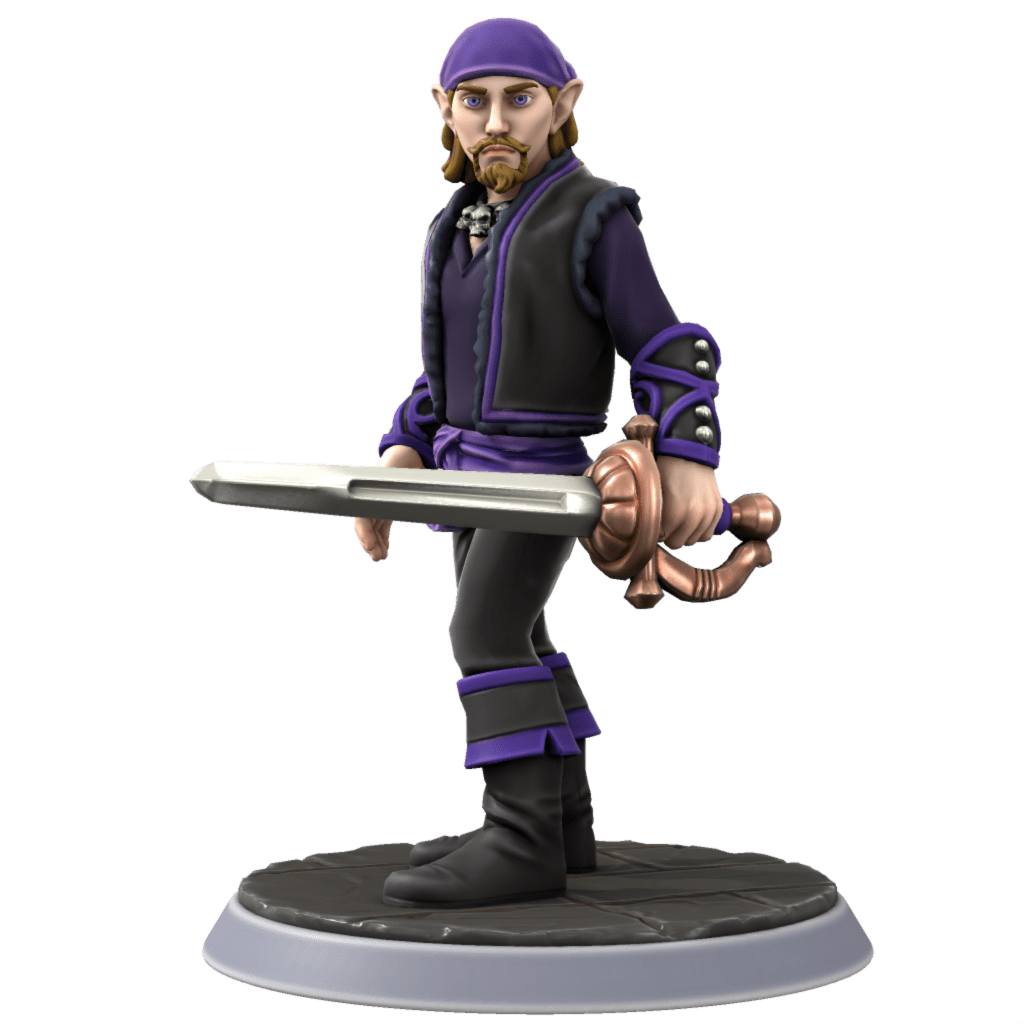
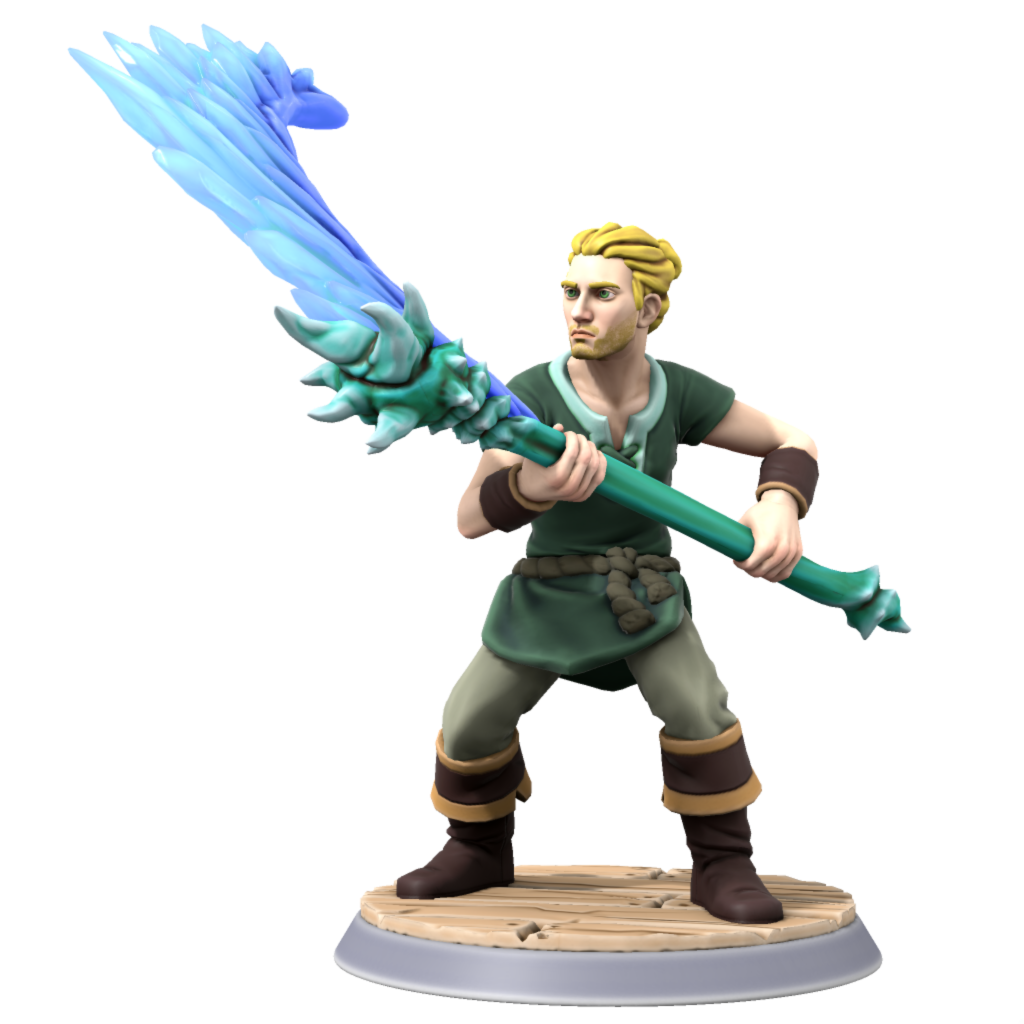
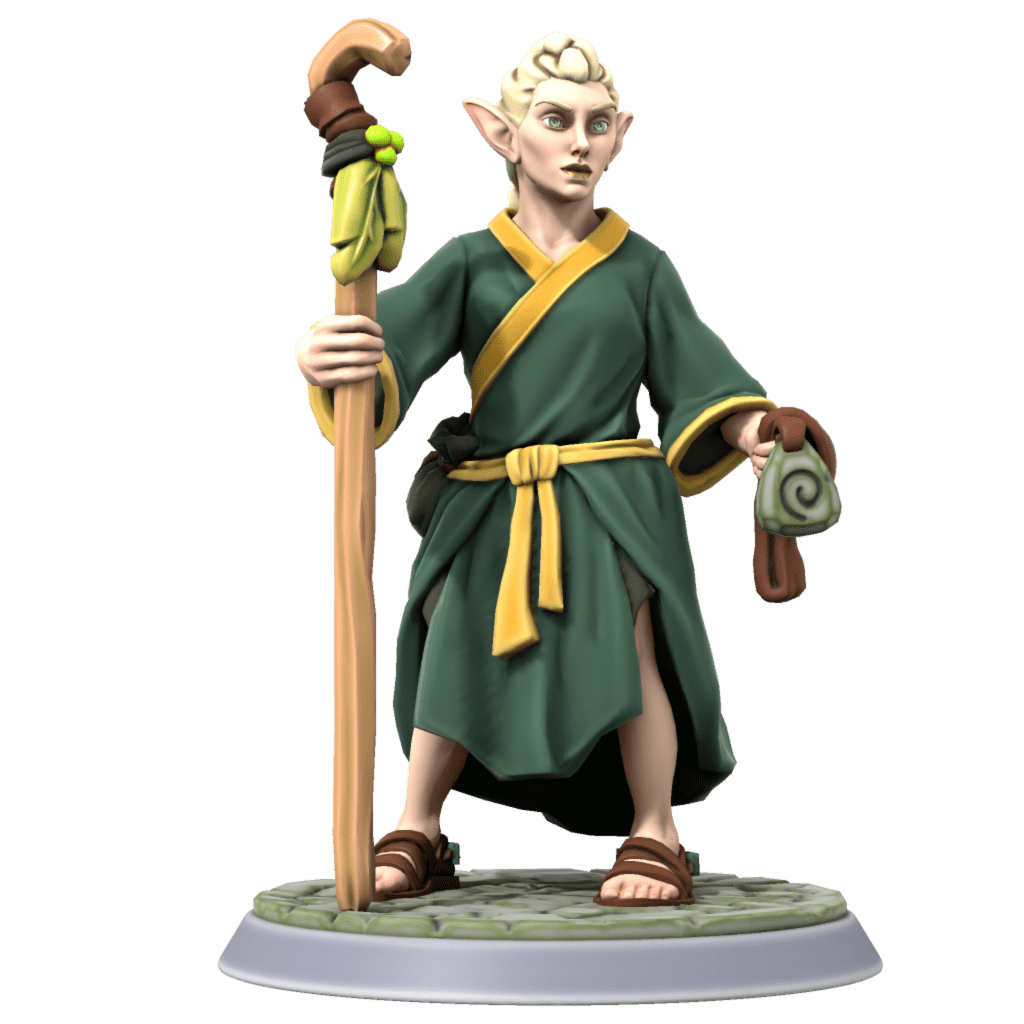
Elves are one of the oldest groups of folk on Iorth. They appear to be human-sized beings with builds that are a bit more slender than those of humans, with almond-shaped eyes and pointed ears. Elves tend to have naturally straight or wavy hair, though a few with traces of human heritage may have curly or kinky hair. Furthermore, elves have a broad spectrum of intense eye colors, though brown eyes are considered a sign of human lineage. Elves are predominantly left-handed, with a few of their number being right-handed or ambidextrous, in a sort of inverse version of human trends of handedness. As such, the term “elf-handed” is deemed a synonym for left-handedness in Iorth.

Appearing along with other types of fey during prehistory, the elves wandered the world until they found the ideal areas to settle in. These areas have aspects which naturally attune to magics allowing for travel between the Shimmer or the Shadow to and from the Prime Material realm. Each realm is deemed a nation in its own right, and the “boundaries” of many elven settlements extend from the main reality into one or both of those reflective realities. These realms include the lush, forested realm of Eldor, the far-flung isolated island realm of Ardor, the undersea realm of Wedor, and the subterranean realm of Undor.

Though each group of elves settled in a realm best suited to their desires and inclinations, all elves speak the same language which descended from the language of the fey. The Elvish language is a musical, beautiful, elaborate language which can richly describe complex concepts in a few precise terms. Furthermore, the spelling of Elvish is exactingly phonetic; words are spelled the exact way they are pronounced, eliminating any potential confusion for those learning the language. Also, due to their extremely long lifespans, the consistency of Elvish between various groups of elves is remarkable; the only distinction of any sort of dialect is due to simple word choices preferred by a particular group of elves, rather than any changes in pronunciation. However, one notable aspect of Elvish that came from its roots in the fey language of Sylvan is that the only differences between pronouns are singular, plural, and possessive forms for an entity or an object. So concepts for beings such as “he” or “she” are not present in Elvish as pronouns, but are replaced with something akin to “one” or a singular “they.” Instead, there are affixes used to describe gender or form which are used only for distinction or preferred identity. This is due to the mutable forms of many fey beings which cannot be easily described in such limited binary terms. 

Despite where a group of elves resides, all have a love of the natural world and its wonders. The religion known as the Path of Nature was founded by an elf, and the religious practice of druidism was started by the elves. However, this love of nature is coupled with a passion for all sorts of arts, whether just creative or immensely practical. Elves are renowned for their artisanal skill, rivaled only by that of the dwarves. However, elves are extremely adept with arcane magic. Many of the practices and methods used by bards and wizards alike were established by elven practitioners of the craft.

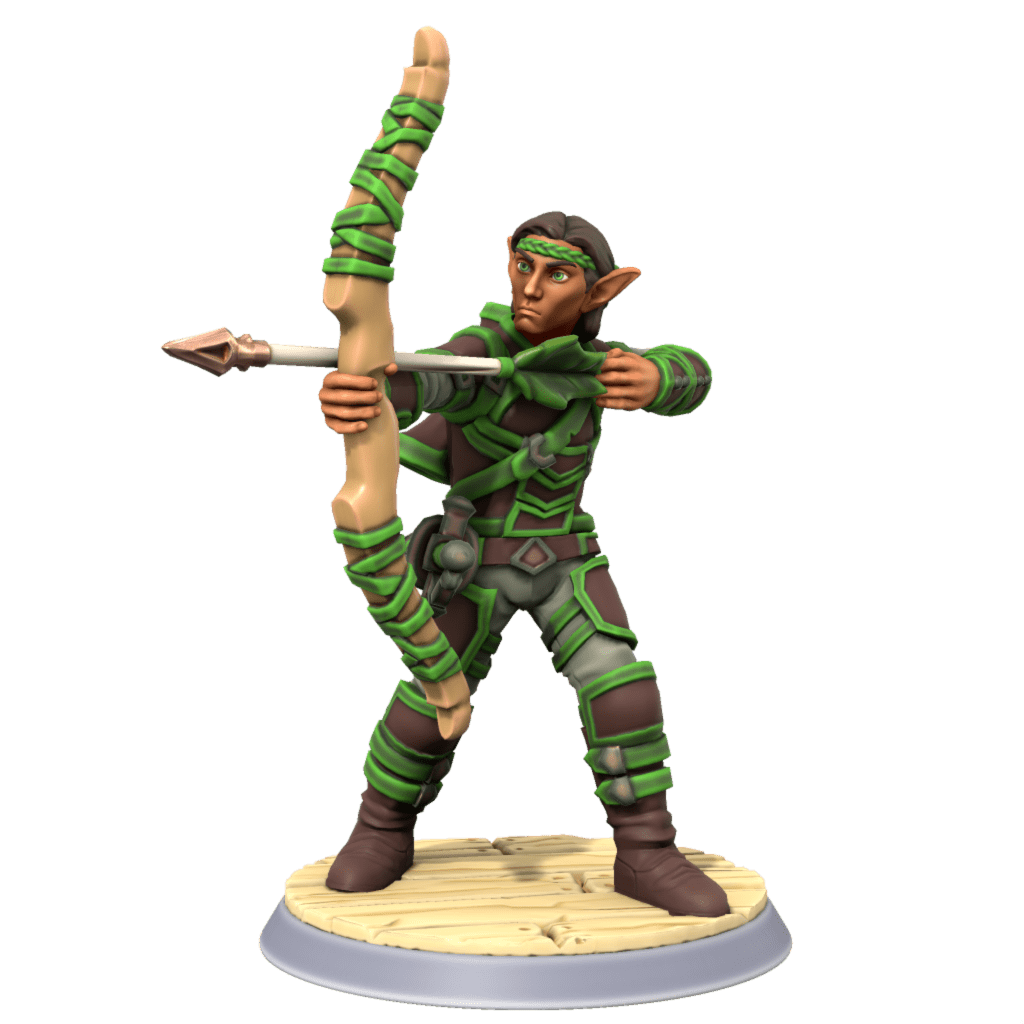
Wood elves are the most common variety of elves encountered in Iorth. Dwelling primarily in pristine forests and ancient woodlands, the wood elves live a life of harmony with the natural world. Many wood elves reside in the realm of Eldor in the Heartlands. The elves of Eldor have close, friendly relationships with the citizens of the Free City of Rigby and the island Kingdom of Wyland, as well as with their neighbors, the Bluestone dwarf clan.

The next-most common variety of elves encountered in Iorth are the high elves. The high elves reside in hidden enclaves near or at potent magical nexuses, where they develop their magic and knowledge. The largest enclave of high elves on Iorth reside in the far-flung isolated island of Ardor. While the elves of Ardor are gracious hosts, they do not lightly share the location of their home to outsiders.

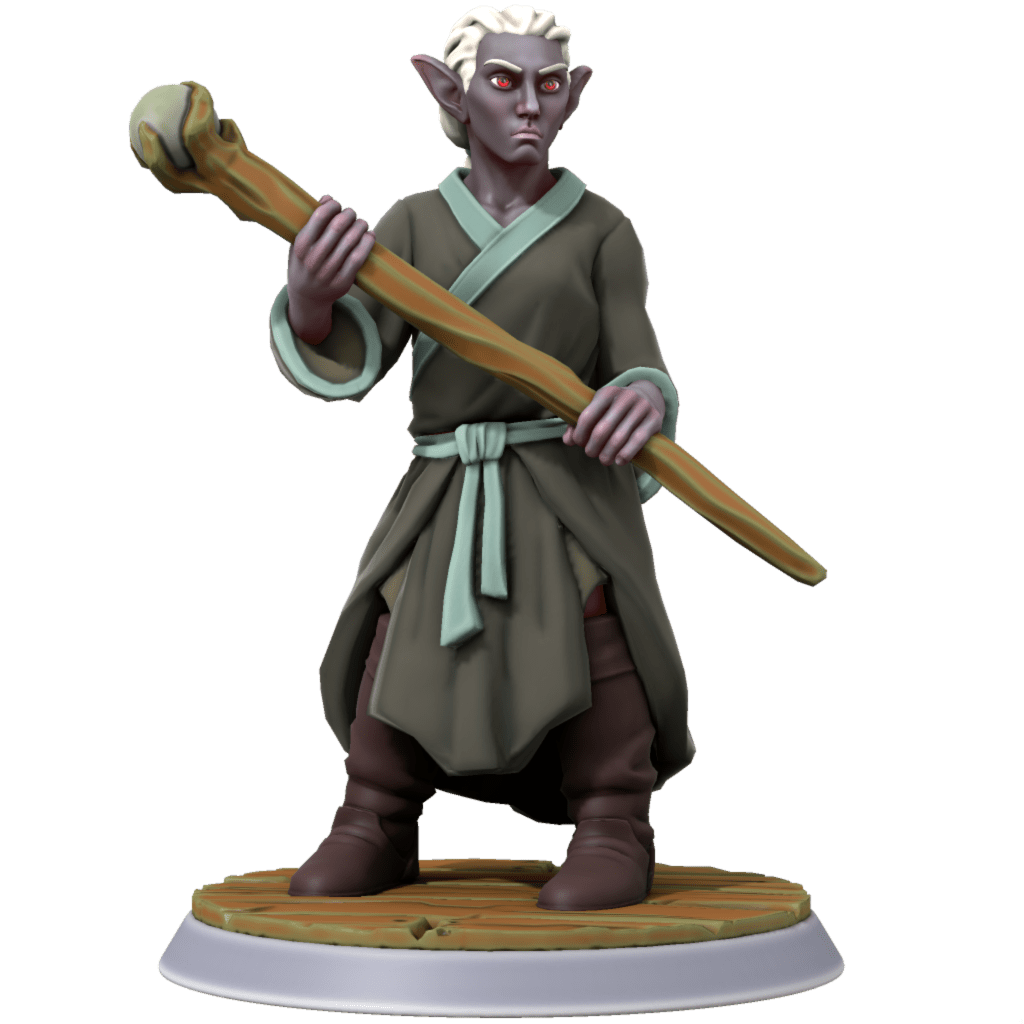
Dwelling in vast, deep, natural caverns, the cave elves live peaceful lives of seclusion, tending to the underground ecosystem just as wood elves tend to the forest and wilderness. Cave elves have pale white to silvery gray or platinum blond hair, a purplish-gray complexion, and bright eyes of almost any color. Originally from the subterranean realm of Undor, the cave elves were driven out of their home by hordes of troglodytes and their nightmarish servants. Now, many cave elf diasporas dwell in cavernous settlements scattered throughout the Nether Lands, or in subterranean homes within the borders of other elven realms such as Eldor or Ardor.

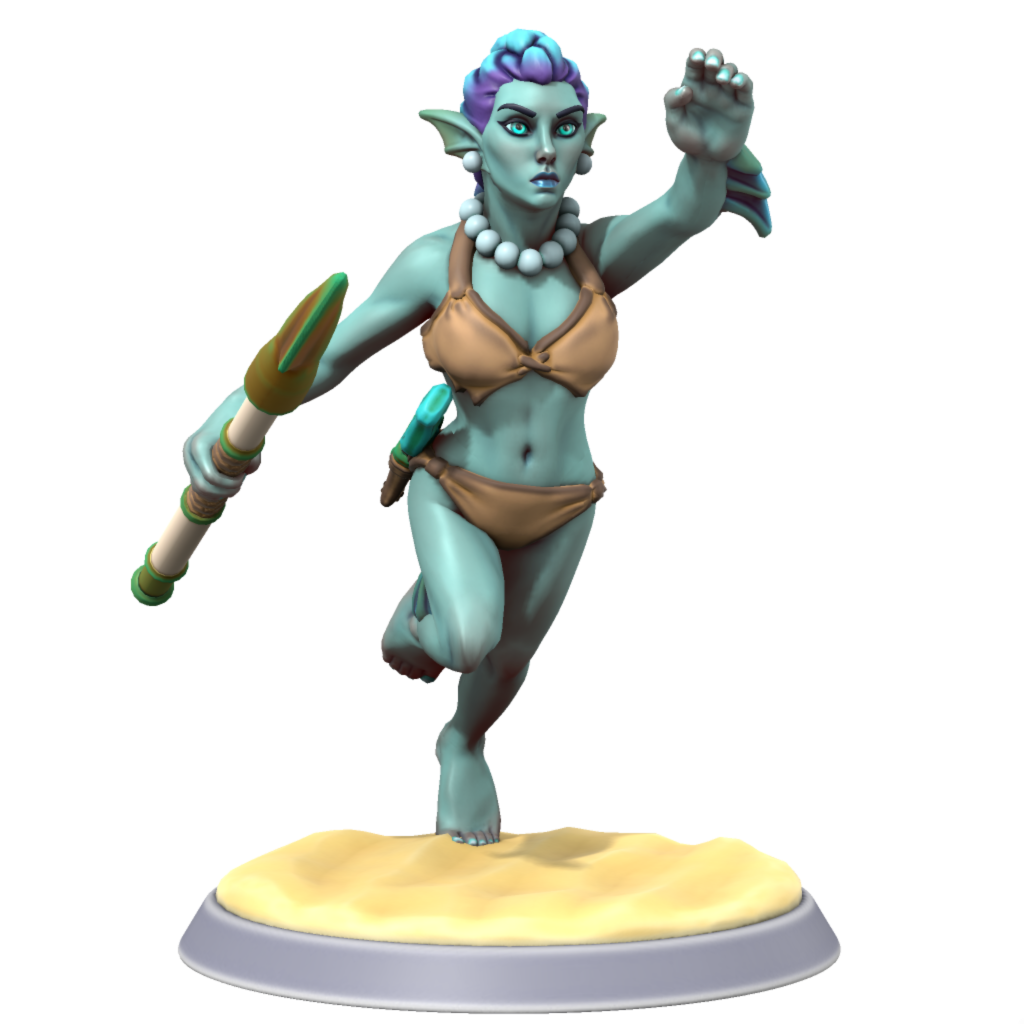
Warm coastal waters are the home of sea elves, a nomadic people who travel the ocean and tend to the sea life year after year. A few groups of sea elves have established permanent communities, though they often see influxes of groups of merfolk or other sea elves passing through their waters. Sea elves have dark teal hair, aquamarine complexions, and bright eyes of almost any color. They have webbed toes and half-webbed hands (allowing for some degree of manual dexterity), and small gill-like structures behind and below their jaws that are hard to notice. Though they travel the oceans, their underwater realm of Wedor is the only permanent settlement for the sea elves in Iorth.

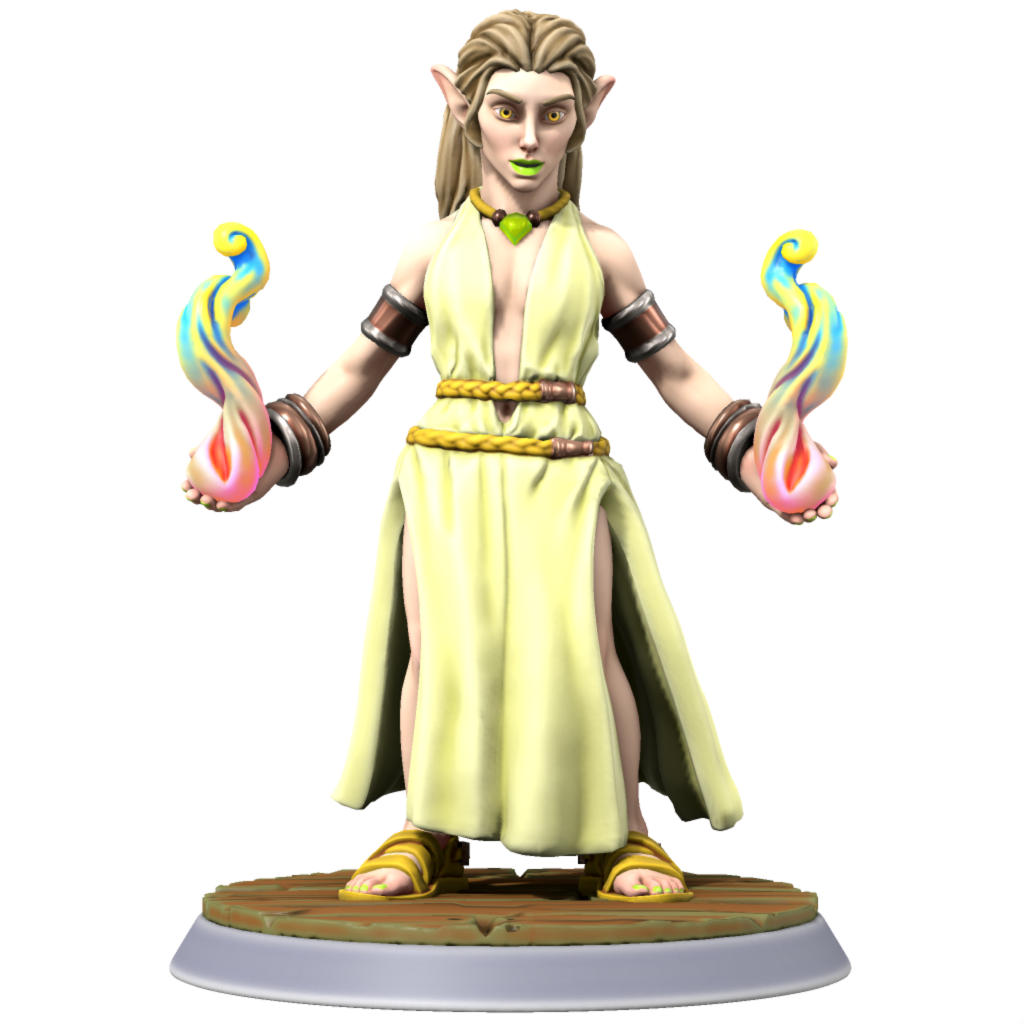
Wandering across the Astral Plane and deep in the reflective reality known as the Shimmer, the light elves are a group of free-spirited, jovial beings who seem timeless. The light elves rarely leave the Shimmer, but those who do view their excursions with a sense of discovery and wonder. They embody freedom and possibility, cherishing life to its fullest. Light elves have white hair, bright white skin, and bright colorful blue or green eyes. The light elves prefer to wear light, airy, comfortable clothes in white or bright pastel colors.

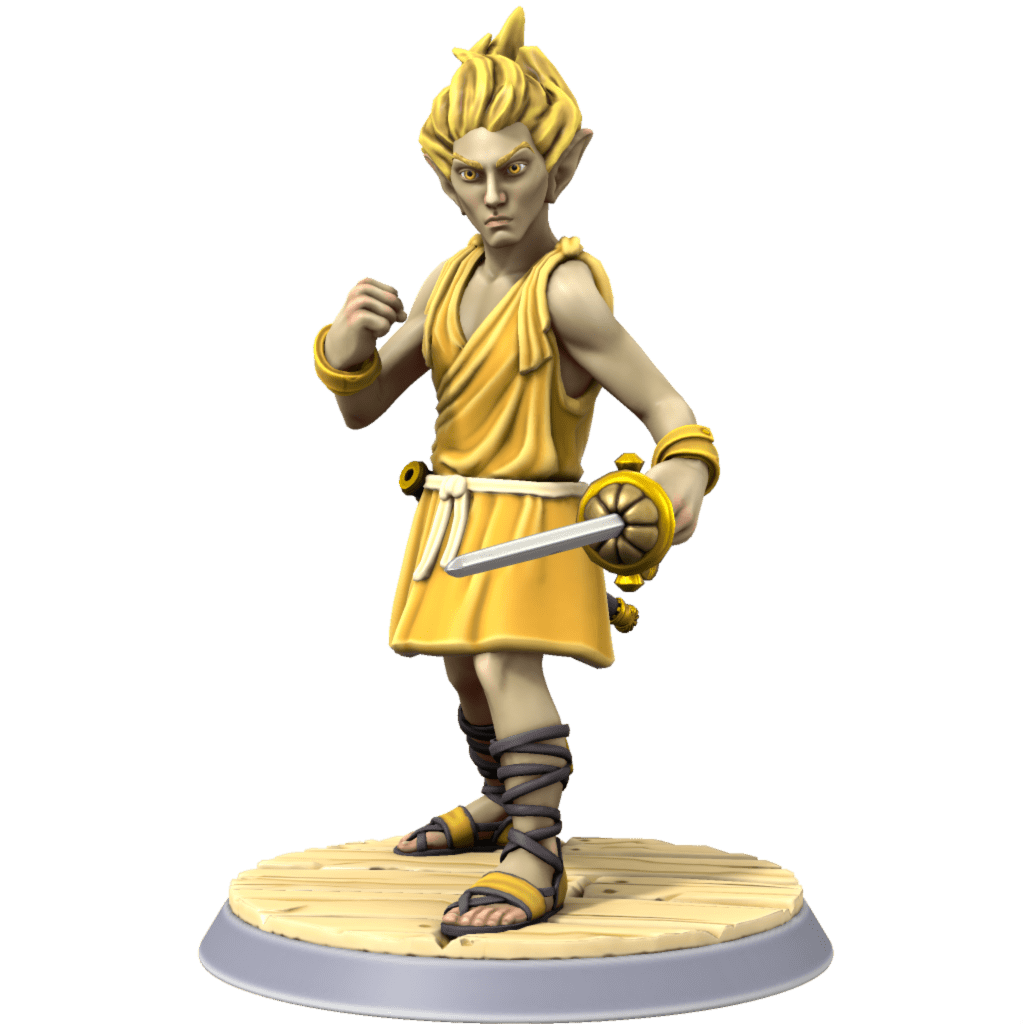
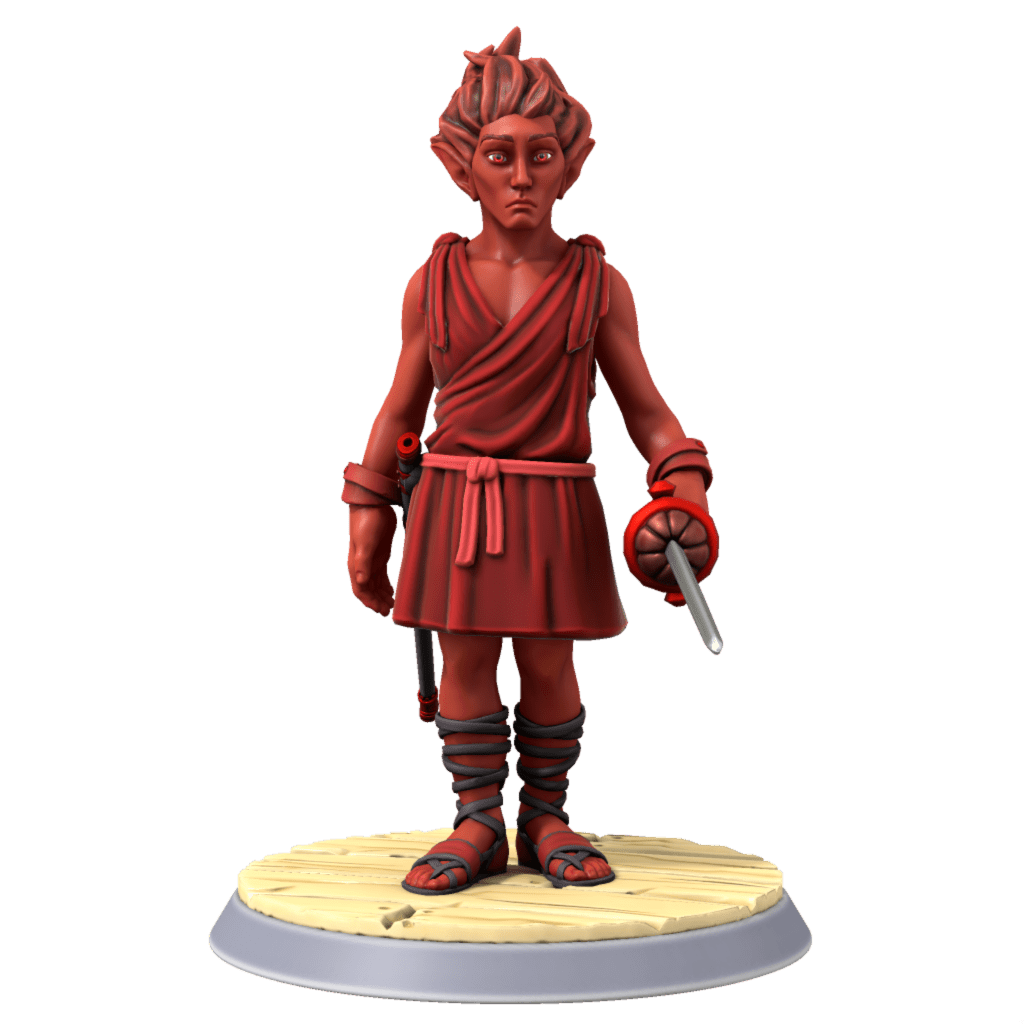
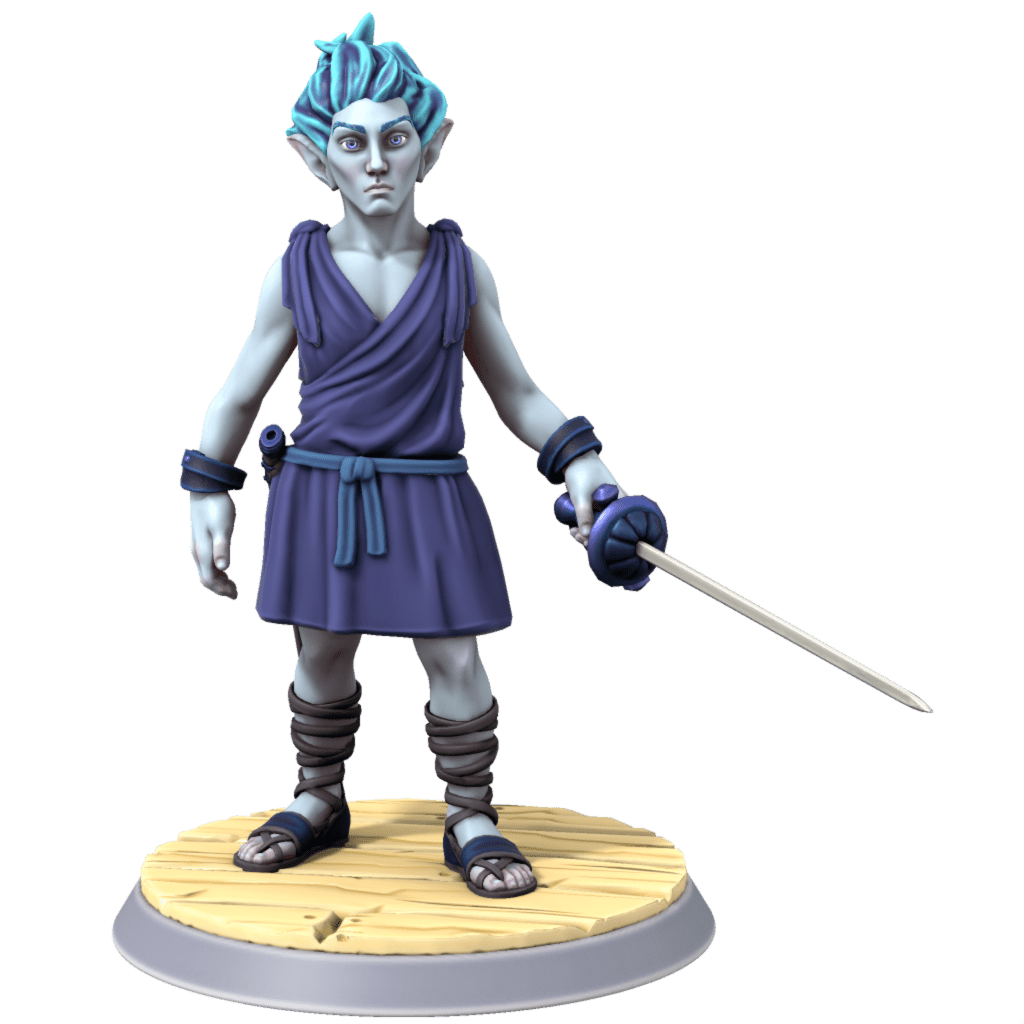
In addition, a group of some elves who have bonded closely with the Shimmer take on the vibrant and drastic aspects of the seasons in their home realm. Known as eladrin, they embody the natural cycles of nature, and take on colorful forms with innate magical traits that echo the seasons.

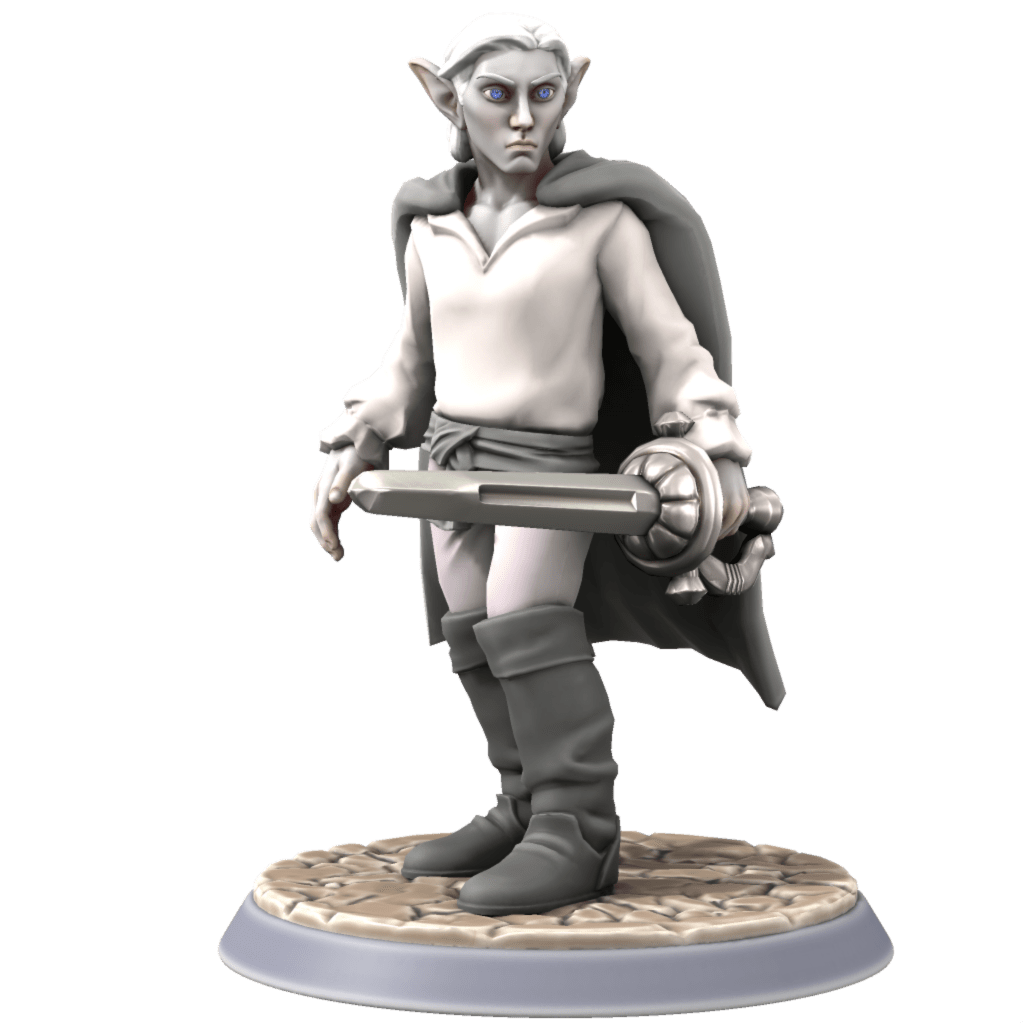
Conversely, deep in the reflective reality known as the Shadow, the dark elves are a group of grim, rigid, dour beings who feel perpetual. The dark elves rarely leave the Shadow, but those who do view their excursions with a sense of necessity and duty. They embody destiny and consequences, waiting for entropy and death inevitably to claim everything. Dark elves have black hair, deep black skin, and burning intense red or yellow eyes. The dark elves prefer to wear simple, dark, formal clothes in deep grays and blacks, with the occasional slight hint of color.

No matter where elves reside, many of their settlements tend to take one of two forms; the secluded yet comfortable home or farm of a family or individual, or the grand awe-inspiring town of a large community. For the latter, the town is located deep within the territory of the elves, within a location with strong natural defenses. The most prominent structure of the town is the palace of the leader of the community, which also serves as shelter for the whole community during times of adversity. An elven town is thoughtfully planned out, with areas clearly organized by need and purpose. However, nature is incorporated into every aspect of the town (it is the elves who are exemplars of what may be called “green living”). Materials and resources are reused and repurposed in order to prevent minimal damage to nature. What livestock elves have is usually free-range; for example, wood and high elves have a preference for raising poultry, along with a few other animals. Apiaries are very common, providing sources of honey and wax. Elves tend to maintain large herds of deer and antelope for hunting, though never for sport or excess. Nuts, berries, and fruit are often cultivated by elves, with a few areas dedicated for grain crops, and other areas cultivated for timber.

Regardless of which group an elf is a part of, elven craft and fashion is always elegant and effective. The elves wish for their creations to possess beauty, but they also need to be capable of performing their tasks and enduring over the centuries. An elven creation takes time, and it shows the investment of time within it. This attitude can be frustrating to the shorter-lived folk, but those who understand appreciate the effort put into the creations, whether it is an item, structure, or even a poem.

Elves are known for being excellent archers, and that is not without reason. Though long-lived, elves can die by violence just as any mortal can, so they strive to avoid the risk of death through clever fighting strategies. Many elves are taught some means of self-defense, since they are aware of the probability of encountering conflict at some point in their long lives. Skill with a bow is valued not only as a weapon of war, but also as a means of hunting. This weapon also is valued for skirmish fighting, which elves prefer to use as a means of warfare. As such, the elves also prefer lightweight, mobile forms of armor. For this purpose, the elves developed a form of mythryl mail that is so finely crafted and lightweight that it can be worn under clothing. In some other instances, elves have created protective magical tattoos that turn aside attacks just as effectively as a full suit of armor.

Elven armaments are selected for the environment they expect themselves to be fighting in. For many skirmishers, shorter weapons like single-handed swords or daggers are ideal, or even hand axes or maces. In warfare where more massed forces must face one another, the elves prefer spears and shields coupled with finely-made protective armor, with some of their number armed with polearms or greatswords as needed. Even then, masses of archers with powerful longbows are a key part of any elven armed force.

However, the environment is what guides an elf’s choices with arms and armor. Spears, tridents, and nets are the preferred arms of sea elves, along with shields shaped to not impede a sea elf’s swimming speed. With the cave elves, compact armaments such as crossbows and short swords are preferred due to the cramped subterranean conditions they find themselves in.

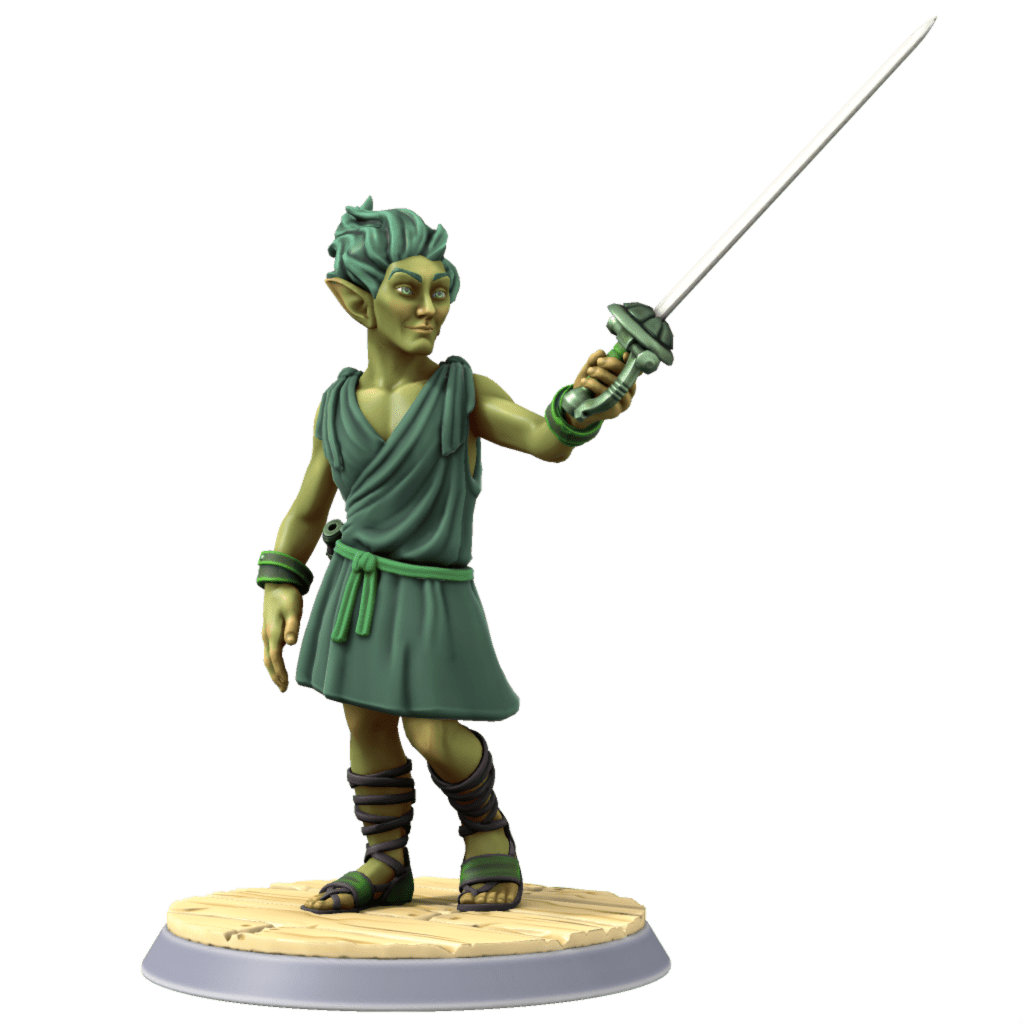
This pragmatic outlook to armaments is a key element behind the invention of a certain style of sword by the elves, which several other cultures have taken to in some form: the rapier. The rapier, and some varieties of longsword or short sword stylized as side swords, are meant for taking on lightly armored or unarmored opponents, usually in self-defense in an urban environment. The tendency for most human nobility to wear a rapier as a sidearm is in imitation of the custom by elven nobles during times of conflict; however, humans persist in wearing the weapon in not just times of conflict, but of relative peace as well. The complex hilt styles found on these weapons are widely varied, though elves tend to favor incorporating elements of their preferred natural environment into the design, whether it is vines and leaves, sea shells, or the like.

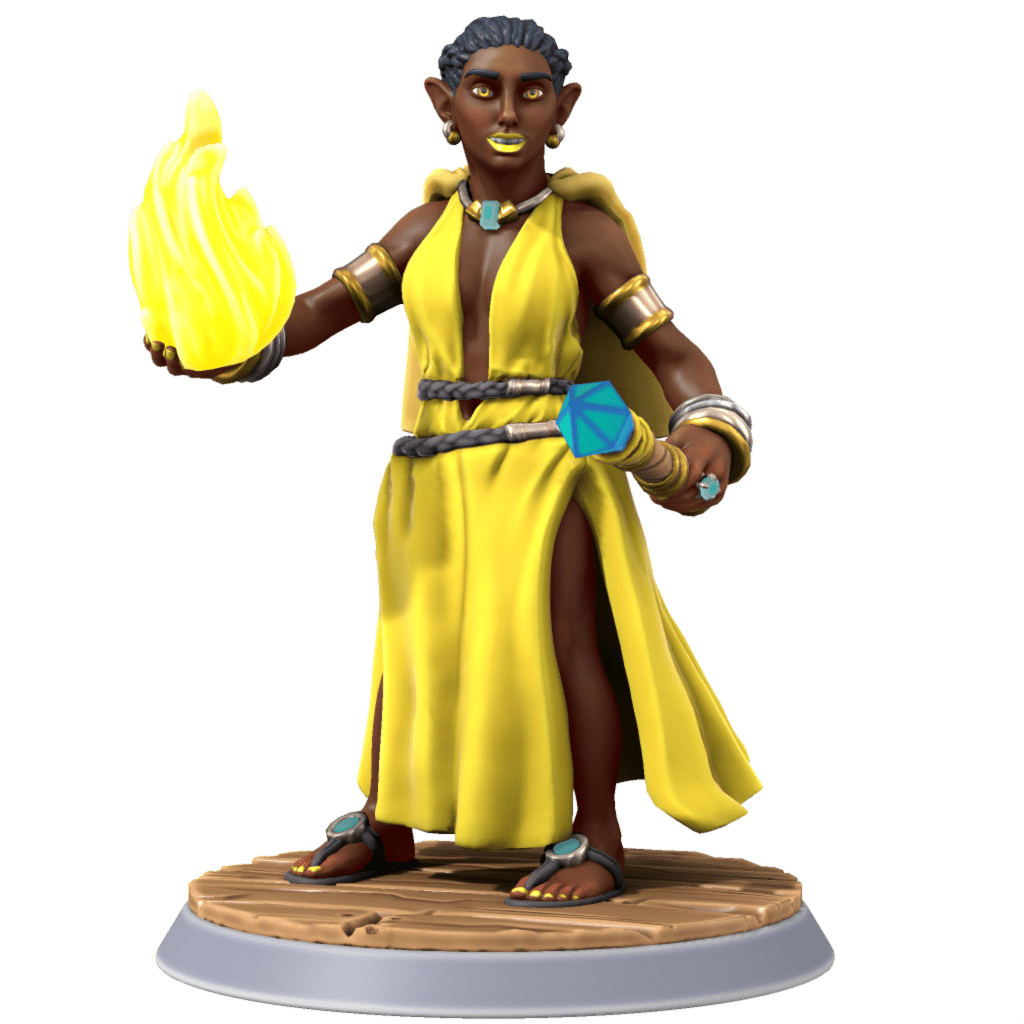
The greatest potential of elven culture is found in magic. Many of the major magical practices used in Iorth today were initially developed by elves. Magic is considered natural, and thus treated as a part of nature just as the elements. Several elves display some inherent magical talent, which they develop or pursue in some form. However, even if an elf does not have magical aptitudes or does not choose to pursue them, that elf is not valued any less by the rest of the elven community. In many cases, cleverness of craft is combined with magical dweomers to provide tools, gifts, or even defenses to aid an elf’s life or an elven community overall. A community established by elves rarely lacks a member talented as a wizard or bard, or devoted to druidism.

According to legend, the elves and fey were creations of the goddess of nature, Ki. The goddess desired to have beings reside in the world who cared for it rather than exploited it. So she created the fey, and from them, the elves. Additional legends state that Ki’s younger twin brothers, the god of light, An, and the god of darkness, Ur, influenced some of the elves with their knowledge, and thus dissent arose among the elves. To keep the peace among her creations, the goddess Ki took both light and shadow to make reflections of the world, where the elves influenced by An and Ur could reside peacefully. The elves influenced by An, who became the light elves, went to dwell in the realm of reflected light, known as the Shimmer. The elves corrupted by Ur, who became the dark elves, left to dwell in the realm of projected shadow, known as the Shadow. Ki then let her creations freely choose which realm where they wanted to reside. Many fey and some elves decided to reside in the Shimmer, while some cruel or mean fey left to dwell in the Shadow. However, the elves who chose to remain on Iorth settled down in the realms they found.

Though elves value tranquility, many do not isolate themselves from the wider world. In regions where elves and humans often interact, unions between the two peoples often result in children of mixed heritage. They are known as the elfan (a portmanteau of elf and human). The humans tend to refer to these children as “half-elves,” while elves tend to view them as human, due to their shorter life spans (though they still live longer than humans on average). Because of this, a majority of elfans are raised by their human parent or human foster parents, while very few are raised by their elven parent. Elfans typically share traits from both of their parents, though they all have slightly pointed ears, almond-shaped eyes, and physical builds more stocky than elves yet more slender than humans.

The elves of Iorth are not focused on achievement or power as many other cultures are. Instead, they desire to be at peace, in harmony with the world, and enjoying the multitude of fleeting moments of beauty during a long life. Many elves may seem withdrawn or inconsiderate of non-elves, but that detachment is derived from the wisdom that the elves themselves will outlast multiple generations of others whom they may grow attached to, and thus do their best to keep perspective on things and not allow themselves to be lost in eternal grief.

Gallery
Peoples of Iorth: Orcs and Related Kin

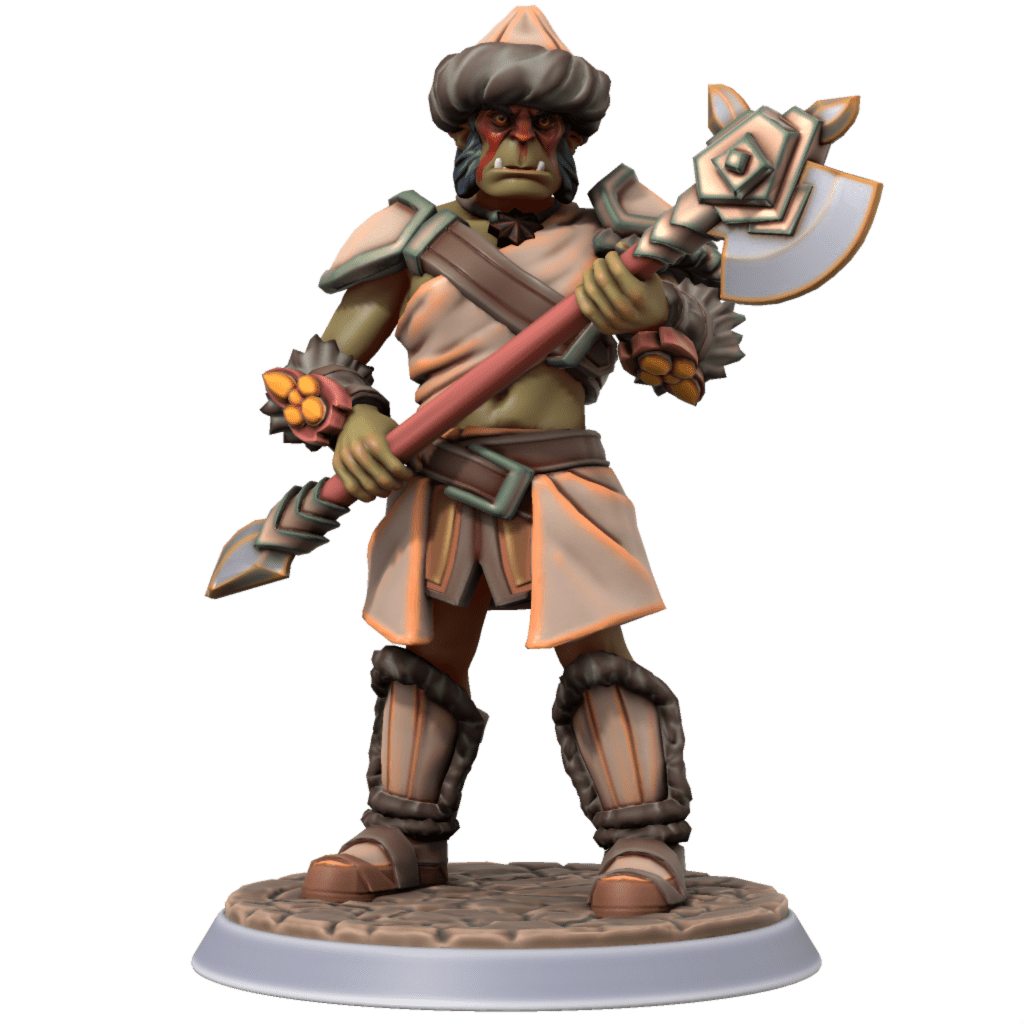
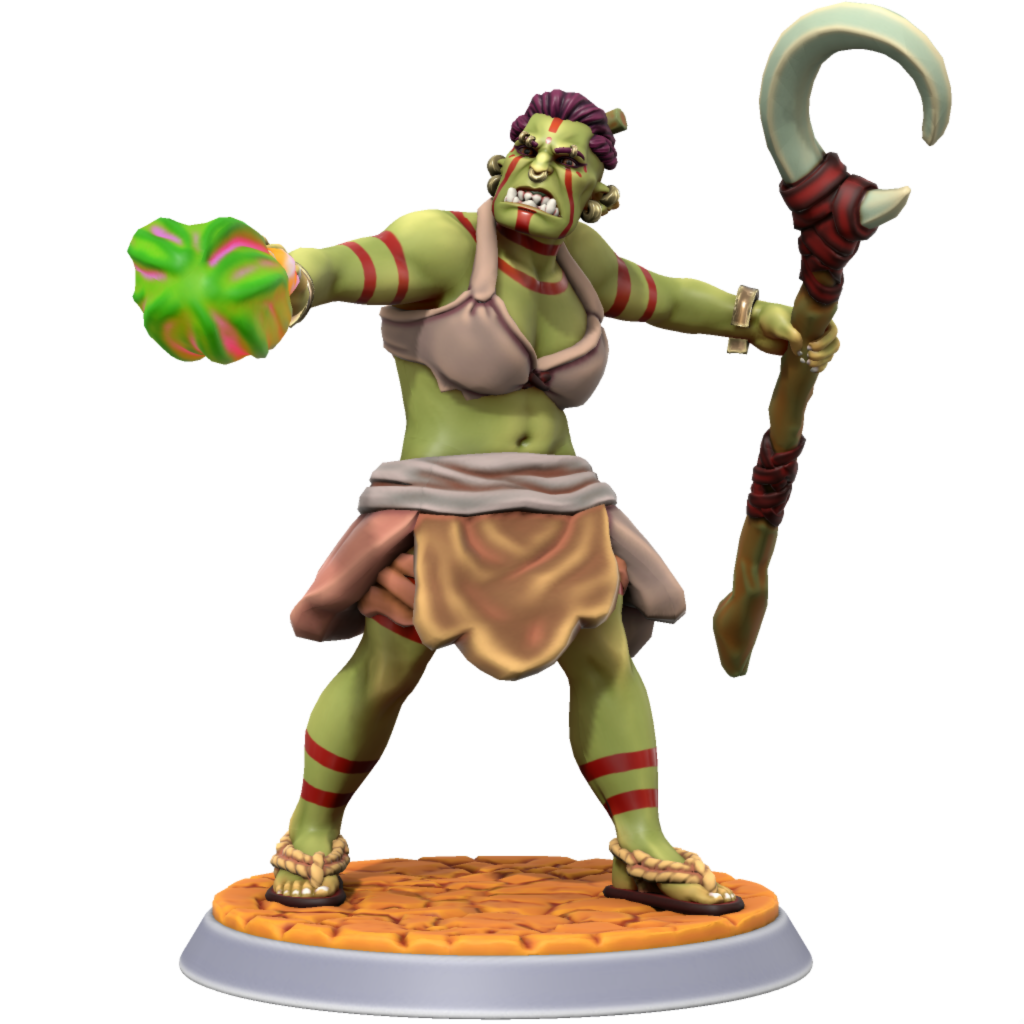
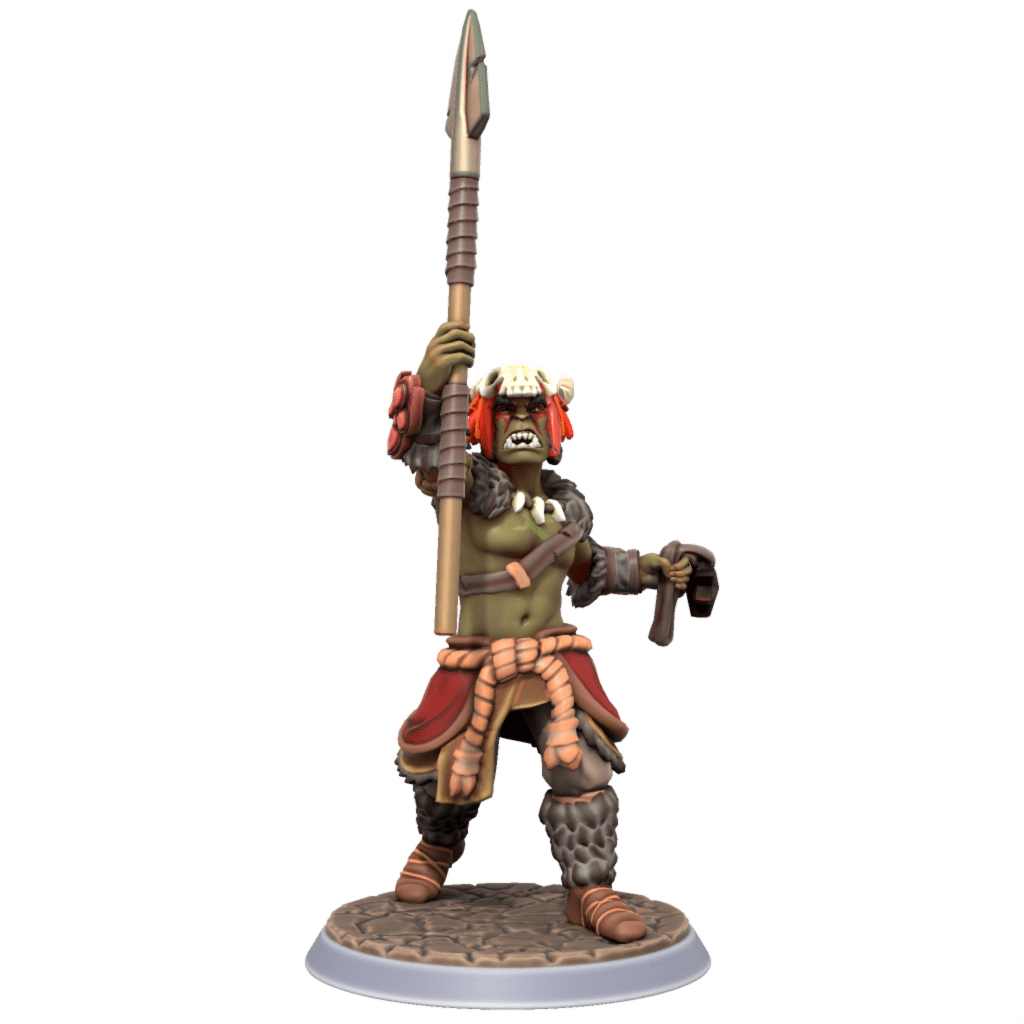
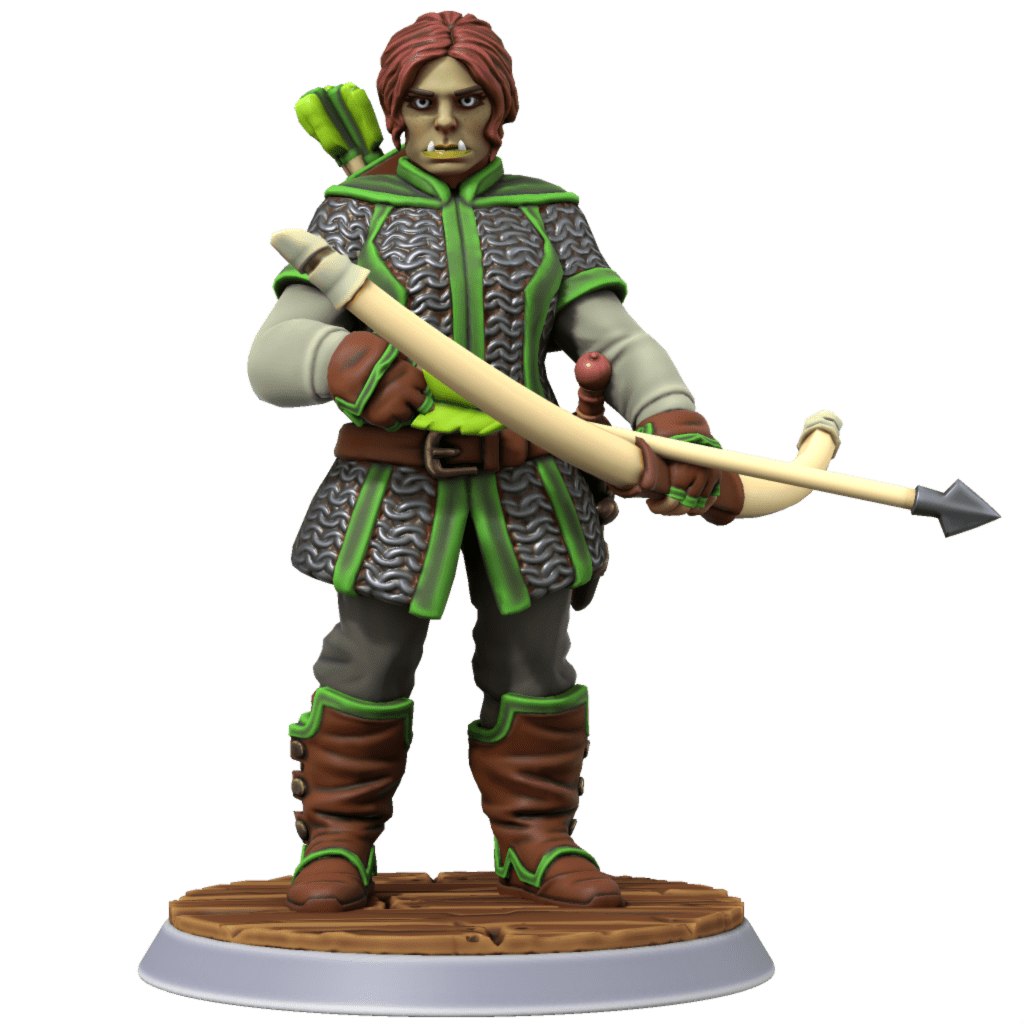
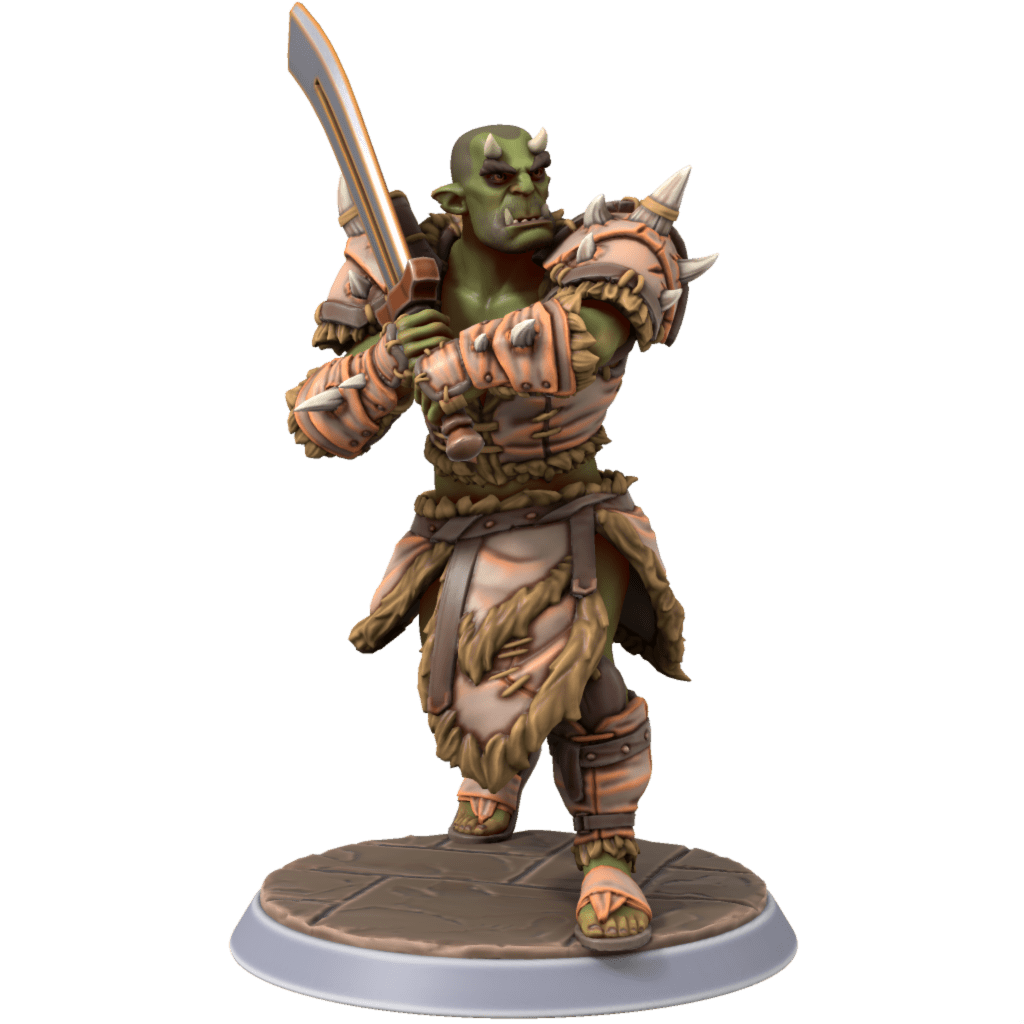
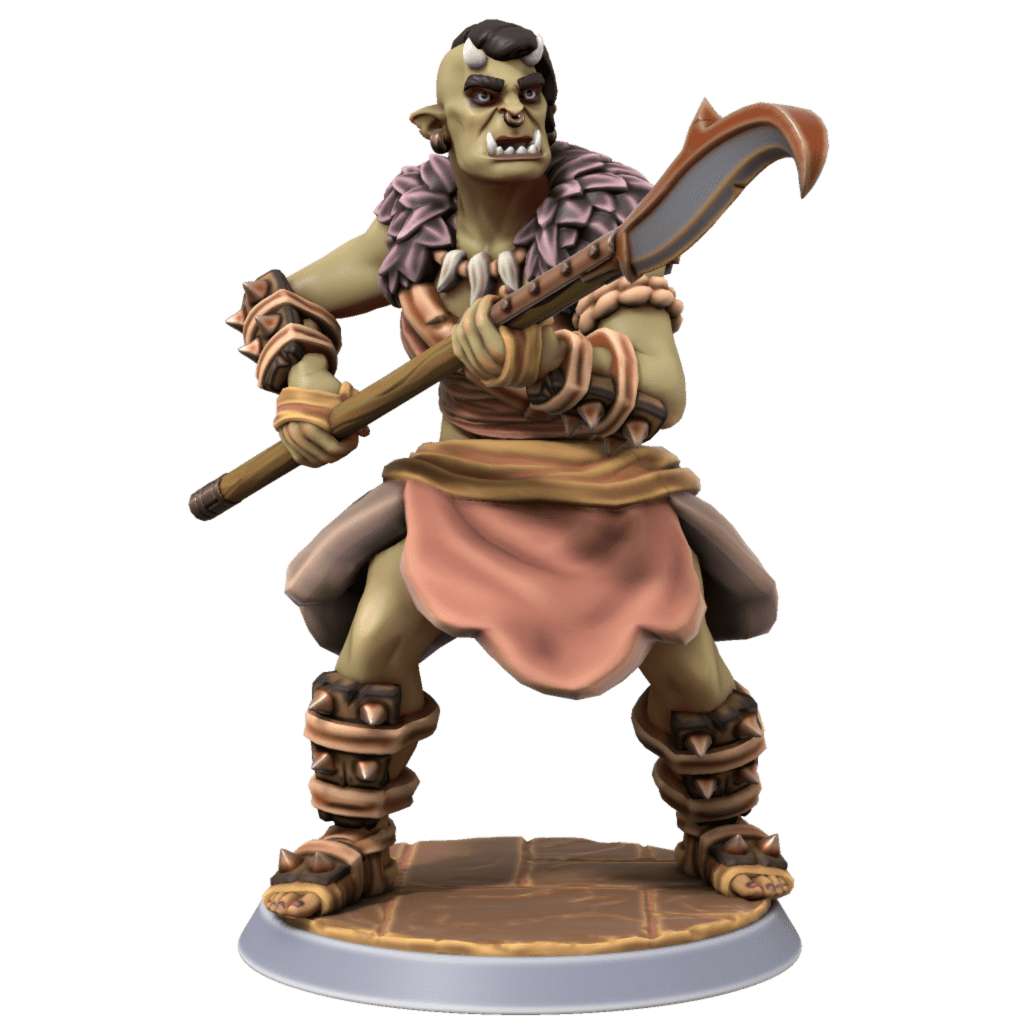
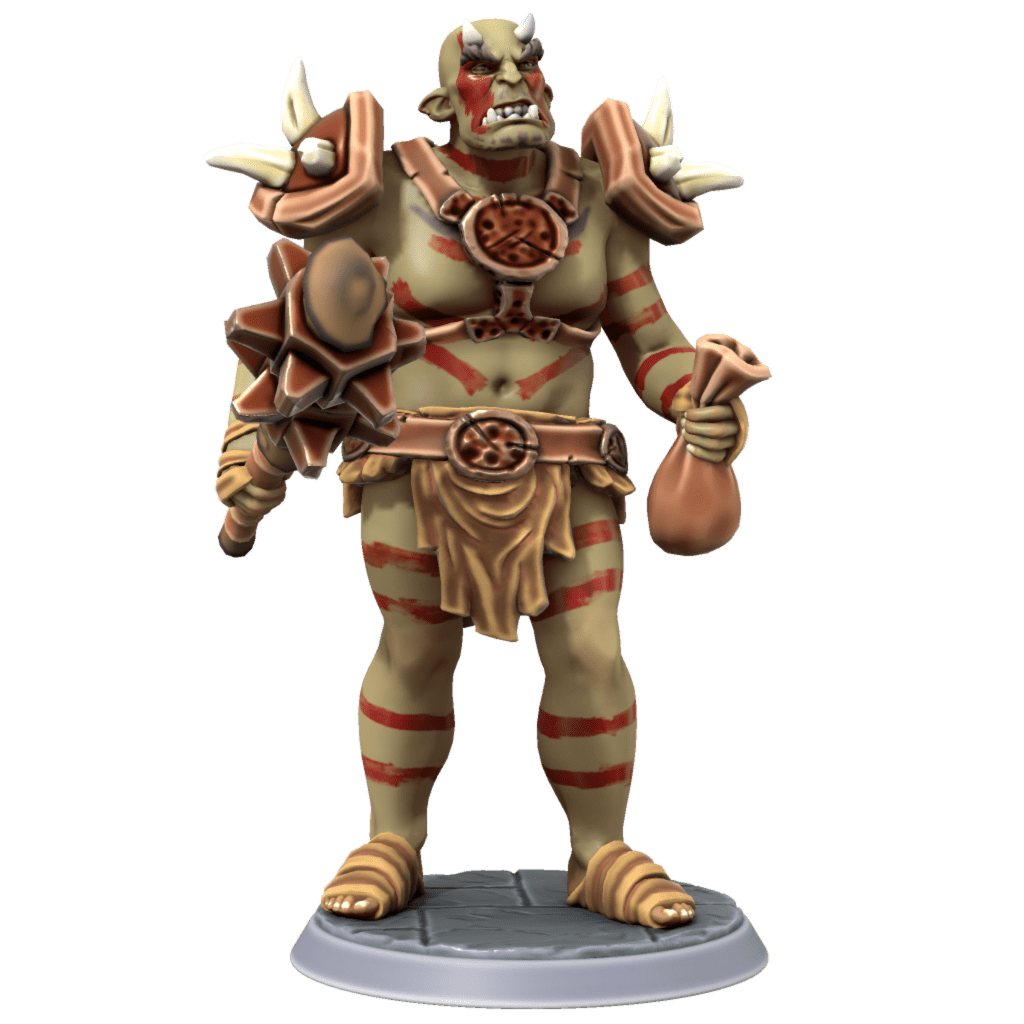
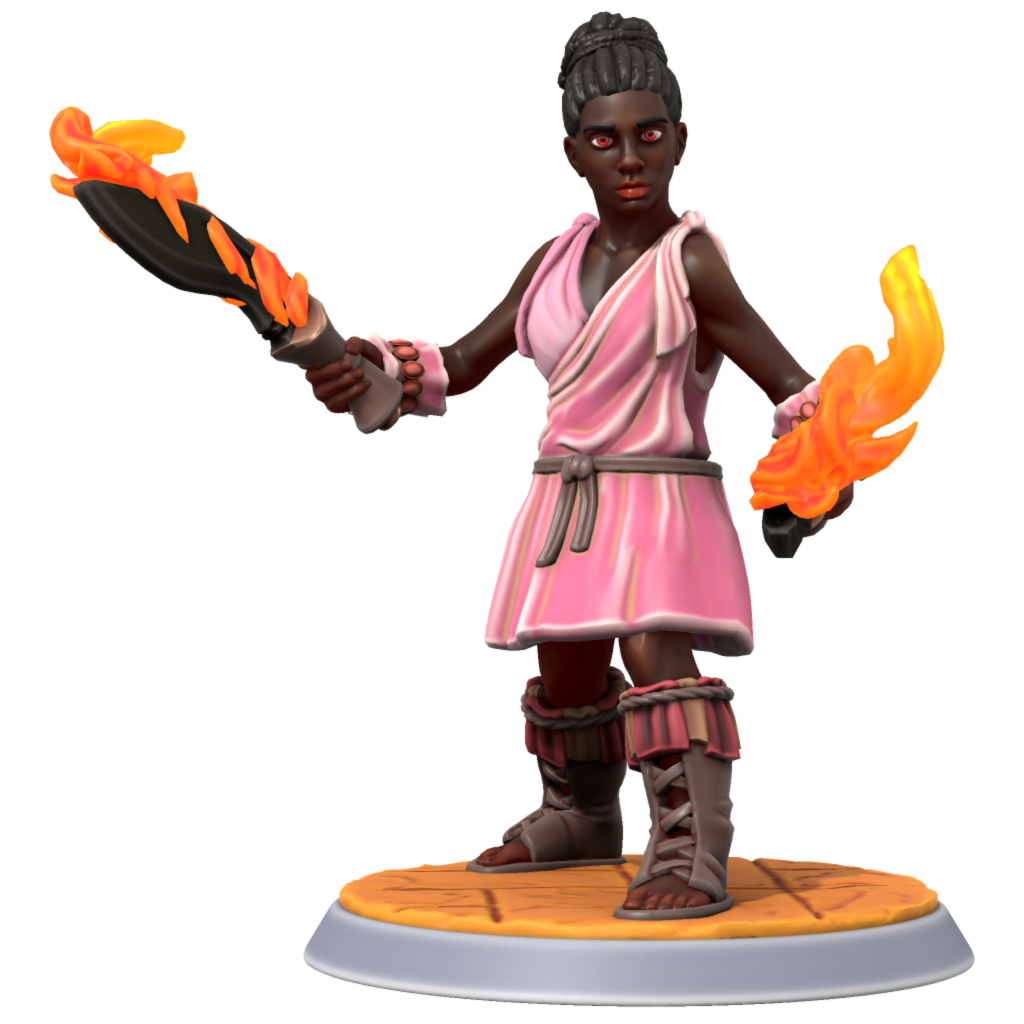
Orcs are one of the most formidable societies encountered in Iorth. Descendants of the ancient two-headed giant Urgk, from whom both orcs and ogres originate, the typical orc is taller and broader in build than an average human. They have strong jaws with a slight underbite, and the canine teeth are more pronounced and fang-like, with the lower canine teeth protruding from the lip in a tusk-like fashion. They have tough skin with green to olive complexions, coarse dark hair, and eyes that are amber, orange, or brown in color, but have black sclera. Traits such as light colored hair or blue, gray, or green eyes are deemed to be hints of human heritage.

Despite distance and culture, all orcs speak the Orcish language. However, this does not mean that orcs can necessarily clearly understand each other; orc dialects are vast and varied, as well as the amount of slang or informal style present in the language. The Orcish alphabet is rather basic, using a few letters paired with diacritics to indicate which sounds they represent. Generally, a letter for a consonant can represent the voiced and voiceless forms of that phoneme. In some instances, a diacritic may be used with the letter to indicate which precise sound is used, but not always (or consistently). Also, Orcish technically only has one letter that is a vowel, representing a schwa (ə) sound, which is then modified by a specific diacritic to indicate another vowel sound. However, which diacritic is used by which group of Orcish speakers can be a matter of preference, and therefore can cause a significant amount of confusion. This, combined with the propensity for new terms and concepts to be crudely adapted from various other languages in order to add the concept to the language, makes Orcish a relatively easy language to learn initially, but a challenging language to master.

Though related to orcs, ogres and ettins do not speak Orcish as a first language; their native tongue is actually a crude form of the Giant language, with a simplistic variety of the runes used in Dwarvish and Giant for some semblance of a written language.

Unfortunately, many orc societies are controlled by oppressive warmongering cults that syncretize orc identity and culture with violence, terror, and cruelty. Orc societies that do not have these cults are more stoic and reserved in general, and frequently strive to maintain their independence from the cult-corrupted orc societies. This influence occurred early in the development of orc society.

A majority of orc and ogre communities are semi-nomadic groups who dwell in environments challenging to survive in. This situation encourages competitive and aggressive behavior and outlooks on life. As such, orc communities are more prone to feud and raid one another due to scarcity of resources or perceived power and dominance over other groups. It is this aspect of orc society that gets exploited by cults and cruel faiths like Path of Darkness to compel these societies to accept and even celebrate cruelty and immorality, much less consider it an inherent aspect of their identities.

Because of this, endeavors such as industry and agriculture are not often pursued by orc communities. Many groups of orcs prefer to raid rivals or non-orc settlements to obtain necessary food, tools, resources, and supplies. Some of these groups will spare some of the victims, thinking that they will simply rebuild to a point where the orcs may raid them once again. Other groups simply slaughter everyone, thinking that doing so is a keen precautionary measure to prevent any survivors from mounting a counterattack or seeking revenge. The idea and existence of an orc nation is a new concept, and it only came about due to the unique abilities of a notable leader combined with an unique opportunity to obtain territory of their own. Orc methods of industry and agriculture derive largely from ideas used by several other cultures that have been adapted for their community’s specific needs.

Beside raiding, orcs tend to hunt or forage for food. Most food orcs eat is mixed fare that can be easily found in the region they are in at the time; for example, an orc community in a wetland will often hunt frogs, fish, or reptiles for sustenance. However, whether obtained by hunting or raiding, several orc communities have shown a fondness for swine and peccaries. These groups have roving herds that travel with them, or frequent hunting grounds known for wild boar. Orcs value items crafted with pig leather or bone as well. Orc males refer to themselves as “boars,” while females call themselves “sows.” Some orcs raise large, aggressive swine for war mounts or guard beasts, or in a few rare instances, pets. And, coincidentally, orcs are the most likely to be around and potentially become wereboars.

As noted previously, most orc communities are semi-nomadic in nature, often traveling to forage edible plant fare and hunt game, and then sheltering in a protected area with permanent shelter during disastrous weather events or harsh seasons. Typically, this would be an area with natural caves and access to water not too far away, but also somewhere that provides natural fortifications or could easily accommodate some form of purpose-built crafted defenses (such as a combination of earthworks and stockades). While roving the countryside, orcs usually have simple tents, most often a tarp made of hide or looted textile, frequently staked at one end of the sheet and held up at an angle by two poles at the other end of the sheet. Many orcs will pitch their tents in a ring or enclosed configuration so that they all face a central fire pit. This formation is meant to shelter the fire from wind, but also to effectively use scant fuel for the fire by as many as viable. There is no general pattern to the arrangement of tents for the campsite, except for one particular detail: the middle of the encampment would have the main fire pit for the group, as well as the larger tent where the leader and their retinue would shelter.

Orcs that have permanently settled in an area tend to construct stout, sturdy shelters in which an entire family may reside. Many orc buildings are single-story structures, built as a single giant room with a central fire pit. Some more elaborate residences may have smaller rooms off of the main central chamber, but the premise remains the same. In orc settlements, there is no delineation between businesses and residences; most merchants simply set up a stall or awning outside of their residence and conduct their business or perform their trade there. The only other types of buildings in an orc community serve a clear and practical purpose: storage, fortification, worship, or livestock shelter. At the center of the settlement, just as with the roving group encampments, is a large communal fire pit and the (often fortified) residences of the community leaders.

Orcs value practicality and independence, and this attitude extends toward arms and armor. In general, orcs prefer the use of axes as weapons, due to their utility as a tool and weapon of war. Furthermore, orcs prefer spears as hand and ranged weapons due to their use for hunting and for war, and since they are durable enough for multiple uses, unlike arrows or bolts that may be ruined after one use. Single-edged knives are used as personal defense weapons, but also serve as a tool and eating utensil. Blunt weapons like clubs and greatclubs are valued for both their effectiveness but also their low maintenance. Most orc armor of their own make is hide armor, though they will use armor taken in a raid if it is available. However, one key element of the armor is that it should not require help to put on or take off; armor that does require assistance to equip or remove is often reserved for leaders, who have members of their retinue assist in the process. Weapons such as swords or crossbows are impressive to orcs, but the degree of maintenance for those weapons make them items reserved for individuals of prominent status within the group. (As it is, it takes less time to sharpen the edge of a knife or axe than it would the longer blade of a sword, much less a double-edged sword blade; practicality is key.) Shields are simple in form, often made with a single central grip in the middle rather than having it strapped to the arm; orcs are fond of striking with a shield in combat.

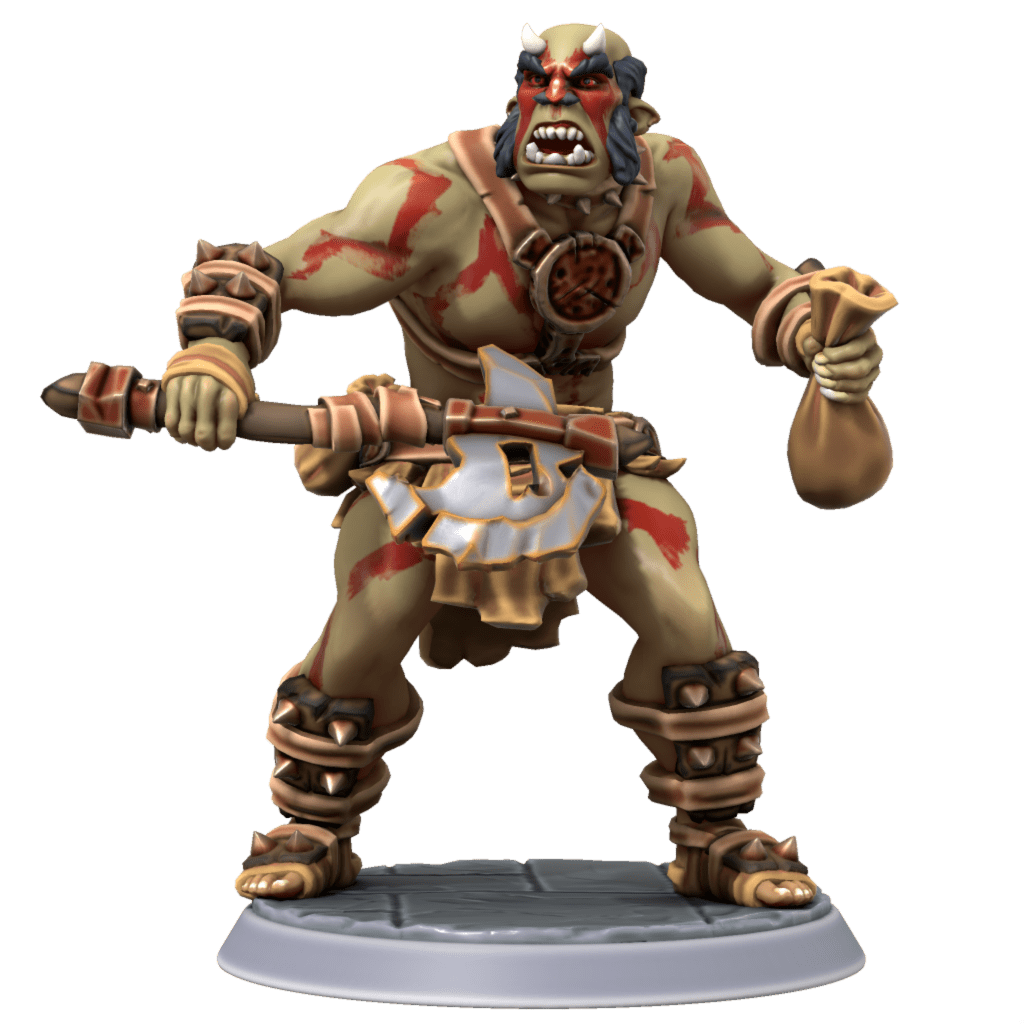
Though often encountered independently of orcs, both ogres and ettins frequently associate with orc groups. Ogres appear to be a giant version of an orc, ranging between 9 to 10 in height, though their complexions are sometimes ochre rather than greenish. Furthermore, ogres have small horns erupting above their eyebrows. Ettins seem to be slightly larger, stronger, two-headed versions of ogres. Both ogres and ettins are normally solitary sorts, but many individuals easily incorporate themselves into orc communities, often in the role of protectors, enforcers, or even leaders for those groups who embrace a “might makes right” worldview.

Legends tell that Ur, god of the underworld, darkness, and chaos, created a two-headed giant known as Urgk in response to the creation of humans by the god An. Ur was said to want a people that were strong, dominant, and aggressive, capable of overtaking any of the other mortal beings present on Iorth. However, according to legend, Urgk (whose name meant “get of Ur”), decided to attack Ur in order to dominate the god and take his power. Ur then struck Urgk with his spear, splitting the giant down the middle and sundering his creation into two different peoples: the orcs and the ogres. This legend is used to explain the frequent association between orcs and ogres, though none truly know the reason why. (This legend also hints at the origins of ettins as well, which appear to be a larger two-headed variety of ogre.)

While other peoples and cultures started to move away from worshiping demigods to embracing a religious philosophy, a warrior-priest of mixed orc and ogre heritage named Orkus espoused a new belief system. This faith was a religious philosophy like the Path of Light or the Path of Awareness, but it rejected the values those faiths endorsed and instead embraced the opposite, even making an unholy pact with the god Ur in the process. As such, Orkus is known as the first priest of the Path of Darkness. Orkus grew in such power and prestige that almost all orc and ogre communities embraced his religion. What is known is that Orkus committed such an unholy, cruel, and blasphemous act as a final rite before his death that pleased Ur. As a reward for his achievements, Orkus was turned into a powerful demon. Most mortals, including orcs and ogres, know of Orkus as a mortal who became a demon, but not of his creation and spread of the Path of Darkness.

Orcs are remarkably fertile, and large families are seen as desirable in the community. Furthermore, a maturing orc’s desire to breed is a strong impulse, and in many cases simply physical compatibility is the only requirement sought in a partner. As such, this leads to frequent pairings between orcs and ogres, as well as between orcs and goblins, and even orcs and humans. These unions do yield offspring, though two varieties are most often encountered: orcans and ogrillons.

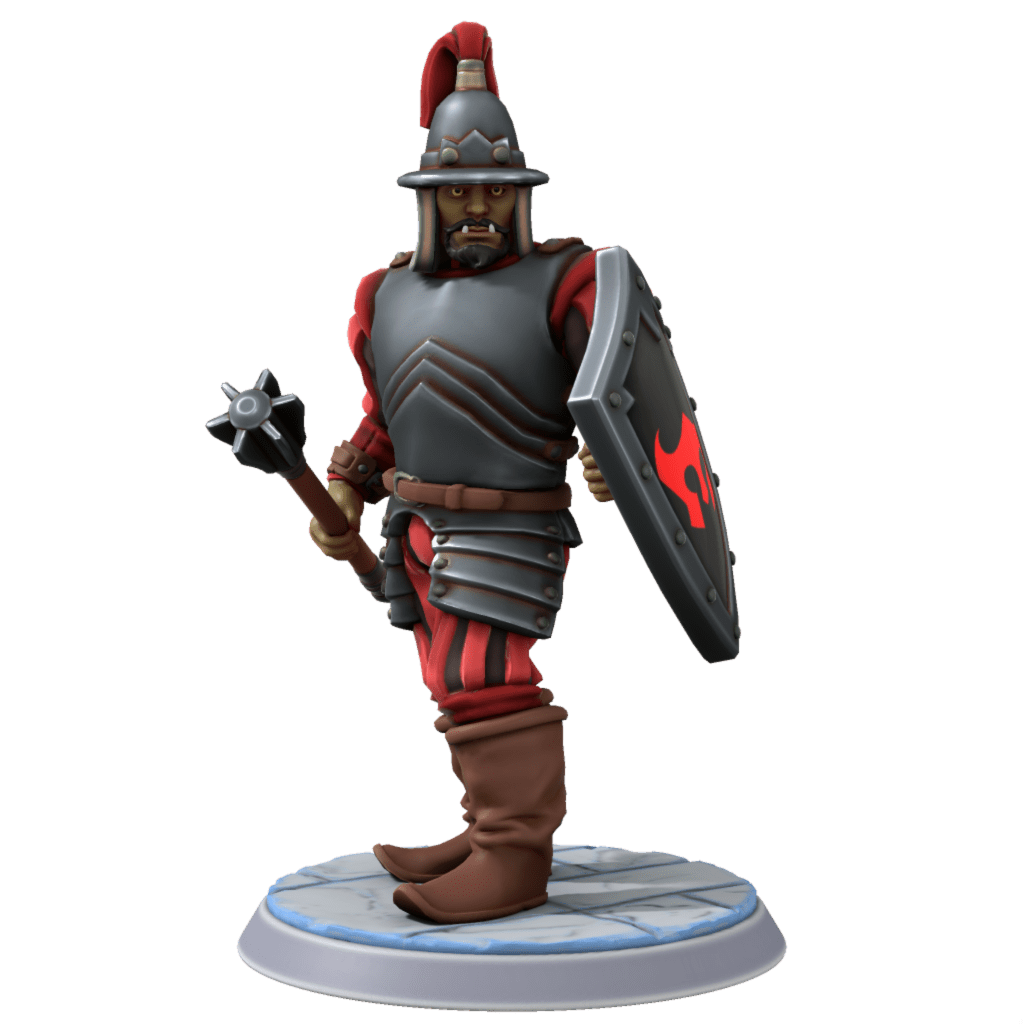
In regions where humans and orcs frequently interact, it is not uncommon for there to be occasional unions between the two, producing children of mixed heritage. They are called “half-orcs” by many humans and “half-humans” by many orcs, but they call themselves orcans (a portmanteau of orc and human). Orcans have builds between that of a human and an orc, and a complexion that favors the orc parent, but paler overall. The orcans have tusk-like fangs for their lower canine teeth, and a slight underbite as well, though their facial proportions are more like those of a human than an orc. Though a orcan’s eyes resemble an orc’s, they may have as broad of range of color as those of a human.

Ogres are related to orcs, and in many instances, ogres and orcs will interbreed and produce offspring. These ogrillons, as the humans call them, tend to be larger than orcs, but smaller than typical ogres. They have complexions that favor the ogre parent, and in addition to the strong jaw and the tusk-like lower canine teeth, ogrillons have a small short horn over each eyebrow, like their ogre parent. Many ogrillons tend to stay in orc communities, fulfilling roles such as enforcers or bodyguards for prominent orcs. Those few ogrillons of human-ogre pairings tend to be more violent and aggressive overall, mainly due to the need to “prove” themselves within an orc community.

Orcs treat orcans and ogrillons no differently than full-blooded orcs, though some human communities may have difficulties including orcans. It is likely that either parent will raise a orcan, instilling the values of their communities within the child. It can be noted that orcans raised by orcs tend to be more assertive and aggressive, due to the nature of many of their communities, while human-raised orcans have demeanors as varied and refined as any of those found in any human community. This disparity is often due to the dominance of oppressive warmongering cults dominating many orc societies that syncretize orc identity and culture with violence, terror, and cruelty.

While many other societies do not have a positive outlook on orcs and their kindred, this phenomena is due to the overwhelming presence and influence of the Path of Darkness in many orc societies. Those orcs who develop without the influence of the Path of Darkness are stoic, hard-working, brave, and practical folk who simply want to live quietly, rather than have to concern themselves with conflict and conquest the entirety of their lives.

Gallery
Peoples of Iorth: Dwarves

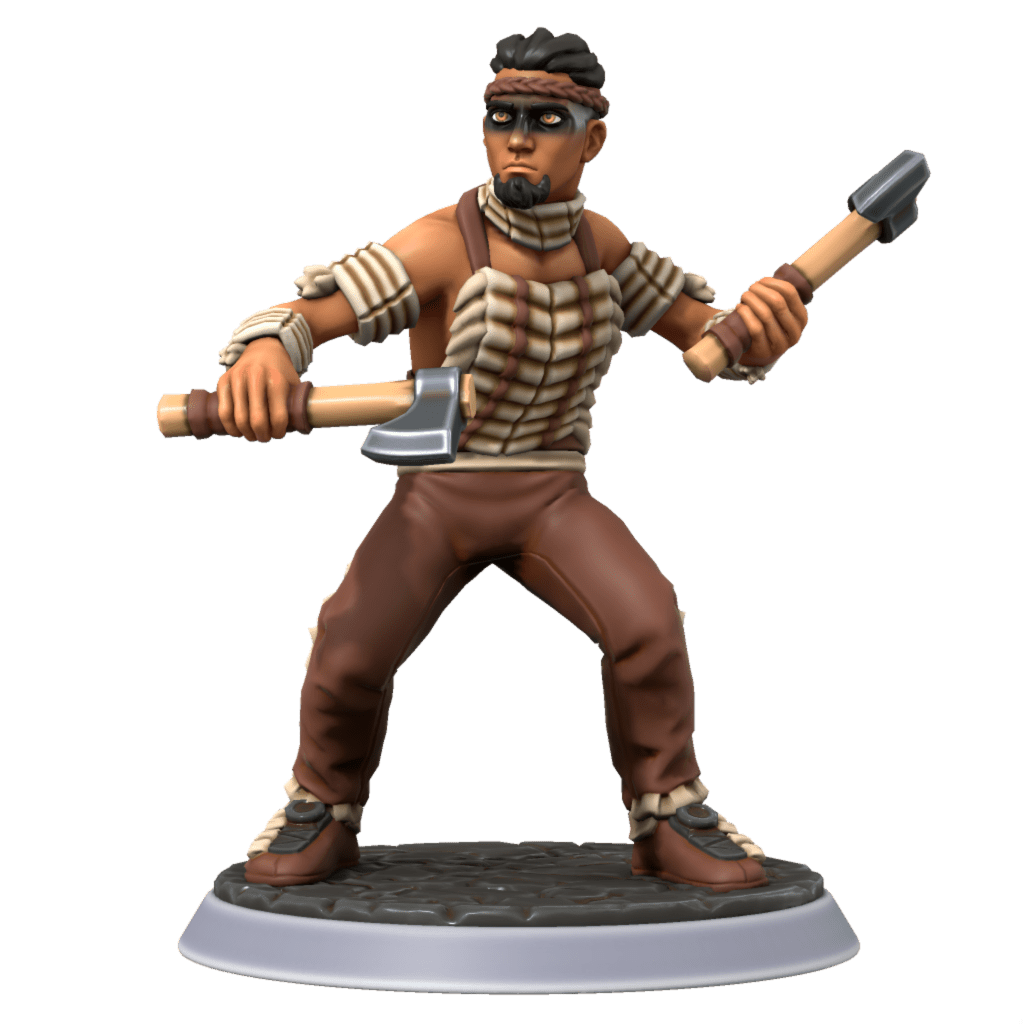
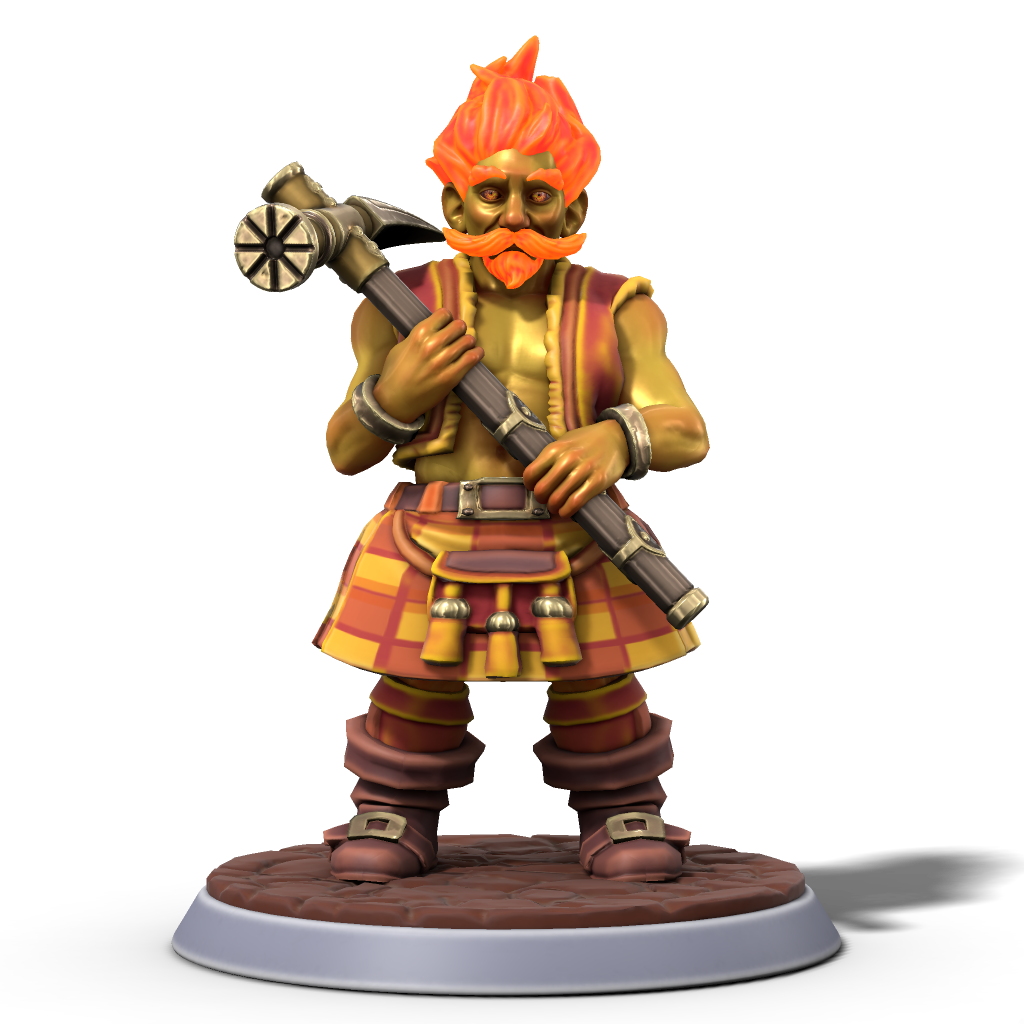
Dwarves are one of the first groups of beings to occupy Iorth since prehistory. Distantly related to the giants and their titan forebears, dwarves are hirsute, stout, sturdy folk who are between 4’ and 5’ in height. Dwarves have a broad range of traits akin to humans. Many dwell in massive subterranean communities known as dwelves.

Despite having multiple communities and clans spread throughout Iorth, all dwarves speak the same language: Dwarvish. In many instances, particular dialects of Dwarvish indicate which community a dwarf may come from, but the differences are minor enough to ignore overall. Dwarvish descended from the language of the giants, and it uses the same rune-like alphabet used by giants, though lacking all of the diacritic marks used in the written script. The alphabet is a direct, phonetic alphabet, possessing no multigraphs. The language itself is very formal and precise, having no homonyms, irregular verbs, or other features that may create confusion for a speaker or reader of Dwarvish.

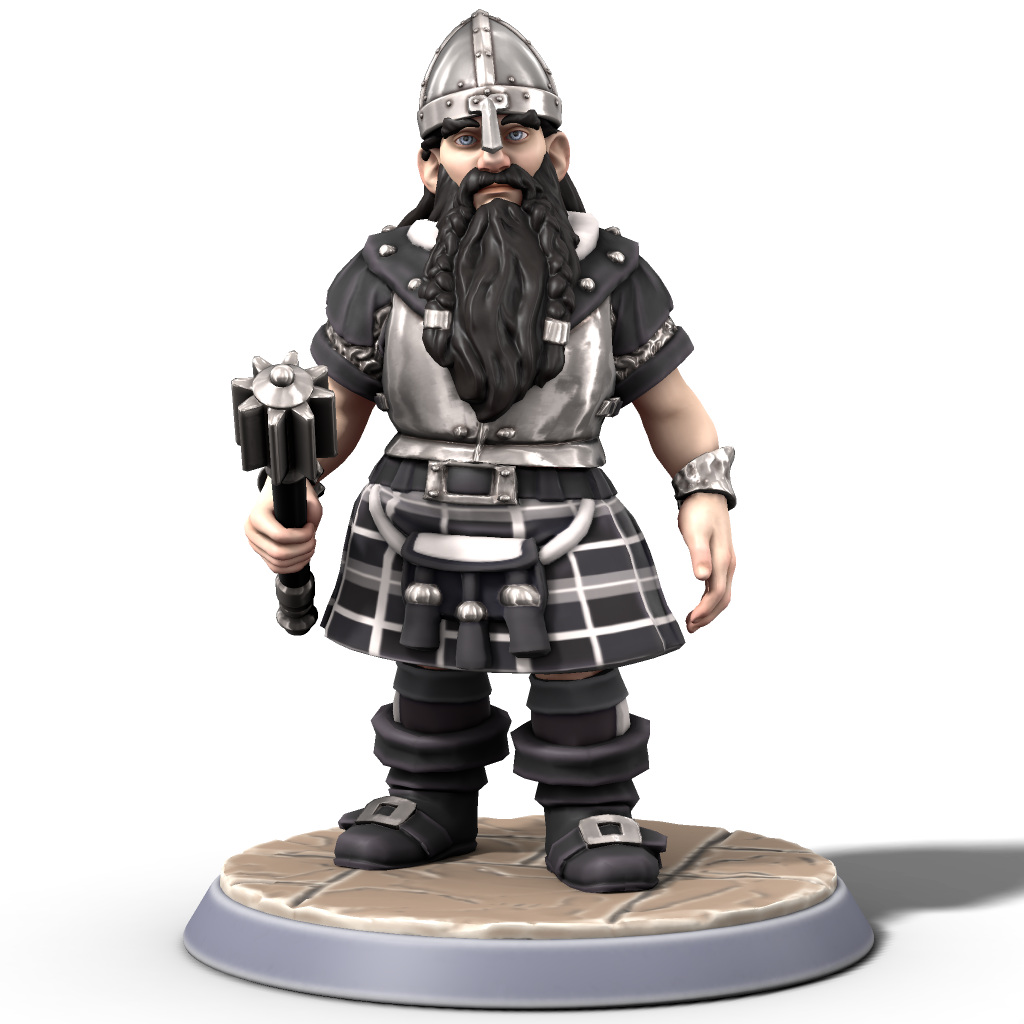
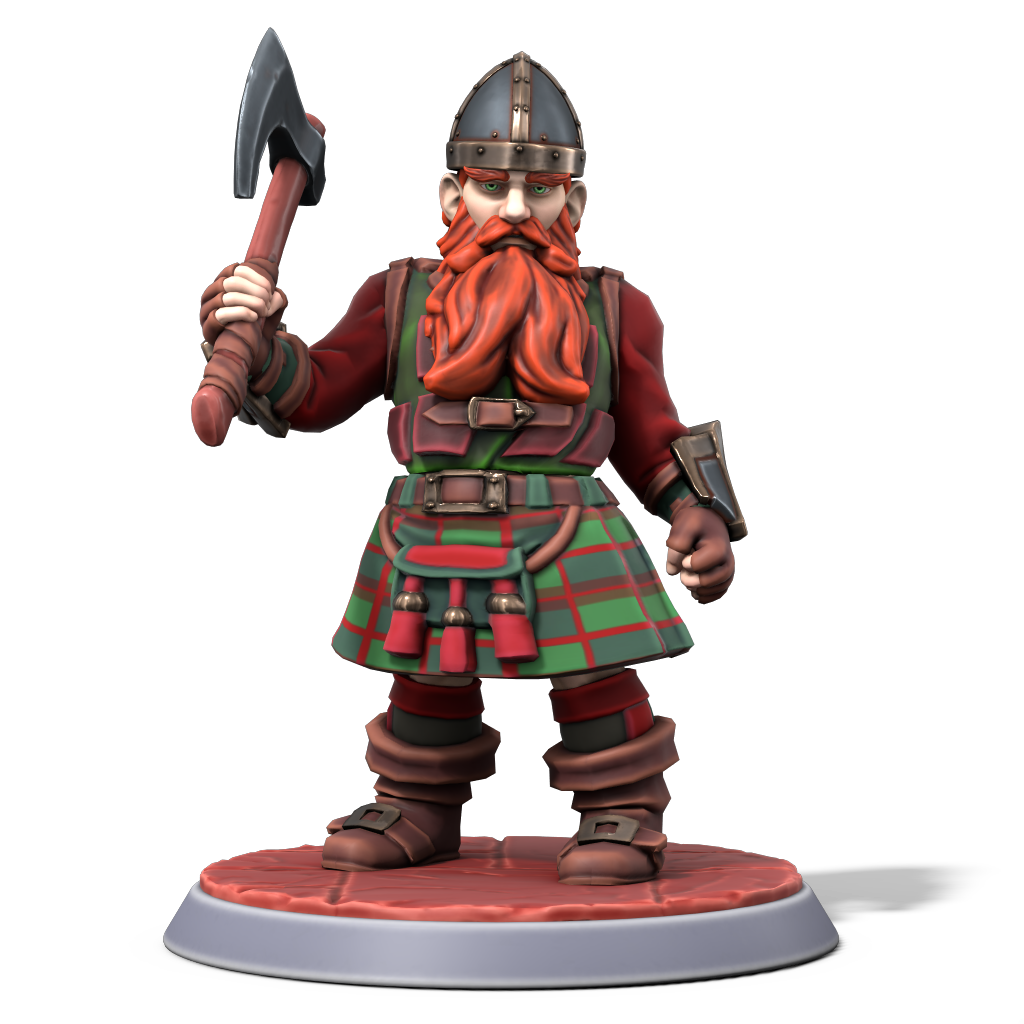
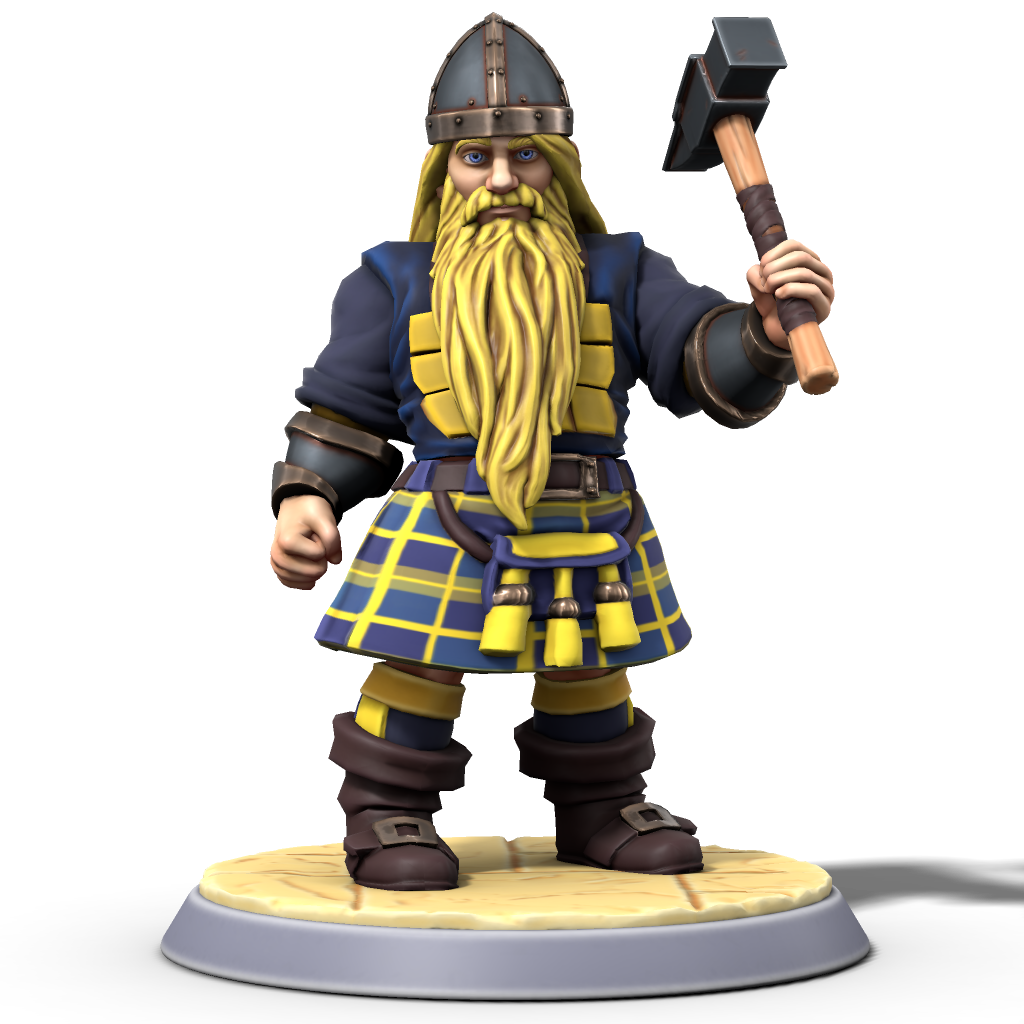
While the majority of dwarves are of a mixed heritage, there are a few communities that have maintained their clan structure and heritage. Clan dwarves tend to have particular traits notable for members of those families. However, the requirements and restrictions for a group of dwarves to be considered a clan are exceedingly stringent. The hallmark of a clan dwarf’s appearance, other than having one or more of the characteristic physical traits of the clan, is the unique kilt that only dwarves of that clan wear. It is seen as a severe affront to the clan and to dwarves in general if a non-member of the clan is seen wearing a clan kilt. Friends or allies of a dwarf clan may wear another item that incorporates the clan’s tartan within it, such as a cloak with a tartan lining or a sash, but the clan kilt is reserved strictly for dwarf members of the clan only.

These severe strictures for dwarf communities to be deemed part of a clan has meant that many dwarven clans have failed to still meet the requirements and restrictions expected for a clan, and thus have become a “lost” clan. Sadly, the amount of lost clans far exceeds the number of existing clans in Iorth. As such, only three clans of established and continued heritage still exist in Iorth: the ruling Forgecrown clan, and the noble Bloodaxe and Bluestone clans.

The dwarves of the Forgecrown clan typically have light complexions, with jet black hair and gray eyes. They wear a kilt with a simple black and white tartan. The clan prefers to use black-and-white onyx gemstones in their jewelry. Since this clan is the ruling clan of the Great Underground Jarldom of Dwyrheim, the colors black and white by themselves are often considered to be reserved for use by the jarl’s clan and jarldom’s officials. Their home is also the capital of Dwyrheim: Bergburg.

The dwarves of the Bloodaxe clan typically have ruddy complexions, with fiery red hair and bright green eyes. They wear a kilt with a simple red and green tartan. The clan prefers to use bloodstone gemstones in their jewelry, and many favor axes as a personal weapon. Based out of the dwelve of Bludburg, the Bloodaxe clan is renowned for being the fiercest warriors of Dwyrheim, and they are known to focus heavily on concepts of order, legality, tradition, and honor (to the degree of being a detriment, in some instances). These attitudes naturally lead the Bloodaxe clan to often clash with others, especially members of the Bluestone clan.

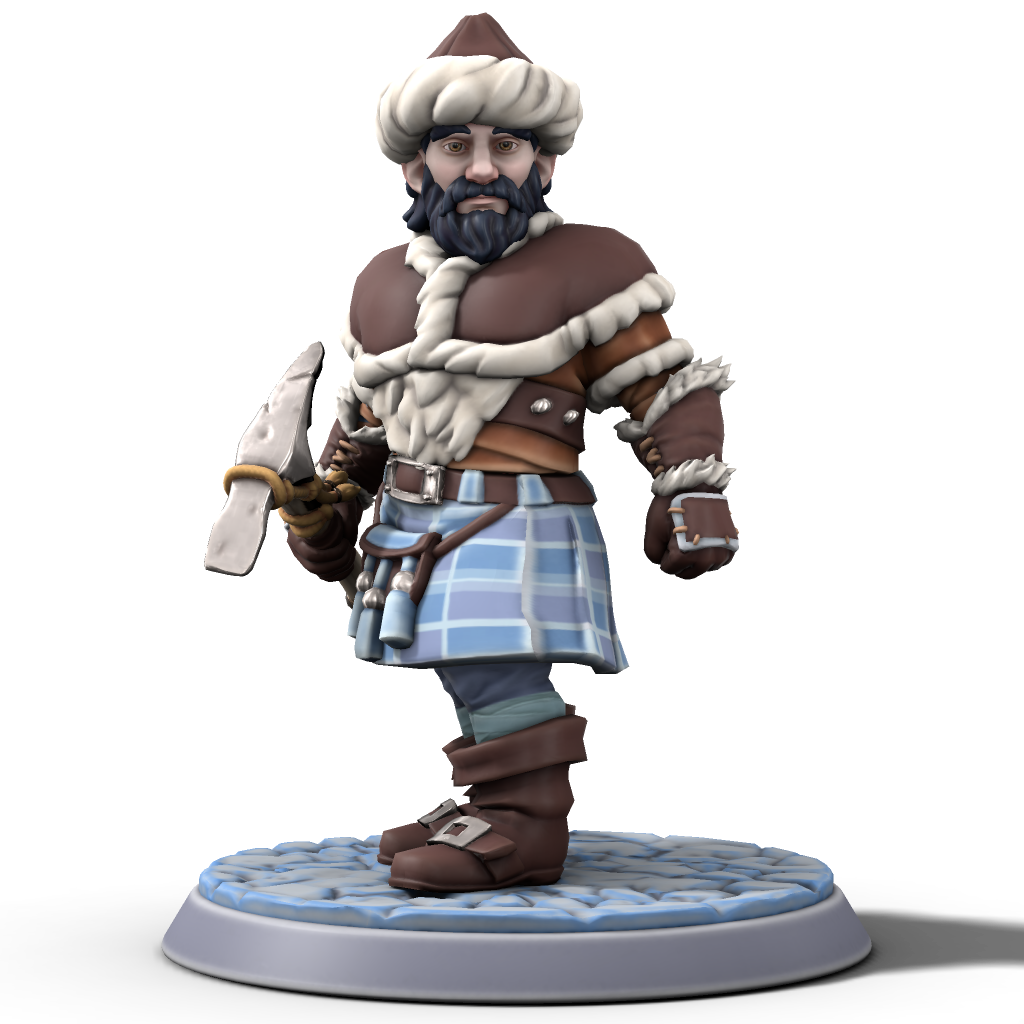
The dwarves of the Bluestone clan typically have tanned complexions, with vibrant blond hair and bright blue eyes. They wear a kilt with a simple blue and yellow tartan. The clan prefers the use of lapis lazuli gemstones in their jewelry, and many favor hammers as a personal weapon. Based out of the dwelve of Stanburg, the Bluestone clan are the best crafters and artisans of Dwyrheim, and are sought after for their superb goods. The Bluestone clan strongly believes in doing what’s right, honest, and good above all else, even if that may mean compromising or ignoring dwarven laws or traditions. As such, the Bluestone clan often finds itself at odds with the traditionalistic Bloodaxe clan.

Furthermore, the Bluestone clan is known for its compassion for taking in the surviving few members of the lost Coastrig clan, since the old, long-lost home of the Coastrig clan, Ridgeburg, has become the Free City of Rigby. Due to their proximity to the elven realm of Eldor, the dwarves of the Bluestone clan are known to be friends to fey and elves.

In contrast to the hereditary clans, there have been a few clans of dwarves created by decree of the Jarl as service clans. Services clans are dwarf clans whose founding members consist primarily of dwarves adopted into the clan instead of born into the clan. All of these dwarves were considered clanless until their adoption by the service clan. As such, these dwarves do not have particular lineages or traits typical of their line, and appear indistinguishable from any clanless dwarf, barring the clan kilt all tend to wear. There are two well-established service clans that are well-known throughout Iorth: the Warshield clan and the Wyrmwright clan.

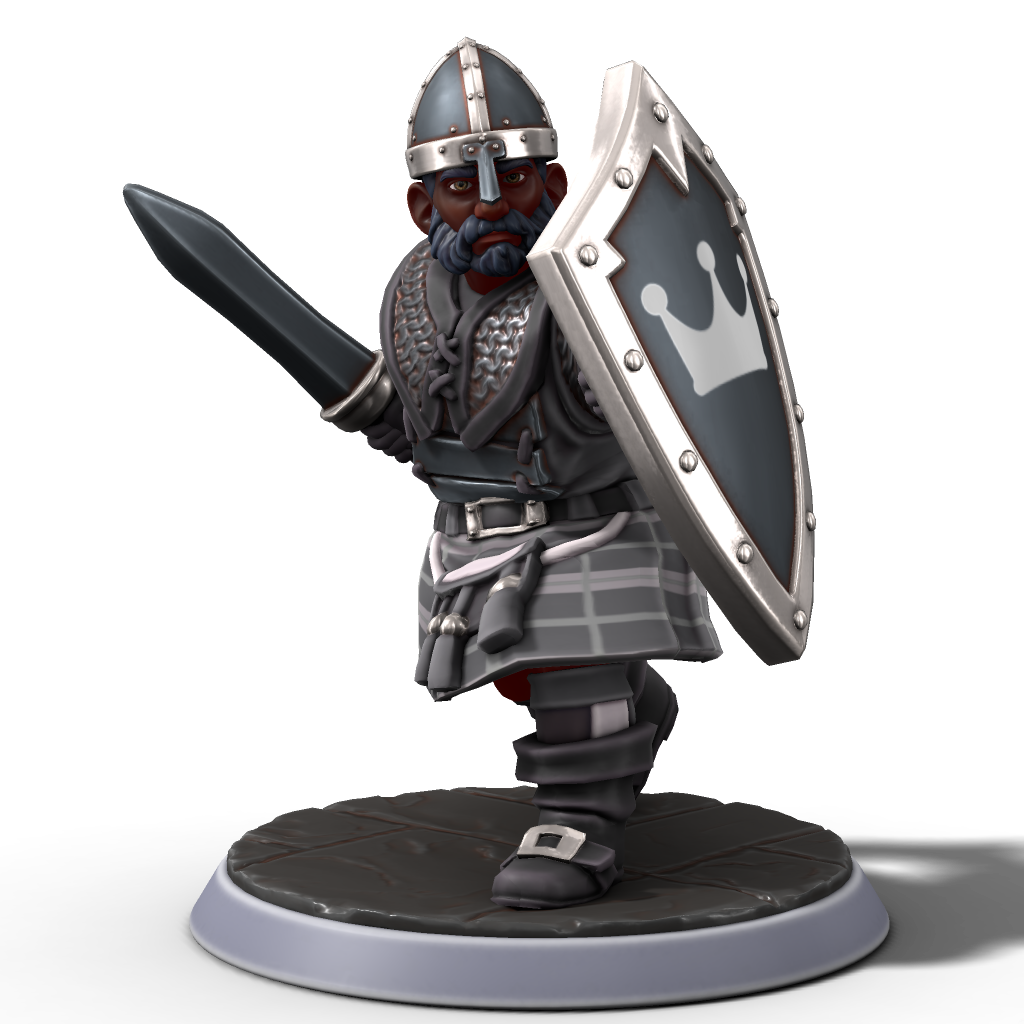
The Warshield clan is a service clan sworn to the Forgecrown clan. Their simple clan tartan of light grey and dark gray is meant to represent their seclusion from the politics and strife typical between clans, and instead symbolize their devotion as guardians and enforcers for the Forgecrown clan. The Warshield clan is affiliated strongly with the army of Dwyrheim, as well as security and operations in the grand dwelve and capital of the jarldom, Bergburg. Shields are commonly used by members of the clan, especially since they regard themselves as shields against harm and the ruling Forgecrown clan.

The Wyrmwright clan is a displaced clan that resides in the Farlands in the southern hemisphere of Iorth. These dwarves were settlers of southern lands who found themselves under the threat of attack and invasion by the powerful dragon-ruled nations of the Wyrmleague. In order to prevent tragedy, these dwarves made a pact with the dragon lairds of the Wyrmleague and the Jarl of Dwyrheim.

Though technically an independent clan, this clan crafts great, powerful, and beautiful treasures for dragon hoards, whether using new precious treasures, or reworking some small portion of the treasure of a dragon’s current hoard. The dragon lairds swore to place the clan under its protection, and swore not to cause the clan to be involved in the scheming or feuding of any dragons, whether themselves, any of their subjects, or any rogue outsiders. Furthermore, the Wyrmwright clan agreed to have some of its members serve as diplomats and merchants to travel to other realms in service to the Wyrmleague. To represent their service, the clan uses a complex tartan for their kilts, bearing the white, black, green, blue, red, and yellow colors of their dragon lairds artfully woven together.

The lost clans of dwarves do have some surviving members, but not enough for the clan to be considered intact. The dwelve of the Coastrig clan eventually became the metropolis now known as the Free City of Rigby. The dwelve of the Rockwall clan is the dwarf-led fortress of Wallburg in the Kingdom of Œland. The dwelve of the Burgmoors clan is now known as the dungeon called the Dankvault. And, the oldest settlement in all of Iorth, the ancient dwelve of the Scarbrow clan, gives its name to the fortified settlement of Skara Brae in the Kingdom of Wyland.

In the distant Farlands of the southern hemisphere, the dwelve of the Icebeard clan, Iceburg, serves as a fortified trade hub for all peoples. Though considered a “lost” clan, these dwarves do their utmost to preserve their heritagr and traditions, especially when compared to the perceived “submissiveness” of the Wyrmwright clan to the dragons. The Icebeard clan prize themselves as giant slayers, and many tales regail their triumph over their ancient frost giant overlords.

One ancient dwarf clan, the Brassneck clan, sought to embrace the primal elemental power of the fire giants who once ruled over them. As a result of their endeavor, they transformed into something new, and left Iorth to dwell in another dimension. Though their story and history is forgotten by most, the dwarves of the Brassneck clan, now called either forgesaints or azer, dwell on a fiery demiplane drifting through the Astral Plane.

Beyond the few surviving clans and the service clans, there is one clan of dwarves that are deemed dishonorable and malign: the Leadfist clan. This outcast clan of dwarves is known by its solid gray kilt lacking any visible pattern, as well as by their typical appearance: an unhealthy complexion, often turning gray or turned gray from generational habitual consumption of lead; a malnourished overall appearance; bloodshot gray eyes; ghostly thinning gray hair; a neckbeard or chin curtain style beard, if they have any; and a preference for pickaxes or mattocks as weapons, often using some sort of poison.

Their numbers are extremely few and far between, and there are rumors of the ruling family of the Leadfist clan having gained strange powers through further inbreeding and mutation. However, the legacy of the Leadfist clan for most lies not in the few surviving dwarves of the clan, but in their twisted mixed-heritage light-loathing subterranean descendants: the derogar, or troglodytes. These deep-dwelling peoples devote themselves to making pacts with ancient and wicked entities, as well as dominating the subterranean amphoibious beings known as the deeplings.

Beyond this, the vast majority of dwarves are deemed to be clanless or “free” dwarves. These dwarves may reside in a dwelve with clan dwarves, or they could reside in an above-ground community of their own or of another culture. These dwarves may choose to wear a kilt out of tradition, and even have a lost clan tartan on their kilt to indicate ancestry. However, there is no obligation for them to wear kilts at all, and some ignore the tradition and wear more practical clothing items instead. However, whether or not a free dwarf has any regard for the kilt tradition, they do respect and abide by the restrictions that bar the use of a clan tartan by anyone outside of the clan. (Those dwarves who do not are often regarded with suspicion and distrust.)

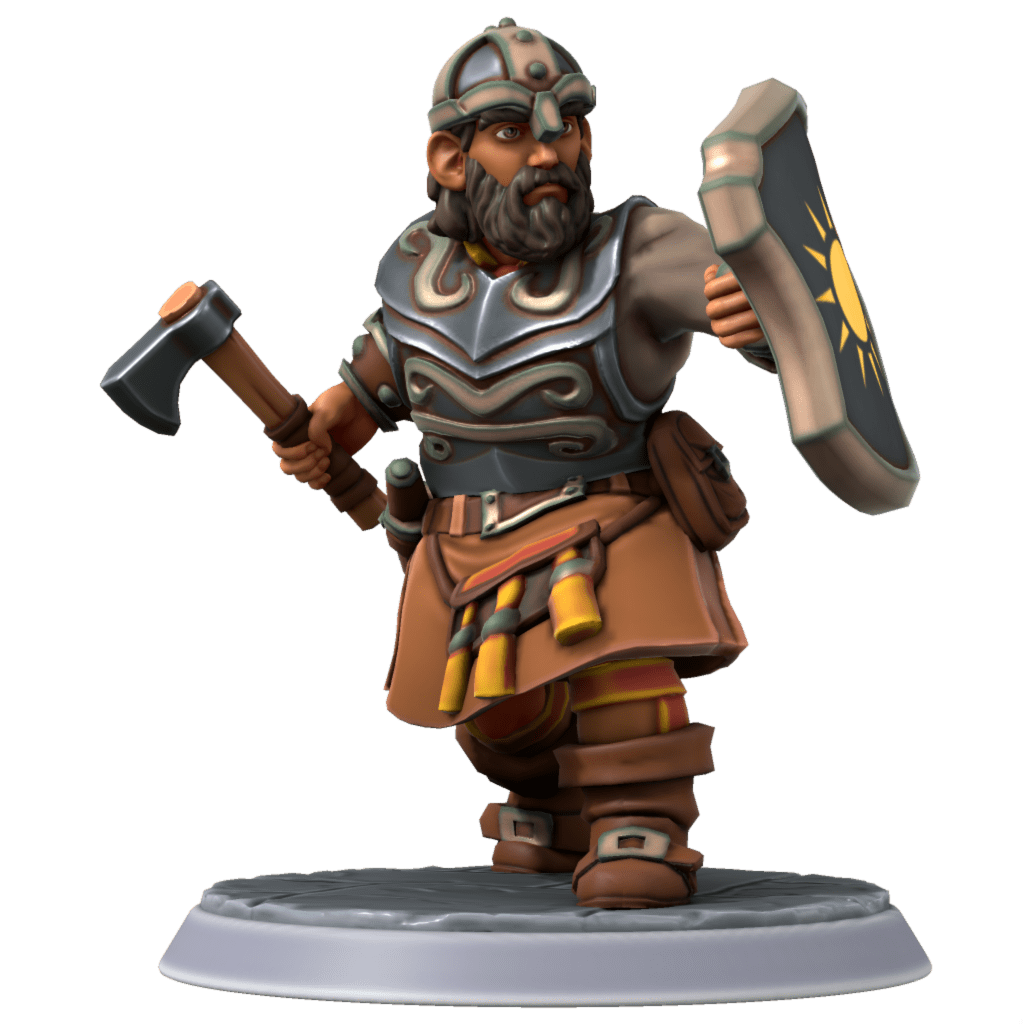
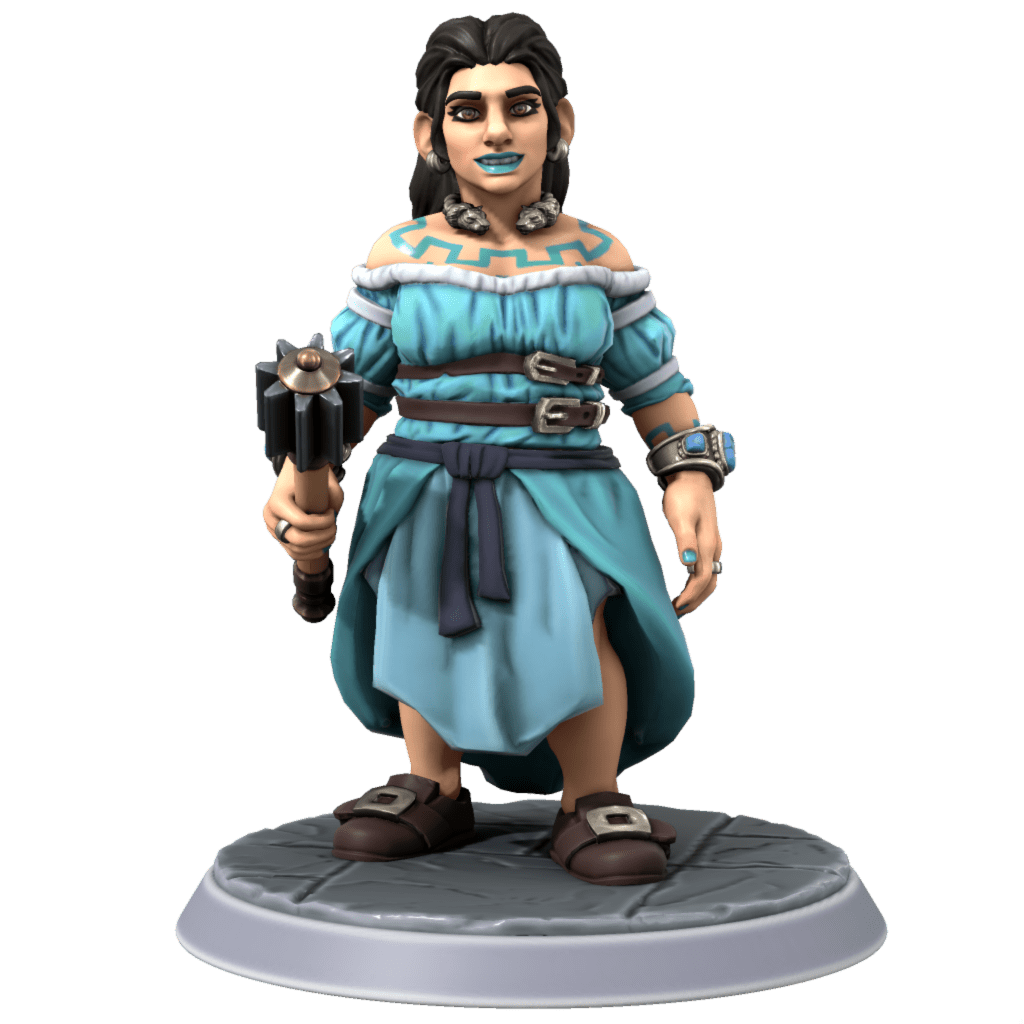
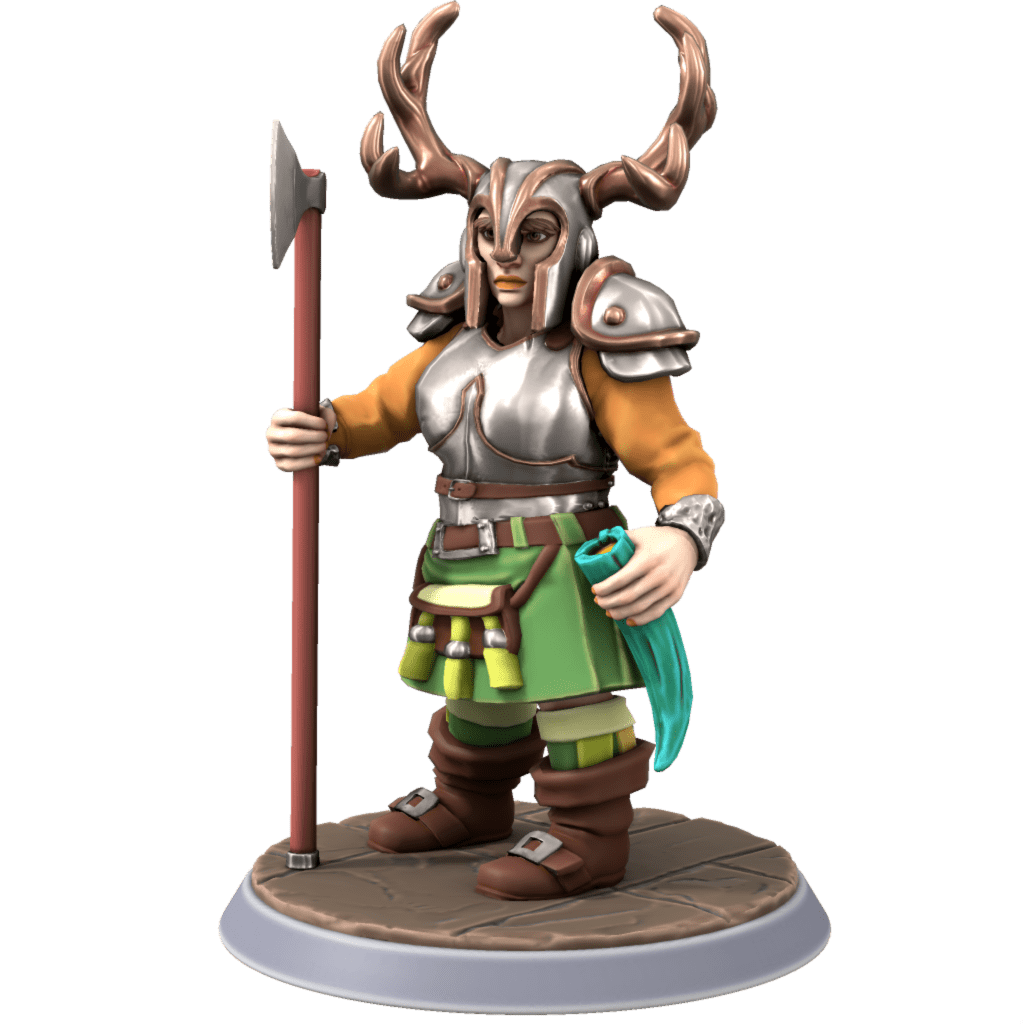
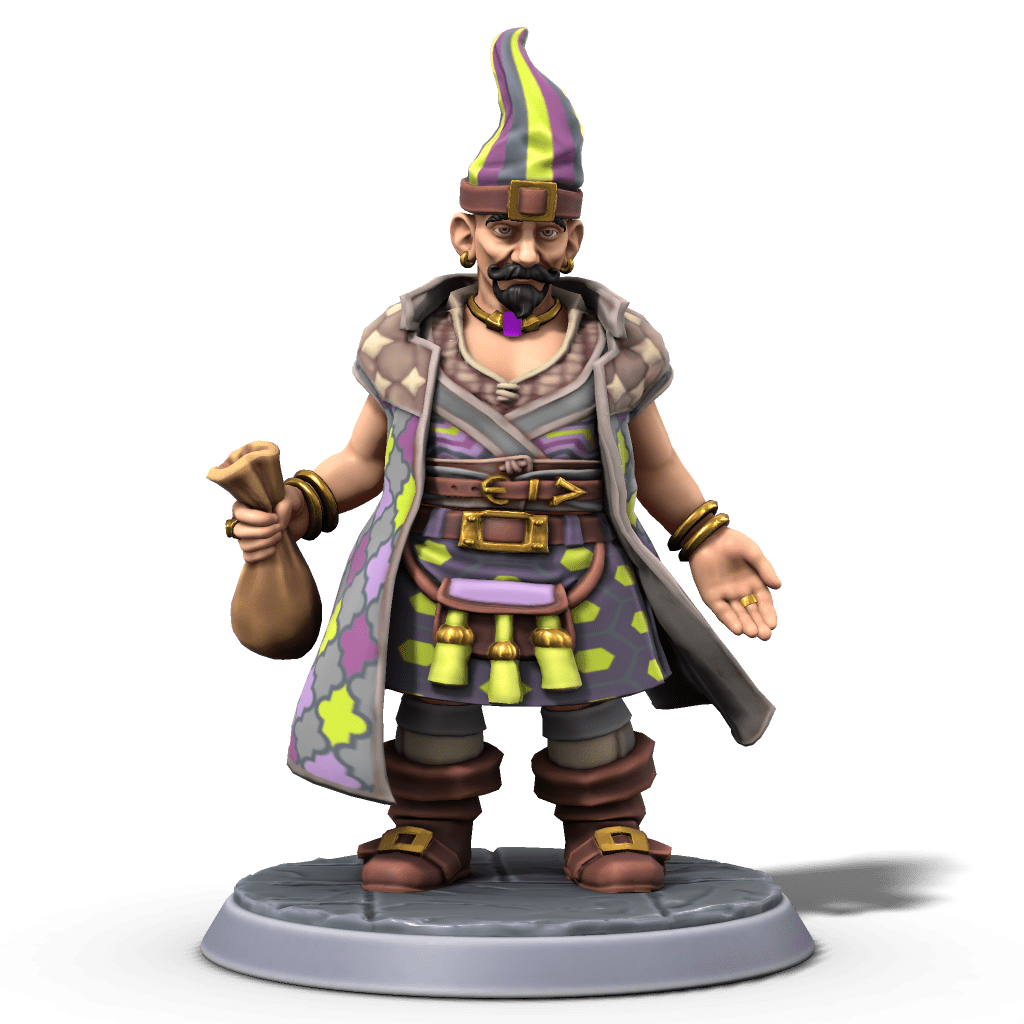
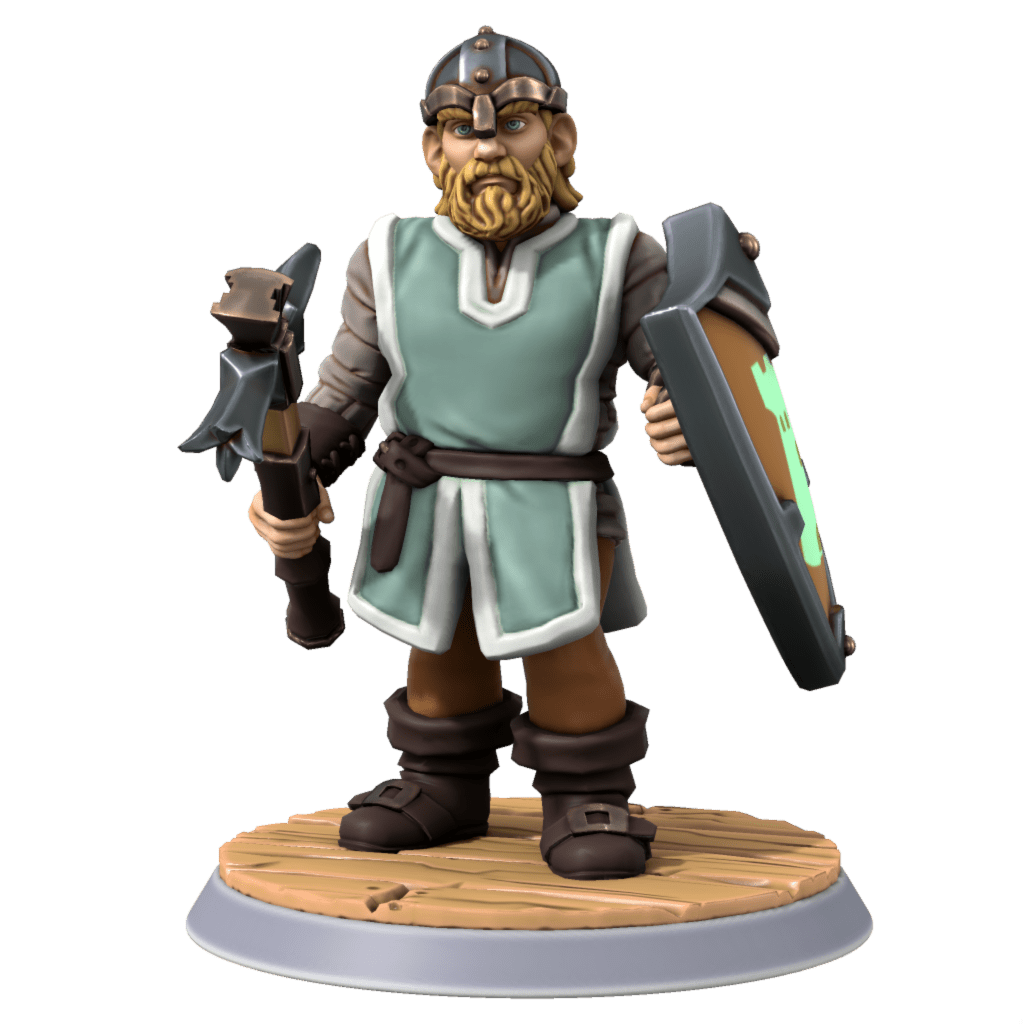
Regardless, many folk often imagine dwarves as many of them appear in their traditional garb: a kilt with a a matching sporran, secured with a sturdy belt with a tough buckle; a pair of durable shoes or boots, also bearing a substantial buckle; a simple tunic well suited for crafting or labor, as well as for fighting; the presence of a small light sidearm, such as a knife, dagger, handaxe, or hammer, which may also double as a tool; and either a head covering such as a hat, headwrap, or scarf, or an open-faced helmet as headwear. Masculine dwarves rarely do not have beards, though it is usually the clan dwarves who would most likely have long and braided or stylized beards and hair. Feminine dwarves rarely have facial hair substantial enough to be beards, though most prefer to be smooth-skinned on their face (due to the influence of multiple non-dwarf cultures).

Other than basic biological differences, the dwarves do not have strict, delineated gender roles in their society. In their minds, all dwarves can work, craft, and fight, and it is a family that rears and apprentices their offspring, and not just the mothers. On the average, dwarves tend to view or consider things from a communal perspective instead of just an individual one. This behavior tends to manifest in lone dwarves considering and adopting friends, companions, and associates into one community of their own consideration, and valuing those relationships just as much as they value those with a clan, family, or community.

For dwarves, magic is regarded as a craft like any other. Some members of their community may strive to refine and master their magic craft, just as others would strive to improve the crafts of their professions or interests. And, in some instances, those dilute and ancient connections between dwarves and their distant forebears, the giants, grants a few dwarves a spark of magic within them. Many dwarves prefer to pursue their talents in magic through practices such as arcane artifice, rather than bardic performance, wizardly study, or a warlock’s pact (though dwarf sorcerers are as common as human sorcerers). For those who follow a spiritual path for their magic, many dwarves prefer the mixed focus of divine or primal power and martial skill typical for a paladin or ranger, while the extremely devout are the only ones to fully commit to a priestly life as a cleric or druid.

While elves and gnomes are known for significant achievements, quite a few of those endeavors would not have been without the discovery and refinement of ores discovered and mined by dwarf communities. Dwarves were the first to discover such precious metals such as gold, silver, and copper, as well as the rarer palladium, platinum, aluminum, and mythryl. They also discovered several varieties of gemstones, including quartzes, beryls, corundums, diamonds, and the harvest of them all: adamants. It was also the dwarves who first made bronze and crucible steel, as well as developing the arduous and labor-intensive process of infusing both bronze and steel alloys with mythryl and adamant dust to make the alloys orichalcum and adamantine.

Though many do not necessarily think of it, the dwarves have made significant contributions to food and cuisine. Due to their penchant for subterranean communities, fungi and root vegetables are their most common crops, while snails, insects, and arachnids are frequently cultivated for food or as bait for catching cavefish. Groups of surface-dwelling dwarves often farm many other crops for consumption, especially grains for bread and beer, as well as raise livestock for meat consumption. Due to their preferred environments, most dwarves rear herd animals such as yak, alpaca, pacas, sheep, and goats, and on occasion pigeons. It has been only during recent times that dwarves began raising other livestock such as quail, chickens, and cattle.

However, dwarves do not strictly raise animals just for use as livestock; they are fond of having pets as well. Some alpacas and sheep are raised only for fiber, but are treated as pets otherwise, while messenger pigeons often are treated well. Many dwarves prefer weasels, degus, and chinchillas, while others may have eagles that naturally nest in the mountains, or big cats like cougars and snow leopards that stalk the mountain ranges. A few dwarves have bats, snails, or spiders as pets.

The dwarves of Iorth are some of the first peoples of the world, said to have been made in the image of their giant forebears by the great overgod Os. Old religious beliefs of the dwarves focus on the reverence of a few demigods said to serve as protectors and champions to the dwarves, but with the rise of the philosophical religions, these practices fell by the wayside. Dwarves are not unified in their spiritual beliefs, since each individual follows what worldview and faith that they prefer. However, regardless of faith, dwarves are fiercely communal, and this sense of community is never threatened or undermined by any differences of opinion regarding faith and spirituality.

Dwarves and their communities are one of the oldest and most stable presences in the whole of Iorth. Their survival and success was due to unity and community, and their failures and downfalls often occurred due to dissent and rivalry. Though not as awe-inspiring as they once were in millennia past, the dwarven civilization is still a wonder to behold.

Gallery

Peoples of Iorth: Humans

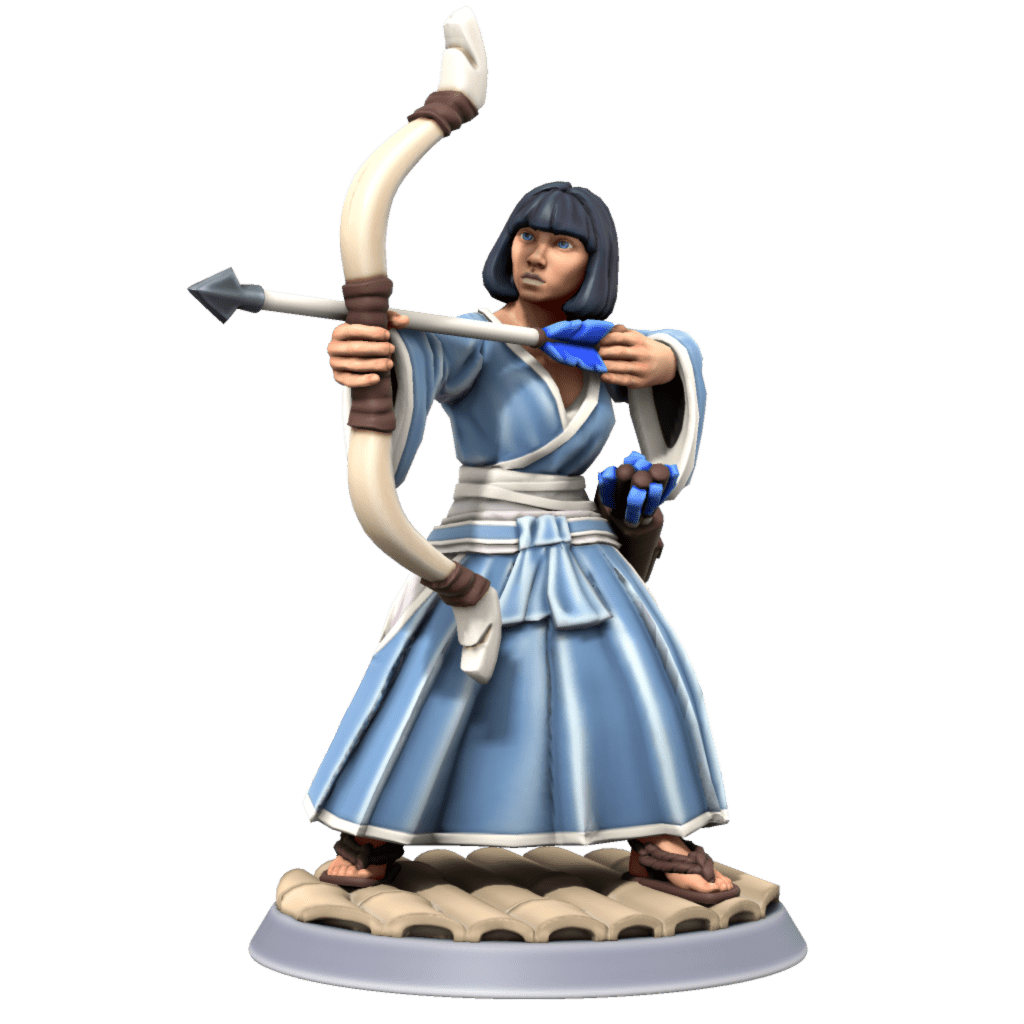
The humans of Iorth are as varied and complex as humans found on Earth. They have a wide variety of traits that, over the centuries, have been distributed globally due to trade, travel, and conquest. Initial communities of humans, during the time before the Great Empire, tended to have human cultures based on their immediate environments, with typical physical features for humans indigenous to that region. In general, these groups were referred to by their regional demonym: Estlander, Norlander, Sudlander, Veslander, or Heartlander.

However, with the establishment and dominance of the Great Empire for two millennia, the term “Heartlander” lost its original meaning of humans native to the Heartlands. With the intermingling of peoples and cultures across all human lands, a new diverse yet unified group of people became the norm for a typical Heartlander. The rise of this group is one reason for the widespread use of standardized systems throughout much of Iorth, and for the prevalence of their language, now simply known as the Common Tongue or Common.

As such, humans encountered on Iorth have appearances just as familiar or diverse of any of those humans encountered on Earth. The “Heartlander” demonym is rarely used, except by small isolated groups who still appear and identify as one of the other four old communities of humans. Other human languages once spoken in Iorth are now extinct languages, while the major regional languages of Estlish, Norlish, Sudlish, and Veslish are dead languages.

While the humans of Iorth may associate with various nations or polities which exist in the absence of the Great Empire, distinction of groups based on culture or appearance has fallen by the wayside. This is due to the active sense of unity promoted by the Great Empire, who in turn learned lessons from older and much more stable cultures such as those of the dwarves and elves.

To provide a general sense of progress achieved by the humans of Iorth, some comparisons will be made between them and cultures of Earth’s past. First and foremost, while society has access to inventions such as the coin mill and the printing press, and even access to crucible steel (thanks to the superb skill of dwarf metalworkers), they do not have access to firearms. Though the devices could be crafted, their utility and appeal is significantly decreased due to the presence of magic.

The vulnerability and volatility of gunpowder in a reality capable of creating intense flames or other primal elements makes the propellant unreliable and dangerous. Furthermore, initial attempts at the creation of the cannon for use as a weapon were spectacularly and horribly ruined when, after an initial success of breaching a fortress, the cannon suffered a catastrophic failure after it was engulfed in the flame of an aggressive young red dragon. The intense heat of the dragonflame melted the cannon, effectively sealing the barrel, and the heat and trapped air allowed for ignition of the gunpowder, turning the compromised weapon into a large fragmentary explosive. This experience, along with the revelation that any stores of gunpowder for such weapons could easily be compromised by any number of means of equivalent threat, promptly ended any further development of firearms. The only remaining use for gunpowder is either as spell components, or for use as fireworks or simple explosives.

However, some types of emerging technology (whether created by humans or by gnome innovators) include the telescope, compound microscopes, slide rule, mechanical calculator, and the pendulum clock. Otherwise (with the exception of gunpowder), most humans have access to technology typical of 15th to 16th century Earth.

Though magic is present in the world of Iorth, it is not heavily used or relied on by the human public at large. In many instances, this stems not from a taboo or suspicion of magic, but a matter of availability of practitioners. The study and practice of arcane magic for a wizard, artificer, or bard demands a substantial investment in time that is considerable for humans (given their lifespans). On the other hand, establishing a pact with a potent entity in exchange for power is viewed with dread and suspicion by many. Whether harnessing primal magics or divine power, intense focus and faith in one of the main religious philosophies is necessary for clerics, druids, paladins, and rangers to use those gifts. As a result, those born with an inherent gift for arcane magic (such as sorcerers) are the most commonly encountered variety of magic users.

Furthermore, there are far fewer spellcasters able to use some of the more potent magics of their means compared to initiates capable of simple or foundational spells. The public at large does not have an expectation, much less an idea sometimes, of accessing magics that return the dead to life, or enable instantaneous travel across massive distances, much less creating materials or objects out of nothing. Only grand metropolises, such as Coppergate or the Free City of Rigby, would have public works innovations such as magical streetlights present, as opposed to relying on simple lanterns or torches, or even expecting the public to provide its own light for traversing the community at night. Therefore, the concept of shops selling magical items or providing magic services is generally unknown in human societies.

Even though the Great Empire is in ruins, its legacy can still be seen and felt in countless human communities. Roads created by the Great Empire are still used for trade and travel. The coins used in all nations use the standards and weights established by the Great Empire, and are still made by the Coin Guild. The Common language is the native language of humans, and the names of many towns follow the naming methods practiced by the Great Empire. The orders of nobility, the organizations of administration, military, and many other elements of society are derived from the practices and standards of the Great Empire.

Though significant human communities reside in the Estlands, Norlands, Sudlands, Veslands, and beyond, the largest concentration of human settlements are in the Heartlands. The nations of Aland, Iland, and Uland—the original three nations that formed the Great Kingdom, which later became the Great Empire—still have the largest populations of any human communities on Iorth.

While human communities generally interact well with non-human neighbors (on average), suspicion and sectarianism generally impede peaceful cooperation between human communities and nations. The nations of Aland and Uland are not openly hostile with each other, but it would not take much to lead them into open conflict. The nation of Iland tries its best to remain neutral while also not provoking other nations to hostility against them. The nation of Œland faces threats from not only its southern neighbors, but also the schemes of the totalitarian Archduchy of Hellport to the west. The pirate haven of Covestead harasses all ships in the ocean, regardless of nationality, but also does its best to evade privateering by ships from the Palatinate of Upton. As a result, many non-human nations actively avoid associating with many of the human nations for concern of getting dragged into their rivalries and conflicts.

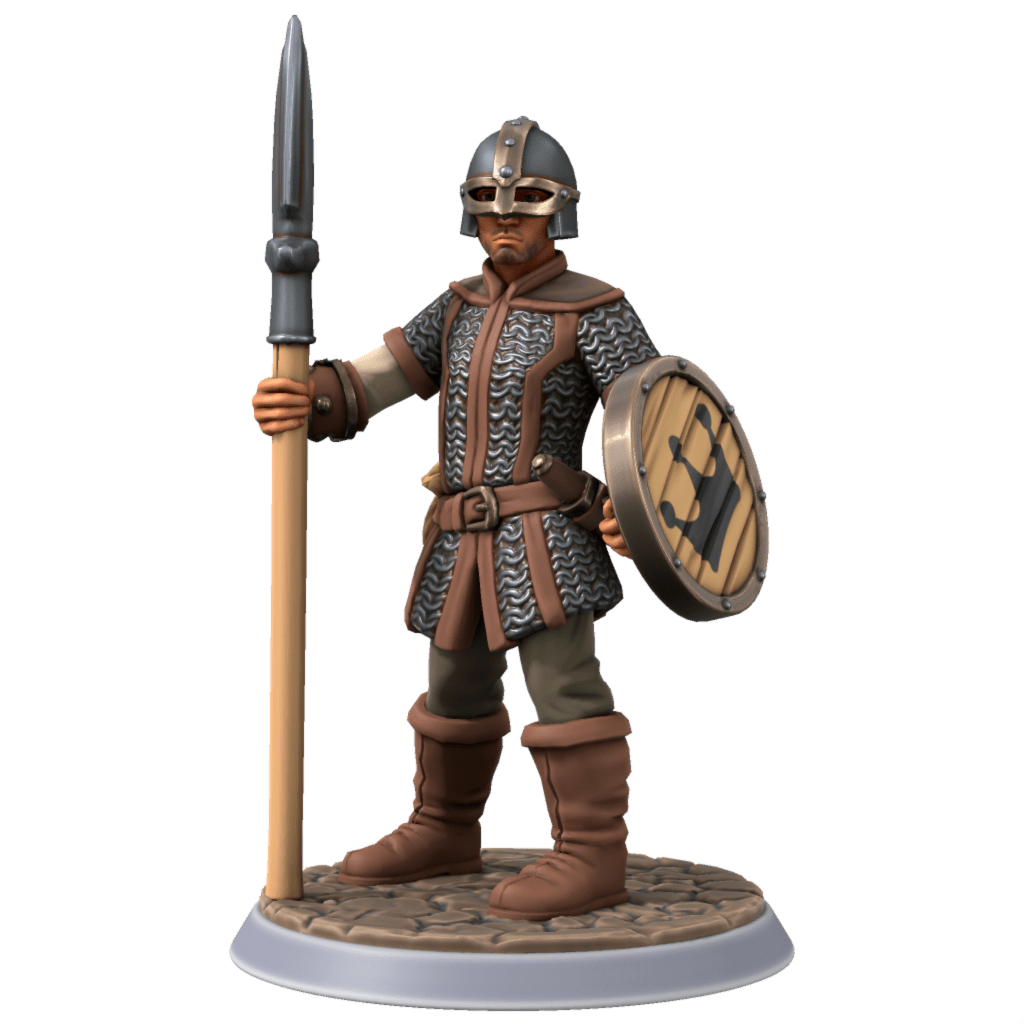
One practice of the Great Empire that several human communities maintain is the presence of a standing professional military. In some nations, this force is composed of citizens completing a mandatory conscription period, whereas in others it is wholly staffed by a voluntary force. Due to this, many human communities maintain stockpiles of munition arms and armor for use by its forces. Typical types of munition armor are mail shirts or breastplates, often complemented with helmets and shields, while typical types of munition arms include spears, daggers, short swords, hand axes, maces, slings, shortbows, and light crossbows. In some instances, where community members may be supplied arms and armor from a community stockpile in a time of crisis, a simple spear and shield may be issued, with potentially padded or hide armor also available for protection, and shortbows or slings supplied for ranged weapons.

There is no one consistent method of governance used by all of the human communities, though there are certain methods that tend to be used. In some instances, a community may be governed by an elected official or council. In other instances, a local noble may hold reign over an area, or a member of nobility may rule in service to a sovereign of a nation. In the case of the nations of the Heartlands, many of the human nations follow the traditions typical of the Great Empire.

Human communities tend to be the most diverse communities found in Iorth, since they are welcoming to trade and innovation. In many instances, humans meet many non-humans as traders or travelers in human settlements (conversely, it is less likely for non-humans to encounter humans in non-human settlements). Nations such as the Kingdom of Wyland and the Free City of Rigby have such diverse populations as to be considered mixed communities overall, while many other nations are dominated by humans but are accommodating to non-humans.

The prevalence of humans in Iorth can also be seen in the various lineages that may be encountered. Tribes in the more wild reaches of the lands have members who are werebeasts, as well as a fair number of members with werebeast ancestry. Humans, as well as many other folk in Iorth, are likely to have traces of celestial, fiendish, fey, giant, or elemental heritage that can reveal itself over time. While some may regard these individuals as something more than human, general consensus by many sees them simply as just another variety of human. In some instances, these traces of inhuman heritage as seen as a quintessential element of the identity of some human groups. For example, many Norlanders do not just focus on the stereotypical appearance as being essentially Norlander, but also displaying traces of water elemental ancestry as well. The same goes for Sudlanders in regards to fire elemental ancestry, Estlanders and air elemental ancestry, and Veslanders with earth elemental ancestry. Many prominent families in positions of influence and power in those regions have elemental ancestry which frequently is seen in their lineage.

One infamous human community with inhuman ancestry is the serpentkin. These individuals are descendants of an ancient serpent cult who, per their legends, received “blessings” from their patron in the form of serpentine attributes. Some extremely devout members of the cult were provided even greater serpentine attributes, resulting in the creation of creatures such as serpentfolk, nagas, and gorgons. The serpentkin dwell on the isolated island of Koatlan in the southern hemisphere of Iorth, but they actively work to infiltrate other human communities in an effort to undermine or corrupt them from within, in order to spread the influence of their cult. A few serpentkin have fled Koatlan to escape the cult, and they still revere the ancient celestial serpentine beings known as couatls that originally inspired their community, though they remain secretive due to the horrible and prevalent presence of their more aggressive and baleful kindred.

Humans are considered to be one of the younger peoples of Iorth. Whereas the giants, dwarves, and fey are seen as among the first peoples, the humans rose to notability after the glory days of the dwarves and elves were long over. Per legend, the humans were beings created by the god of the heavens, light, and order, An. Humanity on Iorth tends to refer to itself as “mankind,” and their legends claim that the very word “man” means “progeny of An,” or “the children of An.” In earlier times, many human cultures directly worshiped An and many other demigods, but with the rise of the philosophical religions such as the Path of Light, the Path of Nature, or the Path of Awareness, the focus has changed from revering an entity to revering and exemplifying ideals and outlooks. Many elements from the various older practices appear in these religions, but the faithful are aware that they focus on the ideas rather than the individuals.
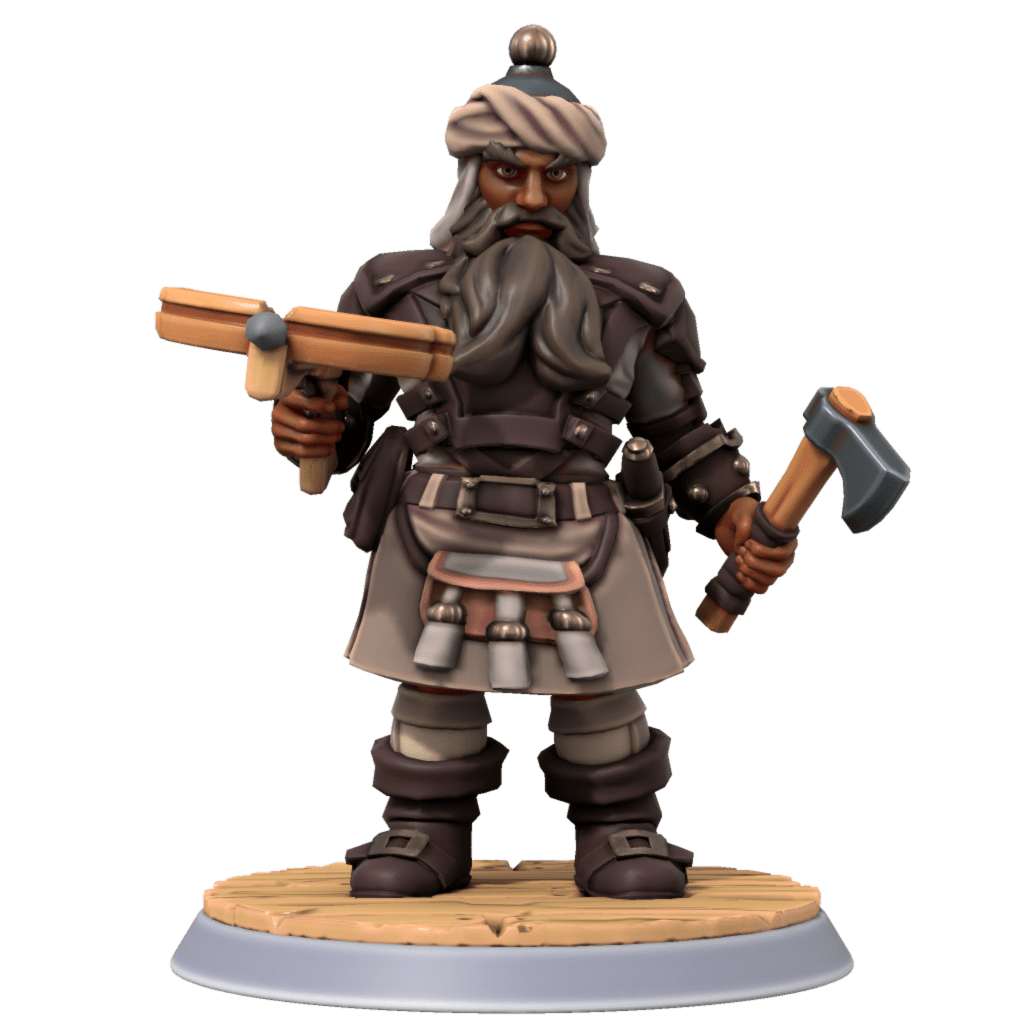
Overall, the humans of Iorth are as diverse and unique as any of the humans encountered on that far-away world of Earth. They have immense potential and creativity, though they are divided on their values and viewpoints of the world around them.

Gallery