Tag: faiths

Cosmology of Iorth

Unlike the Great Wheel Cosmology of standard D&D settings, the cosmos Iorth exists in has a unique cosmological structure. The majority of the cosmological existence consists of an infinite expanse known as the Astral Plane, amidst which the planes exist. Almost all planes float, drift, or orbit in the Astral Plane, except for the 3 major elements that are set upon the Cosmic Axis: Heaven, the “bubble” that holds Prime Material Planes and their bound echoes (Shadow, Shimmer, Ethereal), and Hell. The majority of objects in the Astral Plane are demiplanes/quasiplanes/paraelemental planes/shards and the like formed by debris from the orbiting planes occasionally colliding with each other or with some part of the fixed Cosmic Axis; in some instances, such debris collides into each other, and either meld together, cast off more intermingled debris of their own, or obliterate each other.

The Prime Material Planes and their Echoes

The Prime Material Plane of Iorth exists in a bubble of ether, alongside its overlapping/adjacent “echo” planes: the Shadow, the Shimmer, and the Ethereal. But, in addition to this, there are also multiple copies of Iorth (with their own echo planes) spread throughout the “bubble”; these are alternate realities of this multiverse (much akin to the variant Earths of Marvel’s multiverse or DC’s multiverse).

The Shimmer

Genre: Fairy Tale

Home of many fey creatures, as well as the domains of the Fey Court, the Shimmer is a realm of whimsy, wonder, mystery, enchantment, illusion, dream, innocence, and hope. Though the elves known as fey elves (or eladrin) tend to be numerous here, the most prominent folk of the Shimmer are the light elves. Though host to several domains of delight, it is most known for the dreamlike realm of the light elves, Wondor.

The Shadow

Genre: Dark Fantasy

The Shadow, by contrast, is a realm of cruelty, pain, loss, anger, and despair. While the Fey Court rules over the Shimmer, it is the Fell Court that dominates the Shadow. The prominent folk of the Shadow are the dark elves, who dwell in their domain of Moldor. Though host to several domains of dread, it is most known for the horrid realm of Borzalom (a.k.a., the setting called Darkloft).

The Ethereal Plane

Genre: Mythopoeia; Deity Fiction

The Etherial Plane is a realm between realms that links the various realities together. Though generally void of indigenous inhabitants, there is a few sparse, secretive settlements present in its mists (such as the Radiant Citadel).

The goddess Ki dwells/exists in this realm, able to access all of these multiversal planes as she wishes.

Heaven

Genre: Angel Works; Deity Fiction

At the “upmost/northmost/top” of the Cosmic Axis resides Heaven. The further “upward” one goes into Heaven, the stronger the positive/good influence of the Positive Energy one feels, until at last one encounters the god An on his heavenly throne.

Heaven is a pleasant, peaceful, welcoming realm, consisting of luxurious vistas and lush fruitful landscapes. The skies are clear and blue, with a warming sun and cooling breeze. The landscape gently slopes upward, leading to a colossal silvery mountain with a shining city at its summit: the Paradise of Arcadia. A wide crystal clear stream flows down from the mountain and gently meanders across the landscape. After crossing the rainbow bridge that leads to Heaven, blissful pilgrims lazily ascend the smooth marble path and stairway that leads up to the city, and seek admittance through the shimmering silvery gates of the city.

The massive wheel-like city is well-organized and pleasant, and all are able to make their way easily throughout its streets. At the city’s center is a massive garden and a magnificent white marble tower at its center. This is the Tower of Light, and at its highest point rests the throne room of the god An. Any and all may enter, and any and all may seek an audience with the deity. None within Heaven suffer for want, and none desire to cause discord or displeasure. While the realm does have its rules, every rule is fair and sensible, and unable to be exploited for greed or cruelty. All who are in Heaven have little if any desire ever to leave it.

A countless and diverse array of beings reside in Heaven, but among them all are the titans and the angels. The titans are the noble and good heroes of old deified, who battled the demons in the earliest ages of existence. Many serve as administrators and advisers in Heaven. The angels are the servitors of An and the titans, and dutifully complete the various tasks necessary for a city to smoothly operate. The most common and numerous of the angels are the devas, who frequently interact with the souls and mortals  who somehow venture to Heaven. The planetars are the next higher order of angels, serve as the officials and guards of Heaven, and are the angels first encountered guarding the gates to Arcadia. The highest order of angels are the solars, who oversee the whole of Heaven and serve as the commanders in charge of all beings in Heaven, and who answer only to An or Os directly.

In Gaming Terms (D&D, Pathfinder, OSE)

Iorth’s Heaven is a combination of the Positive Energy Plane along with all of the Upper Planes, though it has absorbed plenty of debris from collisions with all four of the Elemental Planes, it tends to have more air and water elements in the mix. In addition, it has a bit more debris from collisions with the Orderly Pattern than it does from the Chaotic Maelstrom. Though any non-Evil being can reside in Heaven, the plane itself is on average akin to Bytopia/The Twin Paradises in D&D cosmology (a NG[LG] plane). It is the home of almost all non-Evil Celestial creatures and demigods.

Hell

Genre: Demon Works; Deity Fiction

At the “downmost/southmost/bottom” of the Cosmic Axis resides Hell. The further “downward” one goes into Hell, the stronger the negative/evil influence of the Negative Energy one feels, until at last one encounters the god Ur on his hellish throne.

In order to understand the dynamics of Hell, it works best to realize that the entire plane is a vast prison. The countless demons and other sundry fiends and beings are the prisoners, and the devils are the guards. Odd as it may sound, the god Ur is both this prison’s most dangerous and feared inmate as well as the prison’s warden. The most powerful of all devils, known as the Archduke of Hell, is seen as the warden, but is actually the vice warden, working in service and answering directly to the god of darkness and chaos. Each major group of prisoners, such as demons, demodevils, slaads, hags, the succubi and incubi, efreet, and others, are roughly equivalent to various prison gangs.

No one in Hell wishes to be there, not even the god Ur. The realm is a place of constant pain, anger, despair, fear, hate, and madness. The god Ur was banished to Hell by the overgod Os, and is incapable of leaving. As angry and bitter as Ur is, the god jealously entraps his servants and other condemned entities in Hell alongside him, ensuring that they suffer as much as he does. Some entities may achieve brief bouts of “parole,” being summoned or escaping briefly to other planes of existence, but ultimately they always return back to the terror of Hell.

The majority of Hell can be described as a massive wasteland with sunless smoke-polluted skies fed by the countless wildfires and volcanoes that dot the plane. Meandering throughout the landscape is a broad, wide river of lava that leads to a massive lake of lava. At the center of this colossal lake is a lone island of razor-sharp obsidian from which is cut out an infernal city: the city of Pandemonium. Countless structures clutter the labyrinthine streets, but in the center of the massive city lies an immense, deep well that leads down to the lower layers of Hell, and ultimately all the way down to the throne of the dreaded Demogorgon, the god Ur.

The wasteland is notable for its unforgiving and inhospitable terrain: surviving off the land in Hell is not possible. Creatures that require sustenance that reside or are trapped in Hell ultimately feed off one another to survive. Breathing is labored and difficult, eliciting frequent coughing fits. Without enough protective magics to withstand the environment, a living creature from the Prime Material Plane ultimately dies from starvation, exhaustion, dehydration, or exposure alone while lost in the wastelands.

Red-hot iron-lined barges can be seen floating down the lava river, with the souls of the damned packed in as a massive towering fiend prods the barge along, ultimately heading to Pandemonium. Once there, the souls are cast out into the streets, to wander and stumble and fall further into the torments of Pandemonium. A few wicked souls either quickly or eventually prove their worth to the devils, and are rendered into devils themselves, but most try to not succumb to the schemes of the various infernal gangs and work to join a gang themselves and ascend the ranks.

The major groups of the damned are as follows:

  • Devils are the appointed guards of Hell, ensuring that no one escapes the plane, even though they themselves want to do nothing more than achieve their freedom. Agents of the devils include the scheming rakshasas and the cunning efreeti, as well as some infernal beasts such as the vicious hellhounds and hellwasps.
  • Demons are the prisoners of Hell, striving to escape their prison and inflict pain, suffering, and ultimately entropy on all of existence. Agents of the demons include devourershowlers, and vargouilles.
  • Demodevils (also known as demodands and daemons or yugoloths) are the oldest inhabitants of Hell. They are prisoners, but have gained some measure of trust from the devils and demons alike, making them equivalent to “trusty” prisoners. However, the demodevils are ultimately spies and servants of Ur, working to ensure that no one’s machinations to escape or gain power are successful unless Ur allows it. Agents of the demodevils include the seductive succubi and incubibarghestsnight hags, and nightmares.
  • Aberrations from the Horror also reside in Hell, with notable ones such as the slaad infesting a section of Pandemonium. The aberrations all work for various allegiances, but all ultimately fall sway under the will of Ur.

In Gaming Terms (D&D, Pathfinder, OSE)

Iorth’s Hell is a combination of the Negative Energy Plane along with all of the Lower Planes, though it has absorbed plenty of debris from collisions with all four of the Elemental Planes, it tends to have more fire and earth elements in the mix. In addition, it has a bit more debris from collisions with the Chaotic Maelstrom than it does from the Orderly Pattern.Though any Evil being and some non-Good beings are damned in Hell, the plane itself is on average akin to Carceri/Tartarus in D&D cosmology (a NE[CE] plane). it is the home of almost all Evil Fiendish creatures and demigods.

The Elemental Planes

Genre: Genie Works; Deity Fiction

The Elemental Planes of Air, Earth, Fire, and Water are planes of pure element that orbits the “bubble” than contains the Prime Material Planes and their echoes. Though constantly moving, they do tend to be in a certain region of the Astral Plane more often than not: the Planes of Air and Water tend to be in the upper hemirealm, whereas the Planes of Fire and Earth tend to be in the lower hemirealm.

In Gaming Terms (D&D, Pathfinder, OSE)

These realms are typically Unaligned (or true Neutral for some residents).

Demiplanes

The Astral Plane is littered with countless tiny realities referred to as demiplanes. There are too many to recount here, but there are a few demiplanes of note that bear mentioning.

Orderly Pattern

The Orderly Pattern is an orbiting demiplane plane that has an elaborate yet set and predictable spherical orbit path around the “bubble” throughout the Astral Plane, with what amounts to “gravity assists” from the pull of Heaven and Hell. It seems that the Orderly Pattern tends to slightly be more in the upper hemirealm than in the lower hemirealm. A notable region of the Orderly Pattern is The Gears, a massive construct that spawns construct servants to eternally work on and in service of the reality.

In Gaming Terms (D&D, Pathfinder, OSE)

The Orderly Pattern is a strong absolute realm of order (LN). Warforged, autognomes, modrons, and other sentient constructs often originate from The Gears.

Chaotic Maelstrom

The Chaotic Maelstrom is an orbiting demiplane that has a wild and unpredictable spherical orbit path around the “bubble” throughout the Astral Plane, with what amounts to “gravity assists” from the pull of Heaven and Hell. It seems that the Chaotic Maelstrom tends to slightly be more in the lower hemirealm than in the upper hemirealm.

In Gaming Terms (D&D, Pathfinder, OSE)

The Chaotic Maelstrom is a strong absolute realm of chaos (CN). Most sentient amphibious creatures like fire and ice salamanders, slaads, grung, grippli, and bullywugs often originate from this demiplane.

The Horror

Genre: Cosmic Horror Story; Kaiju Works

This horrid demiplane of absolute madness that serves as home to several aberrations and the great old ones, ancient enemies of the overdeity Os, such as the terrible being known as Yus. This everchanging morass of a reality is home to countless perverse beings. Nothing good comes ever from this region. Rumors speak of the Horror being merely the reverse side of the coin-like demiplane that is home to the cosmopolis known as Aushaus.

In Gaming Terms (D&D, Pathfinder, OSE)

This exodemiplane is home to aberrations such as aboleths, beholders, mind flayers, slaadi, and many others. It is also said that the dread Tarask is originally from the Horror.

Aushaus

Genre: Science Fantasy; Deity Works

This strange demiplane orbits the distant reaches of the Astral Plane, and serves as a lone outpost amid the vast void. The denizens of this realm comprise of the descendants of long-stranded planar travelers and the unique native folk of the demiplane. It holds a bizarre mix of the advanced and the primitive, and it is in a constant struggle to repel invasions from the Horror. It is also home to the legendary demiplane-within-a-demiplane-market known as the Bazaar of the Bizarre, where, rumors say, one can find anything, for the right bargain. Individuals from Aushaus are rumored to be able to travel to other worlds and realities, whether through passing through an interdimensional portal or sailing across the Astral Plane within a techno-magical purpose-built vessel known as an æћerskiff; these adventuring travelers are known as Scapejammers. This cosmopolis resides on the obverse of a coin-like demiplane which, rumors say, hosts the dread demiplane known as the Horror on the reverse.

In Gaming Terms (D&D, Pathfinder, OSE)

The setting of Scapejammer is akin to a mix of classic D&D settings such as Spacejammer, Planescape, and the Radiant Citadel. Options not available in the main setting of Iorth, or which are exclusive to other campaign settings, may be encountered here.

Greater Cosmology

The world of Iorth is not by any means the only realm of its kind. Across the countless dimensions, other variants of the world manifest themselves, and are remarkably different from the original.

Flaith (a.k.a. the Wildrealms)

Genre: High Fantasy

A realm of high adventure, the world of Flaith (pron.: Flyth) faces a great struggle between the forces of Good and Evil. The hands of the gods guide mortals discreetly, hoping that the great struggle to rid the world of its impeding doom may yet be achieved by mortal heroes.

The world of Flaith, home of the Wildrealms setting, is akin to such settings as Middle-Earth, Mithgar, Prydain, Krynn, Theros, Wildemount, and earlier edition versions of Faerun.

Gwyrthiol (a.k.a. Grandspire)

Genre: Gunpowder Fantasy; Fantastic Noir

The world of Gwyrthiol (pron.: Gweer-thee-all) is an advanced and idyllic realm where technology and magic developed side by side, and their advances have elevated the entire world. Flying ships, firearms, mass transit, towering metropolises, and other wonders are common, and many benefit from their invention. However, the power of nations and kings are rivalled by the various Guilds and Orders, and intrigue is abound.

The world of Gwyrthiol, home of the Grandspire setting, is akin to such D&D settings as Eberron, Ravnica, or Strixhaven, or other settings such as Bas-Lag or Ptolus.

Wrhymn (a.k.a. Hawkmoor)

Genre: Sword & Sorcery

The varied and enchanting lands of Wrhymn (pron.: Rim) are a place of high adventure and lost knowledge. It is a world where the bold may make their own fortune through their own hands, and gain fame and wealth by taking risks.

The world of Wrhymn, home of the Hawkmoor setting, is akin to such settings as Hyboria, Nehwon, and other such pulp settings of sword and sorcery alongside foundational settings such as Blackmoor and Greyhawk.

Yarld (a.k.a. Epic Age)

Genre: Historical Fantasy

The world of Yarld (pron.: Yarld) is one that appears very familiar to Earthlings, but with magic and mystery abound. Explorers and raiders from the cold northern lands of the Kalmark interact with the folk of the Angevin Islands, while the feuding states of the High Empire fight for dominance.

The world of Yarld, home of the Epic Age setting, is akin to such Earth-like fantasy settings such as D&D’s Mystara, the Old World of Warhammer Fantasy, the Earth-like analogs of Abeir-Toril in earlier editions, or the imported cultures as found in Yrth from GURPS.

Zordon (a.k.a. Grimvale)

Genre: Low Fantasy

The world of Zordon (pron.: Zor-don) is a dreary, grim, ruinous land where the survivors of a great cataclysm must fight to survive amidst the untamed horrors that ravage the land. Lone outposts of civilization dot the landscape, and only brave and foolhardy adventurers risk travel through the ruthless and unforgiving wild. Even still, civilization is no true haven, for the schemes of the ambitious and powerful lead them to plot, pillage, and conquer as they will.

The world of Zordon, home of the Grimvale setting, is akin to such D&D settings as the Nentir Vale, as well as some thematic similarities to settings such as Westeros, Gor, Melnibone, and the like.

Trendiblenda (a.k.a. Skycastle)

Genre: Anything Goes

The fantastic world of Trendiblenda (pron.: Tren-dee-blen-dah) may appear to those not from there as a quilted patchwork of aspects and elements of many of the aforementioned worlds, yet all present despite what may appear to be jarring inconsistencies. The world is in the midst of a massive war between the forces of the fiery Orn Horde and the frosty Til Legion, while the withdrawn and impartial Gry Sodality watch from afar. However, all of them are unaware of the looming hidden threat of the Klyr that seeks to bring about total oblivion. The world has a diverse mix of cultures, from post-apocalyptic societies rising from the ashes, idyllic wonderlands infused with fey magic, horror-steeped dystopias isolated from the rest of the world, to fantastic magitechpunk megalopolises, all of which are under the sway of the ever-present and ever-watchful gods. Dragon riding musketeers known as dragoons, magical automatons riding dinosaurs, castles in the air that are home to magical schools, interdimensional pirates, and countless over possibilities can be encountered here.

The world of Trendiblenda, home of the Skycastle setting, is effectively a massive blend of all D&D and other such game settings, though it tends to highly focus on highlighting current popular trends in fantasy and popular culture.
Religions of Iorth

There are only four genuine religions in Iorth that allows some devout worshipers to use divine magic or divine-based powers in one form or another. All of these religions are not based on devotion to a deity, but rather a philosophy or view on life. Though there are several divine beings (such as tutelary demigods, saints, or place-spirits) mentioned in the religions of Iorth, the doctrine taught by followers of these deities blends with the philosophies of one of the four main philosophies. The four different religious philosophies, or paths, are:

  • the Path of Awareness,
  • the Path of Light,
  • the Path of Nature, and
  • the Path of Darkness.

Religious Hierarchy

Despite which religious philosophy is espoused, all major religions in Iorth follow the same hierarchical structure. It consists of four tiers:

  • the brothers & sisters are young members of the religious order (not necessarily bound to a temple complex), and often the wandering members of the faith, acting as missionaries or travelling with adventurers;
  • the fathers & mothers are veteran members of the religious order (once again, not necessarily bound to a temple complex), and often the clergy-in-residence for a thorpe or the travelling clergy to accompany reputable members of the faith;
  • the priests & priestesses are members in charge of a temple complex, typically found in a towne;
  • & finally, the high priests & high priestesses of a nation, region, or large area (ranking over all lower-ranked religious officials in their area), residing in a capital towne or major metropolis while managing a major sacred or revered temple or site of the faith.

Above these tiers, in a unique and revered station, are the Exemplars of the Paths. These are maximum level individuals (typically NPCs) who irrefutably embody the philosophy of their chosen faiths. Each of the Exemplars has a unique title, the reputation as being the most knowledgeable and informed about their faith and its application to the world, and the unspoken unofficial acknowledgement as the head of their established faith.

FaithPortfolioALSymbol
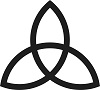
Path of AwarenessBalance, control, diligence, passionAnyTriquetra
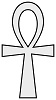
Path of LightGood, courage, love, truthAny non-EvilAnkh
Path of NatureNature, elements, life-death-rebirthAnyCrescent moon
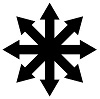
Path of Darkness*Evil, cowardice, falsehood, hatredAny EvilChaos arrows
*Not available for PCs without DM approval
Faiths of Iorth

Most adventuring priests of the Path of Light tend to be clerics, while a majority of the adventuring priests of the Path of Nature tend to be druids. The Path of Awareness has several monks serving as clergy. A majority of active priests for the Path of Darkness are actually warlocks (forming a pact with an adjutant fiend serving Ur, or some other highly ambitious fiend), though there are some genuine divine spellcasters in their ranks.

Cults and other “fringe religions” of the setting typically use unique titles fitting their structure, but, these are exceptions rather than the rule. Those will be reviewed after the four Paths.

Edition Consideration: Religions of Iorth

This articles was originally written amidst the original development of D&D for 5th edition (beginning in 2014). With the recent updates to the rules with the 50th Anniversary and the 2024 core rulebooks, there has been some changes to the character classes and their archetypes. Also, to make the setting more accommodating for use with prior editions of the game, as well as with retroclones or even other game systems, use the following rules of thumb for implementing the religions of Iorth:

  • Only non-Evil aligned characters may be followers or priesthood of the Path of Light. A majority of those divinely-empowered servants of the Path of Light will be clerics, paladins, and even monks, though druids, rangers, and other classes may be adherents. However, only warlocks with a Celestial patron tend to revere the Path of Light. Members of the Path of Light are generally the most benevolent of all toward all they encounter, even toward those of other faiths (though they will always be wary of those in service to the Path of Darkness, both as a matter of doctrine and of common sense).
    • Members of the Faith: predominantly Good-aligned characters, including those generally benevolent Neutral-aligned characters.
  • Characters of any Alignment or class may revere the Path of Nature. However, a vast majority of primal-empowered servants of the Path of Nature are druids, rangers, or barbarians. A few clerics may follow the Path of Nature, while paladins of the Oath of the Ancients or monks who are Warriors of the Elements are the only ones to embrace the Path of Nature. Primarily warlocks with an Archfey patron tend to follow the Path of Nature.
    • Members of the Faith: predominantly nature-oriented characters (barbarians, druids, rangers, etc.).
  • Characters of a Neutral alignment (NG, LN, N, CN, NE) predominantly embrace the Path of Awareness. A majority of the divinely-empowered servants are a few clerics, druids, paladins, or rangers, though many monks often embrace this religion.
    • Members of the Faith: predominantly goal-driven characters, tending toward civilization-base concerns (instead of nature and wilderness-based concerns, as befitting the Path of Nature). Most have a Neutral or partial Neutral alignment.
  • Only Evil-aligned characters may be followers of the Path of Darkness. With the exception of the Archduchy of Hellport or few other strongholds of true Evil, this religion is forsaken and outlawed by most communities throughout Iorth. It takes genuine, committed, frequent, and willful malice to follow or gain power within this particular faith. Many Evil warlocks with Fiendish patrons tend to revere the Path of Darkness. Furthermore, it is important to remember than adherents of the Path of Darkness are not simply members of a team in opposition to other faiths, but rather are genuinely cruel and wicked beings utterly willing to betray their own as much as any stranger or foe. They are best suited as unrepentant adversaries and threats to adventurers rather than as potential members of their ranks.
    • Members of the Faith: Purely Evil-aligned characters. All are deceitful, treacherous, and cruel. Any cooperation between the faithful is actually manipulative and self-serving, meant to enable one to achieve greater power. Most swear allegiance or make deals with fiendish or horrid malign eldritch powers.

The Path of Awareness 

The Path of Awareness is a path of study and self-enlightenment. Followers of the Path of Awareness focus on self-discipline to attain a greater level of awareness of themselves and the world around them. Several monks favor the Path of Awareness.

The core philosophy of the Path of Awareness is that by following the Tenets of ControlPassion, and Diligence, one may truly aware of the world around them. Awareness can be a tool for personal power or the betterment of mortalkind, depending on how one uses it.

However, the intent of one’s actions and the result are quite different, and therefore one must be cautious about acting with limited awareness. Ignorance may be manipulated, but promoting ignorance is shameful. However, one must be responsible with sharing awareness, since that awareness may be misused and cause more harm than good. Ultimately, by being logical, disciplined, and ethical, the best results may be achieved. Undeath is a sacrifice of the body to maintain the mind and spirit, though the cost may outweigh the gain. Because of this, undeath is seen as a risk that only a few dare to take.

Followers of the Path of Awareness may believe in higher powers, but they are willing to concede that said higher powers may only be just other beings that are just further along in spiritual progression, rather than incarnations of the apex of all that is. The only deities worth noting are those who promote enlightenment through awareness.

The Exemplar of the Path of Awareness is the Curate, who follows the Tenets in order to discover, learn, and share awareness to those worthy of it.

Commandments of the Path of Awareness

  • Passion fires the drive to learn and discover.
  • Control guides the actions to achieve.
  • Diligence bolsters the effort to persist and complete.
  • Everyone must journey along the Path on their own in order to obtain the true goal of awareness.
  • One must seek Balance within before helping achieves Balance around them.

The Path of Light 

The Path of Light is a reverence of everything good and benevolent in the world. Followers of the Path of Light believe that it is in the best interests of the world to promote benevolence towards others over selfishness. Most clerics strongly favor the Path of Light.

The core philosophy of the Path of Light is that through devotion to the core Principles of TruthLove, and Courage, one may be able to ascend the limits of mortal potential and bring benevolence to the world. Law and order may assist in providing guidelines to help some follow these Principles, but mindless adherence to law and order can subvert or distract one from the true goal or even be a hindrance to progress; the goal is to be rational, dedicated, and harmonious. Those who willingly succumb to the dark Impulses should be watched, for they may intend to destroy everyone around them.

Death is a natural part of life, but one does not need to cause death unless life is genuinely threatened. Undeath is generally immoral, since it is either the result of one succumbing to their base Impulses to avoid receiving the just punishment their life’s misdeeds, or the result of defiling the bodies of the dead for personal gain or power. However, some few may avoid death through unlife to atone for misdeeds made during their lives, or they may sacrifice a peaceful rest in the afterlife to protect those principles they held so dearly in life (which explains benevolent ghosts and the like).

Followers of the Path of Light may believe in higher powers, but despite the existence (or non-existence) of deities, adhering to the spirit of the Principles rather than a set dogma of a higher power is paramount. Besides, the deities that are truly benevolent promote ideals which are in line with the core ideas of the Path of Light. Thus, higher powers may serve as good examples, but they should not be purely seen as flawless masters to follow blindly.

The Exemplar of the Path of Light is the Oracle, who travels the world, applying the Principles through word and deed, and practicing benevolence for the sake of benevolence alone.

Commandments of the Path of Light

  • Be honest and truthful, but not cruel.
  • Be caring and compassionate, but not slavish.
  • Be brave and valorous, but not foolhardy.
  • Use reason, show dedication, and promote harmony in the world.
  • Benevolence benefits everyone. 

The Path of Nature

The Path of Nature is a reverence for the ways and power of the natural world. A general respect of nature and the way of nature is paramount in this philosophy. Druids strongly favor the Path of Nature.

The core philosophy of the Path of Nature is that life and death are inherently linked to the natural way of the world. The desire to exist and survive is a natural impulse, and there are many ways possible to promote this. However, survival may only continue if one is aware and in harmony with the natural world around oneself. Death, for example, is necessary for life to continue: however, there must be life for death to exist.

Along the same lines, concepts such as good and evil or order and chaos are just as interdependent as life and death are: one cannot exist without the other. Undeath is a perversion of nature, and disrupts the harmony of natural existence. It promotes constant stagnation and decay with no chance of growth and rebirth with its presence. Though some things of unlife may still exist for good reason (such as restoring natural harmony), they should succumb to true death once that purpose is achieved.

Followers of the Path of Nature may believe in higher powers, but ultimately, they believe that those higher powers are merely aspects or facets of the larger, dominant force of nature that surrounds them. Though these deities may look like they are in opposition, they are merely playing their parts that fit within the grand natural harmony that permeates everything.

Followers of the Path of Nature may believe in higher powers, but ultimately, they believe that those higher powers are merely aspects or facets of the larger, dominant force of nature that surrounds them. Though these deities may look like they are in opposition, they are merely playing their parts that fit within the grand natural harmony that permeates everything.

The Exemplar of the Path of Nature is the Warden, who minds the needs and whims of the natural world, and seeks to prevent any from unduly disrupting is natural course.

Commandments of the Path of Nature

  • Allow nature to thrive as it should, but do not stave off a natural demise.
  • Harmony with nature is harmony with existence.
  • The way of the natural world is more important than concepts of good, evil, order, or chaos.
  • Nature is not a passive force, but neither is it purely aggressive—it ebbs and flows as needed.
  • Wisdom is the reward of survival. 

The Path of Darkness

A major religion that behaves the most like a cult, the Path of Darkness is an adherence to the ways of malevolence and evil. Followers of the Path of Darkness believe that nothing should stand in the way of their personal gain, and feel that things such as ethics and morals only serve to hinder their own rise to power. Many of the priesthood of the Path of Darkness are warlocks who have patronage from a fiend, but there are a few divine spellcasters or fallen paladins in their order.

The core philosophy of the Path of Darkness is that through succumbing to the base Impulses of CowardiceHatred, and Falsehood, one may be able to acquire power at the cost of others’ prosperity and well-being. Anarchy and chaos can aid in acting upon these Impulses, but one must not reject the potential of abusing or corrupting the structures of law and order to obtain power.

Consequences should only be heeded if they would have an impact on survival or future goals, since too much impulsiveness can lead to unforeseen consequences that could halt one’s progress of self-empowerment. And, one must always be aware that there are those more powerful than oneself, both those who seek to stop you in the name of righteousness or who see you as unwanted competition. Ultimately, to dominate others who travel the Path of Darkness with oneself, one must promote in those weaker than you a false sense of unity, a false sense of trust, and a false sense of worth. Such goals can be achieved through use of prejudice or calls for anarchy, instilling apathy in some or wantonness in others, and promoting a ruthless or insane demeanor.

Undeath is just another means to acquiring power. Death is both a tool for acquiring power and a threat to ending power. If the physical body is of no consequence to oneself, then undeath sacrifices the body to maintain the mind and spirit.

Followers of the Path of Darkness may believe in higher powers, but if so, it is a bit of a conundrum. Higher powers may serve to confound one’s acquisition of power, or may manipulate one to further serve their own interests. The only deities worth following are ones who espouse beliefs in line with those of the Path of Darkness. Many who worship demons and devils follow the Path of Darkness.

The Exemplar of the Path of Darkness is the Overseer, who uses the Impulses to control the faithful and maintain power over all in the name of selfish supremacy.

Commandments of the Path of Darkness

  • Cowards survive while the foolhardy brave die.
  • Hate gives strength, and the hate of others is a useful tool.
  • Lies grant control, and help protect the truth.
  • Trick others into feeling trust, worth, and unity only from you.
  • Unhindered malevolence is the birthright of the powerful. 

Cults of Iorth

In Iorth, a cult consists of a group fanatically embracing a belief system whose practitioners do not draw upon any means of divine power. Usually, authority figures in such groups gain their displays of supernatural ability through use of arcane magic or psychic power, or even lack any power whatsoever and derive it from an object or location imbued with such power. Most cults do not thrive in the open, unable to stand against the genuine expressions of faith demonstrated in the Paths. Warlocks and profane soul blood hunters are usually devoted members of a cult who have made a pact with the revered entity for power in exchange for servitude. The Path of Darkness easily can qualify as a cult itself, though it is openly practiced in a few nations such as the Archduchy of Hellport and Koatlan.

With one or two exceptions, all of the cults mentioned are secret organizations, publicly presenting themselves as guilds, elite societies, fraternities/sororities, clubs, or the like. Many have a sinister element to them, but not all. However, all are essentially hostile to all other forms of belief, seeing themselves as the exclusive means to ultimate power, salvation, and achievement, and they are heavily reliant on the dogma or will of a “chosen prophet” or “select disciples.” A fair number of malign cults can be described as heretical splinter groups of the Path of Darkness, where its devout pay homage to an ambitious fiend or entity daring to challenge the primacy of Ur.

CultPortfolioALGlyph
Dagan the DeepDeep waters and mysteryAnyDown query arrow
Duke DuchThe dead and undeathAnyGhost
Helgrave FurfurasSecrets and conspiraciesAnyBleeding eye
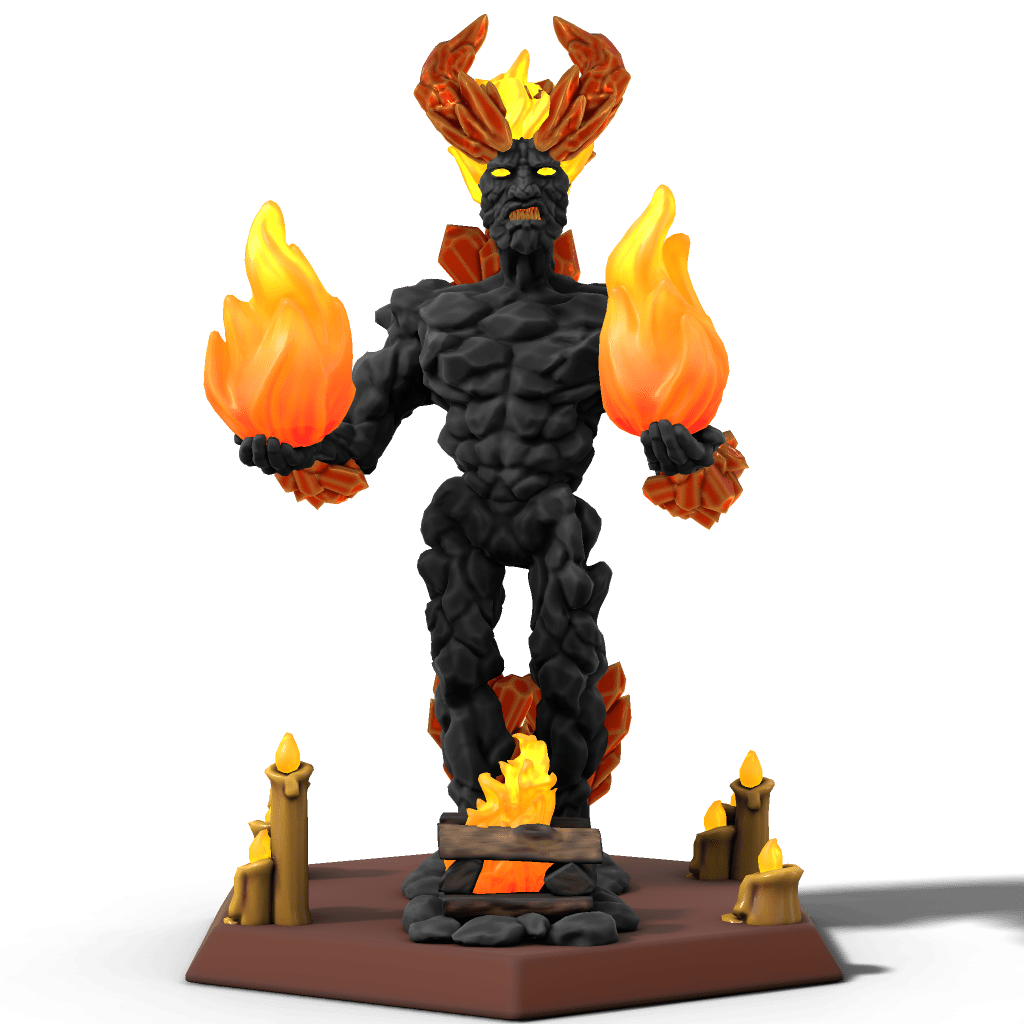
Lord GeniElemental fire and wildfiresAnyFire symbol
Lord HawaElemental air and tornadoesAnyAir symbol
Lady WodaElemental water and floodsAnyWater symbol
Lady ZemeElemental earth and earthquakesAnyEarth symbol
Orokos the EternalPerfection and eternityAnyCrown
St. Horlivost the RighteousZeal and fervorAnyBurning heart
St. Luzia of the Diamond StarPeace, hope, and unityAny GoodPeace symbol
Sister DuskDusk, grief, tragedy, and endingsAnySunset
Sister DawnDawn, mirth, comedy, and beginningsAnySunrise
NPC CultPortfolioALGlyph
Hatun ApuGod-Emperor of TotlanAny NeutralComet
MolechFrenzy and bloodlustAny EvilPit of sacrifice
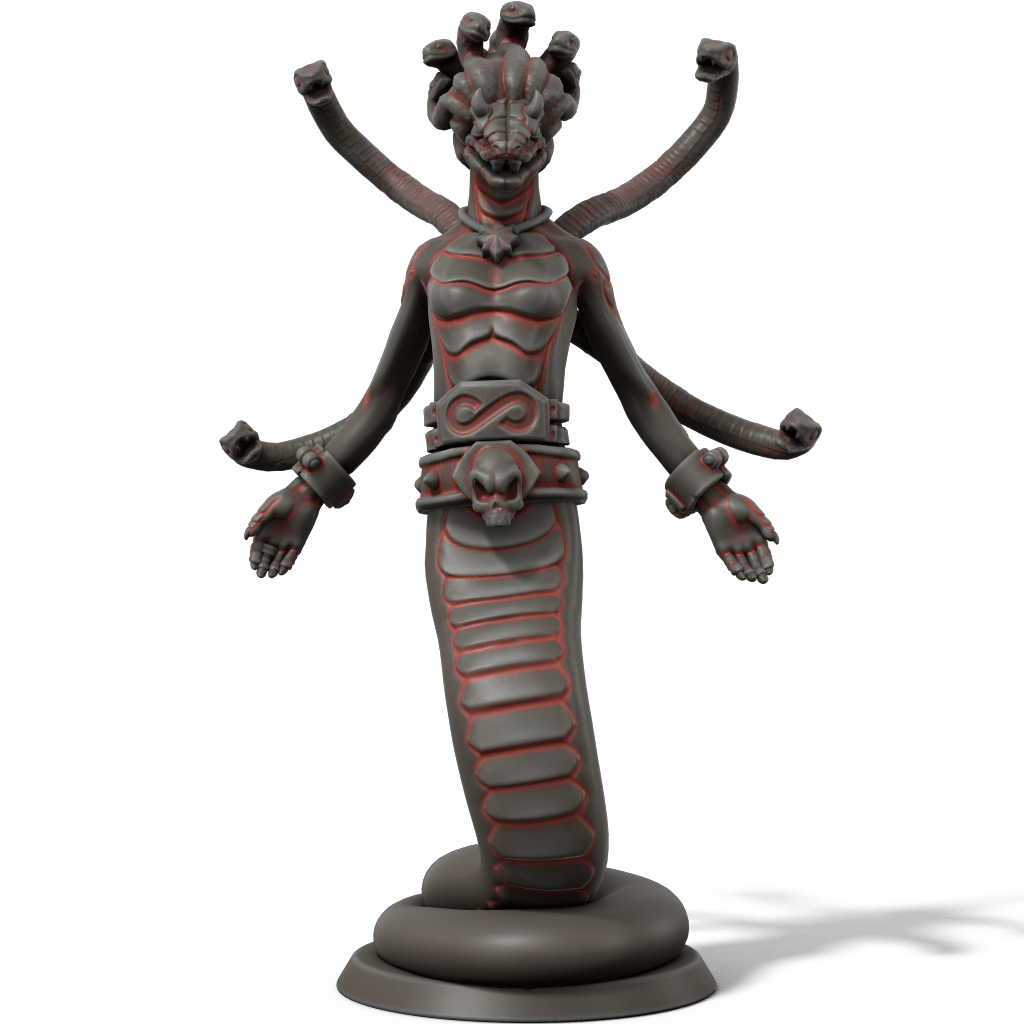
UroborosSerpents and hungerAny EvilSerpent biting tail
YusVoid and entropyAny EvilBig yus letter
Cults of Iorth

Example: The Cult of Yus

One example of a cult in Iorth is the Cult of Yus. This cult reveres a great old one known by many names: the Gilded Emperor, the King in Jonquil, the Master of the Saffron Sign, Lord of Karkosa, He Who Shall Never Be Named. In any event, the cult is highly secretive, allegedly seeking to summon their master to the mortal realm so he may reign and feed in horrific glory.

Those who become involved in this cult, especially those with a position of power, are slowly transformed over time. Many notice that their eyes turn to a sickly yellow color, and over time, they become solid yellow orbs with a small black pupil. In addition, their hands and feet become clawed, their teeth become sharp and pointed, and in some cases, small fiendish horns erupt from their brows.

Deities of Iorth

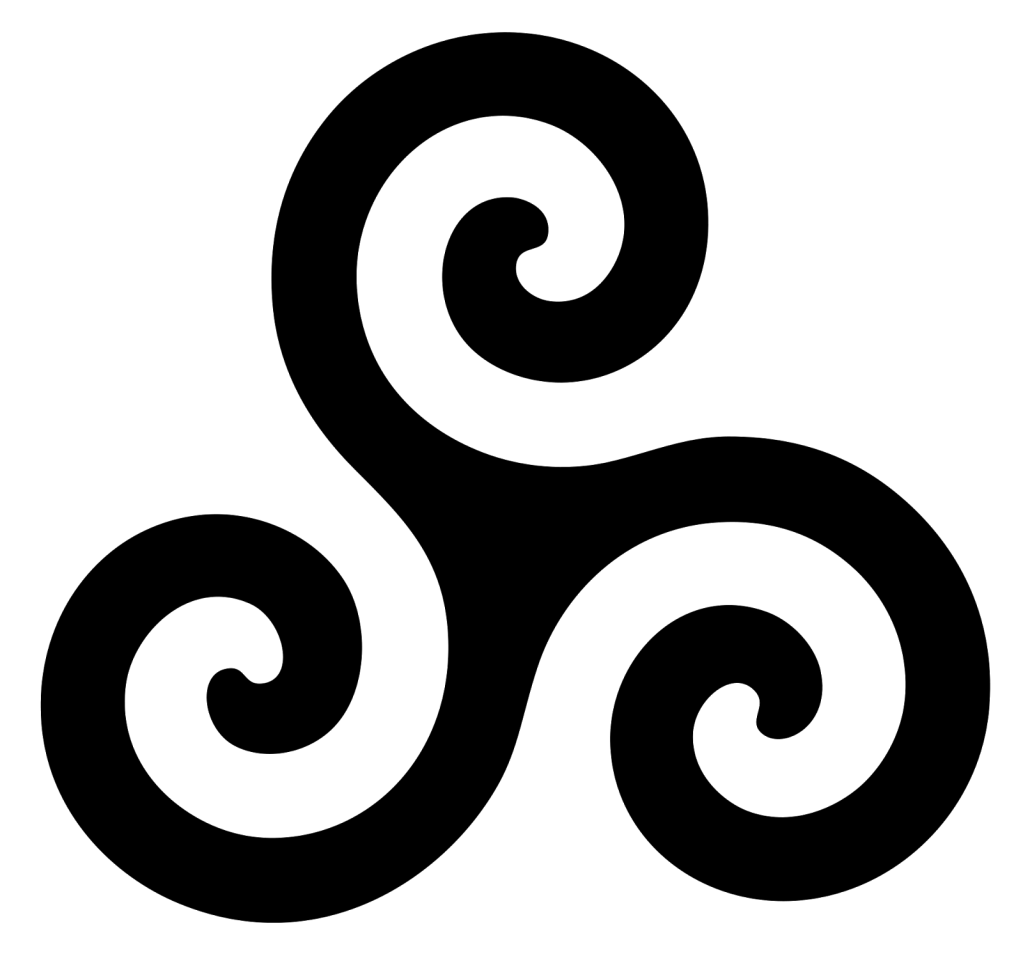
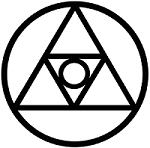
Unlike other fantasy realms, the world of Iorth has very few deities, though these beings are of immense power and influence. The greatest of the deities, Os, is the creator deity of the world of Iorth and the rest of the gods. The firstborn was Ki, goddess of nature, and after were her twin brothers, An, the god of light, and Ur, the god of darkness. Since their roles and relationships are crucial to one another, all are represented symbolically by the triskelion: each limb of the triskelion represents An, Ki, and Ur, respectively, while the central axis of the item, as well as the whole form, represents the “hidden” creator deity Os.

DeityAppelationPortfolioALRelated Faiths
OsGrim Onetime, rulership, and judgmentU
AnSky Fatherlight, the heavens, and orderLGPath of Light
KiMother Naturenature, the elements, animals, and vegetationNPath of Awareness, Path of Nature
UrDemogorgondarkness, the underworld, and chaosCEPath of Darkness
The Deities of Iorth

This trinity (or rather, secret quartet) of entitities are the primary divine forces that influence the world of Iorth, whether directly or indirectly, according to belief. As such, the number 3 bears strong symbolic importance in the legends and lore of Iorth.

While there are very few actual gods, there are several demigods throughout Iorth. These beings are associated one or more of the deities, and serve as lieutenants of the deity’s interests, especially in the mortal realm. Demigods do not interact with mortals, but they are those most likely to have their servants, such as angels, devils, demons, titans, or other such beings, intercede in mortal affairs.

The Overdeity Os

The most powerful entity in all of existence is the overdeity Os. It is Os who is said to have created the whole of existence from the dread entropy of nonexistence. It is Os who faced and defeated the greatest threats to existence itself, the Great Old Ones. It is Os who made the deities and the realities they hold mastery over. All is because of Os.

Os is not an entity that is worshiped or revered by any mortals. If anything, Os is revered and worshiped by the deities and demideities themselves. Os is the master of time. Os is the supreme ruler and judge over everything that is. The dragon is deemed to be the sacred beast of Os, and the power and prominence of dragons reinforces this belief. To dragons, Os is known by the name of Io, and is seen as the first of all dragons. To the giants, Os is known by the title of Annam, and is the creator of giantkind.

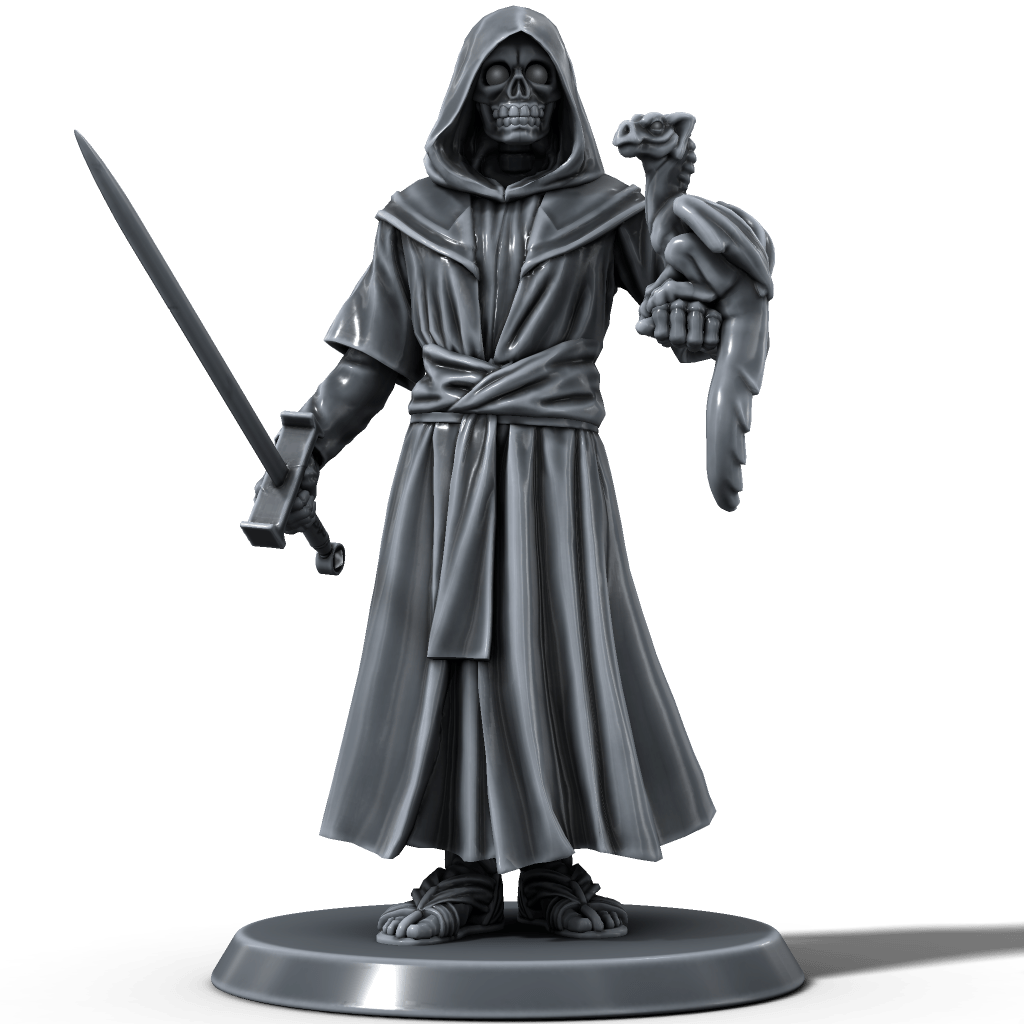
The name Os is the name told to the first mortal beings who existed on Iorth: the giants. Os is said to be the progenitor of giants and dragons, as well as of the dwarves and lizardfolk. Though Ki, An, and Ur are the children of Os, and many of his slain progeny sired most of the demigods and quasi-deities, it is said that the quasi-deities known as the Wyrd Sisters are those whom Os is closest to. The overdeity can appear as desired, though often is depicted as a gray skeleton clad in grey robes bearing a smoky orb or a steel sword. This sword, Finis, is honored by the constellation of stars that ar enamed after it, and the name of the month which it appears: Swordmoon, the last month of the year, said to sever the days of the old year from the new year, and allow life to continue through the new year. It is said that Os exists everywhere and everywhen, being as infinite and immense as the Astral Plane where the overdeity is said to dwell.

Deities of Iorth

The three children of Os are the only full deities that exist in the whole reality of Iorth. Their roles is the cosmos are significant, since they are the most invested in the mortal realms and their events. It is said that once there were many deities, all created by Os, but the in the destruction wrought by eldritch horrors such as Yus, many of these deities were slain. Only the eldest three, Ki and her twin brothers An and Ur, survived.

An, the Sky Father

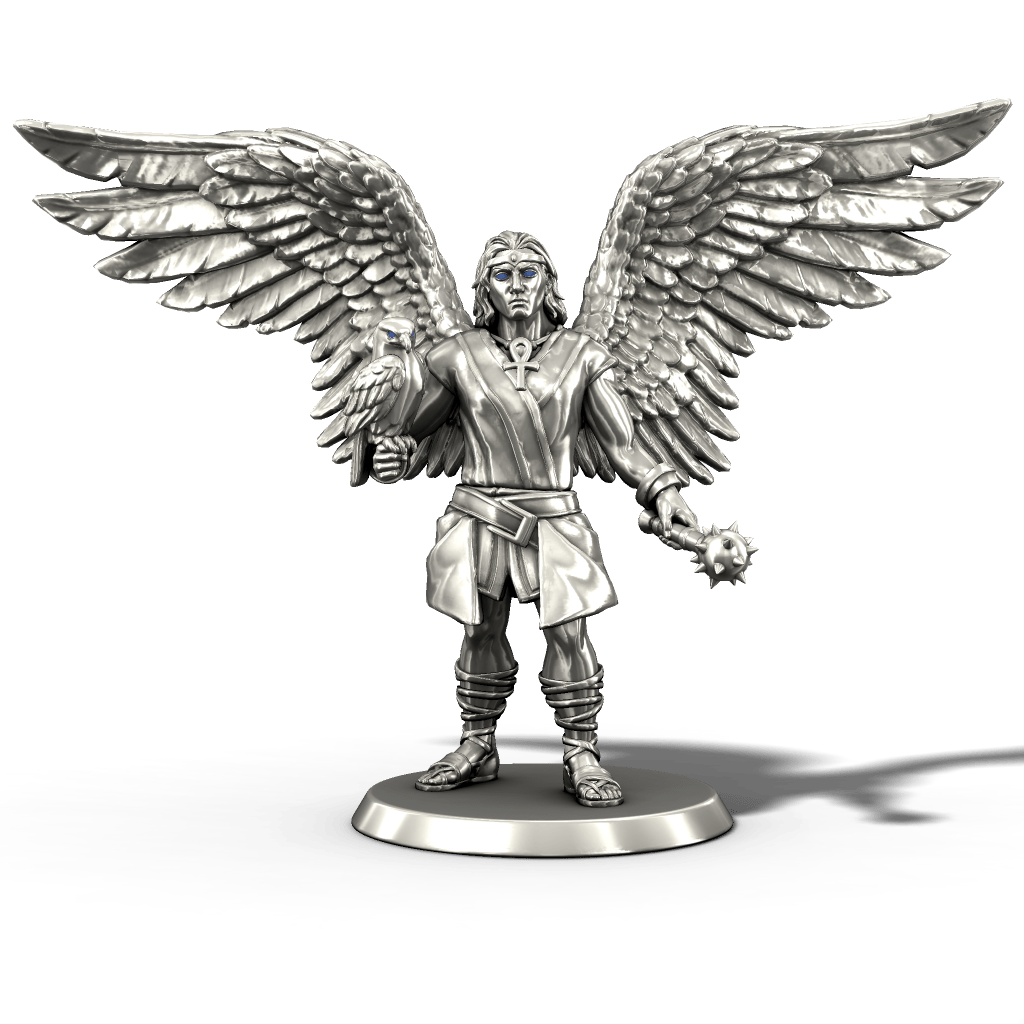
The god An is the most benevolent of the three deities. He is the god of light, the heavens, and order. He is the twin brother of Ur, and younger than his brother by a heartbeat.

An is the first of the celestials and savior of mortalkind. Armed with his scepter-like mace, the Thunderbolt, the heavenly deity fights off threats from across the cosmos, whether it is his brother Ur’s minions from Hell, or the horrid nightmarish things of the Great Old Ones that his progenitor Os fought against.

An is the chiefest of all celestial beings. He is also well-known as the father of the demigod known as the Thunderer and the demigoddess known as the Nurturer.

An is seated on the Heavenly Throne of Heaven, served by celestial entities who endeavor on his behalf. The colors blue and white are frequently associated with An, as are hawks. Many clergy prefer to use maces, echoing the god’s use of his magic mace Thunderbolt.

The Path of Light religion is closely associated with the god An.

Ki, Mother Nature

The eldest child of Os, the goddess Ki is said to be the wisest and most beautiful of them all. She is the goddess of nature, the elements, animals, and vegetation.

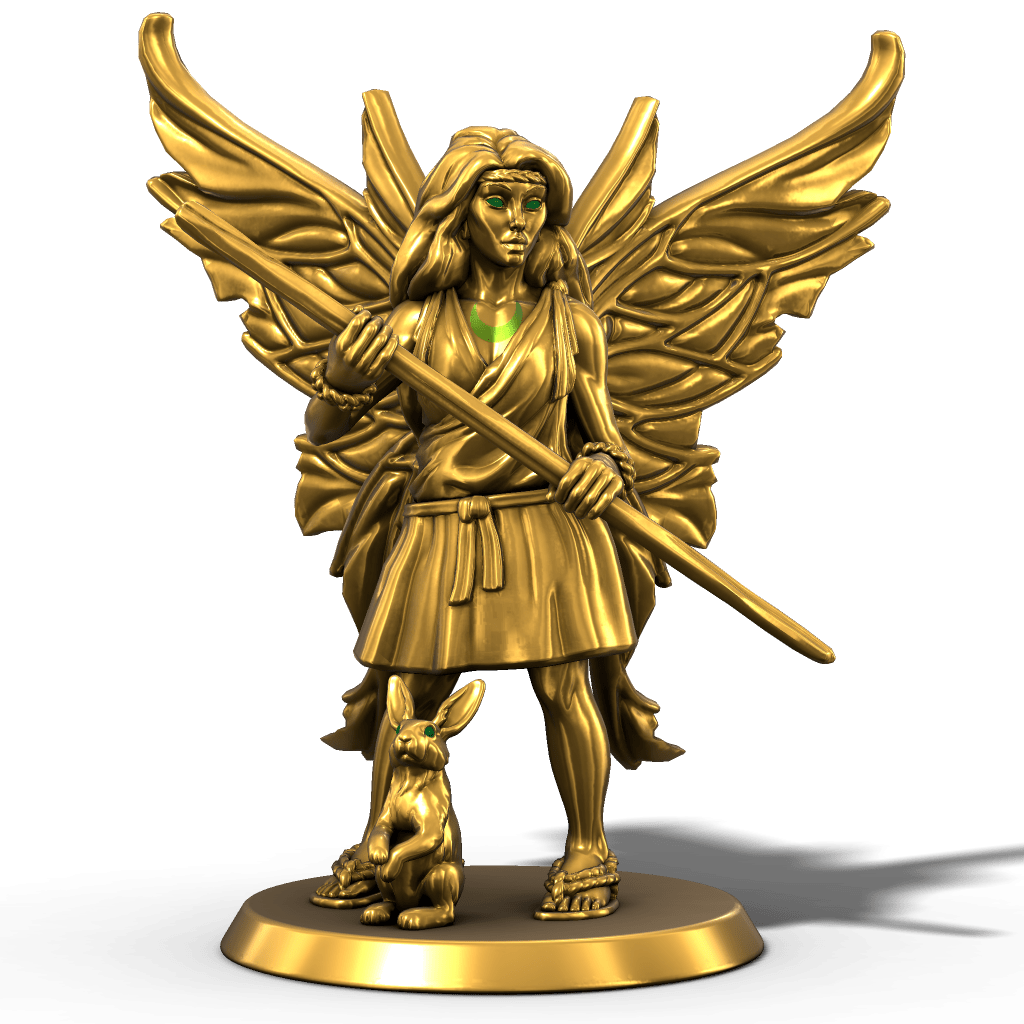
Ki is the first and foremost of the fey, and the enforcer of the natural order of life, death, and rebirth. She is said to wander existence, shepherding reality to ensure that existence is maintained. With her is her staff, the Worldaxle, which is used to guide reality to abide by its way, and to ward off anything that would disrupt reality or the natural order (such as the minions of the Great Old Ones).

Ki is the empress of all fey, both kind and cruel. She is the one who appointed those quasi-deities known as the Court of Seasons to their stations. She is the mother of the demigoddesses known as the Wildroamer and the Moon Maid, and the demigods known as the Archmagus and the Sun King.

Ki is said to wander the Etherial Plane, looking in on all creation with her retinue of elementals and fey. The colors green and yellow are frequently associated with Ki, as are hares. Many clergy prefer to use quarterstaffs, due to its practicility and symbolism.

The Path of Nature religion is closely associated with the goddess Ki; the Path of Awareness takes some inspiration from Ki, but strays from the focus on nature.

Ur, the Demogorgon

The god Ur is the most malevolent of the three deities. He is the god of darkness, the underworld, and chaos. He is the twin brother of An, older than his brother by a heartbeat.

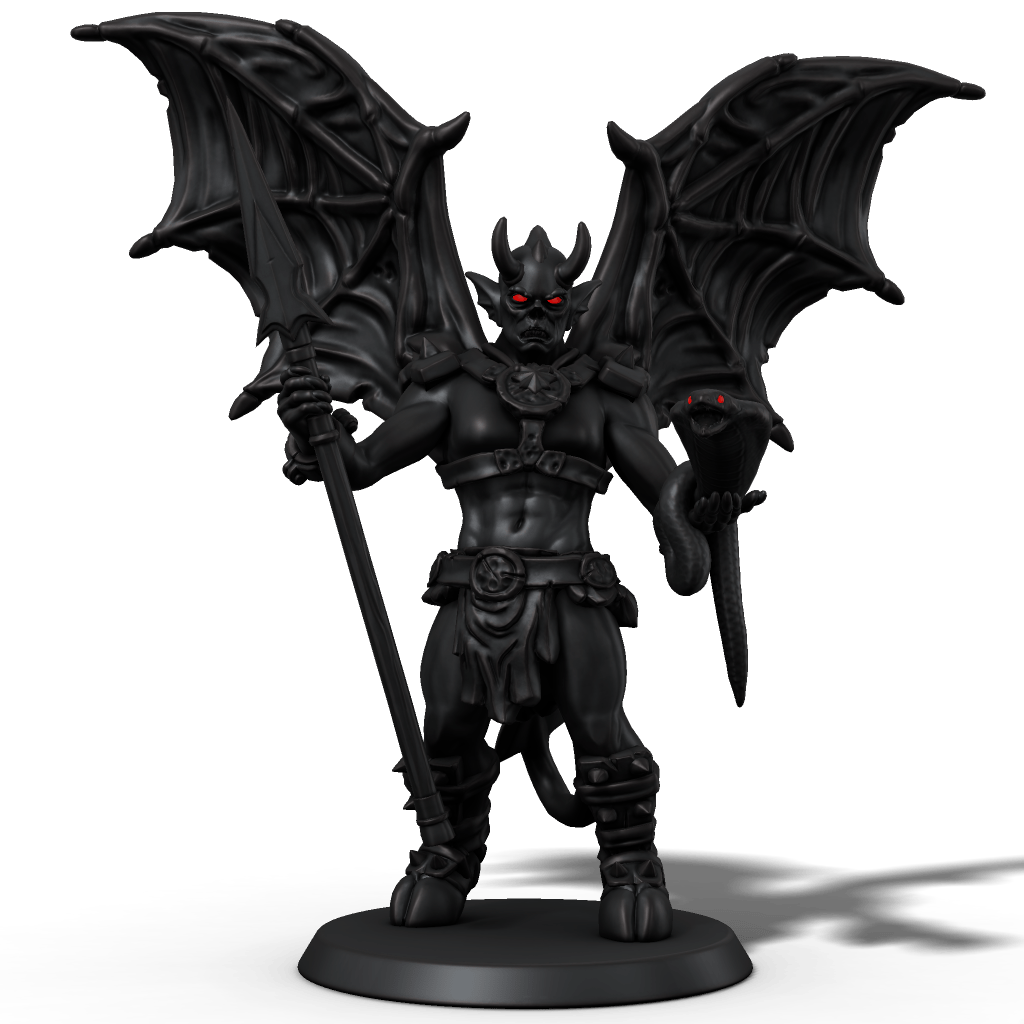
Ur is the first of the fiends and bane of mortalkind. Armed with his deadly spear, the Doombringer, the god terrorizes all those trapped within his domain, and quickly slays any who trespass. While the first and foremost prisoner of Hell, Ur is also its warden, and he does not permit anyone to escape Hell while he is unable to do so.

Ur is the first and greatest of all fiends, as well as the unspoken master of eldritch terrors. He is the father of the demigods known as the Betrayer and the Warmaster.

Ur is imprisoned in the deepest depths of Hell, served by fiends eager to curry favor with their master. The colors red and black are frequently associated with Ur, as are vipers. Many clergy prefer wielding spears, mimicking their master’s use of his cursed spear Doombringer.

The Path of Darkness religion is closely associated with the god Ur.

Demigods of Iorth

As noted, there are several demigods throughout Iorth. In many cases, they are regional or cultural aspects of prominent demigods renowned in ancient times. Though the demigods may be appealed to by mortals, “worship” of them is through the main religions of Iorth. The best analogy of the demigods in Iorth is that they are much like saints who are called upon—not the focus of religious belief, but a known believed entity asked for protection or guidance.
Some practitioners of the various faiths of Iorth include reverence of a god or demigod in addition to the main tenets of their faith.

DemigodPortfolioAL
Archmagusknowledge, magic, and truthN
Betrayerdisaster and betrayalNE
Dreamshadesleep, death, and thresholdsN
Foolmakeralcohol and mischiefCN
Keensmithsmithing, arts, and craftsLN
Moon Maidthe moon, music, and loveN
Nurturerfertility and healingNG
Sun Kingthe sun, might, and courageN
Thundererweather and stormsCG
Warmasterwar and vengeanceLE
Wildroamerseas and wildernessN
Demigods of Iorth

Quasi-Deities of Iorth

There are a class of beings who have semi-divine powers, but nothing close to those held by actual deities or demigods. These quasi-deities often represent particular elements common amongst the various cultures of Iorth. For example, the Court of Seasons are known by all cultures on Iorth, and they are conceptualized as entities which reflect each community’s image of them and themselves. The Wyrd Sisters are also known by all, though they appear vastly different from one individual’s conception to another’s. In any event, only a few of these beings are shown some form of reverence by the faithful of Iorth’s religions. For some practitioners of the faiths of Iorth, their reverence for a quasi-deity influences their lives. For some druids, monks, and paladins, this may be reflected in the archetype selected for their class.

The power level of these entities are generally weaker than that of a demigod or a deity, but this can be deceptive.

Quasi-DeityPortfolioAL
Bamutbenign dragons and protectionLG
Hesatabundance and minotaursN
Jakivanhelp and virtueCG
Ozmodiosfraud and wrongLE
Timatmalign dragons and greedCE
Court of Seasonsseasons, elements, and directionsN
Child of Flowersspring, air, and the eastN
Summer Ladysummer, fire, and the southN
Ghost of Gloomautumn, earth, and the westN
Winter Lordwinter, water, and the northN
Wyrd Sistersfortune and timeN
Matronpast and fateN
Motherpresent and luckN
Maidenfuture and prophecyN
Quasi-Deities of Iorth